Where to stay in Bangladesh region by region.
Four bases cover almost everything a first trip needs: the capital, the beach, tea country and the mangroves. Here’s who each one suits and how to reach it.
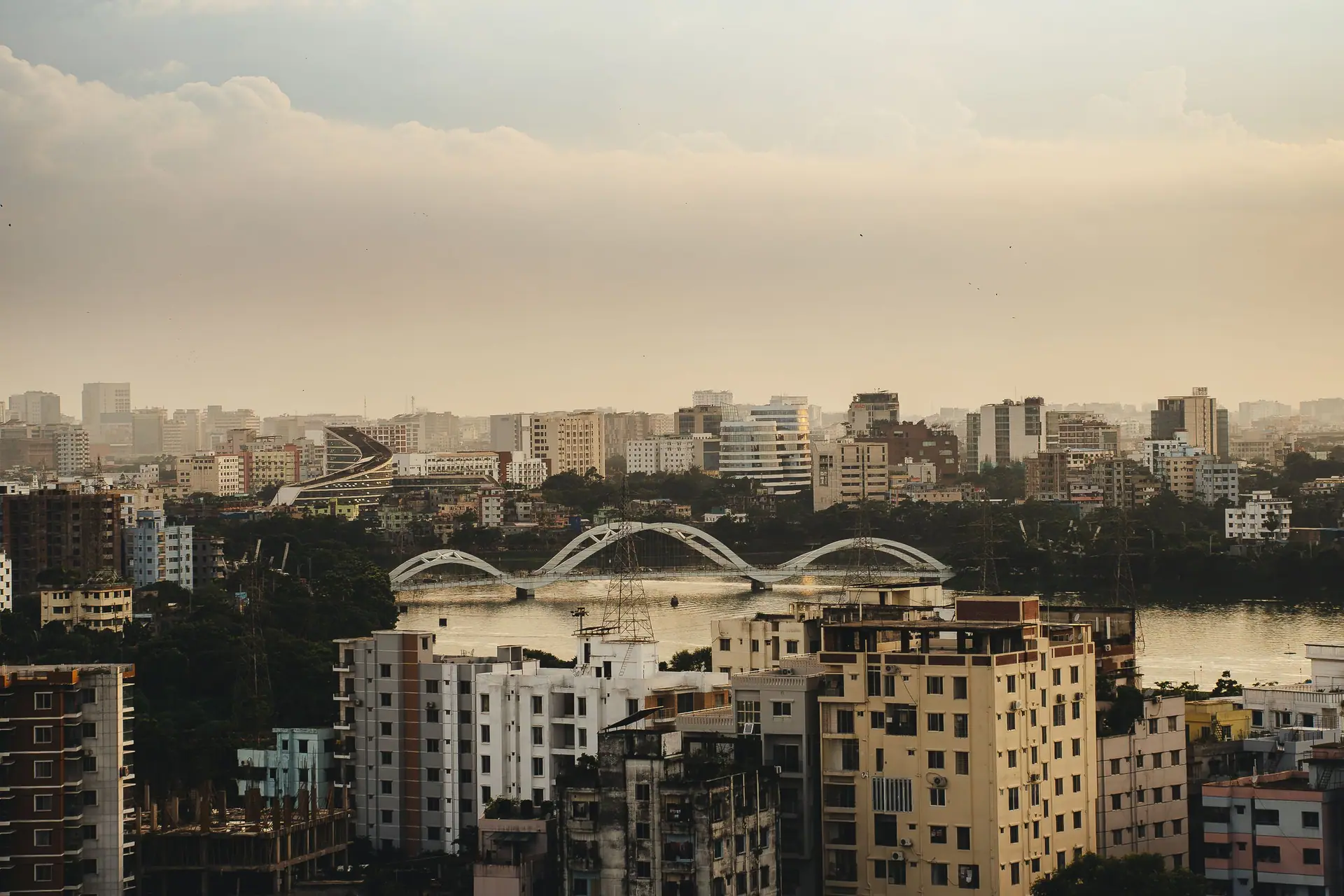
Bangladesh is small on the map but slow on the ground — a 250-kilometre drive can take most of a day. The smart way to plan is to pick a few bases, sleep well in each, and use domestic flights or trains to hop between them instead of trying to see everything from Dhaka.
Most travellers start in Dhaka for two or three nights, then add one or two of the regions below. Cox’s Bazar is the beach break; Sylhet and Sreemangal are the cool green hills; Khulna is the launch point for the Sundarbans. Each page covers the neighbourhoods worth staying in, how long to give it, and the practical details that save time.
Bangladesh has eight divisions, but for a first trip it helps to think in terms of bases. Each one in these guides has a choice of hotels, an airport or a rail link, and enough to fill a few days without long transfers.
If you only have a week, pair Dhaka with one other base. With ten days or more, add a second: the classic combination is Dhaka, the Sundarbans from Khulna, and either the tea hills or the beach.
These pages help you choose where to sleep. Each one describes the neighbourhoods or towns in a region, what they are like in the evening, how you reach them from Dhaka and who should pick a different base. Some areas hold a wide choice of hotels, while others have only simple places, and the text says which kind to expect.
Pick a base by what you want to do in the early morning, because that is when roads are clear and the light is good. The table compares the main areas by season and travel time. For the Chittagong Hill Tracts and the far south-east, read the official advice and permit notes before you choose.
Most first trips use two or three bases. Dhaka is the gateway, and the choice after it is mostly between the tea country of the north-east, the beach and hills of the south-east, and the river and mangrove landscapes of the south-west. Each base has its own page with the kinds of hotel to expect, how to arrive, what to see on foot or by boat, and the months when it is at its best.
Read the neighbourhood sections before the hotel lists, because the street you sleep on decides how long the day starts and ends. Bases that look close on a map can be hours apart by road in the monsoon or on a festival weekend. Where a place is reached by boat, ferry or a single road, the guide says so, and it names the official sources to check before you travel.
The guides.
25 in-depth reads. Start with the first, or jump straight to the one you need.
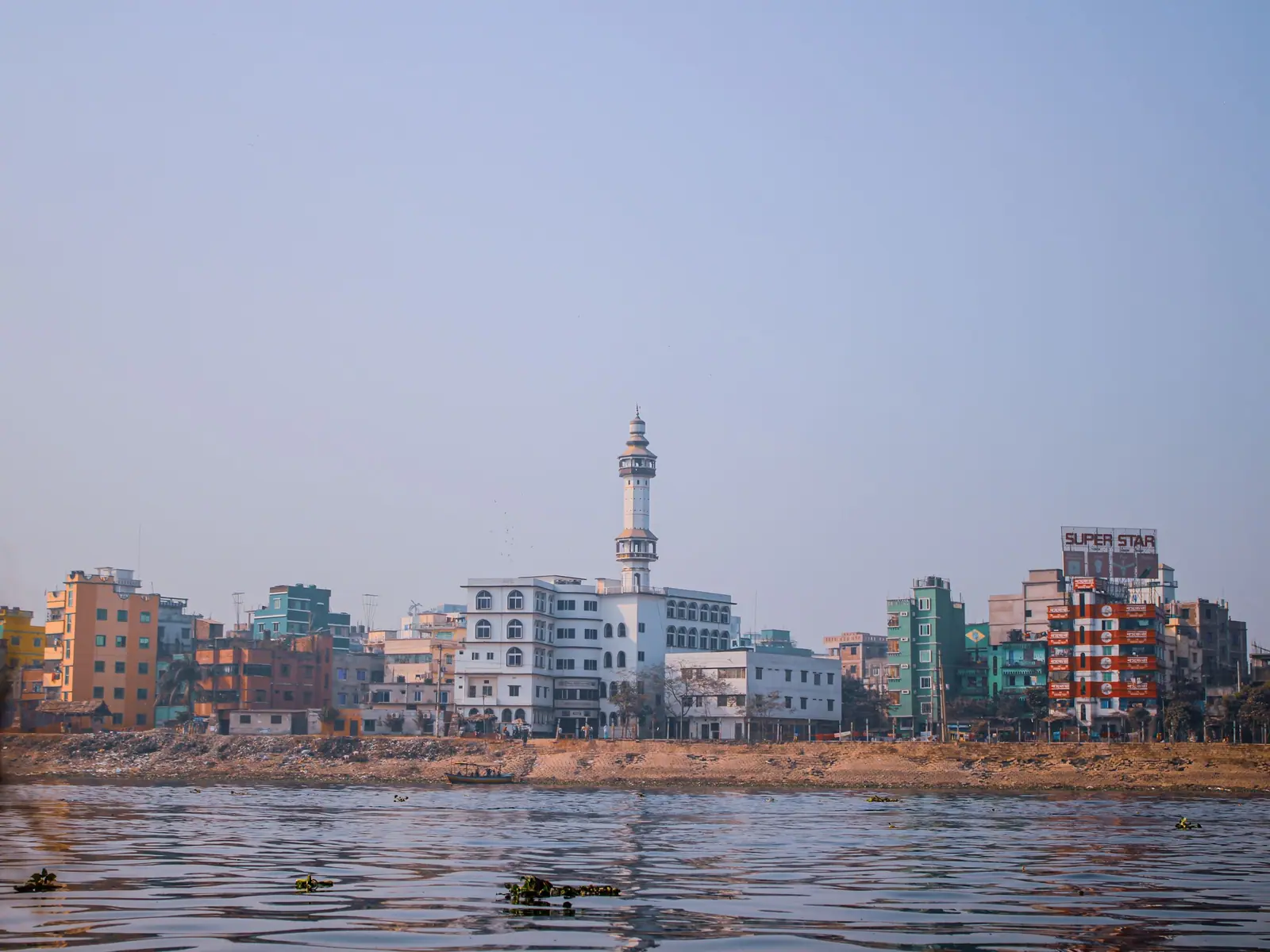 Start here01 · The capital · 8 min readঢাকাWhere to stay in DhakaGulshan for comfort, Karwan Bazar for the old city, Uttara for the airport. How to choose a base in one of the world’s busiest cities, and how to spend your days once you’re there.Best baseGulshan & BananiFrom the airport30–90 min by roadGet aroundMetro, ride-hailing, rickshawBest monthsNovember–FebruaryRead the guide
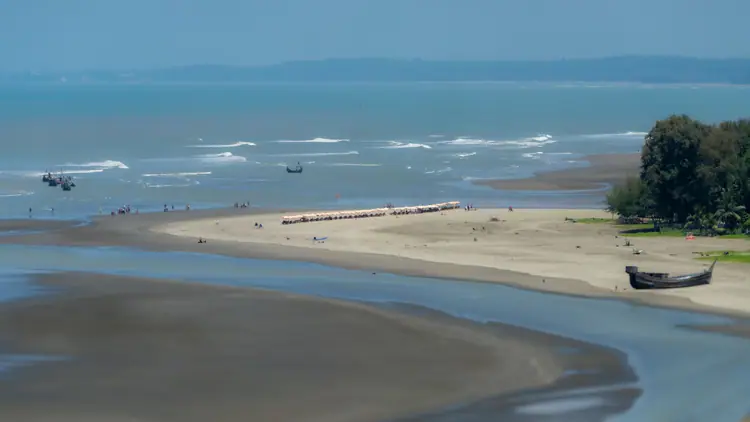 02 · The coast
Where to stay in Cox’s Bazar
Kolatoli for the buzz, the Marine Drive for space, Inani for the rocks. A guide to what is often called the world’s longest natural sea beach — where to sleep, how to get there and how to spend your days.
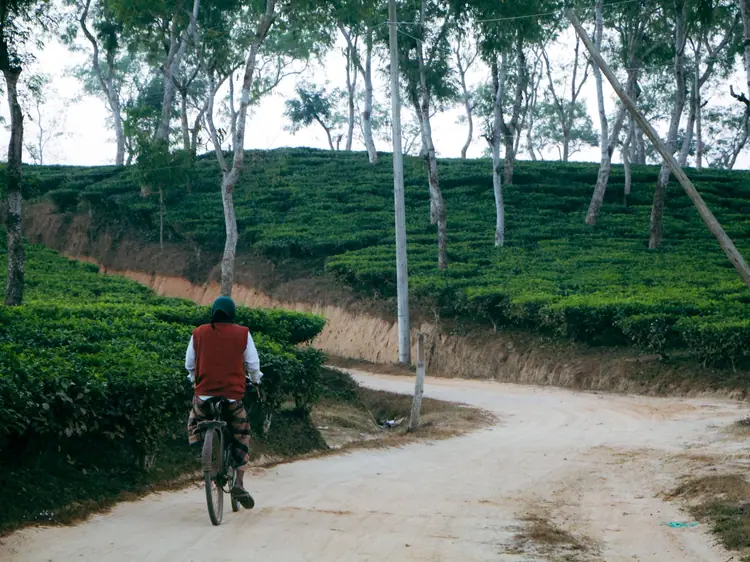 03 · Tea country
Where to stay in Sylhet and Sreemangal
Tea estates, rainforest and clear hill rivers in the green north-east. How to split your time between the city and the tea capital, and what to see from each base.
 04 · The mangroves
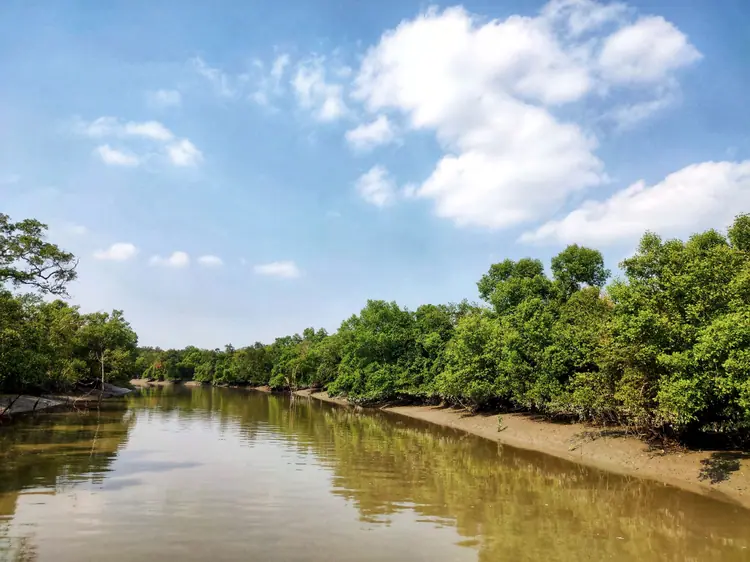
Khulna and the Sundarbans: where to stay
The gateway to the world’s largest mangrove forest and the mosque city of Bagerhat — two UNESCO sites in one trip. Where to sleep, how to get there and how to fit it all together.
 05 · The river quarter
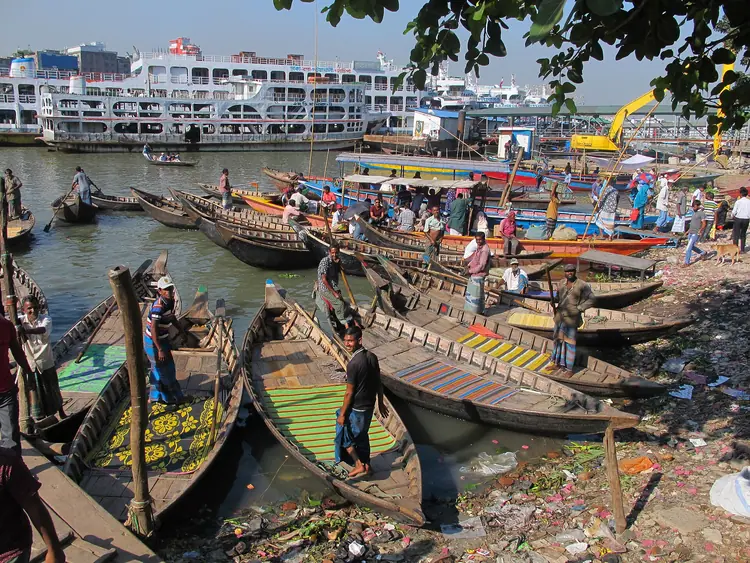
Where to stay for Old Dhaka
Old Dhaka has the river, the lanes and the oldest trades in the capital, but very few places to sleep. This guide explains the quarters, the sensible bases around it and how to reach it without losing a day to traffic.
 06 · The coral island
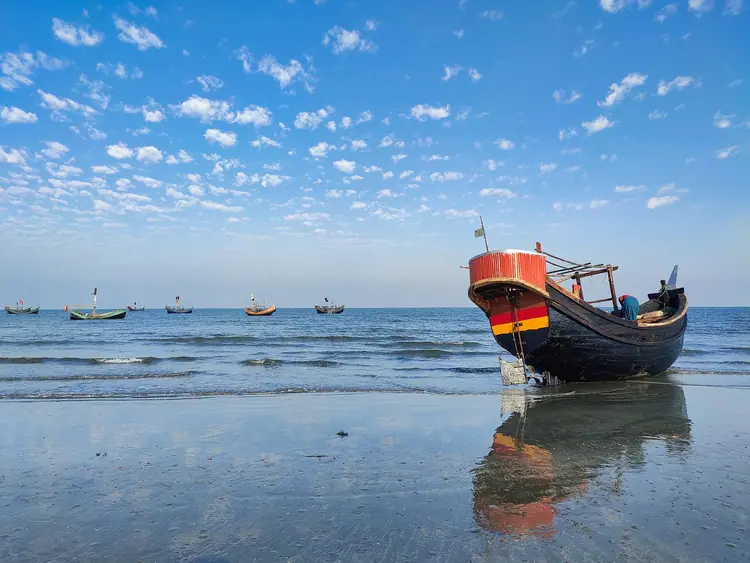
Where to stay for Saint Martin’s and Teknaf
Saint Martin’s is Bangladesh’s only coral island, reached by ship from the far south of the mainland under strict seasonal rules. This guide sets out the rules, where to base yourself, and what to know about Teknaf.
 07 · Mosque city and port
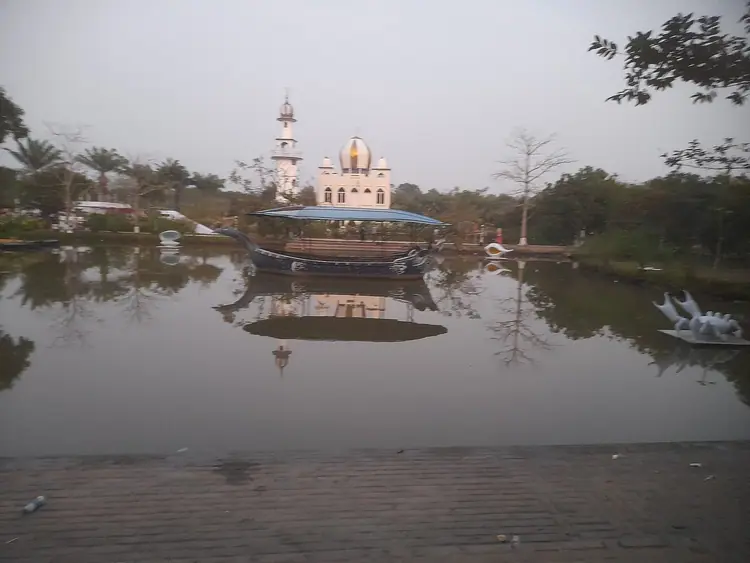
Where to stay in Bagerhat and Mongla
Bagerhat and Mongla are small towns on either side of the delta road south of Khulna: one beside the mosque city, one beside the port. Here is whether to sleep in either, or base yourself in Khulna instead.
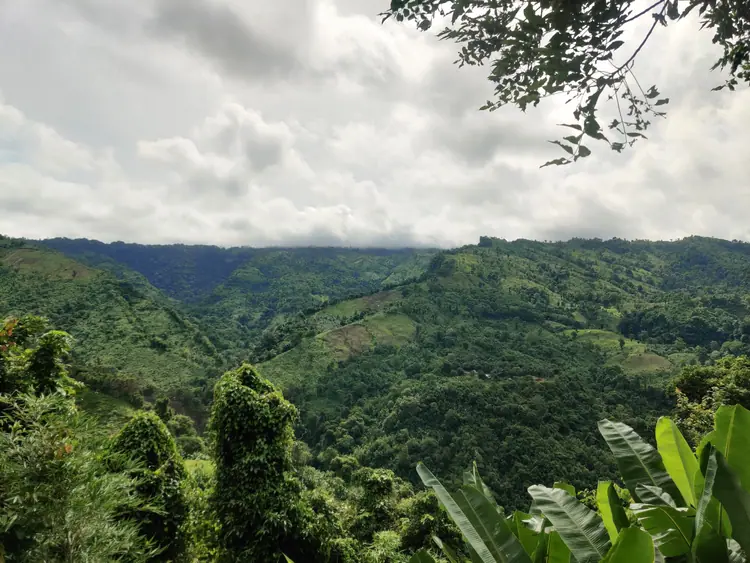 08 · Hill country
Where to stay in Bandarban
Bandarban is the hill town of the south-east, set among ridges, forest and the Sangu river, and home to several hill peoples. This guide covers permission, where to sleep, jeeps and the seasons.
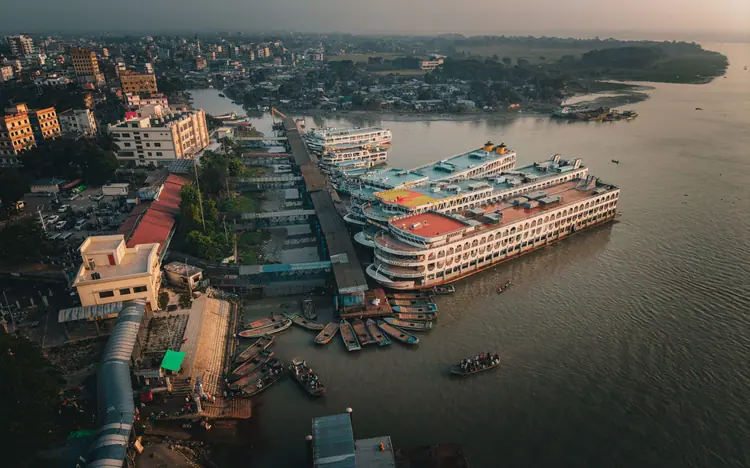 09 · The river south
Where to stay in Barishal and Kuakata
The southern delta is a country of rivers, canals and orchards, with a river port at its centre and a quiet beach at its end. This guide shows how to split your nights between Barishal and Kuakata.
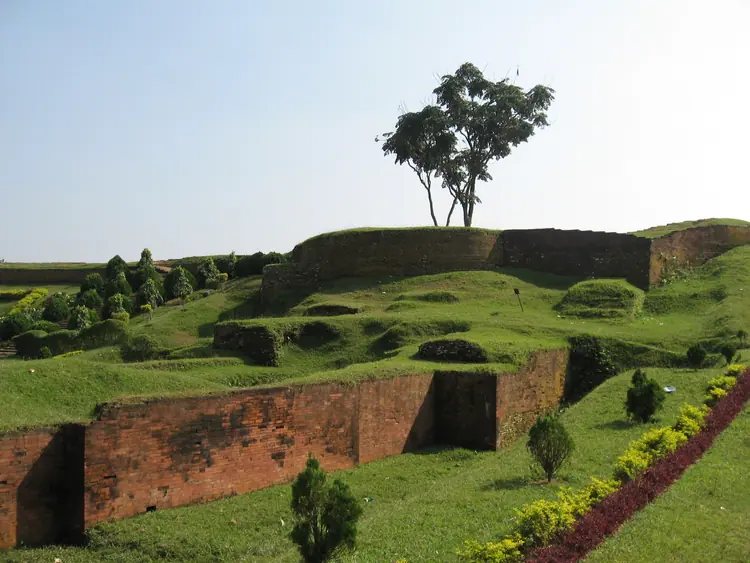 10 · Gateway to the north-west
Where to stay in Bogura and Mahasthangarh
Bogura is the junction town of the north-west and a practical night between Dhaka and the ancient city of Pundranagara. Here is which part of town to choose, how long to stay and how to move around.
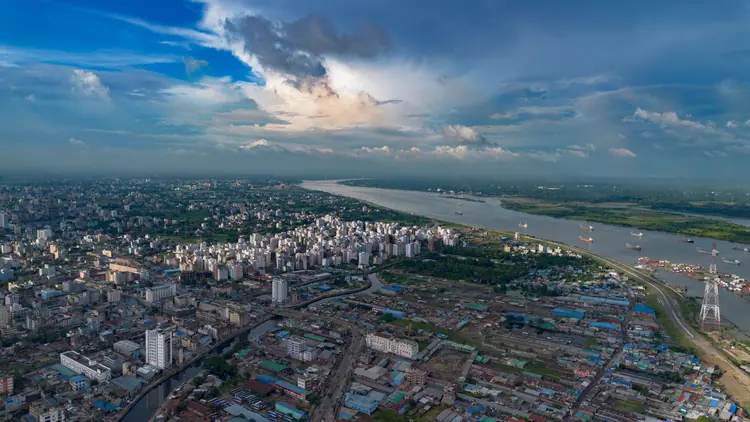 11 · The port city
Where to stay in Chattogram
Chattogram, formerly Chittagong, is a hilly port city on the Karnaphuli river, and the gateway to the south-east. This guide helps you pick a neighbourhood, decide whether to stay one night or three, and move around.
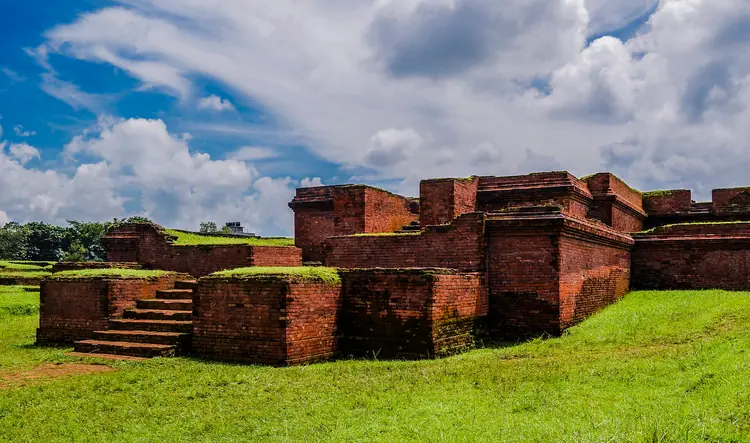 12 · On the old road east
Where to stay in Cumilla and Mainamati
Cumilla sits on the main road and rail line between Dhaka and Chattogram, with the Buddhist ruins of the Mainamati ridge on its western edge. Here is how to use it as a night, a stop or a short base.
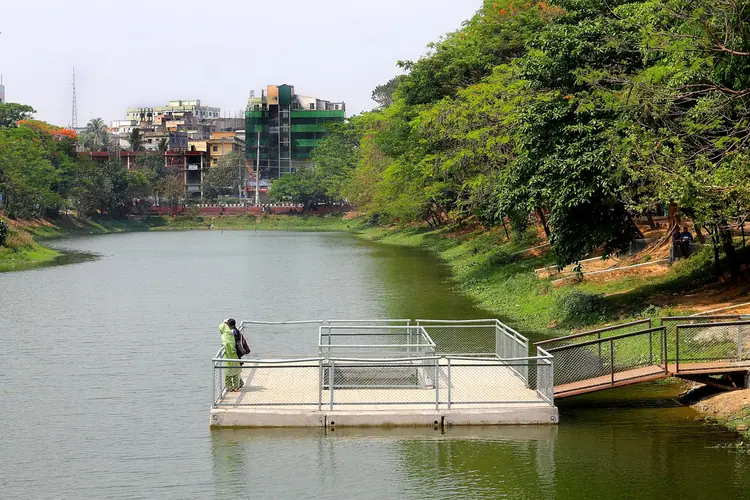 13 · Lakes and lanes
Where to stay in Dhanmondi
Central-west Dhaka's residential district wraps around a lake, with galleries, colleges and cafes on its numbered roads. Here is who it suits, how to move between it and the rest of the city, and what each day of the week feels like.
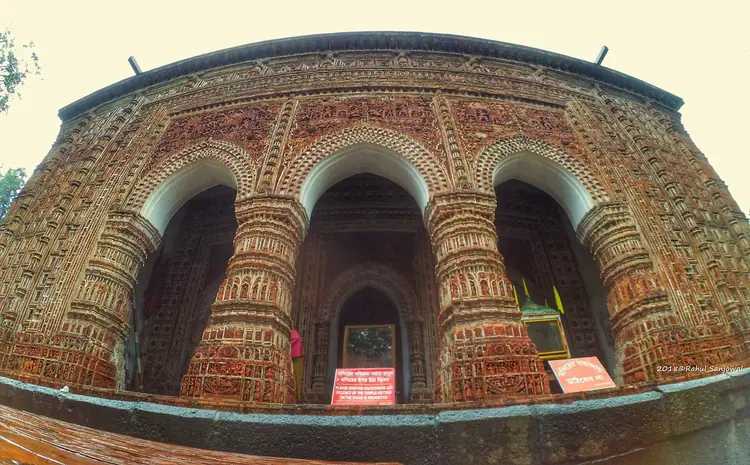 14 · Terracotta country
Where to stay in Dinajpur and Kantajew
Dinajpur is the quiet northern town beside the terracotta Kantajew Temple, with the airport at Saidpur not far away. Here is where to base yourself, how to arrive, and how to spend two or three days.
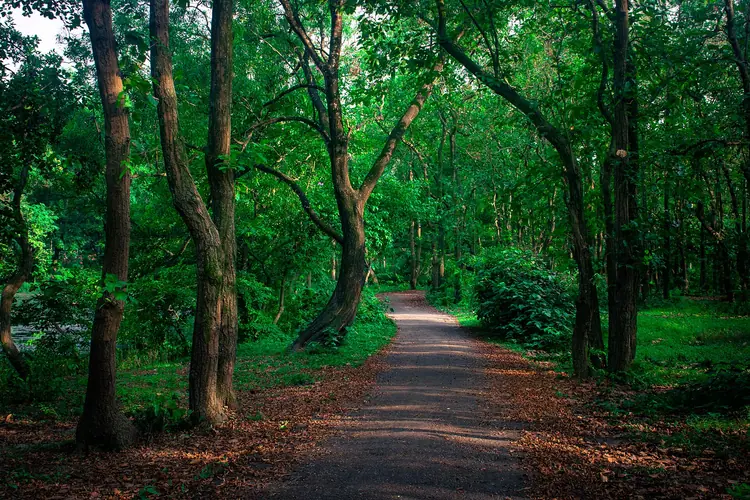 15 · North of the capital
Where to stay in Gazipur
North of Dhaka, Gazipur is a district of factories, sal forest and weekend resorts along the Mymensingh highway. This guide sorts its towns, explains why some visitors sleep here and shows how to reach each pocket.
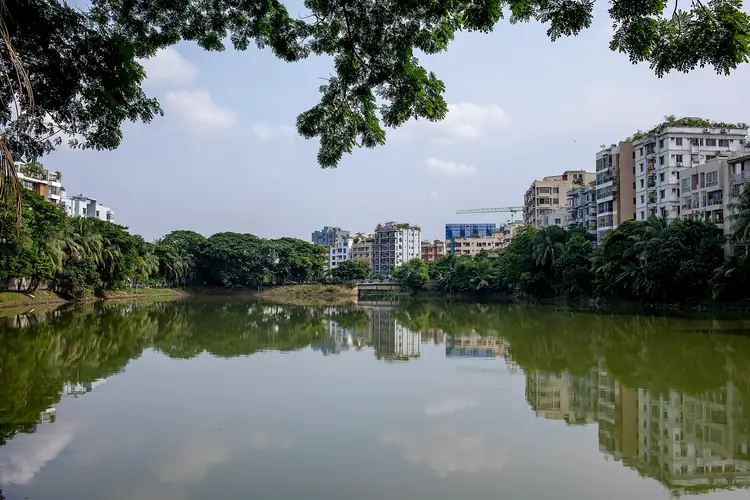 16 · Lakeside Dhaka
Where to stay in Gulshan and Banani
Two lakes, two avenues and a grid of numbered roads: the calm, well-served north of Dhaka. Here is how Gulshan and Banani divide into blocks, which one fits your trip, and what the neighbourhood offers after dark.
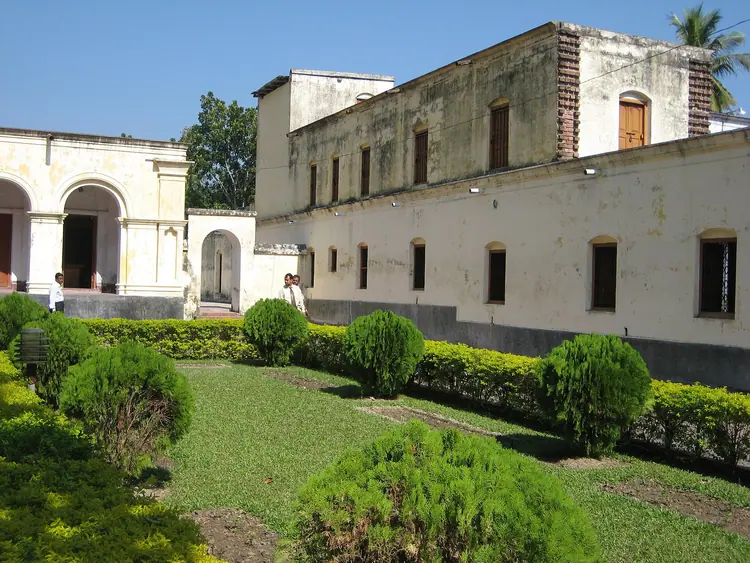 17 · The south-west gate
Where to stay in Jashore
Jashore has the south-west’s airport, a rail link across the Padma and a belt of flower farms, and it sits an hour or so from Khulna. This guide covers when to stay here, where, and what fills two days.
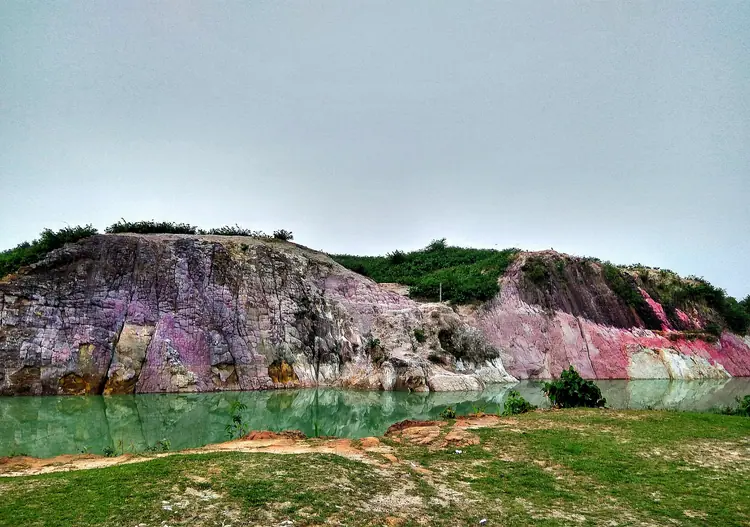 18 · The old Brahmaputra
Where to stay in Mymensingh
A river town on the old Brahmaputra, a day's reach from Dhaka by road or rail. Learn how to base yourself in Mymensingh, what the museum, mansions and sweets offer, and how to add the clay hills and Garo country of Netrokona.
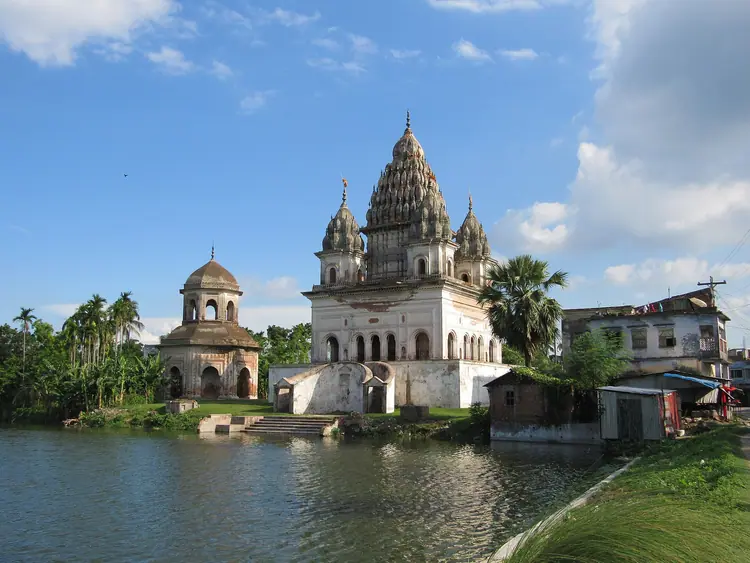 19 · Silk and mangoes
Where to stay in Rajshahi
Rajshahi is a calm riverside city in the dry north-west, with silk, mango orchards and a ring of old temples and mosques within reach. This guide covers where to sleep, how to arrive and which excursions to pair.
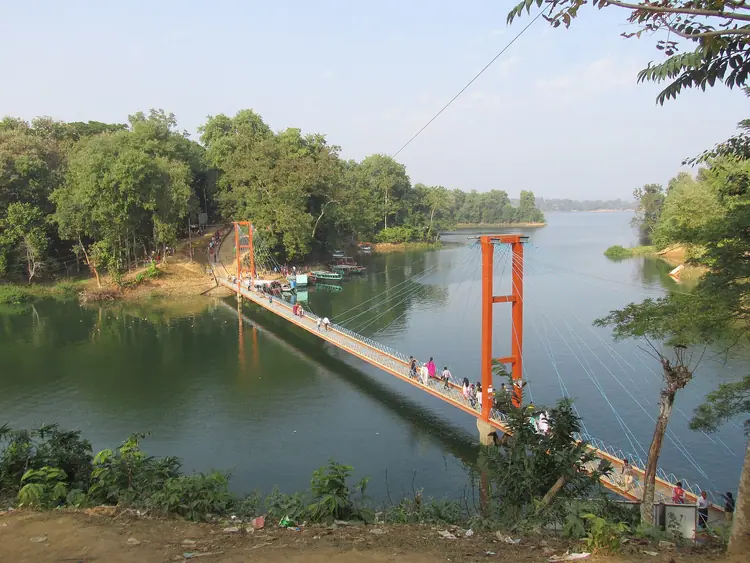 20 · The lake town
Where to stay in Rangamati
Rangamati is a town of peninsulas and ridges on Kaptai Lake, the largest man-made lake in the country, and a centre of Chakma life. This guide covers where to sleep, permission, getting there and the seasons.
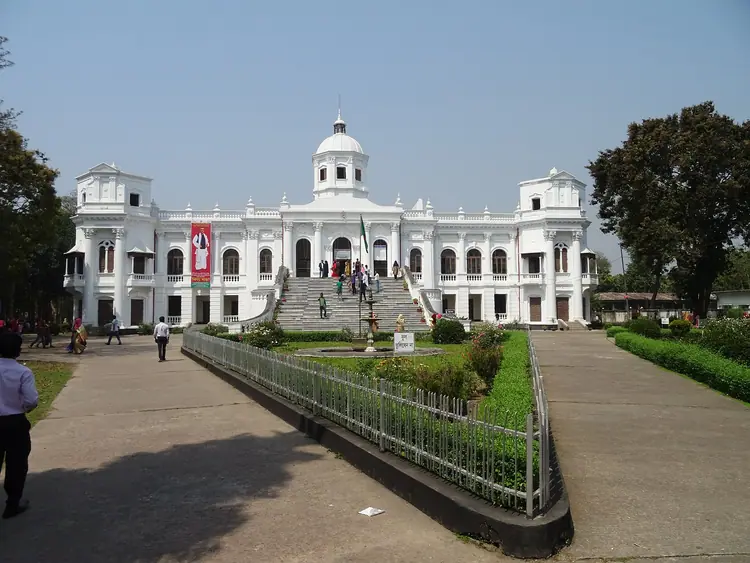 21 · The far north
Where to stay in Rangpur and the north
The northern plains of Rangpur division are flat, quiet and little visited. Learn which towns work as bases, how to arrive by air, rail or road, what winter fog does to plans, and which sights lie on the route.
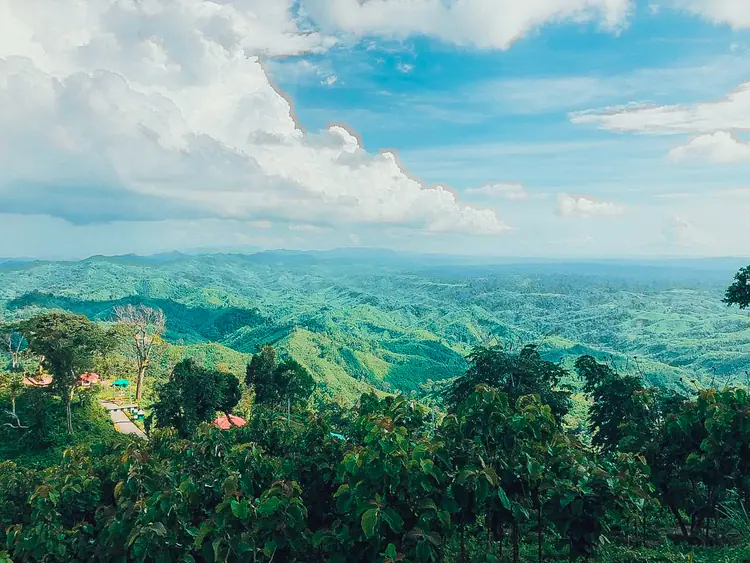 22 · Hill ridge
Where to stay in Sajek and Khagrachari
Sajek is a hill ridge reached through Khagrachari, in the Chittagong Hill Tracts, where access and permissions change. Here is how the two fit together, where people base themselves and what to check first.
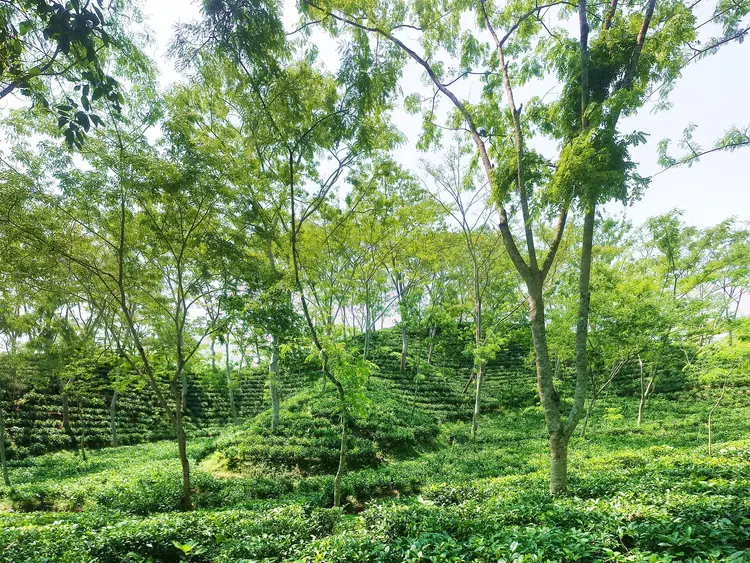 23 · Tea town
Where to stay in Sreemangal
Sreemangal is small, but where you sleep changes everything: the station streets, the tea estate edge and the forest side each offer a different night. This guide compares them and says who each suits.
 24 · The far north
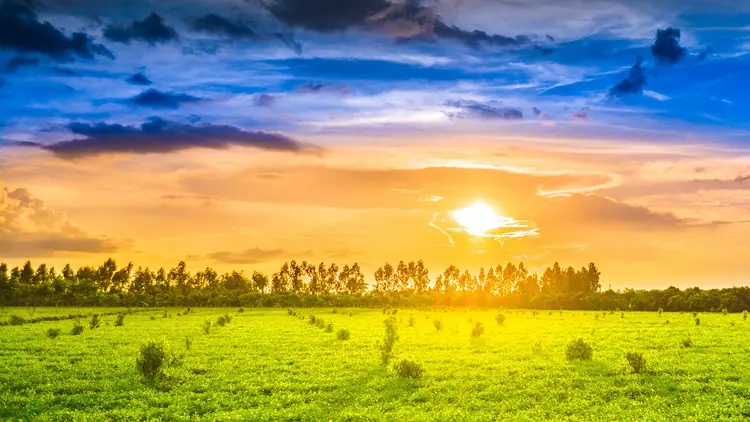
Where to stay in Tetulia and Panchagarh
Tetulia is the northernmost corner of Bangladesh, with flat-land tea gardens and, on some clear mornings, a view of Kanchenjunga. Here is where to base yourself, how to get there and what to expect.
 25 · By the runway
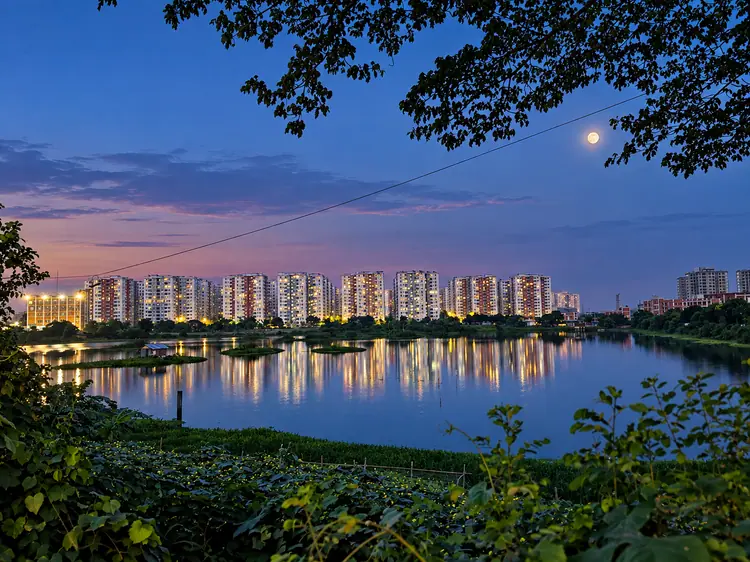
Where to stay in Uttara and by the airport
North of the capital, around the runway, sits the part of Dhaka built for arrivals and departures. Learn which pocket suits which flight, how the metro and road links work, and what to do with a free day.
At a glance.
Who each base suits, where to sleep, the months that work and how to get there from Dhaka.
| Area | Best for | Stay in | Best months | From Dhaka | Hotels |
|---|---|---|---|---|---|
| Dhaka | History, food, first nights | Gulshan, Banani | Nov–Feb | — | Hotels → |
| Cox’s Bazar | Beach, sunsets, seafood | Kolatoli, Marine Drive | Nov–Mar | 1 h flight · overnight train | Hotels → |
| Sylhet & Sreemangal | Tea estates, forests, rivers | Sreemangal, Sylhet city | Oct–Mar | 45 min flight · 5 h train | Hotels → |
| Khulna | Sundarbans cruises, Bagerhat | Khulna city, Mongla | Nov–Feb | 4–5 h by road · flight to Jashore | Hotels → |
Good to know.
Which area should I stay in on a first trip?
Start with two or three nights in Gulshan or Banani in Dhaka, then add one region: the Sundarbans for wildlife, Sreemangal for tea country, or Cox’s Bazar for the sea.
Is it better to fly or take the train between regions?
Fly when time is short — every region has an airport within an hour of Dhaka. Trains are comfortable and scenic for Sylhet and Cox’s Bazar if you book an AC seat early.
How many days do I need in Bangladesh?
Seven days covers Dhaka and one region well. Ten to fourteen days lets you add the Sundarbans and either the tea country or the coast without rushing.
How many nights should you spend in each base in Bangladesh?
Two nights is the useful minimum almost everywhere, because the first day goes on getting there. Dhaka deserves two or three in total, split between arrival and departure if flights allow. Give tea country two, the coast two or three, and a Sundarbans cruise two or three nights on the boat with one in Khulna beforehand.
Which part of Bangladesh is coolest in hot weather?
Nowhere is truly cool in April and May, but the hills of Sylhet and the Hill Tracts get more cloud and breeze, and the coast has sea wind. The north-west, around Rajshahi, is usually the hottest. If you must travel then, choose air conditioning, start at dawn and keep the middle of the day free.
Can you stay near the Sundarbans without sleeping on a boat?
Yes, in Khulna city or the smaller port town of Mongla, with a few simple riverside lodges on the forest edge. From there you can take a short trip to Karamjal. To see the deeper creeks, though, the boat is the accommodation, because visitors may enter only with a licensed operator, permit and guard.
Which area of Bangladesh works well as a second base after Dhaka?
For a first trip, Sreemangal is the easy answer: about five hours by train, quiet, green and manageable without much planning. Cox’s Bazar suits beach lovers and is about an hour by air. Khulna makes sense only if you have booked a Sundarbans boat or want to see Bagerhat’s mosque city.
Do hotels in smaller Bangladeshi towns accept foreign guests?
Most mid-range hotels do, but a few simple guesthouses are not set up to register foreign visitors with the local authorities and may turn you away. Book ahead, say that you hold a foreign passport, and carry copies of the photo page, visa and entry stamp. Arrive in daylight the first time you visit a town.
Is it worth staying in Chattogram or only passing through?
One night is worthwhile if you are interested in a working port city, its food and its hill shrines, or want to break the journey to Cox’s Bazar, Bandarban or Rangamati. If time is short, the direct train or a flight takes you past it. It suits second visits better than very short first ones.
Where in Bangladesh should you stay for archaeology?
The north-west holds most of it. Bogura is close to Mahasthangarh and within reach of Paharpur, while Rajshahi suits Puthia’s temples, Bagha Mosque and the Varendra museum. In the south-west, Khulna is the base for Bagerhat. Cumilla, between Dhaka and Chattogram, has the Buddhist remains at Mainamati.
Are areas of Bangladesh off limits to visitors?
Some have rules. The three Hill Tracts districts need advance permission for foreigners, the Rohingya camps in Ukhia and Teknaf are closed to visitors, border strips are sensitive, and Saint Martin’s opens only in an official season. Check your government’s travel advice and the Bangladesh authorities’ notices close to your travel date.
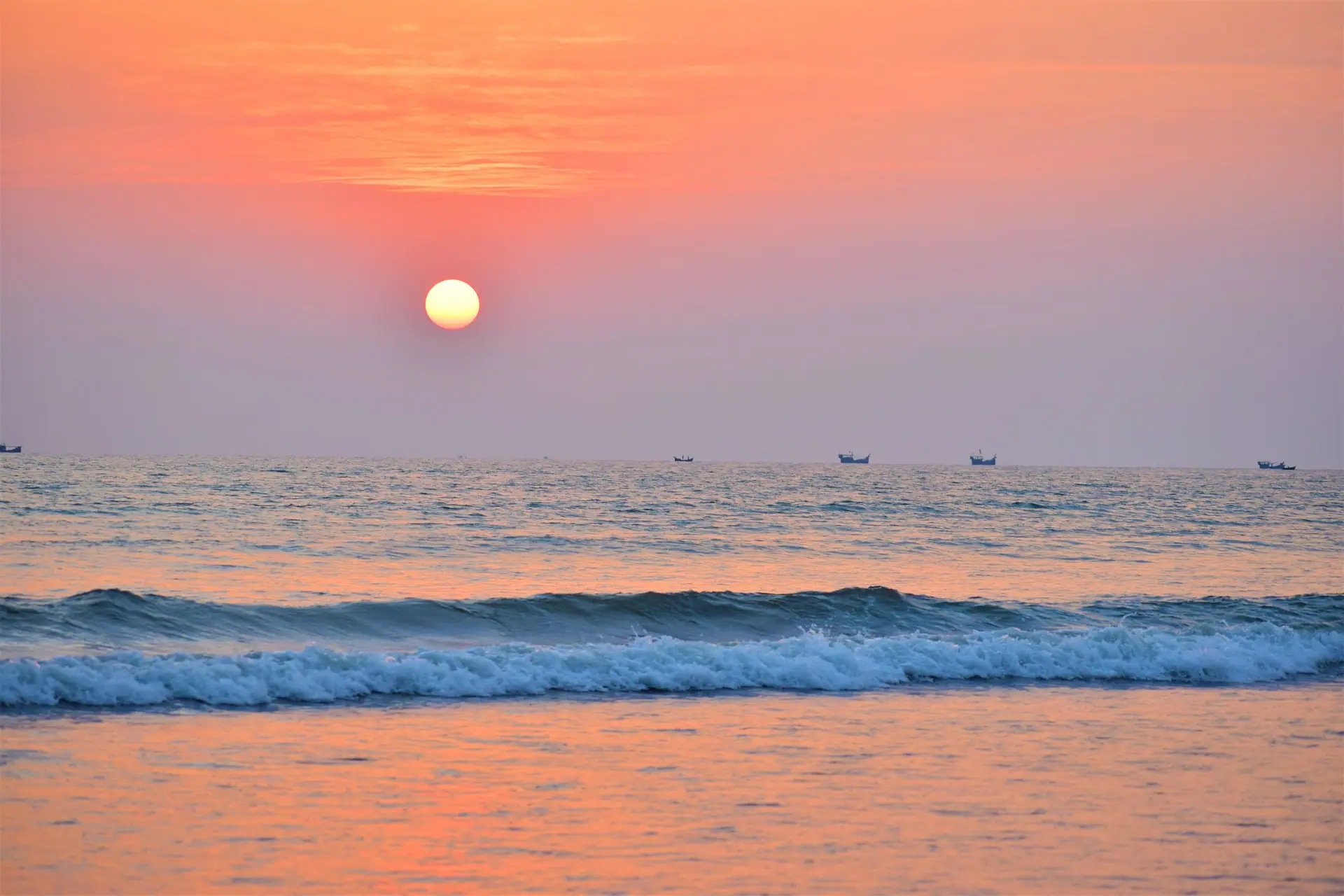
Found your place? Book the room.
Availability and live prices open in the IMPT app, with your dates and guests.
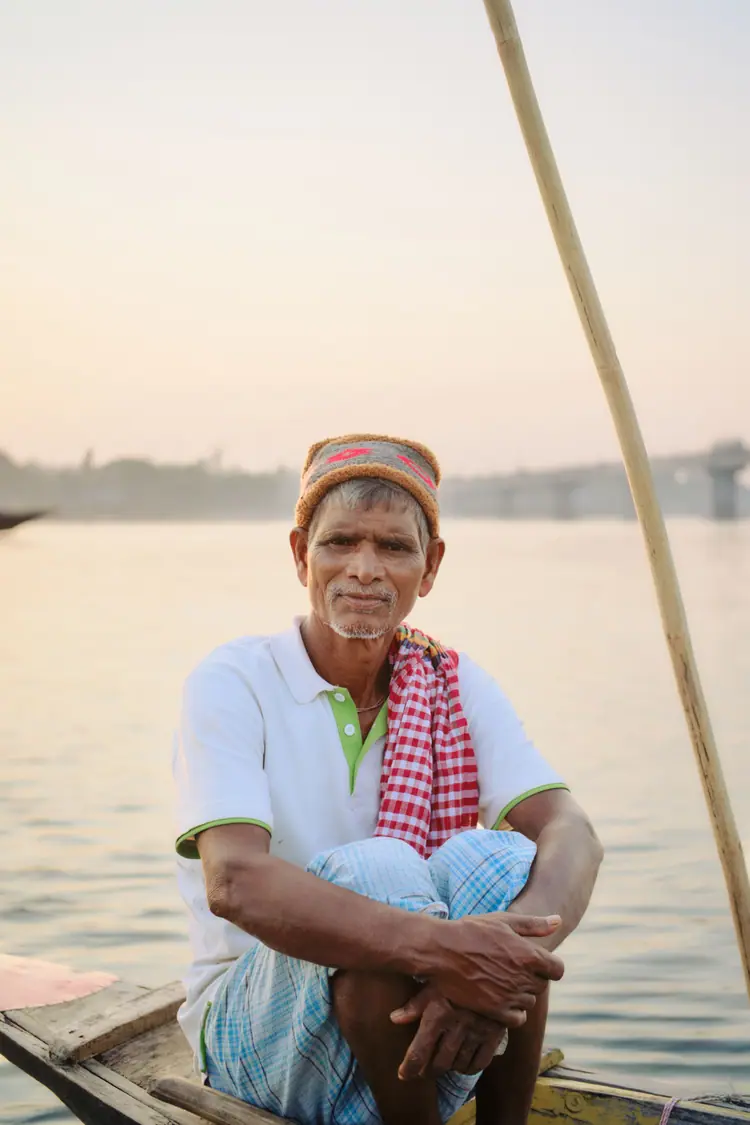
Things to do
The three experiences that define a trip here — a mangrove cruise, a morning in Old Dhaka and a walk through the tea gardens — plus what else is worth the detour.
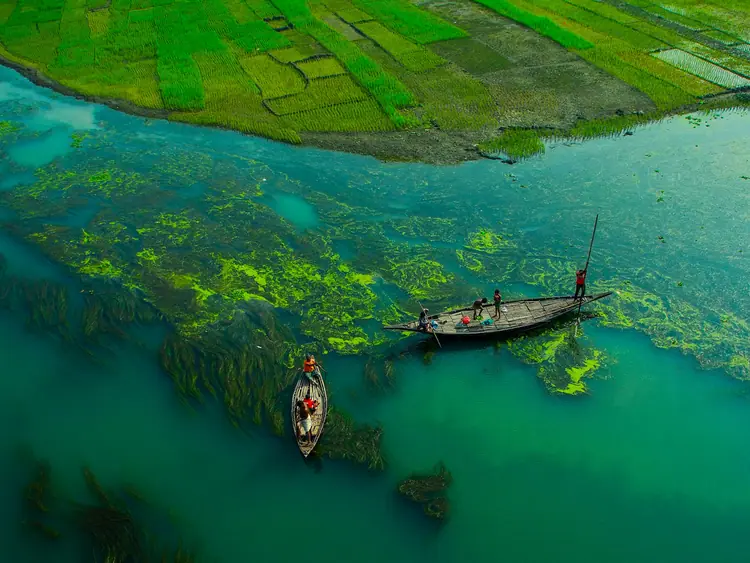
Guides
Itineraries, transport and arrival — the practical planning that turns a complicated country into an easy trip.
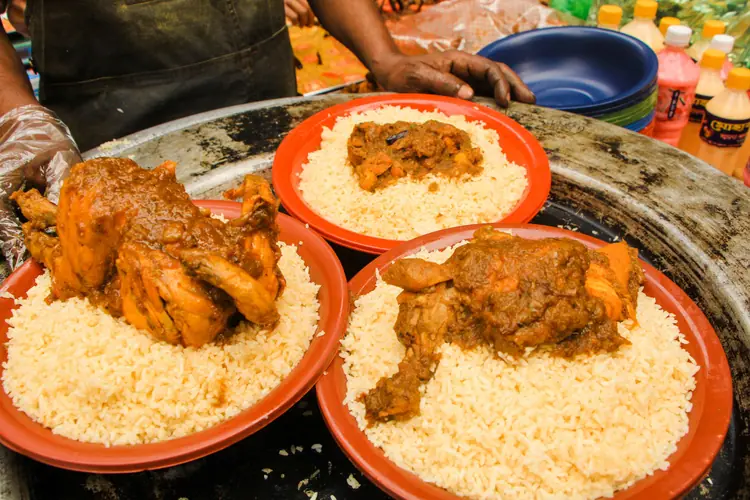
Blog
When to go, what to wear, what to eat and how safe it is — the questions every first-time visitor asks, answered plainly.
Photo credits: Mehrajul Karim on Pexels; Shubhra Dhar on Pexels; Musaddek Sayek on Pexels; Tanha Tamanna Syed on Pexels; Md.Omar Faruk Hemal on Pexels; Kritzolina, CC BY-SA 4.0, via Wikimedia Commons; ROCKY, CC BY-SA 4.0, via Wikimedia Commons; UserTanvirSdq, CC BY-SA 4.0, via Wikimedia Commons; Saad Bin Hasan on Pexels; Mahidul Islam Nakib on Pexels; Picture taken by P.K.Niyogi , people removed by GreenComputer, CC0, via Wikimedia Commons; faisal arefin abid on Pexels; Toufique E Joarder, CC BY 2.0, via Wikimedia Commons; Jubair Bin Iqbal, CC BY-SA 3.0, via Wikimedia Commons; Rahul_Kumar_Sanjowal, CC0, via Wikimedia Commons; Shimul Mohammad, CC BY-SA 4.0, via Wikimedia Commons; Jubair Bin Iqbal, CC BY-SA 4.0, via Wikimedia Commons; Munir Uddin Shamim, CC BY-SA 3.0, via Wikimedia Commons; Habibullah Anan, CC BY-SA 4.0, via Wikimedia Commons; Tanweer Morshed, CC BY-SA 4.0, via Wikimedia Commons; Md. Asifur Rahaman, CC BY-SA 4.0, via Wikimedia Commons; Davidbstanley, CC BY-SA 4.0, via Wikimedia Commons; Thenameissayem, CC BY-SA 4.0, via Wikimedia Commons; Mar11, CC BY-SA 4.0, via Wikimedia Commons; Fahimrb, CC BY-SA 4.0, via Wikimedia Commons; Mahir Wasif Zious, CC BY-SA 4.0, via Wikimedia Commons; Saied Shohag on Pexels; Kabiur Rahman Riyad on Pexels; Bangladesh Nature on Pexels.