On this page
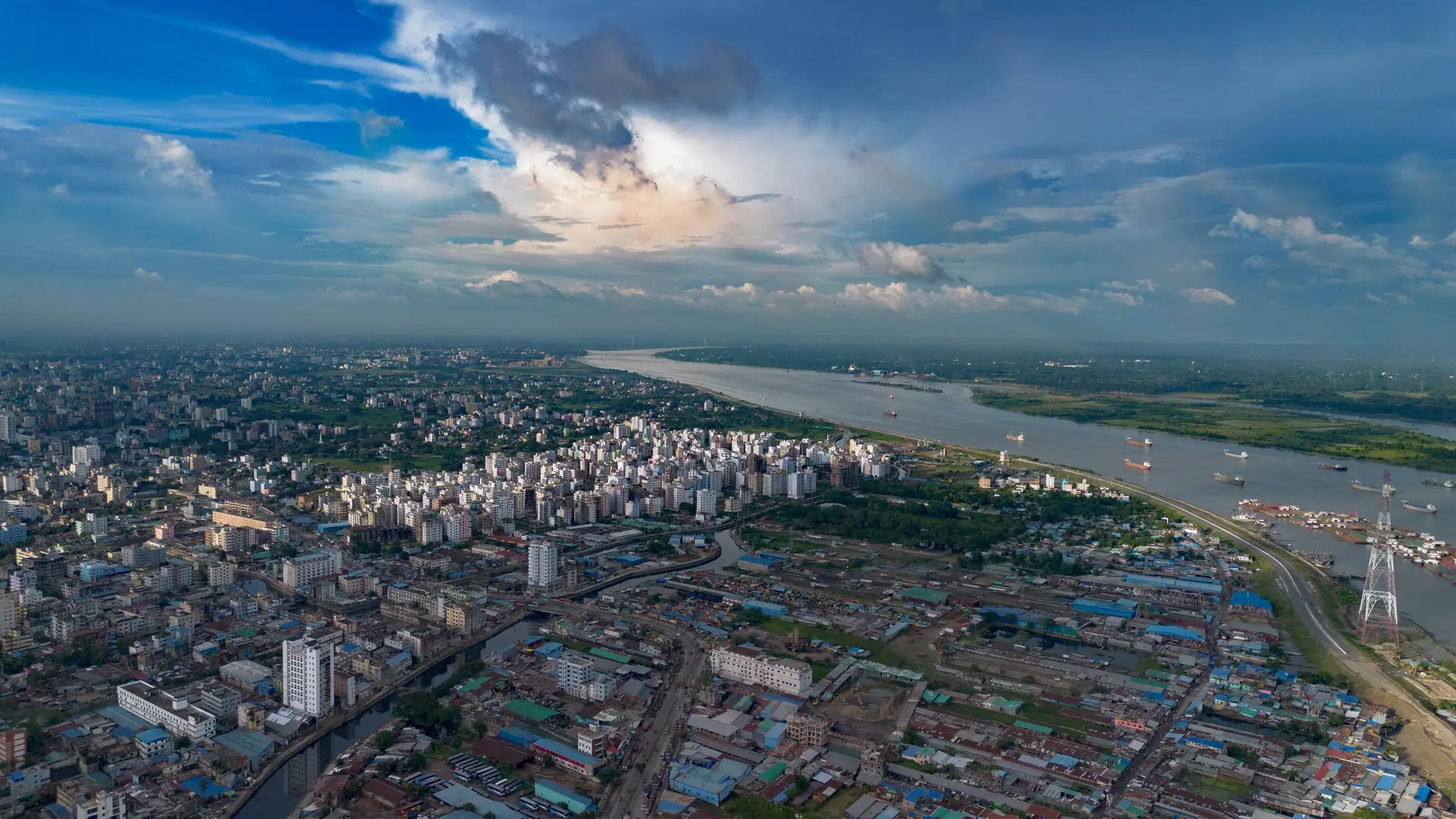
Chattogram is the country’s second city and its main seaport. It sits where the Karnaphuli river meets the Bay of Bengal, spread across low hills that give it a different shape from flat Dhaka: lakes tucked between ridges, roads that climb and drop, and views over the river from the higher streets. Most visitors pass through on the way to Cox’s Bazar or the Hill Tracts, and a short stay repays you.
The short version
- Stay in the GEC Circle and Nasirabad area for restaurants and calm, Agrabad for business and the port, and the old centre only for the station.
- Give the city one or two nights: it suits a pause between Dhaka and the beach or the hills, not as a destination on its own.
- Most sights sit inside a short ride of each other, and Sitakunda is the one proper day trip.
- Traffic, not distance, decides every transfer, so allow extra time for the airport and for onward buses.
Where you sleep matters more than in smaller towns, because the city is long and traffic is heavy. The sections below compare the neighbourhoods, then cover how to arrive, what to see, how long to stay and what to eat.
Choosing a neighbourhood
The city runs roughly north to south along the river. The old commercial heart is Kotwali, around the railway station and New Market. The modern centre, with the restaurants, hospitals and most mid-range hotels, lies in a belt around GEC Circle, Nasirabad, O. R. Nizam Road, Lalkhan Bazar and Panchlaish. Agrabad, close to the port, is the business district. Patenga, at the river mouth in the south, has the beach and the airport.
| Area | Feel | Suits | Watch for |
|---|---|---|---|
| GEC Circle, Nasirabad, Panchlaish | Modern, hilly, many eating places | A first stay, evenings out | Heavy traffic at the circle |
| Khulshi | Residential, leafy, near Foy’s Lake | Quiet nights, families | Fewer places to eat late |
| Agrabad | Offices, banks, port side | Business travel, the Ethnological Museum | Empty and quiet after dark |
| Kotwali and Station Road | Dense old commercial streets | An early train, markets | Noise and crowds |
| Patenga | River mouth, beach, airport | A late flight, sunset | Far from everything else |
For a first visit, the GEC and Nasirabad belt is the easiest choice: you can walk to places to eat, and the main sights are a short ride away. Pick Khulshi if you want a calmer street and a walk by the lake. Pick Agrabad only if your business is near the port.
The old centre and the river
Kotwali is where the city began as a trading port, and it still works that way. Around the station you find New Market, Reazuddin Bazar and the lanes of wholesale shops, with the Anderkilla mosque and the court hill close by. It is a place to walk for an hour in the morning rather than to sleep in: the streets are loud from early light, and the hotels here are mostly plain and aimed at people passing through.
Down at the river landing at Sadarghat, wooden sampans carry people and goods across the Karnaphuli. A short crossing shows you the working port from the water, with ships at the quays and cranes along the bank. Agree the fare before you step in, and keep your bag in your lap.
Getting there and around
The train from Dhaka takes about five to six hours and is the relaxed way to arrive; seats on the faster services sell out, so book early on the official Bangladesh Railway e-ticket site. Flights from Dhaka take under an hour to Shah Amanat airport at Patenga, in the south of the city. By road, Dhaka to Chattogram is five to seven hours or more, depending on traffic and the day of the week.
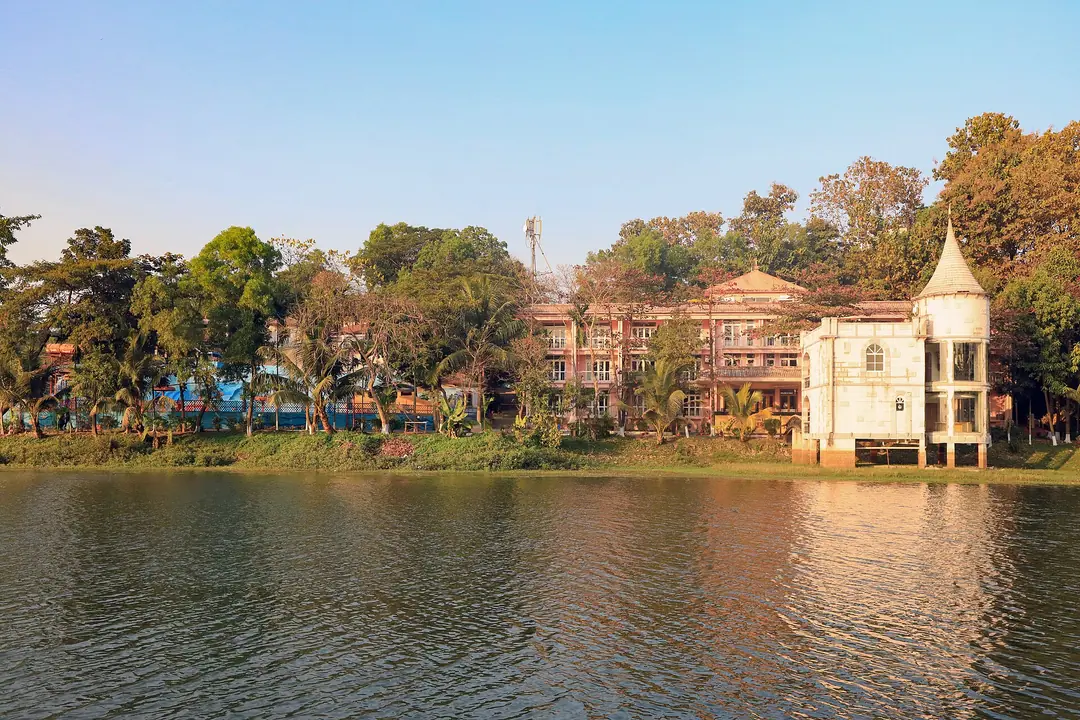
From the airport, the road tunnel under the Karnaphuli, opened in October 2023, links the Patenga side with the south bank, and an elevated expressway between Lalkhan Bazar and Patenga opened in 2024. Check current access before relying on either, since rules for vehicles change. Whatever the route, leave a generous margin before a flight or a long bus: a short distance can take hours at rush time.
Moving around the city
There is no metro or tram, so getting about means CNG auto-rickshaws, cycle rickshaws on short hops, taxis and ride-hailing apps, which work in Chattogram. CNGs are the usual choice: agree the fare before you get in, and expect the driver to refuse short rides in the evening rush. Rickshaws are slower but handle the narrow streets of Kotwali and the lanes behind the markets, where cars barely move.
The hills make walking harder than the map suggests. A walk from GEC Circle to Foy’s Lake looks short and is not pleasant in heat, with few pavements and heavy traffic. Group your sights by area, hire a car with a driver for a half-day if you want to see several of them, and keep the evening for the neighbourhood where you are sleeping.
What to see in a day
The city’s sights are modest in size and varied in kind, so a day of them is enough. Pick three or four and group them by area rather than crossing town.
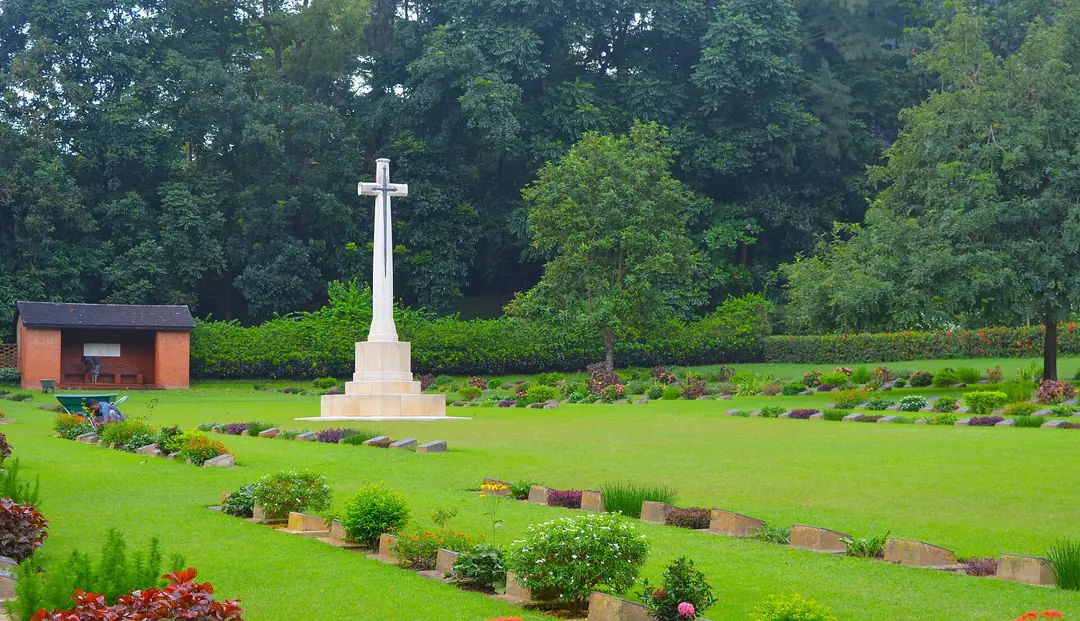
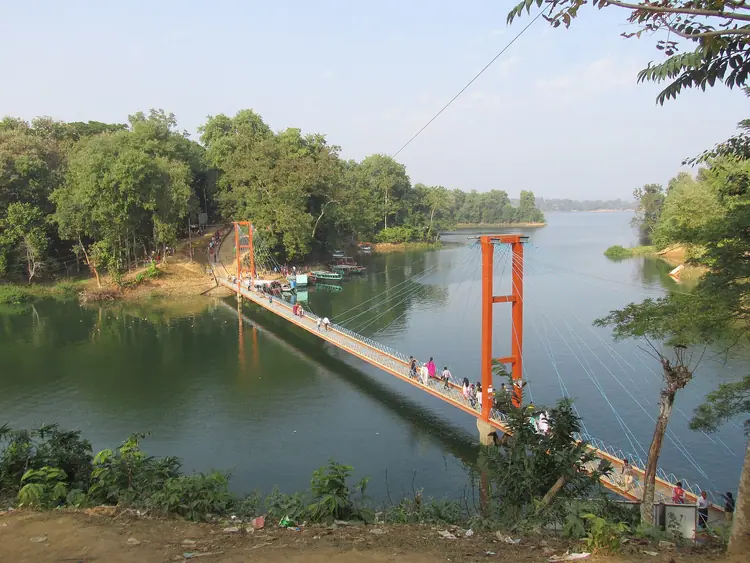
- Foy’s Lake, in the Khulshi hills: an artificial lake with paths and an amusement park on its shore, calm on weekday mornings and very busy on Fridays.
- The Commonwealth War Cemetery: lawns and rows of headstones for Second World War servicemen, quiet and well kept.
- The Ethnological Museum at Agrabad: displays on the peoples of the hill regions, a useful preview if you are heading to Rangamati or Bandarban.
- The shrine of Bayazid Bostami: a Sufi shrine with a pond where black softshell turtles are kept and fed by visitors.
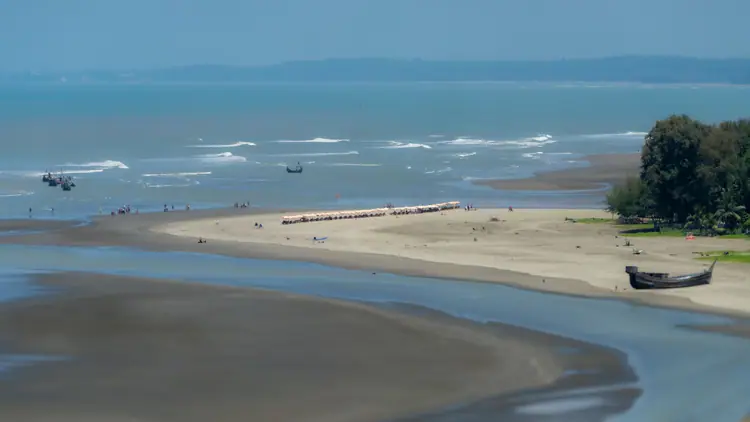
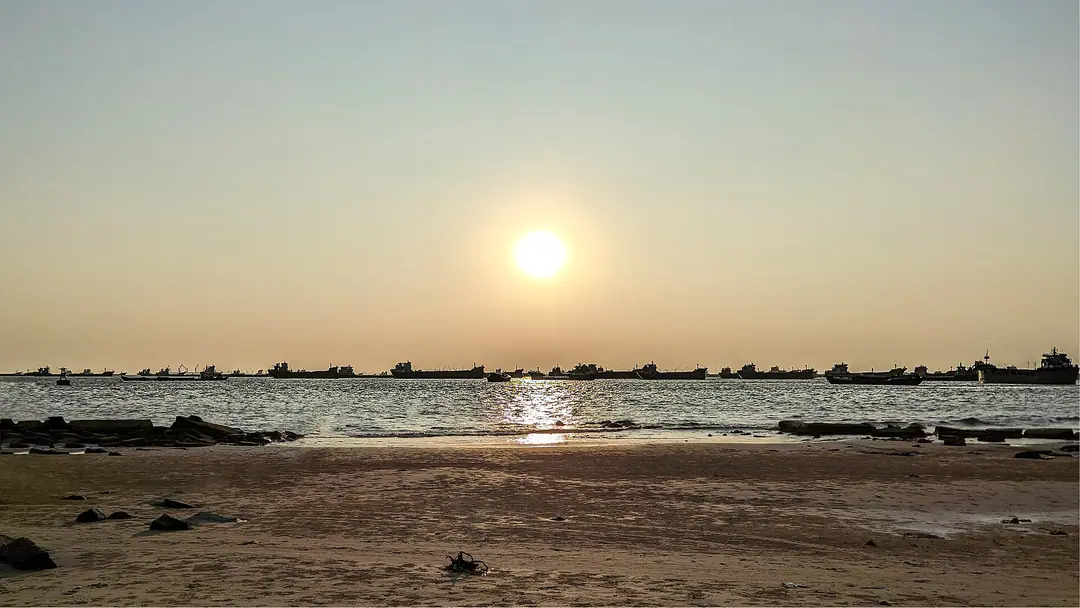
- Patenga beach: a wide, flat shore at the river mouth, at its liveliest near sunset, when families gather.
Treat Patenga as a place to walk and watch ships waiting off the river mouth rather than to swim. The water is brown with river silt, and currents at an estuary are not predictable.
Sitakunda and the coast
The one worthwhile day trip is north to Sitakunda, a hilly stretch of coast. The Chandranath hill temple is a Hindu pilgrimage site reached by a long flight of steps, with views back over the plain and out to sea. Guliakhali beach, nearby, is a quiet strip of sand and grass that is far less crowded than Patenga.
The coast road passes ship-breaking yards. They are working industrial sites, not visitor attractions, and photographing them is not welcome. Go in the morning, take water, and ask a driver you trust to wait: public transport out there is thin, and do the temple steps before the heat.
Using Chattogram as a gateway
Chattogram is the starting point for roads to Cox’s Bazar (about four hours), and to Bandarban and Rangamati (each roughly two and a half to three hours). Straight-line, Cox’s Bazar is about 106 km away, Rangamati about 52 km and Bandarban about 48 km, but roads are slower than those figures suggest. The separate guides to Cox’s Bazar, Rangamati and Bandarban cover each in detail.
How long to stay
One night is the minimum that does the city justice: arrive by the afternoon, see two sights, eat well and leave in the morning. Two nights allow the full list above plus Sitakunda. A third night makes sense only if you are waiting for hill permissions, meeting people in the port, or recovering from the road. The city is tiring in heat, and many visitors are glad of a quiet room.
Families and older travellers should favour Khulshi or the GEC belt, where the larger hotels, with lifts, are easier to find. The hilly sights involve steps, so check with the hotel which are practical. If you arrive on a late train, book a car in advance: the station area is crowded at night and not the place to start negotiating.
Food and the evening
Chattogram has its own table. Mezban is the hot, spiced beef curry of community feasts and weddings, and some restaurants serve it on ordinary days. Kala bhuna is the dark, slow-cooked beef dish the city is known for, eaten with rice or parathas. Fish from the bay and river reaches the table fresh and as shutki, the dried form.
The evening scene sits in the GEC and Nasirabad belt, where roads stay lit and busy until late. Dress modestly, carry cash for small places, and remember that alcohol is limited to licensed hotels and bars. Friday and Saturday are the weekend, so lakes and beaches fill up then and quieten midweek.
When to go
November to February is dry and cool by Bangladeshi standards, and the easiest time for walking the hills and the old streets. March warms up, and April and May are hot, with nor’wester storms. The monsoon from June to September brings heavy rain that can flood low streets, and the Bay of Bengal can produce cyclones in April to May and again in October to November, so watch the forecasts from the Bangladesh Meteorological Department. See the when to visit guide for the country as a whole.
A short plan
- Day 1 · Arrive and walk the centre
Check in around GEC Circle. In the afternoon, visit the Ethnological Museum at Agrabad, then cross the river by sampan from Sadarghat and eat dinner on Nizam Road.
- Day 2 · Hills, shrine and coast
Start at Foy’s Lake before the crowds, then the War Cemetery and the Bayazid Bostami shrine. Finish at Patenga for sunset, or take the morning for Sitakunda instead.
- Day 3 · Onward
Leave early for Cox’s Bazar by road or train, or for the hills if your permission is in place. Fly home from Patenga only with a long margin for traffic.
If your plan is a loop of the country, Chattogram fits between Dhaka and the coast; see how in the ten-day itinerary and the notes on getting around Bangladesh.
Hotels to consider
Questions and answers
Is Chattogram worth a night, or only a stop on the way to Cox’s Bazar?
One night is enough if you only want a rest and a meal between legs. Two nights lets you see Foy’s Lake, the war cemetery, the ethnological museum and a sunset at Patenga without rushing. Chattogram is not a beach destination, so most travellers treat it as a short, interesting pause in a longer journey south.
Which part of Chattogram is easiest for a first visit?
The area around GEC Circle, Nasirabad and O. R. Nizam Road. It has restaurants, shops, hospitals and a good choice of hotels, and the main sights are a short ride away. Khulshi suits a quieter stay, while Agrabad is only worth choosing when you have business near the port.
How do I get from Dhaka to Chattogram?
By train in about five to six hours, by air in under an hour to Shah Amanat airport at Patenga, or by road in five to seven hours or more. Book trains through the official railway e-ticket site as early as you can, and leave a generous margin for traffic at either end of a flight.
Can I visit Bandarban or Rangamati from Chattogram in a day?
The roads take about two and a half to three hours each way, so a day trip is tight even before permissions. Foreign visitors need permission from the district administration, usually arranged by a licensed operator or the hotel, and rules change. Treat the hills as an overnight stay and confirm the position first.
What is mezban beef and where do I try it in Chattogram?
Mezban is a peppery, slow-cooked beef curry that began as the dish of community feasts in the Chattogram region. Restaurants in the GEC and Nasirabad area often offer it, alongside kala bhuna, a dark beef preparation. Ask your hotel for a place popular with local families, and expect it to be hot.
Is Patenga beach in Chattogram good for swimming?
It is better for walking and sunset than for swimming. Patenga sits at the Karnaphuli river mouth, where silt, shipping and unpredictable currents make the water unappealing, and there is no guarantee of lifeguards. If you want a swim, Cox’s Bazar has patrolled beaches, and you should still swim only where flags show it is safe.
How long does the transfer from Chattogram airport take?
The airport is in the south at Patenga, and the time depends entirely on traffic and which road you take. The tunnel and the new expressway can help, but check current access. Many local drivers advise leaving much earlier than the map suggests, especially in the morning and evening rush.
What is the weather like in Chattogram in winter?
Dry, sunny and comfortable from November to February, with cooler mornings and evenings and clear skies. It is the easiest season for sightseeing, so hotels in popular parts of town fill up at weekends. Cyclone risk is higher in October and November, so check the forecast before you travel.