
★★★★★
Shrines, tea estates, hill-fed rivers and seasonal wetlands share the north-east of Bangladesh. Where you sleep decides which of them you can reach comfortably in a day.
Districts with enough stays for a page of their own; every other hotel of the division is in the list below.
Five-star first, then four-star, then the rest by the booking supplier’s guest score. Prices are live in the IMPT app.









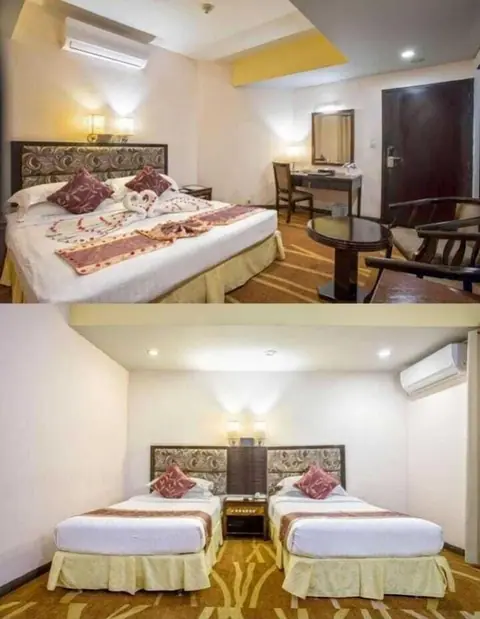



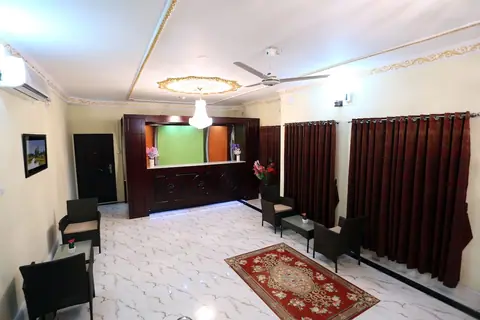
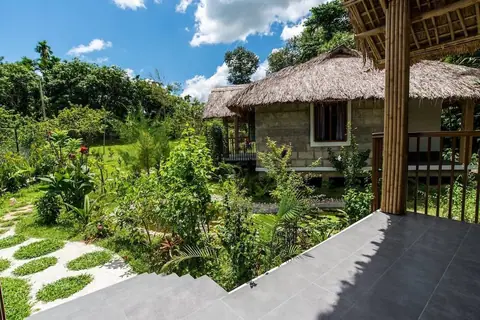







This division suits travellers who want countryside, water and pilgrimage sites in one trip. Choose Sylhet city for the shrines, an airport nearby and day trips to the northern rivers. Choose Sreemangal or Kamalganj for tea country and forest walks. Sunamganj has a few stays and serves journeys into the haor wetlands. Many itineraries combine two bases.
Sylhet Division occupies the north-eastern corner of Bangladesh, with Indian hills rising along its northern and eastern sides. It has four districts: Sylhet, Moulvibazar, Habiganj and Sunamganj. The landscape changes noticeably between them. Tea estates cover low hills, rivers come down from across the border, and broad basins called haors fill with water during the monsoon. Sylhet city is the seat and the largest centre for transport, shopping and services.
For a visitor, the division works as two main areas and a wetland extension. The first is Sylhet city and the rivers to its north and north-east. The second is the tea and forest belt of Moulvibazar, centred on Sreemangal. Sunamganj, to the west of Sylhet district, is the usual approach to Tanguar Haor. Travel between these areas takes a good part of a day once loading, traffic and stops are counted.
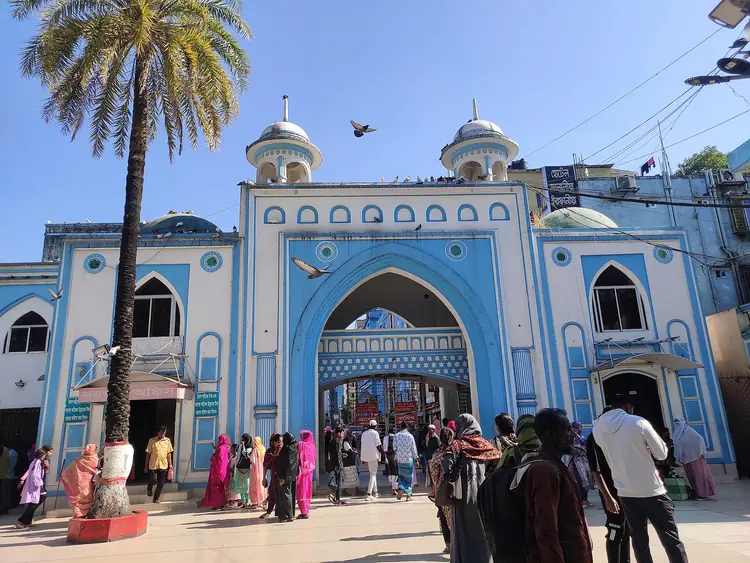
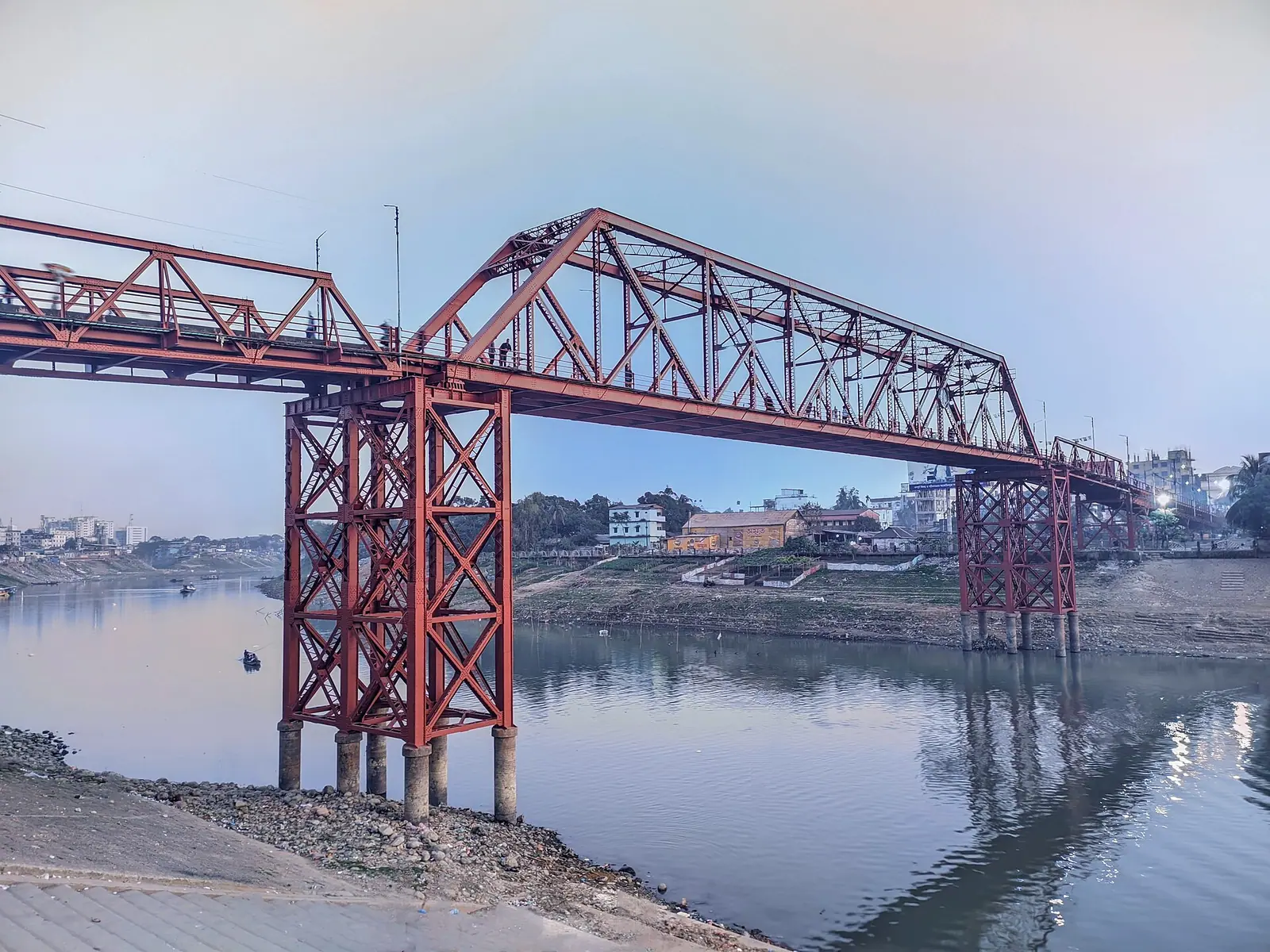
Sylhet stands on the Surma river. The shrine of Hazrat Shah Jalal draws pilgrims from across the country, above all on Thursday evenings and Fridays, and the surrounding streets of Dargah Gate become very busy then. The shrine of Hazrat Shah Paran lies east of the centre towards Khadimnagar. Keane Bridge crosses the river towards the railway station and the main bus terminal at Kadamtali. Dress modestly at both shrines and follow local guidance on where visitors may go.
Zindabazar is the central shopping district, while Ambarkhana is the junction for the airport road. Staying centrally puts shops, places to eat and onward transport within a short rickshaw or auto-rickshaw ride. The northern side of the city leads past tea gardens towards the airport and the international cricket stadium. Many British Bangladeshis have family roots in the region, so visits to relatives shape travel here, and rooms can be in demand around holidays and the wedding season.
Most river excursions start from Sylhet city and run through Gowainghat, Jaintiapur or Companiganj. Jaflong, about 33 km from Sylhet in a straight line, is known for its stony river below the Khasi hills near the Dawki border point. The road journey typically takes 1.5 to 2 hours. Lalakhal, on the Shari river, shows its blue-green colour in the dry season. Bisnakandi and Bholaganj are further places where water and stones meet the foot of the hills.
Ratargul is a freshwater swamp forest on the Goain river, seen by small boat. It is at its fullest from July to October, while winter leaves little water among the trees. Allow 1 to 1.5 hours from the city, including the road to the boat landing. Illegal stone extraction has scarred several rivers in this area, so expect working landscapes in places. Stay clear of the border, avoid photographing it, and wear a life jacket on the water.
Moulvibazar district is the division's main area for tea estates and forest. Sreemangal is a railway town with places to stay both in the centre and among gardens along the Bhanugach road and at Radhanagar, towards the forest. The Bangladesh Tea Research Institute is here, and the town is also associated with seven-layer tea. Baikka Beel, a wetland within Hail Haor, attracts birdwatchers in winter. Bicycles, auto-rickshaws and jeeps cover the local outings.
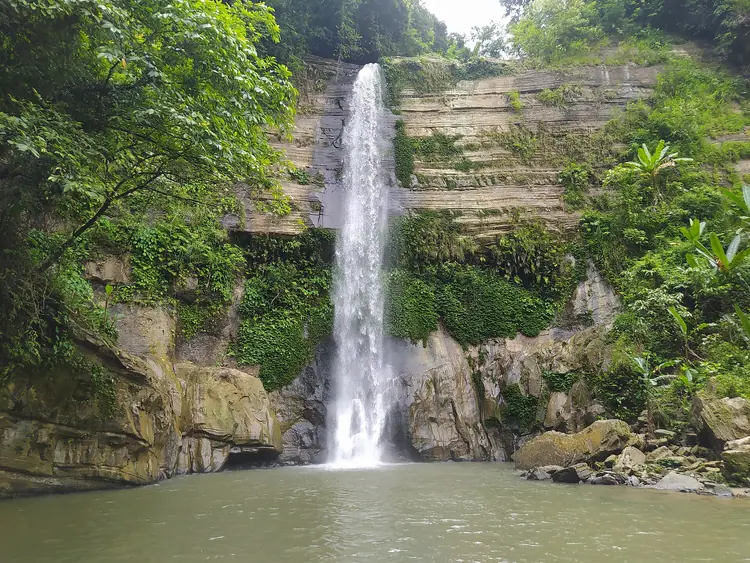
Lawachara National Park, about 65 km from Sylhet city in a straight line, is known for hoolock gibbons and has walking trails of different lengths, so you can match the route to your time. Kamalganj covers the forest's eastern side, Madhabpur Lake and Manipuri villages. Khasi communities also live in this region. Madhabkunda waterfall, near Barlekha, is a separate outing within the same district. Moulvibazar town, the district headquarters on the Manu river, suits visitors with business or family there.
Sunamganj is haor country. Tanguar Haor, a wetland of international importance under the Ramsar Convention, lies about 86 km from Sylhet city in a straight line. During the monsoon the water spreads widely and travel is largely by boat. In winter the water draws back, and birdlife becomes a major reason to visit. Sunamganj has a few stays, and some travellers also arrange nights on a boat. Check current local rules before planning either kind of trip.
Habiganj district, in the south-west of the division, includes Satchari National Park, a forest area with walking trails. It can be added to a journey between Dhaka and Sreemangal, depending on your route and transport. Services in rural parts of both districts are more limited than in Sylhet city. Carry taka in cash, drinking water and a charged phone. Confirm your return transport before setting out, particularly for boat journeys that may finish after dark.
Osmani International Airport, north of Sylhet city, handles domestic and international flights. Domestic services generally connect through Dhaka, and schedules change, so check with the carrier. Bangladesh Railway links Dhaka with Sreemangal and Sylhet, and trains also run from Chattogram. The journey from Dhaka to Sreemangal takes about 5 hours, with Sylhet further along. Buy tickets through the official site, https://eticket.railway.gov.bd/, and book early around weekends and public holidays.
Long-distance buses connect the division with Dhaka, including departures from the Sayedabad area. Road works, traffic and weather can lengthen any journey considerably. Within towns, use cycle rickshaws, auto-rickshaws and, in Sylhet, ride-hailing apps. Agree the fare before starting when no meter or app sets it. For rural sights, many visitors hire a vehicle for the day. Settle the route, waiting time and any boat arrangements in advance, and ask locally about road conditions during the rains.
November to February is dry and cool, which makes road travel and forest walking easier. It is also the season for winter birds. Fog can delay transport in late December and January. March turns warmer, and April and May are hot, with storms. The monsoon from June to September brings full rivers, green hills and heavy rain, especially around Sreemangal. Floods can disrupt travel, so follow the Bangladesh Meteorological Department. October is a transition month with rain easing.
Match the base to your main interest. For Jaflong, Ratargul and Lalakhal, sleep in Sylhet city or along those routes after checking the exact location. For Lawachara, Madhabpur Lake and tea gardens, choose Sreemangal or Kamalganj. A town-centre room helps with train connections, while a garden property offers more space and usually needs local transport. For an early flight, look at the airport side of Sylhet. Weekends fall on Friday and Saturday, so reserve ahead.
Choose according to the main purpose of the trip. Sylhet city suits shrine visits, flights and outings to the northern rivers. Sreemangal suits tea estates, Lawachara National Park and birdwatching at Baikka Beel. With enough time, divide the nights between the two instead of making long return journeys from one base.
Allow at least four days to combine Sylhet city, one or two northern river sites and Sreemangal without rushing. Add more time for Tanguar Haor, which is better treated as a separate excursion. Monsoon conditions, holiday traffic and transfers between districts can all reduce what fits into a single day.
It depends on your plans. From June to September, waterfalls and rivers are fuller, haors spread widely and Ratargul is easier to explore by boat from July. Heavy rain and flooding can also close routes or stop boats. Keep the itinerary flexible and check Bangladesh Meteorological Department warnings.
Yes. Bangladesh Railway runs trains from Dhaka towards Sylhet, with Sreemangal on the way. Dhaka to Sreemangal takes about 5 hours, and Sylhet is further along the journey. Delays are possible. Check current timetables and sale windows on the official e-ticket website before fixing connections or hotel arrival plans.
The district permission system used in the Chittagong Hill Tracts is a separate arrangement for that region. For Sylhet Division, you need valid entry permission for Bangladesh, and local controls may apply near the border or in protected areas. Check official travel advice and ask local authorities before visiting remote places.
Pack light clothing that covers shoulders and knees, footwear with good grip and rain protection in the wetter months. A warmer layer helps on winter mornings. Take insect repellent because of dengue risk, carry safe drinking water and keep taka in cash for rural transport, boats and small purchases.
Many outings can work for families if journeys are kept manageable. Tea-country drives and shorter forest trails are practical choices. Supervise children closely near rivers, wet stones and boats, and check that life jackets fit them. Heat, rain and long road transfers are tiring, so leave rest time between excursions.
Check the Bangladesh Meteorological Department for weather warnings, Bangladesh Railway for train arrangements and the Bangladesh Tourism Board for visitor information. Your government's travel advice covers wider conditions. For boat access, forest entry and local road closures, ask the relevant district or forest authority, or your accommodation, shortly before travelling.
Photo credits: Tarunno, CC BY-SA 4.0, via Wikimedia Commons; Saifulissohel, CC BY-SA 4.0, via Wikimedia Commons; Kryesmin, CC0, via Wikimedia Commons.