01
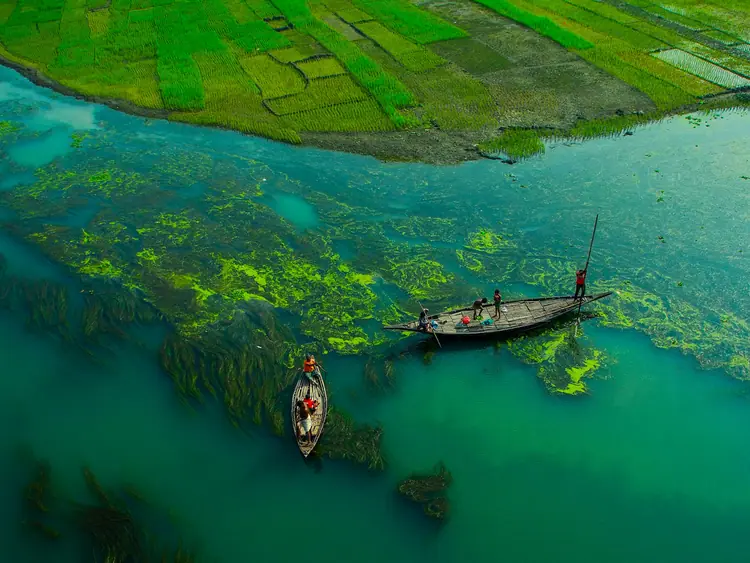
Rangamati
Boat trips on Kaptai Lake in the Chittagong Hill Tracts. Foreign visitors may need a permit.
The three experiences that define a trip here — a mangrove cruise, a morning in Old Dhaka and a walk through the tea gardens — plus what else is worth the detour.
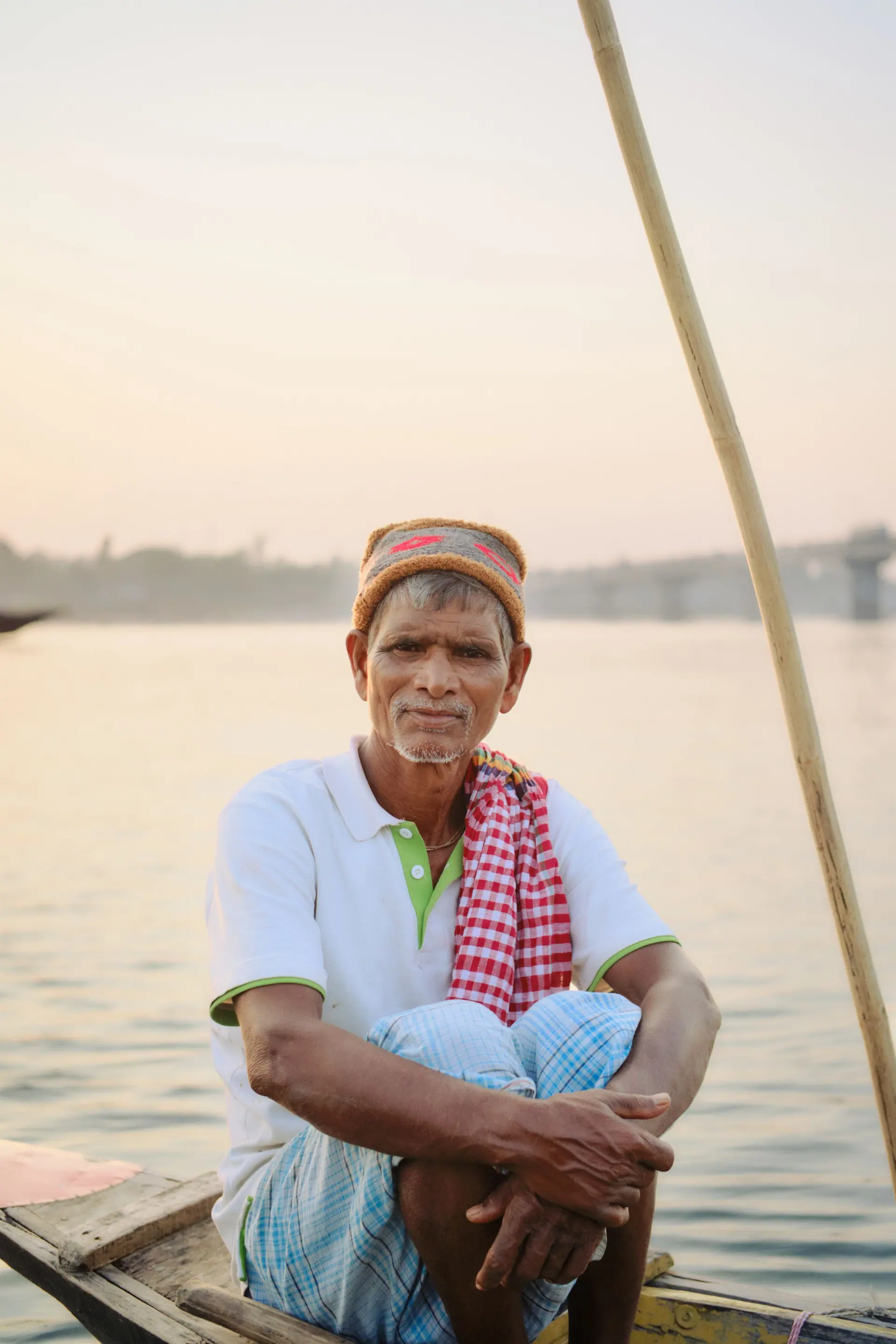
Bangladesh rewards slow travel. The best moments rarely come from ticking off monuments; they come from a river crossing at dawn, a cup of tea at a roadside stall, or a forest guard pointing out tiger tracks on a mud bank.
These guides are written for independent travellers. Each covers how long to allow, what it costs to arrange, when to go and the etiquette that makes the day smoother for you and for the people you meet.
Three experiences sum up the country better than any list of sights: drifting through the Sundarbans on a boat with cabins, a slow day in Old Dhaka’s lanes and riverfront, and an early-morning walk through the tea estates of Sreemangal.
The activities here are grouped by what you actually do: boats and forests, monuments and old cities, rivers and beaches, food and crafts. Each page says how long to allow, how to reach the place, when the season makes it better or impossible, and how to behave once you are there.
Plan around light and water. Monuments are easier before mid-morning, beaches in the late afternoon, and swamp forests only when the monsoon has filled them. Where a licensed operator, a guide or a permit is required, the page says so plainly, and where a place has a weekly closing day you are told to check it.
Most experiences here are best in the cooler months from October to March, though a few, such as a swamp forest by boat or a launch ride on rising rivers, are better after the rains begin. Each page says which months it works in, how long to allow and what to bring, from sun protection to a light layer for early boat departures.
Some places charge an entry fee and some close on one weekday, so the pages tell you to check the managing body rather than give figures that go stale. Guides and licensed operators are described only as a kind of service. Dress and behaviour matter at mosques, shrines and in villages, so the pages that need it say what is expected of a visitor. Where an activity depends on tide, river level or a weekly closing day, the page says so in plain words and tells you who publishes the current position.
13 in-depth reads. Start with the first, or jump straight to the one you need.
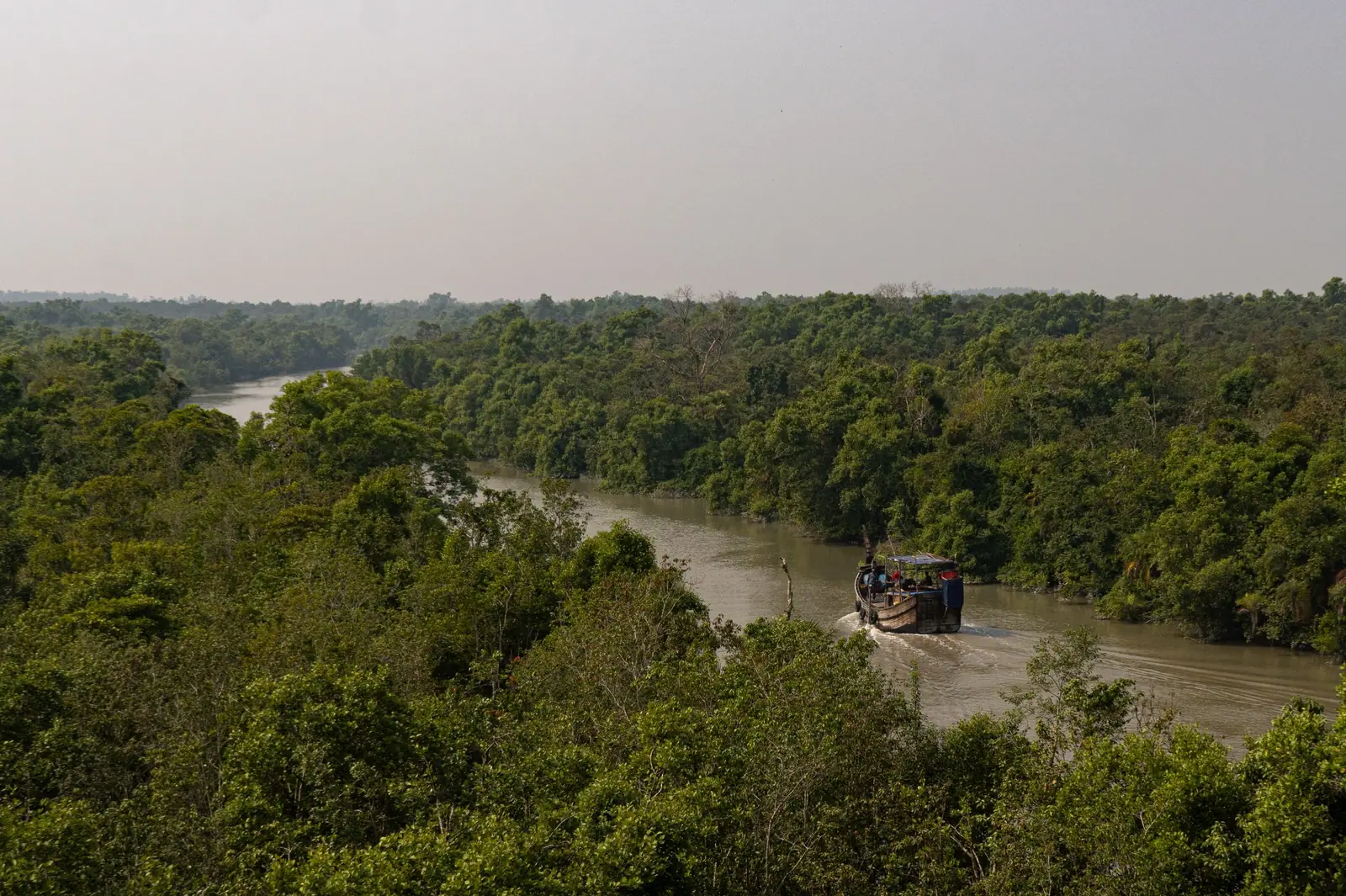 Start here01 · Wildlife · 7 min readসুন্দরবনA Sundarbans boat tripThree days on the tidal channels of the world’s largest mangrove forest — what happens, what you’ll see and how to choose an operator.Length2–3 nights on boardDepartsKhulna or MonglaSeasonNovember–FebruaryArranged byLicensed operatorsRead the guide
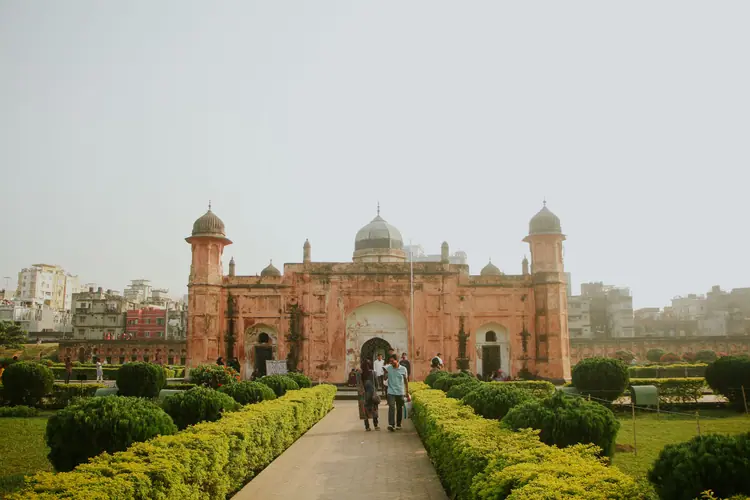 02 · Heritage
River, palaces, a mosaic mosque and the city’s best biryani — a full day through four centuries of history.
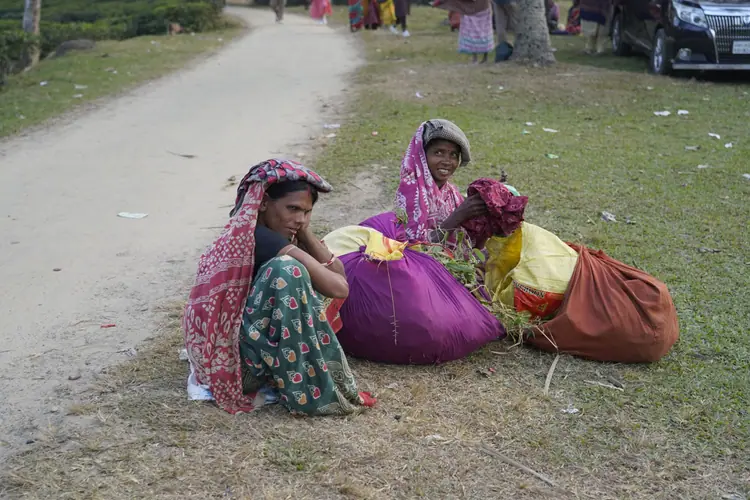 03 · Tea country
Walk between the bushes, look for gibbons in Lawachara and drink seven layers of tea — two easy days in Bangladesh’s tea capital.
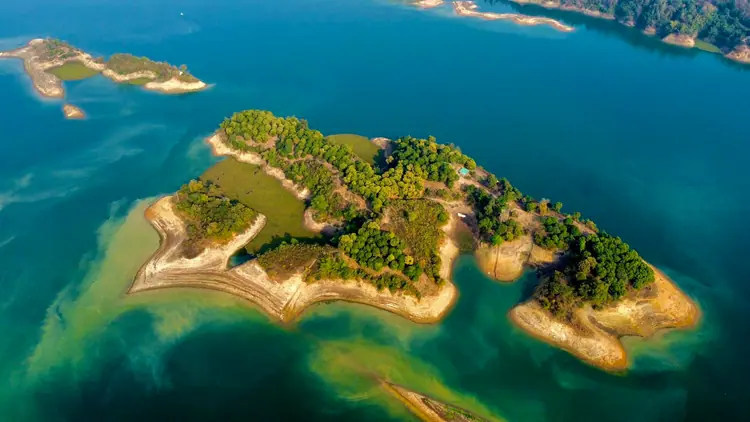 04 · The big lake
A day on the water in Bangladesh’s largest man-made lake: how to hire a boat in Rangamati, where it usually stops, why the lake exists and what to check before you go.
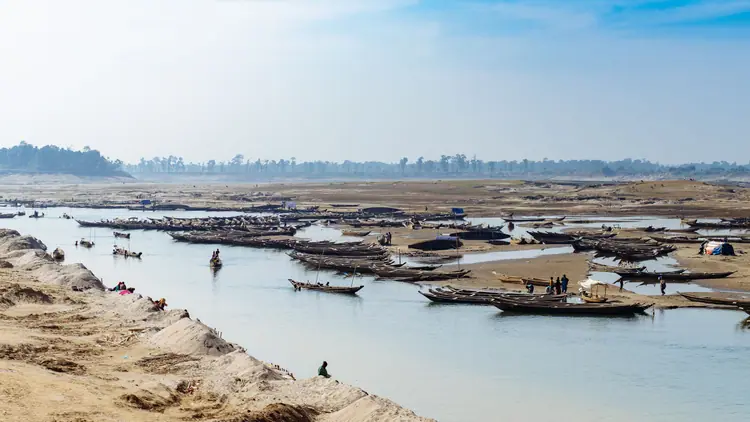 05 · Border rivers
Jaflong and Lalakhal are two river landscapes under the Khasi and Jaintia hills, an easy day from Sylhet if you start early. This guide gives the order of the day, the seasons, the border rules and the manners that matter.
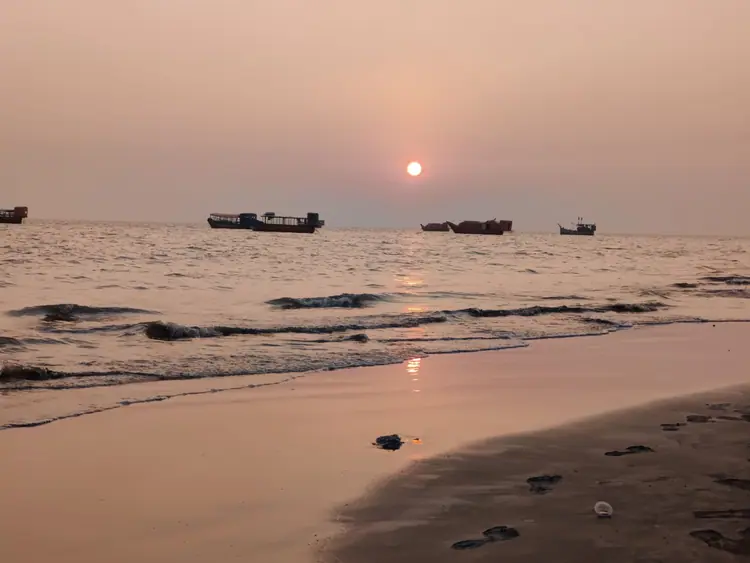 06 · Two horizons
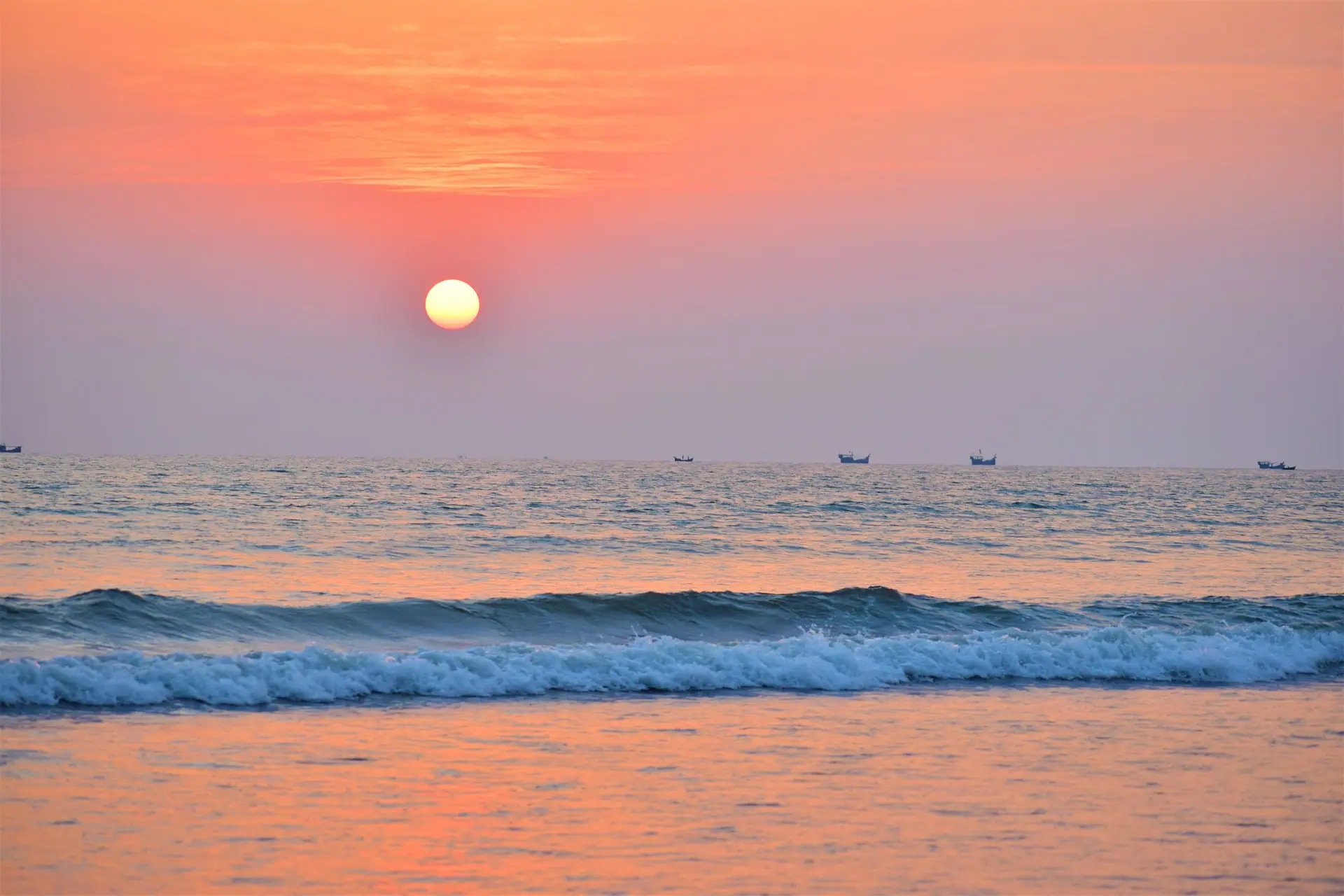
A long south-facing beach where the sun can rise and set over the water. What to do there hour by hour, from red crabs to mangrove boats and Buddhist temples, with a two-day plan.
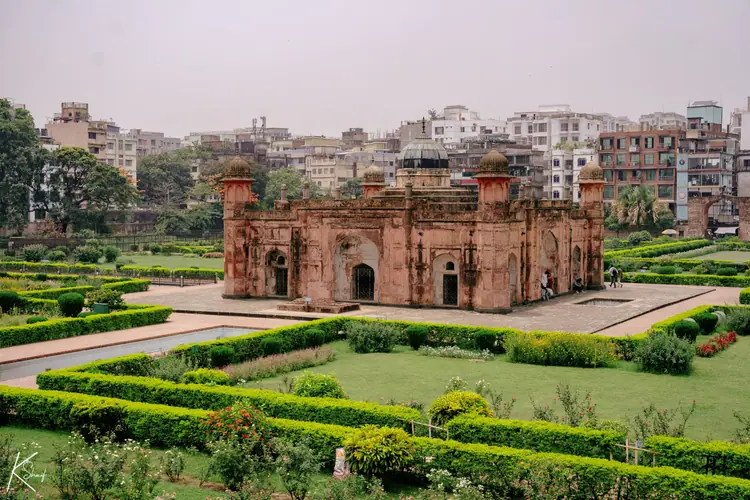 07 · Mughal and Nawab Dhaka
Lalbagh Fort and Ahsan Manzil are two monuments in Old Dhaka, one Mughal and unfinished, one a Nawab's pink palace on the river. This guide shows how to see each properly and how to fit both into half a day.
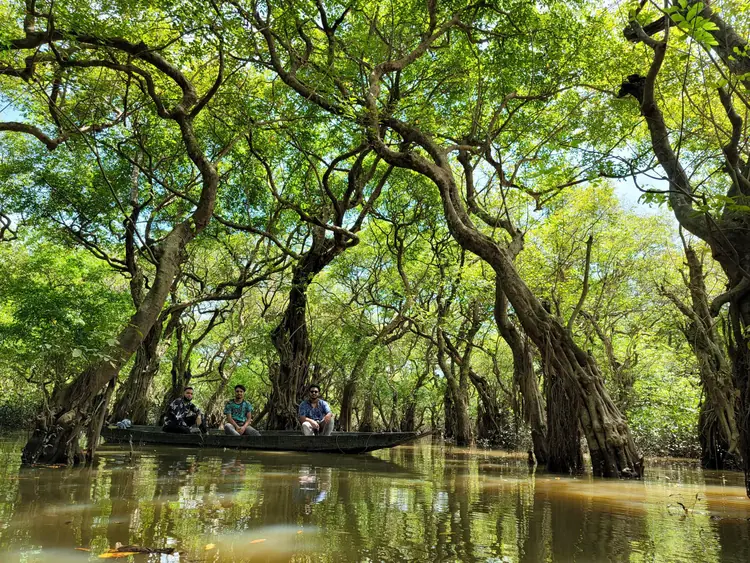 08 · Swamp forest
Ratargul is a freshwater forest that floods each monsoon, so you visit it by small boat between trees standing in water. This guide covers the ride, the season, the road from Sylhet and the manners that keep it quiet.
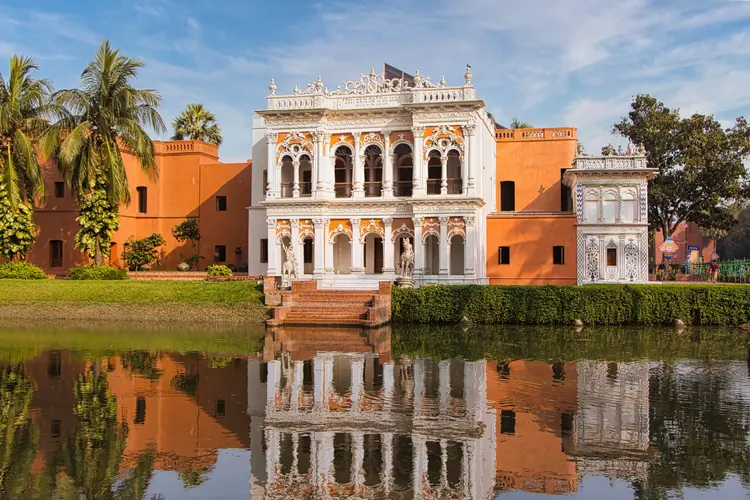 09 · Old capital
A day out from Dhaka to the medieval capital of Bengal: a street of ruined merchants’ houses, a folk art museum in a mansion, an old mosque and jamdani looms. How to go and how to time it.
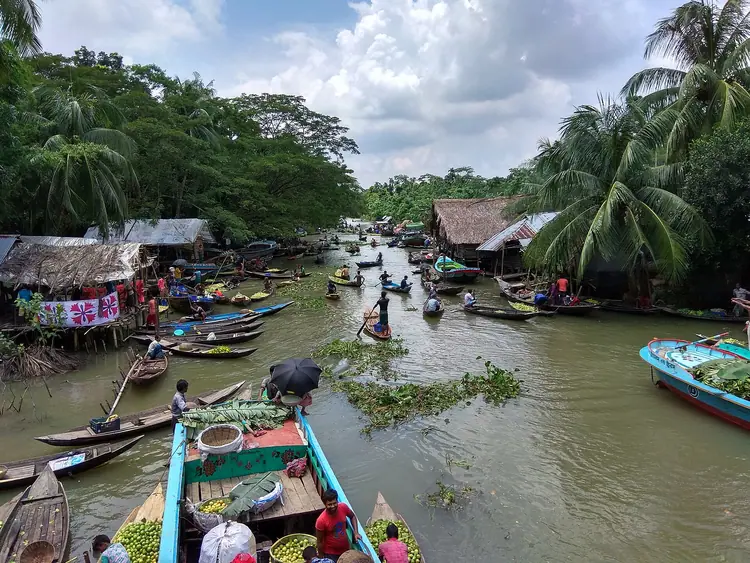 10 · Barishal backwaters
Boats loaded with guavas meet at canal junctions near Barishal each morning in the season. What the markets are, when they run, how to reach them and how to visit without getting in the way.
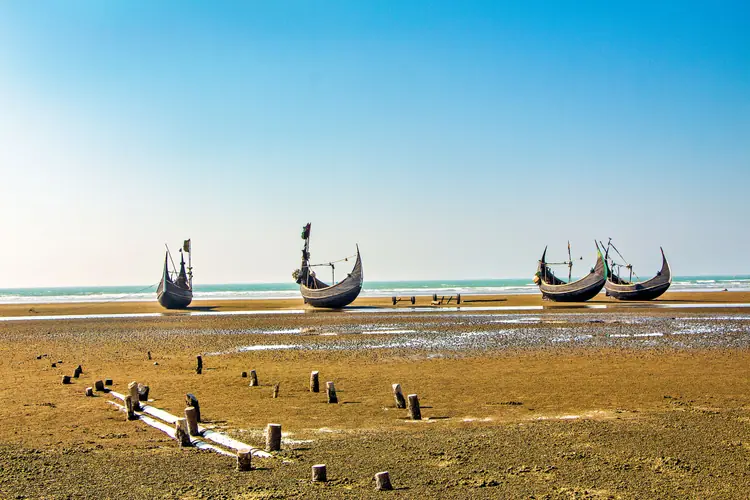 11 · Coast road
A road between hills and open sea, with a waterfall, fishing villages, a tidal creek and the rock shelf at Inani. How to do it in order, when the tide matters and where to stop.
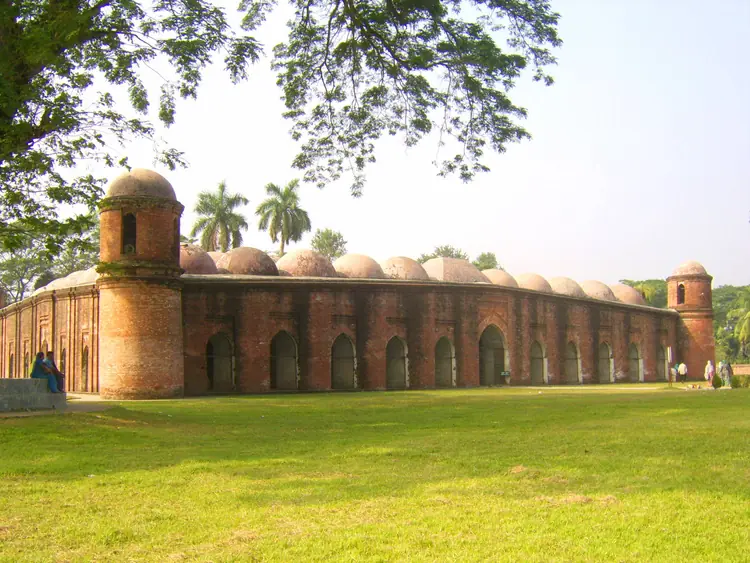 12 · Mosque city
Bagerhat is a fifteenth-century mosque city in the delta, and the Sixty Dome Mosque is its largest building. This guide covers the order of the stops, how to move between them, what to wear and when the site is busy.
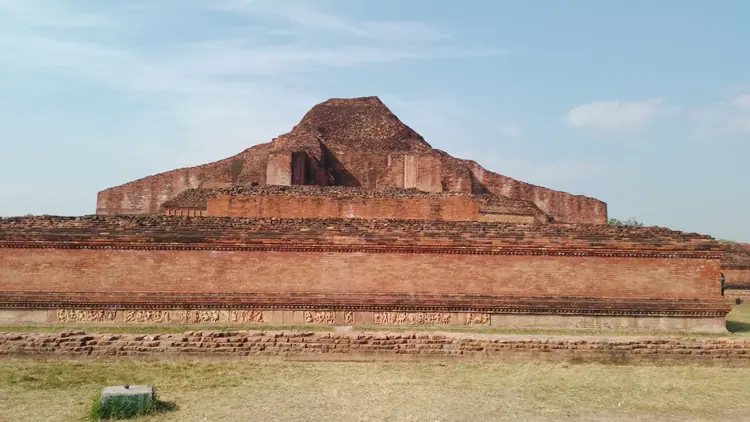 13 · Pala empire
Paharpur is the brick ruin of a vast Buddhist monastery in the far north-west, built in the late eighth century. This guide explains what you are looking at, how to reach it from Bogura, Joypurhat or Rajshahi, and how to plan the heat.
More places for travellers with extra days.
Boat trips on Kaptai Lake in the Chittagong Hill Tracts. Foreign visitors may need a permit.
A cluster of terracotta Hindu temples near Rajshahi, beautiful in late-afternoon light.
The shrine of the mystic poet Lalon Shah, busy with Baul singers during the October festival.
A two- or three-day boat trip into the Sundarbans, the world’s largest mangrove forest. Go between November and February with a licensed operator.
Short trips to the edge of the forest run from Mongla, but you won’t reach the wildlife areas. Allow at least two nights on a boat.
Not essential, but a local guide or a rickshaw driver hired by the hour makes the lanes far easier to navigate and explains what you’re seeing.
Walking is the main answer: riverside ghats at dawn, tea estate roads in Sreemangal, the beach at Cox’s Bazar or Kuakata, Dhaka’s lakes and the outside of the Parliament building. Public holidays bring processions and fairs open to everyone. Museums, forts and national parks charge entry, usually with a higher rate for foreign visitors.
The Sundarbans is the clearest case, needing a Forest Department permit and an armed guard arranged by an operator. The Hill Tracts need district permission for foreigners. Saint Martin’s needs a travel pass in its open season. National parks such as Lawachara are visited with a ticket, and a local guide for longer trails.
Choose places that the water improves: Ratargul swamp forest, the haor wetlands of Sunamganj, Barishal’s floating guava markets from about July to September, and tea country between showers. Skip sea swimming and long road days. The Sundarbans is closed to visitors from June to August, and boats should stay tied up in storms.
Yes, best on quiet lanes rather than highways. The estate roads around Sreemangal are the easiest introduction, with bicycles to hire in town. Village embankments near Sonargaon, Birishiri and the beach at Kuakata also work. Start early, avoid main roads and night riding, and carry water and a puncture kit.
Short boat rides, a rickshaw tour, the trains, Lawachara’s shorter trail, beaches with lifeguards and the lawns of Lalbagh Fort all work. Keep days short and shaded, and look for life jackets in small sizes before any boat trip. Long temple and museum circuits are better split over two visits.
Gentle ones in Lawachara and the tea hills, and longer, rougher walks in Bandarban, which lies inside the Hill Tracts and needs permission, a guide and dry weather. The path to Ham Ham waterfall near Kamalganj is a serious jungle walk. Leeches are common after rain, so wear long socks and closed shoes.
Weavers work jamdani near Sonargaon and Rupganj, potters and brass casters work around Dhamrai, and Tangail is known for sarees. Rangpur has shatranji floor weaving. Dhaka’s museums and fairs give an overview, and rickshaw painting is easy to spot in workshops. Ask before photographing people at work.
Sundarbans boats in December and January need several weeks, and holiday weekends longer. Trains open a set number of days before travel and the popular berths go at once. Guides for Lawachara or Old Dhaka can usually be arranged a day ahead. For the Hill Tracts, allow time for permission as well.
Availability and live prices open in the IMPT app, with your dates and guests.
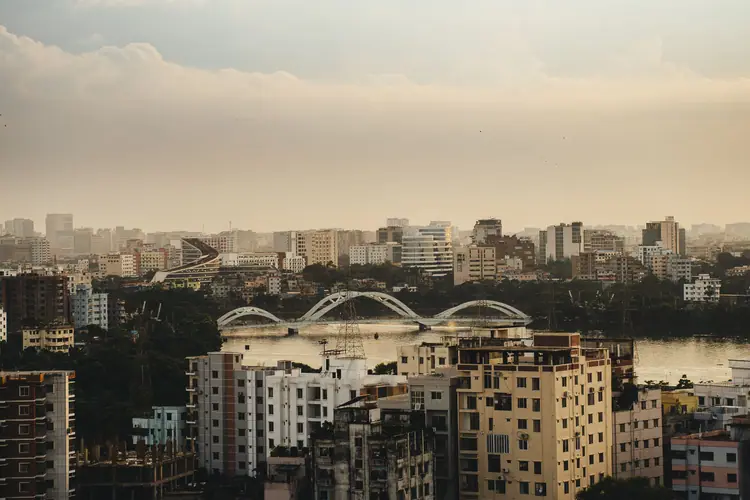
Four bases cover almost everything a first trip needs: the capital, the beach, tea country and the mangroves. Here’s who each one suits and how to reach it.
Itineraries, transport and arrival — the practical planning that turns a complicated country into an easy trip.

When to go, what to wear, what to eat and how safe it is — the questions every first-time visitor asks, answered plainly.
Photo credits: Kabiur Rahman Riyad on Pexels; Bornil Sarker on Pexels; Tanha Tamanna Syed on Pexels; A S M Atiqur Rahman on Pexels; Jacob Fring, CC BY-SA 4.0, via Wikimedia Commons; Musaddek Sayek on Pexels; Razib Hasan on Pexels; Khondokar Shaif Hosen on Pexels; Shahadat Hossain Pranta on Pexels; Chandi Saha on Pexels; Lonely Explorer, CC BY-SA 4.0, via Wikimedia Commons; Belayet UserBellayet, CC BY 3.0, via Wikimedia Commons; S M Towfiqur Rahaman on Pexels; Saied Shohag on Pexels; Mehrajul Karim on Pexels; Bangladesh Nature on Pexels.