On this page
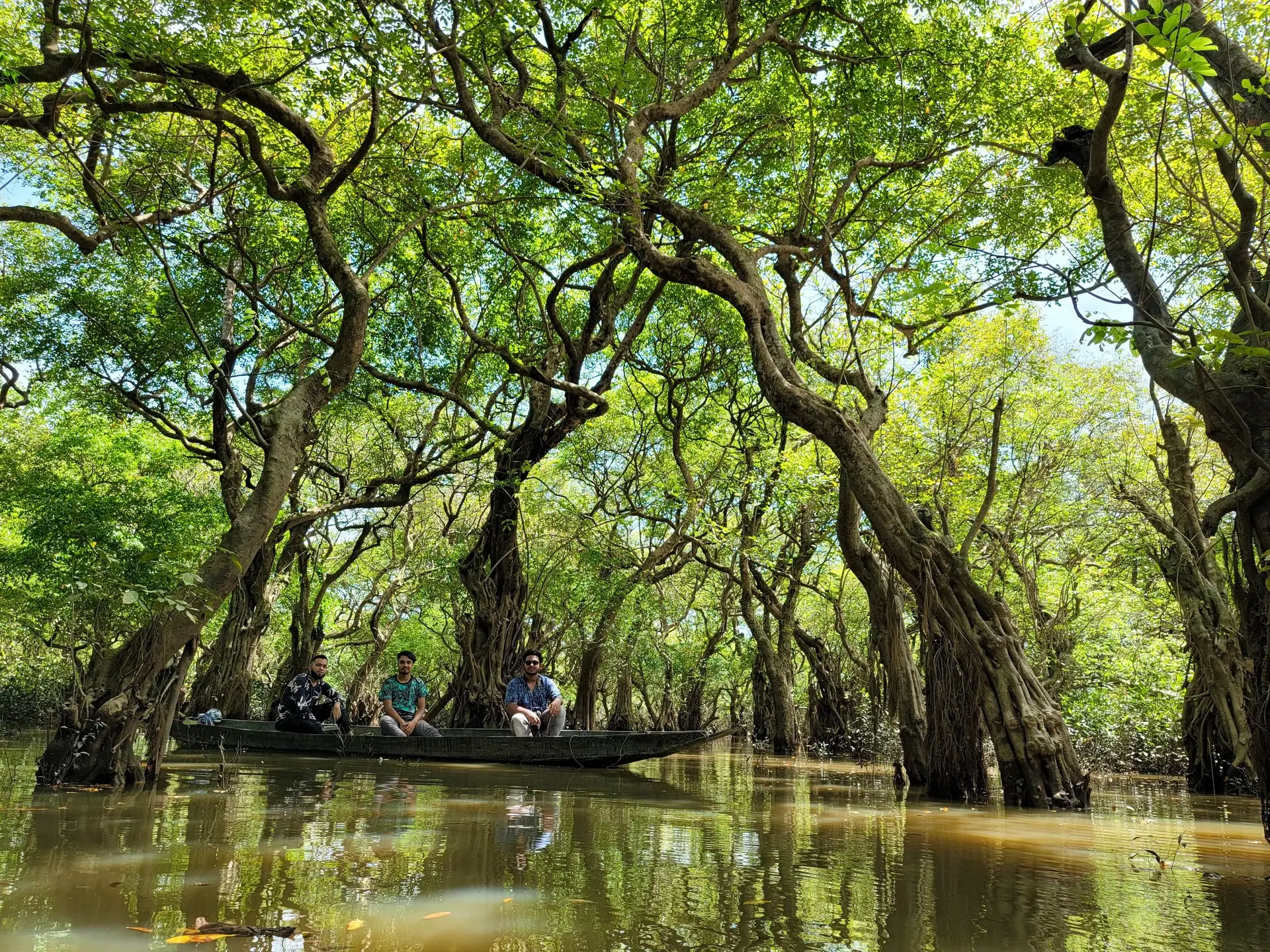
Most forests in Bangladesh are walked. Ratargul is paddled. In the rains the Goain river spills into a stand of trees and the ground disappears under still, dark water, so what you see from a boat is trunks, roots and branches standing in a green-brown mirror. It lies in Gowainghat upazila, a short distance north-east of Sylhet city, and it is one of the few places in the country where the forest itself is the route.
The short version
- Ratargul is a freshwater swamp forest on the Goain river, and the visit is a rowed boat ride between the trees.
- The forest is at its fullest from July to October; in winter there is little water and the ride can be short or impossible.
- Allow a morning from Sylhet, wear a life jacket, keep voices low and take every wrapper back out with you.
- It pairs naturally with Jaflong and Lalakhal on a second day, since all three start from Sylhet.
Because the experience depends so heavily on water, the same visit can be very different in different months. This guide is about the visit itself: how the boat trip works, when the forest is full, how to reach it from Sylhet, how to behave on the water and what to pack. For the wider question of where to base yourself in the north-east, read the Sylhet area guide.
What Ratargul is
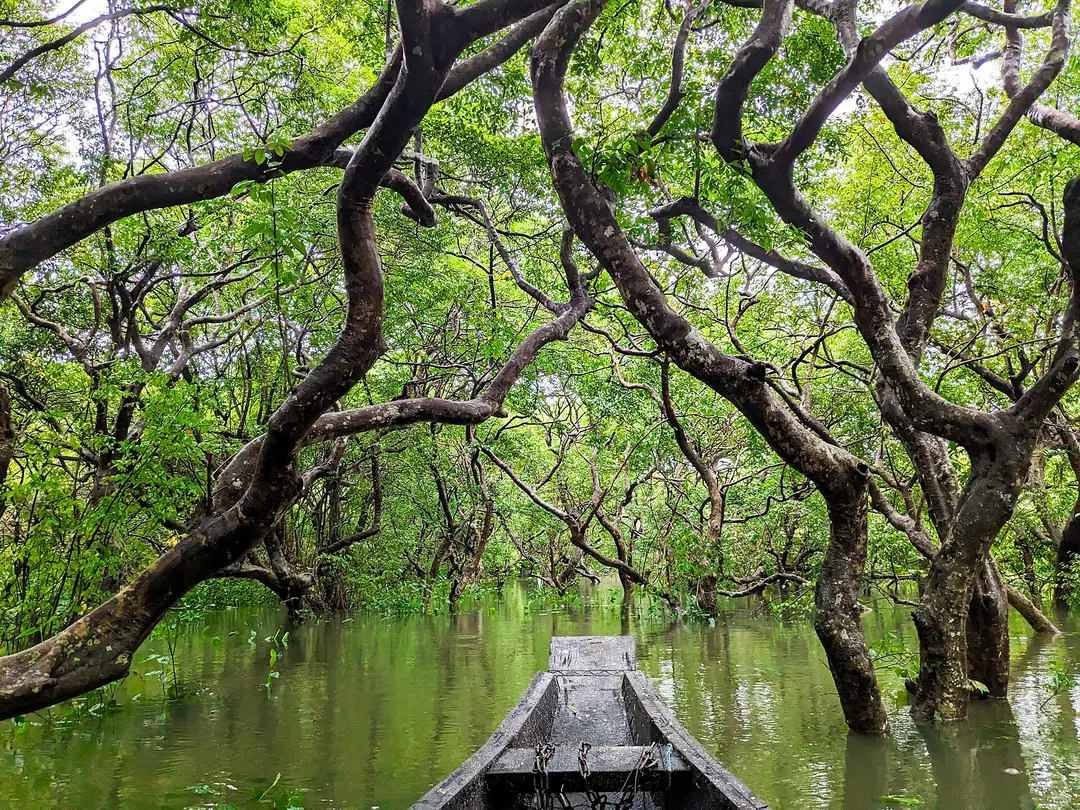
Ratargul is a freshwater swamp forest, a type of woodland that sits in a low basin and floods for part of the year. The two trees people name most often are koroch and hijal, both adapted to standing in water for months. Their roots and lower trunks are wet through the monsoon, and the canopy closes overhead until the forest feels more like a corridor than a wood.
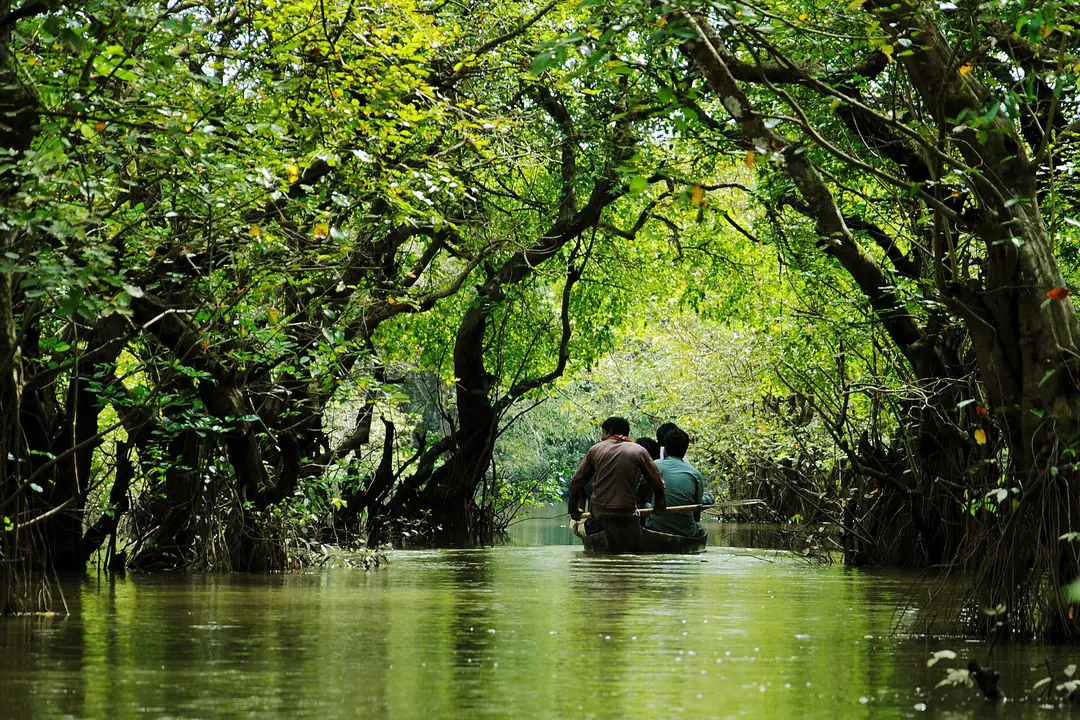
It is not a theme park and not a nature reserve with a visitor centre. It is a working natural area that happens to have a landing and boat owners nearby, and its rules and facilities are set by the authorities and can change. Treat it as a quiet place with a few basic services and plan accordingly.
Birds are the usual wildlife that visitors notice: kingfishers on low branches, egrets and herons at the edges of the water, and a lot of small movement in the foliage. Snakes and insects are part of any wet forest, so keep your hands inside the boat and your eyes on where the boatman steers. Nobody can promise a particular animal on a particular morning.
How the boat visit works
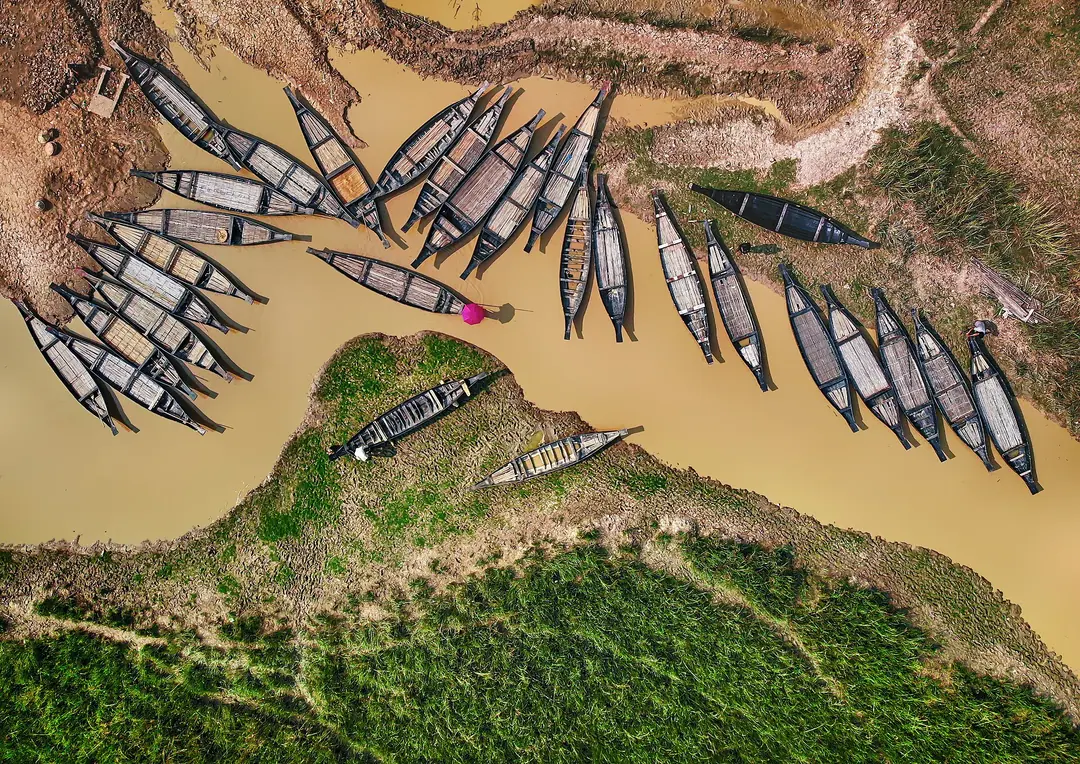
You arrive at a landing on the river, where wooden boats wait for passengers. A boatman rows or poles the boat and you sit on a plank or a low seat under a simple cover. Ask before you board what the price covers, how long the ride lasts and where it goes, and agree it clearly so there is no discussion later. Boats are shared by a small group, not packed.
Entry arrangements, ticketing and boat rates are decided locally and the forest authorities can change them, so treat any figure you read online as out of date. Carry taka in small notes, because there is nothing to pay with once you are on the water. Mobile coverage is usually fine near the landing, but do not count on it deep in the trees.
Most rides run for an hour or two, depending on the water, the boatman and how long your group wants to sit still. The finest minutes are often the quiet ones, when the boatman stops rowing and you drift between trunks and listen. If the boat ahead of yours is playing music, ask your boatman to steer away from it.
Water level by month
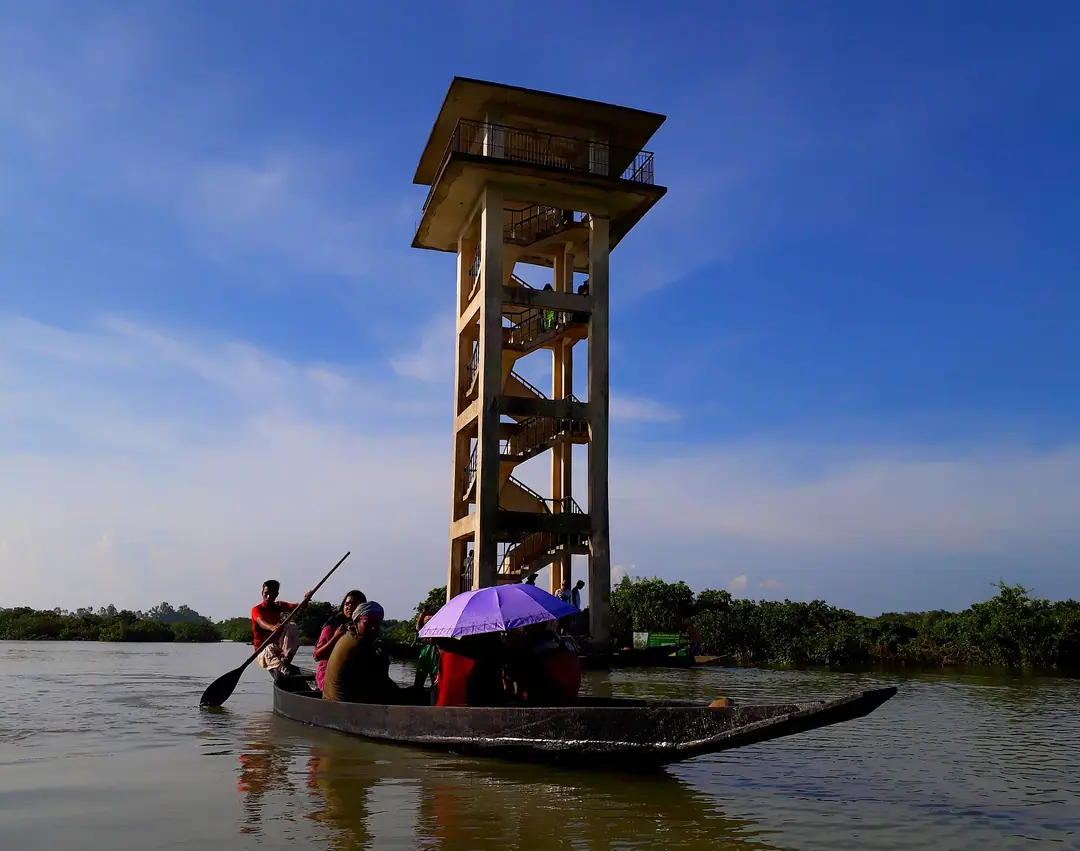
The sentence to remember is simple: more water means a better forest. July to October is the period when Ratargul is fullest, and in winter there is little water. The table below turns that into a month by month guide. Local conditions in any single year can run earlier or later, so check with your hotel before travelling far.
| Months | Water in the forest | What it means for your visit |
|---|---|---|
| November to February | Low, with parts of the forest dry | Dry season and good weather on the road, but boat trips may be short, limited to the river or not running |
| March to May | Starting to rise after the first rains | Hot, with nor'wester storms in the afternoon; the forest is filling but not yet at its fullest |
| June | Rising fast | Monsoon rain begins; the forest is flooding and the boat ride becomes more interesting by the week |
| July to September | High, trees standing in water | The classic Ratargul: deep water, closed canopy, the most atmospheric ride, with rain and humidity |
| October | Falling | Rain is easing and the water is still enough for the boat; cyclone warnings in the Bay of Bengal can disrupt travel, so check forecasts |
If you can only visit in winter, go anyway if Sylhet is on your route, but ask locally what the boat can actually do that week and keep your expectations modest. A dry-season visit is still a pleasant half morning by the river, though it will not look like the photographs taken in July.
Getting there from Sylhet
Ratargul is about 14 km from Sylhet in a straight line, which sounds like nothing. By road, count on roughly an hour to an hour and a half, including the last stretch to the boat landing. That stretch can be narrow and slow, particularly on weekends and holidays, when many local families come for the day. Leave early to arrive before the crowds.
The usual way is a hired car with a driver, or a CNG auto-rickshaw agreed for the round trip, with the driver waiting while you are on the water. Public minibuses and shared vehicles run towards Gowainghat, but the last stretch to the landing is the awkward part, so independent travellers on a tight schedule do better with a driver. Agree the waiting time before you leave.
Sylhet has its own airport, Osmani (ZYL), with flights from Dhaka that take under an hour, and a railway station with services from Dhaka that take much longer. For how those options compare, see getting around Bangladesh and the train travel guide. Do not plan a Dhaka day trip to Ratargul: sleep in Sylhet the night before.
A morning at Ratargul
- Before breakfast
Leave Sylhet early with a driver who knows the landing, and confirm the return time. Mornings are cooler, quieter and better for birds and for photographs.
- At the landing
Buy any ticket needed, choose a boat, agree what the ride includes and put on your life jacket. Keep cash and phones in a plastic bag.
- On the water
Sit low and still. Let the boatman take the lines he knows, stop where the trees close in and drift for a few minutes with the voices down.
- Back at the bank
Walk the landing slowly, since wet planks are slippery. Tip the boatman if you wish, take your rubbish out and have tea before the drive back.
- The rest of the day
Return to Sylhet for lunch and the city's shrines, or carry on to the stony rivers of Jaflong or the blue-green Shari at Lalakhal.
Most visitors are back in Sylhet by late morning. If you are going on to a second stop the same day, take the border rivers first thing the next day instead, because both stops are long drives and the light at Jaflong is better earlier than later.
Manners on the water
The forest is quiet because nobody makes it loud. Keep your voice low, switch off speakers and let the boatman set the pace. Some visitors shout to hear the echo or call out for birds; it spoils the visit for everybody else on the water and pushes wildlife deeper into the trees.
Take everything you bring back out again, including wrappers, bottles and tissues. Do not snap branches for a photograph, pick flowers or throw food to birds. Fishing and swimming are not part of a tourist visit. Drones need permission from the authorities, and you should assume you are not allowed to fly one unless you have it in writing.
The boatman is working, not performing. Ask before you photograph him or other people at the landing, thank him at the end and follow his directions about weight and balance. A calm, respectful group usually gets the longest and most interesting ride, since the boatman will take the quieter channels when he trusts the passengers.
What to bring
Pack for sun, rain and insects at the same time. A hat, sunscreen and a light long-sleeved shirt cover the sun and most of the mosquitoes. Insect repellent is worth applying before you board, not after the first bite. In the monsoon a light rain jacket or a small umbrella is more useful than a heavy waterproof, since showers are warm and short.
Bring a plastic bag for your phone and camera, a bottle of filtered or bottled water and some snacks in case your driver is late. Shoes with grip help on the wet landing planks. Binoculars are optional and helpful for kingfishers. Cash in small taka notes will cover boat hire, a forest ticket and a tea afterwards.
Clothing follows the usual Bangladeshi norm: cover shoulders and knees, which also protects against the sun. Women travelling alone can find the landing busy and noisy on weekends, but it is a normal family outing spot, and a driver or a guide from your hotel makes the day easier. Follow official travel advice for anything beyond the ordinary.
Where to stay before and after
Ratargul is a half-day outing, so stay in Sylhet city and treat the forest as one stop among several. Sylhet has business-style hotels in the central areas and the riverside, restaurants for a late lunch and quick access to the stone rivers further north. The area guide explains the neighbourhoods and the choice between Sylhet and Sreemangal.
If you are heading south towards the tea estates afterwards, Sreemangal is the natural next base, and you can read about it in the tea trail guide. Fog and rain can slow the road, so build in a buffer if you have a train or flight the same day. The better travelling months are November to February.
A good rhythm is two nights in Sylhet: Ratargul on the first morning, the border rivers on the second, and the shrines or the Keane Bridge on the Surma in the late afternoons. Pick a hotel near the central roads rather than out of town, since early starts are easier when the drive is short.
Questions and answers
Is Ratargul swamp forest open all year?
The area can usually be visited at any time, but the experience changes with the water. July to October gives the fullest forest, while in winter there is little water and boat rides may be short or unavailable. Rules and entry arrangements are set locally and can change, so ask your hotel in Sylhet before you travel out.
How long does the boat ride at Ratargul last?
Most rides last between one and two hours, depending on the water level, how far the boatman goes and how long your group wants to stay still among the trees. Agree the length and what is included before boarding, so the price and the route are clear to everybody on the boat.
Can you swim at Ratargul swamp forest?
Swimming is not part of a visit and is not a good idea. The water is deep in places, the boats are small and the forest is a protected natural area. Stay seated in the boat, wear the life jacket offered and keep your hands inside the boat as it passes between branches.
Do you need a guide to visit Ratargul swamp forest?
A formal guide is not needed, because the boatman steers and knows the channels. A driver or hotel contact in Sylhet is more useful, as they can confirm the water level, arrange transport and wait for you. If you want help identifying birds, ask your hotel for a naturalist before you go.
Is Ratargul suitable for children?
Yes, if they are happy to sit still for an hour or two. Children should wear life jackets in the right size, stay seated and keep their hands inside the boat. Bring water, a hat and insect repellent. Avoid visiting at midday in the hot months, when the cover and the boat give little shade.
Can you do Ratargul as a day trip from Dhaka?
It is not sensible. Sylhet has an airport with flights from Dhaka and a long railway route, but the road to the boat landing adds time and the forest is at its calmest in the morning. Sleep in Sylhet the night before, visit early and fly or travel on afterwards.
What should you wear to Ratargul swamp forest?
Wear light, quick-drying clothes that cover your shoulders and knees, a hat and shoes with grip for the wet landing. In the monsoon carry a light rain jacket and put your phone in a plastic bag. Insect repellent is helpful, and a long-sleeved shirt cuts down on bites.
Is Ratargul worth visiting in winter?
It depends on what you want. Weather is dry and pleasant from November to February, but the forest has little water, so the boat ride may be short and less striking. If Sylhet is already on your route, go and ask locally; if you are travelling for the forest alone, aim for July to October.