
★★★★★
The capital sets the pace for the whole division. Around it lie forest and weekend retreats to the north, old river towns to the south-east and quieter farming districts further out.
Districts with enough stays for a page of their own; every other hotel of the division is in the list below.
Five-star first, then four-star, then the rest by the booking supplier’s guest score. Prices are live in the IMPT app.
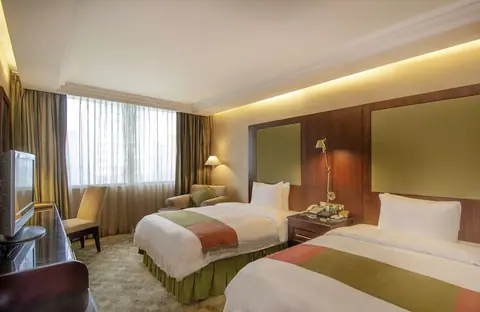
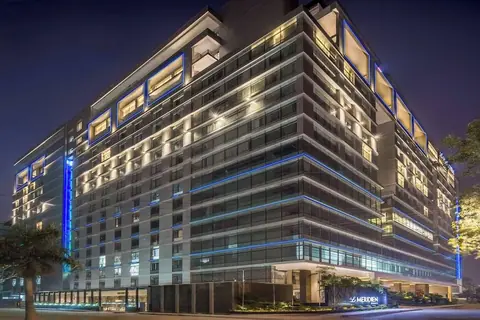

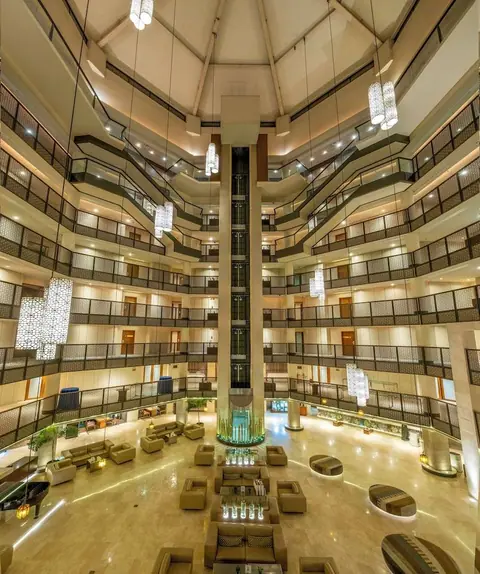
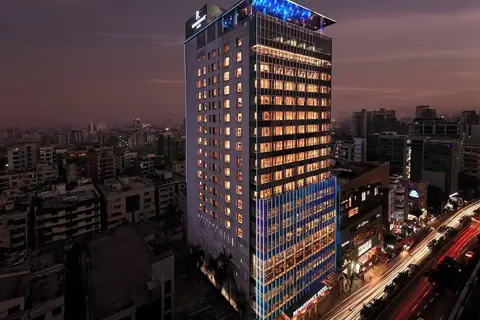
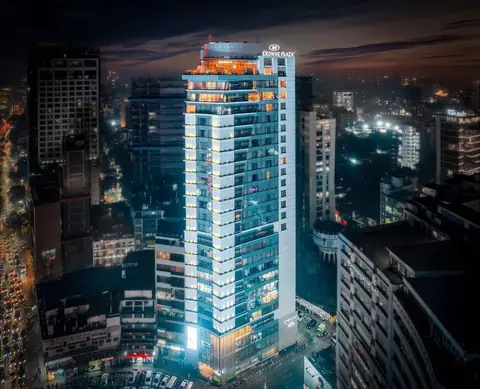
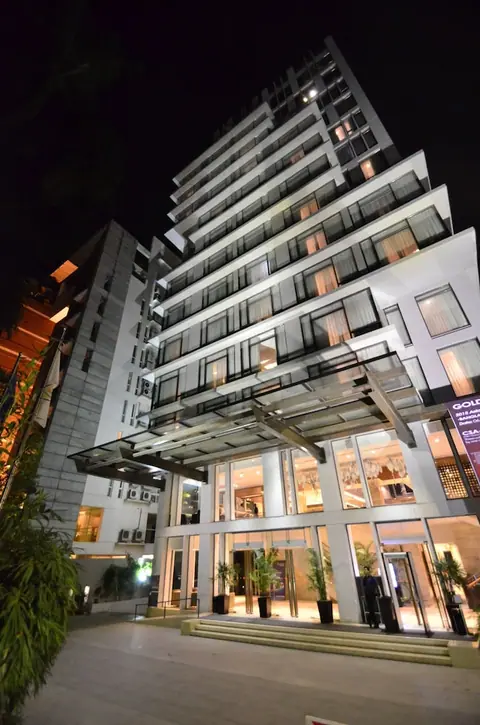


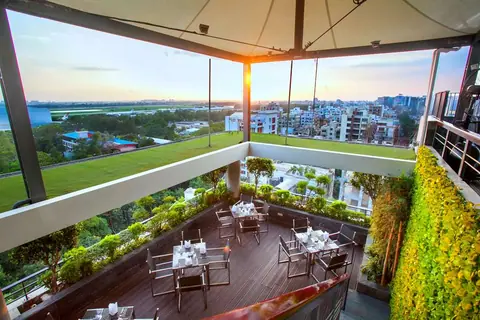
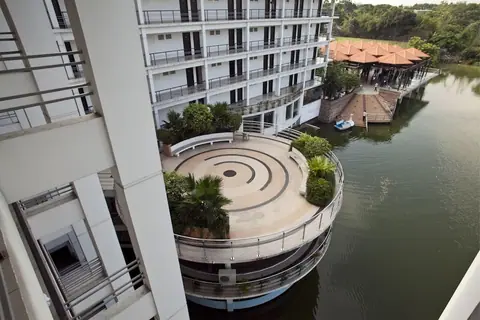

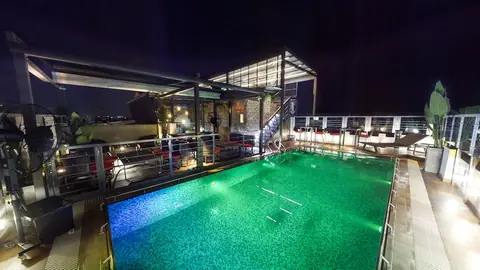
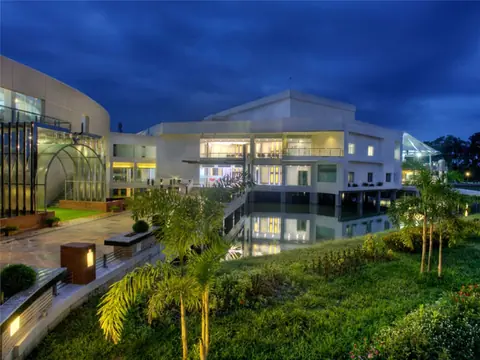

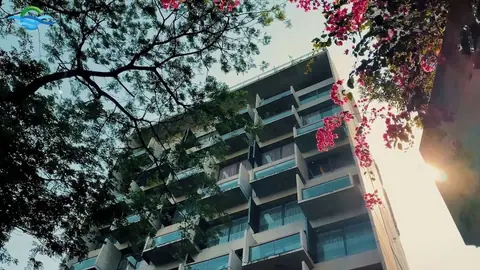
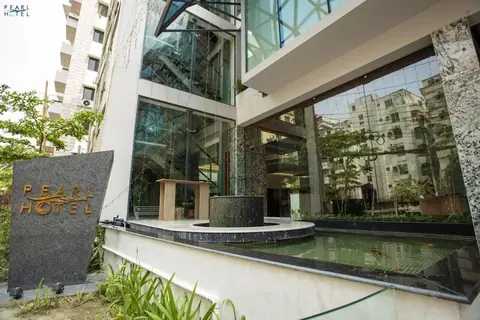


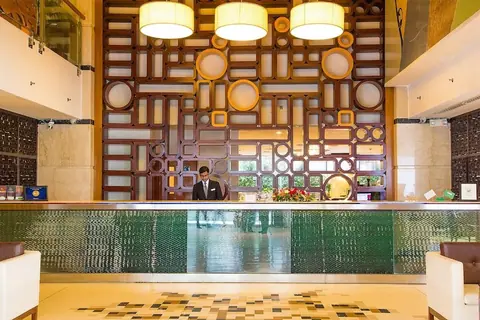
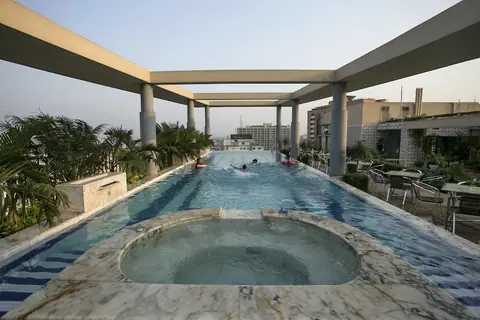
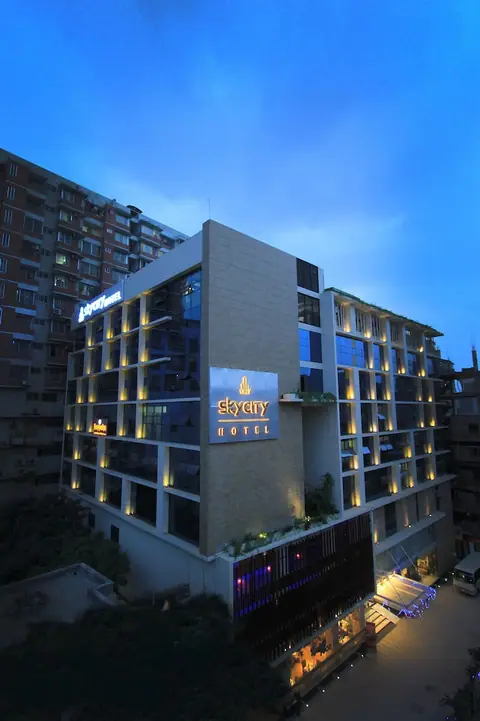
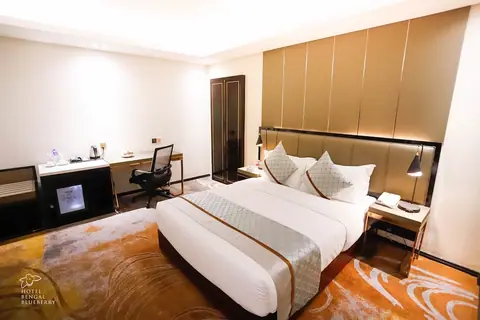
Dhaka Division suits business travellers, family visitors and anyone interested in history who can plan around traffic. Choose by the place you need to reach most often. Stay in Dhaka District for meetings, museums and the airport, in Gazipur for northern industry or a countryside break, and in Narayanganj for Sonargaon and the river towns south-east of the capital.
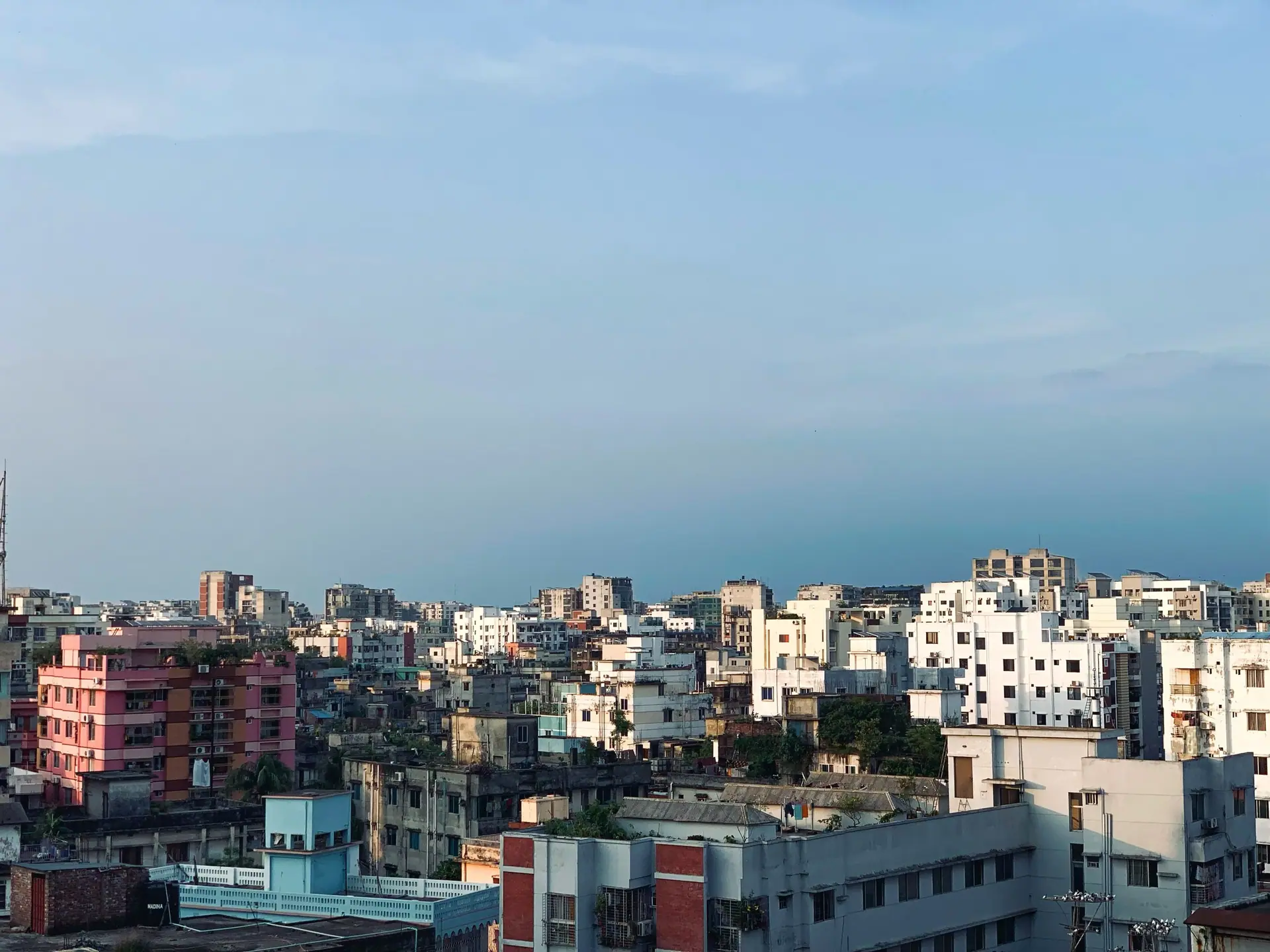
Dhaka is the seat of the division and the point from which most journeys are organised. The city is very large and dense, with an airport in the north, newer business districts around Gulshan and Banani, and the older quarters along the Buriganga in the south. Beyond the city boundary, the district continues to places such as Savar, where industrial zones, a university campus and the National Martyrs' Memorial sit along the road to the north-west.
Gazipur lies to the north, with Tongi, Joydebpur, Rajendrapur and Sreepur as the names visitors meet most. Narayanganj is to the south-east, closely tied to Dhaka by trade and rivers, and includes Sonargaon. Tangail, Kishoreganj, Manikganj and Munshiganj form a wider outer ring with fewer places to stay. Distances on a map can look short, but road congestion often decides whether an outing is comfortable, so group sights by direction.
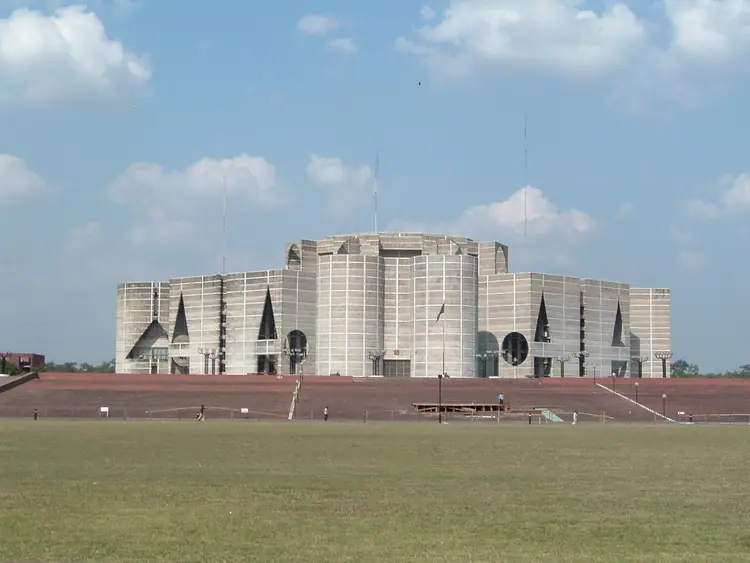
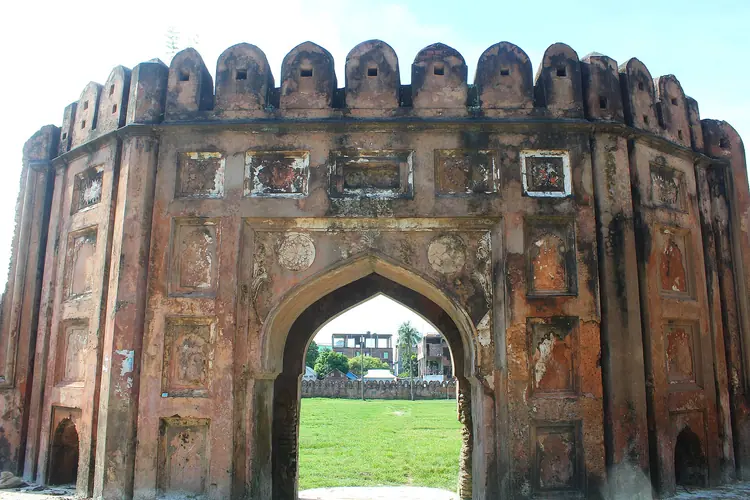
Most sightseeing is concentrated in the capital. In the south, Lalbagh Fort, Dhakeshwari Temple, the river port at Sadarghat and the narrow lanes of Shankhari Bazar show the older city. The Shahbagh side brings together the Bangladesh National Museum, Curzon Hall, Ramna Park and the Central Shaheed Minar. Further north, Louis Kahn's National Parliament House and the Liberation War Museum at Agargaon cover modern architecture and the history of 1971.
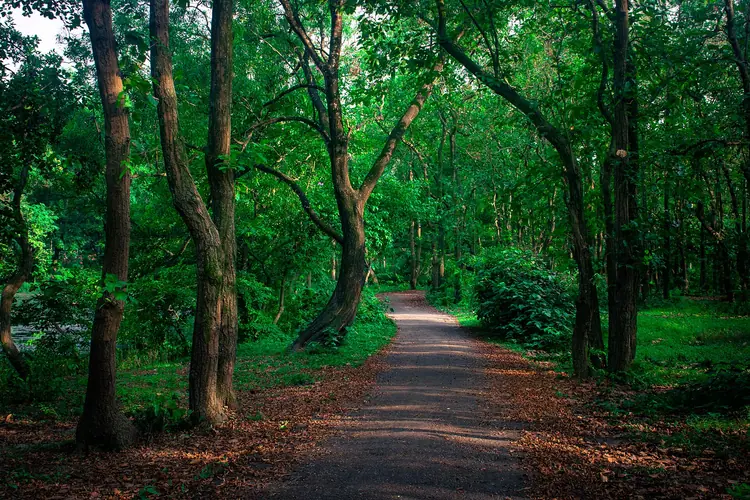
Outside the city, interest shifts to crafts, memorials and open land. Sonargaon has the ruined merchants' houses of Panam Nagar, a folk art museum and jamdani weaving villages nearby. Savar's memorial honours those who died in the Liberation War. Gazipur offers sal forest, including Bhawal National Park. Opening days differ between sites and can change, particularly around public holidays, so check with each museum or monument before setting out.
Gulshan, Banani and neighbouring Baridhara have offices, embassies, international schools and a wide range of places to eat. Road security checks are normal in parts of this area. Uttara, north of the airport, is a planned neighbourhood of numbered sectors and suits early departures or late arrivals. The middle of the hotel spread falls near Gulshan 2 Circle, and the airport is 5.1 km from that point in a straight line, although traffic governs the actual journey.
Motijheel is the old commercial centre, useful for banks, the metro and Kamalapur railway station, and quieter after office hours. Dhanmondi is a largely residential area around a lake, with colleges, cultural centres and clinics close by. Old Dhaka has few hotels, so many visitors stay elsewhere and travel in for the day. Savar makes sense mainly for work, training courses or visits on the north-western side, since reaching central Dhaka can take considerable time.
Gazipur has two distinct sides. Tongi and Joydebpur are busy urban and industrial areas, convenient for factory visits and the route towards Mymensingh. Rajendrapur and Sreepur lead into greener country, where many weekend resorts stand among fields and sal forest. Before booking, check the exact location, the condition of the approach road and whether day visitors share the grounds. Friday and Saturday are the weekend, when leisure properties are likely to be busier.
Narayanganj is a long established river port and manufacturing district on the Shitalakshya. A stay here suits people with business locally or those who want an early start at Sonargaon. Panam Nagar, the Folk Art and Crafts Museum and Goaldi Mosque can be combined in one outing. Weaving villages in the Rupganj and Sonargaon areas are known for jamdani. Ask before photographing weavers at work, and arrange local transport onward if several stops are planned.
Tangail, north-west of the capital, is known for saree weaving, which joined UNESCO's intangible heritage list in 2025, and for the sweet called chomchom. The Atia Mosque and old landowners' mansions add historical interest, while part of the Madhupur forest lies in the district. Manikganj, west of Dhaka, draws visitors to the Baliati palace complex in Saturia. Either can suit a traveller who prefers a slower route with time in smaller towns.
Kishoreganj, to the north-east, is associated with broad seasonal wetlands called haors, including the area around Nikli. The scene changes greatly between the flooded months and the dry season. Munshiganj, south of Dhaka, covers part of historic Bikrampur, has the Mughal river fort of Idrakpur and meets the Padma at the approach to the Padma Bridge. Stays in these outer districts are limited, so compare the location carefully with your route.
Most international visitors arrive at Hazrat Shahjalal International Airport in north Dhaka. Check your ticket for the terminal. Domestic flights link the capital with several other regions, while trains use Kamalapur and Biman Bandar stations, with tickets sold through the official Bangladesh Railway website. Long-distance buses leave from different parts of the city, including Mohakhali, Gabtoli and Sayedabad, so confirm the departure point as well as the destination. River launches to southern ports sail from Sadarghat.
Within Dhaka, Metro Line 6 runs between Uttara North and Motijheel, serving places such as Mirpur, Agargaon, Farmgate and Shahbagh. It does not serve Gulshan or Banani, and there is no station at the airport terminal. The elevated expressway helps some road journeys from the airport side. Cars, CNG auto-rickshaws, cycle rickshaws and app-based rides cover other trips. Agree the fare first where there is no meter in use, and allow generous margins.
November to February is the dry, cooler season and the most comfortable period for walking in Old Dhaka, visiting Sonargaon or spending time in Gazipur's countryside. Fog on late December and January mornings can delay flights, trains and river services. March grows warmer. April and May are hot, with nor'wester storms. From June to September, monsoon rain can flood streets and slow journeys, although rivers and wetlands carry much more water. October is a month of transition.
Festivals can shape a stay as much as weather. Pohela Boishakh on 14 April and the February book fair draw large crowds around Shahbagh and Dhaka University. Tongi hosts the Bishwa Ijtema, usually in January or February, when roads become very full. Ramadan 2027 is expected to begin around 8 to 9 February, subject to the moon, and may affect daytime services. Confirm event dates with organisers or local authorities, and book early around Eid.
Dhaka District is the practical choice for most first visits, because it holds the airport, the main museums and a wide spread of neighbourhoods. Pick the area according to your plans. Gazipur suits northern work visits or countryside breaks, while Narayanganj is useful when Sonargaon or local business is the main reason for travelling.
Yes. Sonargaon is commonly visited as a day outing from the capital. Start early, arrange return transport and combine Panam Nagar with the Folk Art and Crafts Museum nearby. Traffic through south-eastern Dhaka and Narayanganj can lengthen the journey. Sites usually have a weekly closing day, so check before leaving.
It depends on the exact address. Tongi lies north of Uttara, close to the airport side of Dhaka on a map, while Rajendrapur and Sreepur are further into the district. Roads can be congested at many hours. Ask the property about current journey times, and leave a wide margin before any flight.
Gazipur is the usual choice, with sal forest, Bhawal National Park and resorts around Rajendrapur and Sreepur. Tangail includes part of the Madhupur forest, and Kishoreganj has seasonal wetlands. Access and conditions vary through the year. Check with local authorities or your accommodation before travelling to forest areas or arranging a boat.
Several are fairly close on the map. From the divisional seat, the National Parliament House is 4.9 km and Lalbagh Fort 9 km, both in a straight line. Road routes are longer, and congestion can make a short crossing slow. Group nearby sights together and avoid planning tightly timed visits on opposite sides of the city.
Ordinary sightseeing in places such as Dhaka, Gazipur and Sonargaon does not usually call for a regional permit, although a valid visa or entry permission is required for Bangladesh. Military areas and some official sites restrict access or photography. Rules can change, so check official travel advice and follow instructions at checkpoints or entrances.
Yes. Taka cash is useful for local transport, small purchases and meals outside larger establishments. Cash machines are found in cities and district towns but are less common in rural areas. Obtain enough before heading to forest, wetland or village destinations, and ask your accommodation in advance which payment methods it accepts.
Wear clothing that covers the shoulders and knees. At mosques, temples and shrines, remove shoes where required and follow local guidance on head coverings and access, which may differ for men and women. In villages and weaving areas, ask before photographing people or entering workshops. Lightweight, loose clothing helps during warmer months.
Photo credits: Ashraful Kabir on Pexels; Subarashitours, CC BY-SA 4.0, via Wikimedia Commons; Shimul Mohammad, CC BY-SA 4.0, via Wikimedia Commons; SabbirAbeir md sabbir, CC BY-SA 4.0, via Wikimedia Commons.