★★★
Narayanganj district combines a busy river port, factory belts, weaving villages and the old capital of Sonargaon. The right base depends on which of these brings you here.
Five-star first, then four-star, then the rest by the booking supplier’s guest score. Prices are live in the IMPT app.
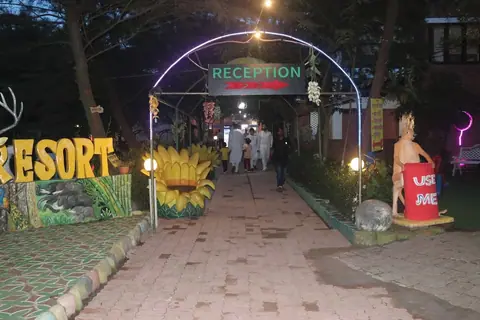
Narayanganj suits travellers with a specific reason to be south-east of Dhaka: heritage visits, textile and factory business, family occasions or river journeys. Choose by the place you will visit most often. Crossing the district can be slow, and an address that looks close on a map may sit across a river or beyond a congested junction.
Narayanganj Sadar is the urban core, with dense streets, markets, river landings and industry spreading towards Fatullah and Siddhirganj. It suits visitors with business in the city or relatives nearby, and anyone who wants shops and transport close at hand. Expect traffic, horns and activity from early in the day. Before booking, check the exact neighbourhood and ask how vehicles reach the entrance, because narrow lanes can complicate arrivals with heavy luggage.
Bandar lies across the Shitalakshya from the main city, so the river shapes daily movement. Sonargaon, further east, is the natural choice for heritage travellers and also has industrial areas along the Dhaka to Chattogram highway. Rupganj, to the north, mixes weaving settlements, factories, farmland and expanding residential projects towards the capital's edge. In each of these, a stay can be some distance from the next, so confirm the map position before relying on an area name.
Heritage visitors should look first around Sonargaon. An overnight stay allows an earlier start at Panam Nagar, before the day's traffic from Dhaka has built up, and leaves room for the museum and mosque without rushing. Families may prefer a property with its own outdoor space, while solo travellers may value being near a main road. Ask whether meals are served on site, since eating options after dark can be limited away from town centres.
Business travellers should place the factory, office or industrial estate on a map before comparing rooms. A hotel in central Dhaka may look convenient but can add a long daily journey in each direction. Check for backup power, working internet, parking for a hired vehicle and a reception that can receive late arrivals. For weddings and family gatherings, ask about room arrangements, visitor rules and the documents each guest must show at check-in, including passports for foreign nationals.
Most international visitors arrive through Hazrat Shahjalal International Airport in north Dhaka, which is 26.1 km in a straight line from the middle of the district's hotels. The road journey is longer and crosses heavily used parts of the capital or its fringes, so leave a generous margin. A pre-arranged car is the simplest option with luggage or after a long flight. Ride-hailing apps operate in Dhaka, but availability for trips out of the city can vary.
From Dhaka, road links lead to Narayanganj city, while the Chattogram highway serves the Sonargaon side. Rail and river services have also connected the city with other places, but check current operation with Bangladesh Railway or BIWTA before planning around them. Locally, use cycle rickshaws, CNG auto-rickshaws and battery easy-bikes, agreeing the fare first. Small boats cross the Shitalakshya at established landings. Avoid crowded boats and postpone crossings during storms, particularly in the nor'wester and monsoon months.
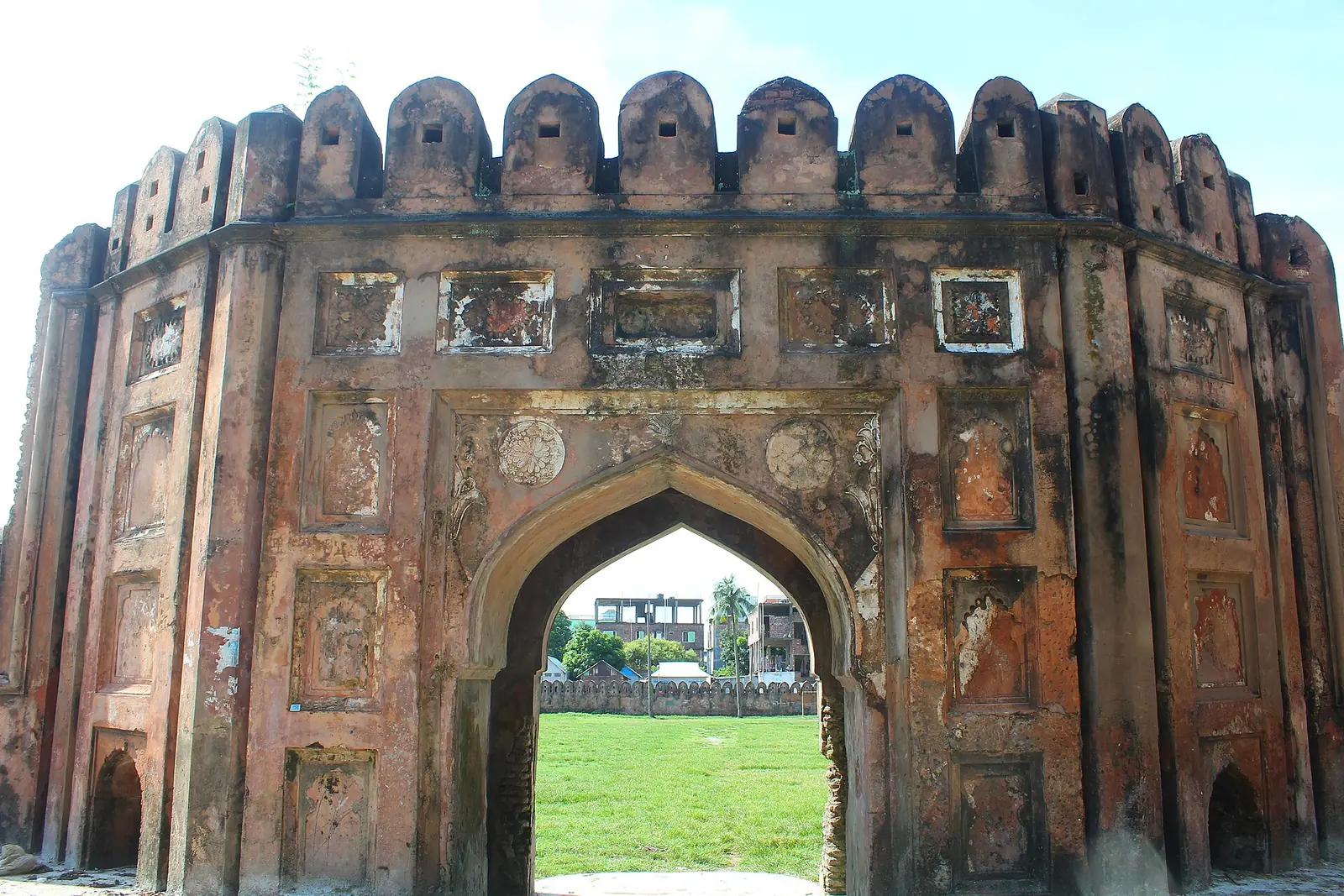
Sonargaon is the main reason many travellers stop here. Panam Nagar, 3.3 km in a straight line from the middle of the district's hotels, is a street of ruined merchants' houses from the late nineteenth and early twentieth centuries. Combine it with the Folk Art and Crafts Museum and Goaldi Mosque, dated 1519. Opening days can change and the site is usually closed one day a week, so confirm before setting out. Friday and holiday visits tend to be busier.
Around the city, Hajiganj Fort and Sonakanda Fort recall Mughal defences along the river routes, and Kadam Rasul shrine in Bandar receives devotees. Jamdani weaving villages along the Shitalakshya in Rupganj and Sonargaon show a craft recognised by UNESCO as intangible heritage. Ask before entering workshops or photographing weavers. A separate day in Old Dhaka can take in Ahsan Manzil, the Armenian Church and the Sadarghat river port, with extra time allowed for traffic and closing days.
Everyday meals centre on rice with river fish, lentils, vegetables and mashed preparations known as bhorta. Hilsa appears in many forms, while biryani, tehari and khichuri are common choices for a filling lunch. Look for busy local eating houses where food is cooked and served hot, highway dining rooms near main junctions, sweet counters and roadside tea stalls. In winter, pitha rice cakes are widely made. Choose bottled or filtered water and tell cooks about allergies clearly.
The dry, cooler months from November to February are usually the most comfortable for walking around heritage sites, although winter fog can slow river and road travel. April and May are hot, and monsoon rain from June to September can flood lanes and landings. Carry taka cash for local transport and small purchases. Dress with shoulders and knees covered. During Ramadan, daytime food service may be reduced, so ask your accommodation about meal times before arrival.
Sonargaon is the practical choice, since Panam Nagar, the crafts museum and Goaldi Mosque are all on that side of the district. Check the property's exact position, because the upazila covers a wide area. Ask how to reach the site by local transport and whether a return ride can be arranged.
You can, particularly for a day in Old Dhaka or around Motijheel, but traffic needs planning. Start early, check opening days and avoid fixing tight appointments for the return. If most of your sights or meetings are in the north of the capital, a base in Dhaka is likely to save time.
It is usually less convenient than staying near the airport in Uttara, Khilkhet or the Bimanbandar area. Road conditions between Narayanganj and the terminals can change sharply. If you do stay in the district, book transport in advance, leave a wide margin and check your airline ticket for the correct terminal.
Local boats carry passengers between established landings, and road crossings may suit some journeys, especially with luggage. Ask your accommodation which route is currently in use. Agree any private boat fare first, wait if a vessel is crowded, and do not cross during storms or when weather warnings advise caution.
Weaving villages lie near the Shitalakshya in Rupganj and Sonargaon. Work takes place in small workshops and homes, so arrange a visit through a local contact or ask politely on arrival. Activity may pause around prayers, meals and holidays. Request permission before taking photographs, and avoid touching cloth on the loom.
Ask about connecting or larger rooms, lift access, backup power, mosquito protection, meals and parking. Check the surrounding road, because traffic and industrial activity can affect noise and walking. Confirm what identification is needed for each guest, and ask whether late check-in is possible if your journey from Dhaka is delayed.
Carry taka cash for rickshaws, auto-rickshaws, boat crossings, tea stalls and many small eating houses. Cash machines are found in urban centres, but access can be less convenient around villages and industrial roads. Ask your accommodation which payment methods it accepts before arrival, and keep small notes for local journeys.
November to February is generally dry and cooler, which helps with walking at Sonargaon and crossing town. Foggy winter mornings can delay travel. April and May bring heat and storms, while June to September is the monsoon. Check Bangladesh Meteorological Department warnings before planning river journeys.
Photo credits: SabbirAbeir md sabbir, CC BY-SA 4.0, via Wikimedia Commons.