Northern Bangladesh · রংপুর
Hotels in Rangpur Division
Rangpur Division covers the far north of Bangladesh, a region of farmland, wide rivers, old temples and tea. Where you sleep depends on which part you plan to see.
- Divisional seat
- Rangpur city
- Main hotel districts
- Rangpur and Nilphamari
- Nearest airport
- Saidpur, in Nilphamari district
- Main season
- November to February
By district.
Districts with enough stays for a page of their own; every other hotel of the division is in the list below.
Stays in Rangpur.
Five-star first, then four-star, then the rest by the booking supplier’s guest score. Prices are live in the IMPT app.
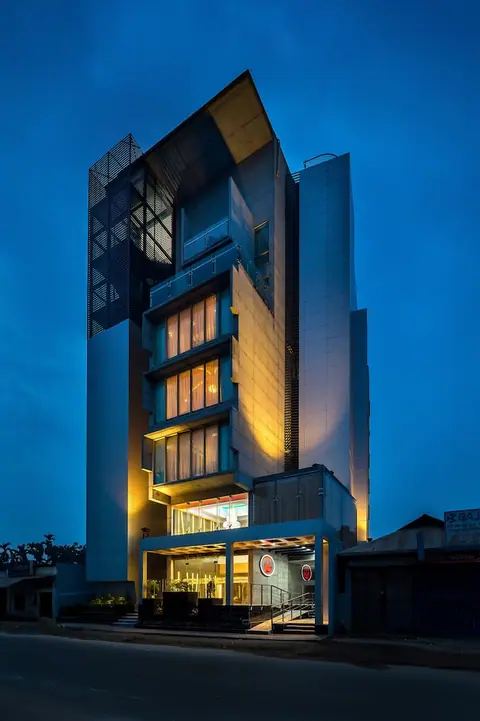
★★★★
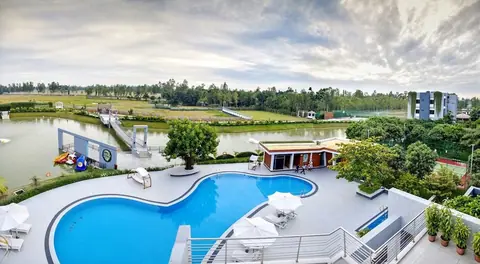
Grand Palace Hotel & Resorts Rangpur
Rangpur, Rangpur District4.2 / 5 Guest score from the booking supplier, 1,423 reviews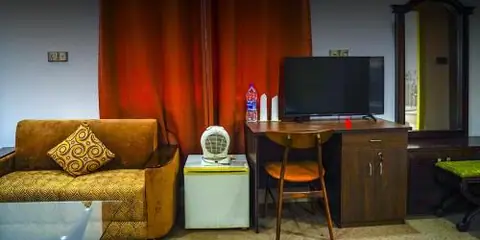
★★★
Eque Heritage Hotel & Resort
Saidpur, Nilphamari4.2 / 5 Guest score from the booking supplier, 1,286 reviews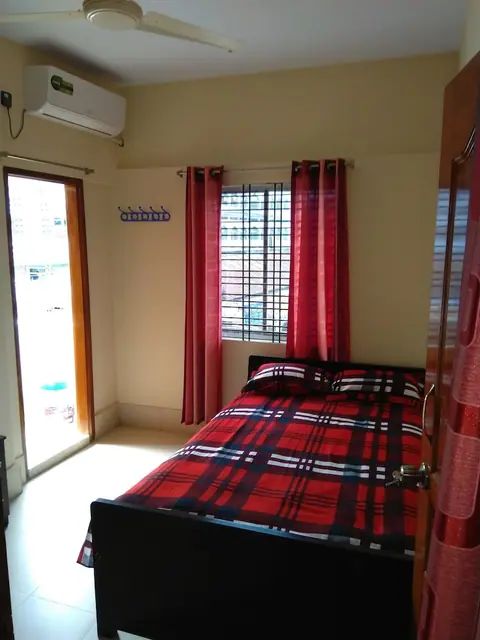
★
Hotel Premier Residential
Saidpur, Nilphamari4.2 / 5 Guest score from the booking supplier, 215 reviews

This division suits travellers who want temple architecture, rural scenery and working towns at an unhurried pace. Rangpur city is the practical choice for services and onward roads. Nilphamari district, which includes Saidpur, works well for flights and early departures. Dinajpur and Gaibandha have a few stays for those who want to sleep closer to particular sights or the eastern rivers.
How the division fits together
Rangpur became a division in 2010 and takes in eight districts: Rangpur, Dinajpur, Gaibandha, Kurigram, Lalmonirhat, Nilphamari, Panchagarh and Thakurgaon. Rangpur city is the administrative seat and a natural road junction. Nilphamari lies to the north-west of it, with Dinajpur further west and south-west. Panchagarh reaches to the northern tip of the country, while Gaibandha, Kurigram and Lalmonirhat follow the big rivers and border country to the south-east, east and north.
The land is mostly flat and intensively farmed. Rice, potatoes, maize and vegetables shape the view from the road, and tea gardens appear in the far north. The Teesta crosses the division, and the Brahmaputra and Jamuna system runs along its eastern side, with shifting sandbank islands known as chars. Towns are busy trading centres, and village life is close to every main route. Santal communities are among the peoples of the north-west.
Rangpur city as a base
Rangpur city has the widest spread of everyday services in this part of the north, including hospitals, banks, markets and transport counters. Staying near the centre keeps rickshaw and auto-rickshaw rides short. It also gives straightforward access to roads towards Saidpur, Dinajpur, Gaibandha and Lalmonirhat. Choose it if your visit combines work, family and sightseeing, or if you want to make day trips in several directions without changing hotels each night.
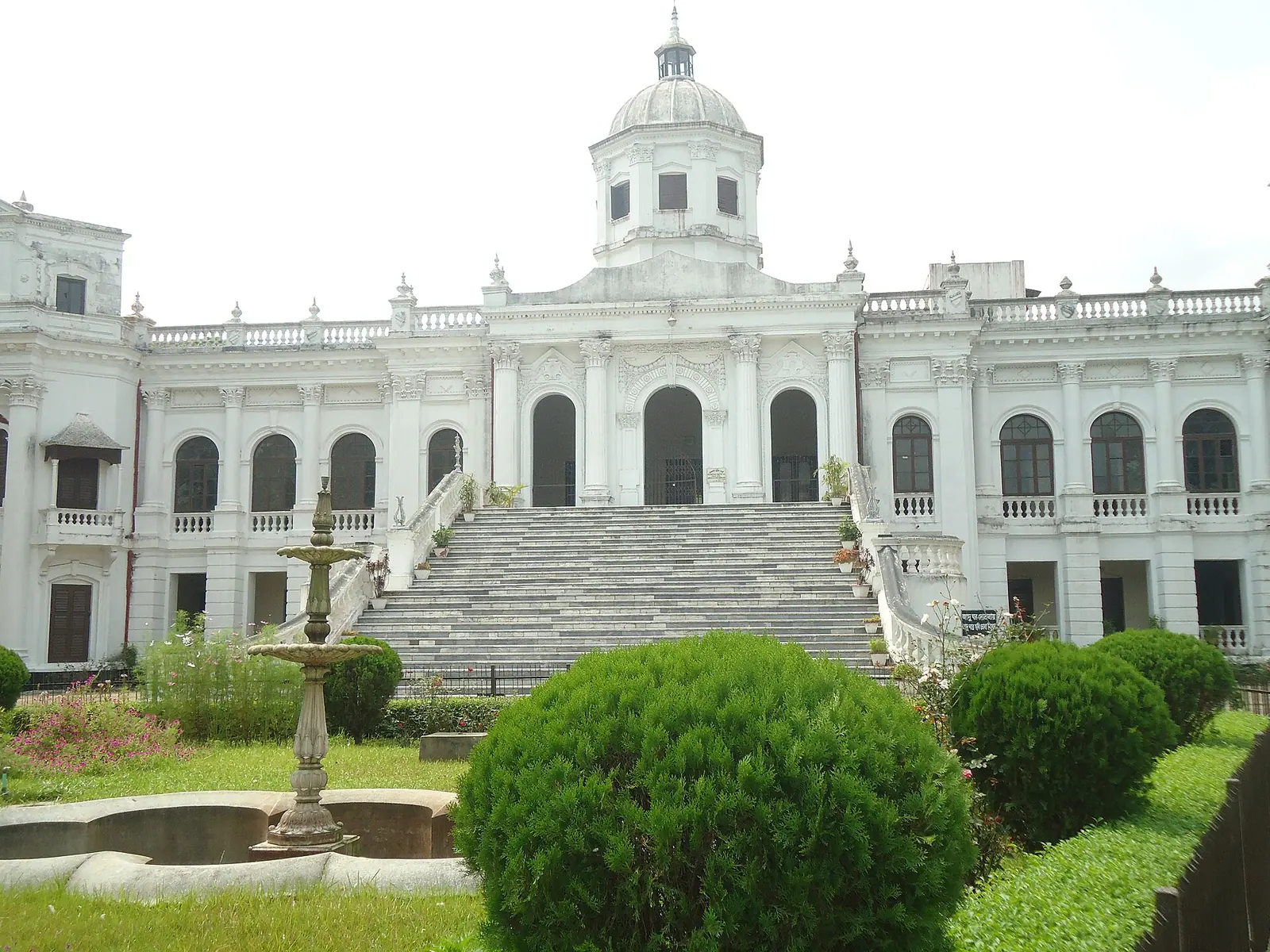
The main local sight is Tajhat Palace, a former landowner's residence that now houses a museum, 3.5 km from the divisional seat in a straight line. Carmichael College has a long-established campus with older buildings. Shatranji, a flat-woven floor covering, is made at Nisbetganj. To the south, Pairaband in Mithapukur is the birthplace of Begum Rokeya, the writer and campaigner for women's education. Opening days vary, so check before setting out.
Nilphamari and Saidpur
Nilphamari district matters to visitors largely because of Saidpur, a railway town with the airport that serves Rangpur and Dinajpur. A night here can make sense before a morning flight or after a late arrival. It is also a sensible stopping point if your route runs between Rangpur, Dinajpur and Panchagarh. Check where your hotel sits, since Saidpur and Nilphamari town are separate places and the transfer differs between them.
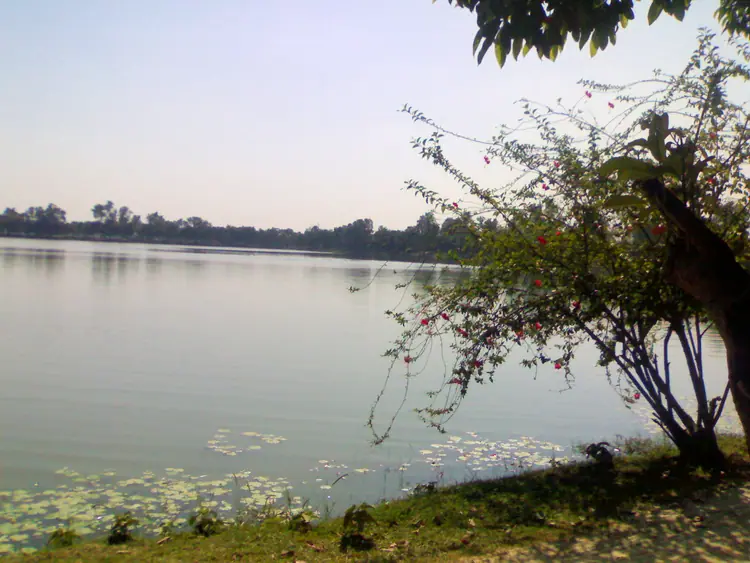
Saidpur is known for its large railway workshops, which are working premises with controlled access, and for the Chini Mosque, decorated with pieces of broken ceramic. Elsewhere in the district, Nil Sagar is a large old reservoir surrounded by trees. The Teesta Barrage area, towards the Lalmonirhat side, shows how the river is managed for irrigation. Ask before taking photographs around the barrage or other guarded structures.
What visitors come to see
Kantajew Temple in Dinajpur district is the division's outstanding piece of architecture. Completed in 1752, it is covered in terracotta panels showing religious stories, processions and scenes of daily life. It lies 59.3 km from Rangpur in a straight line, so allow most of a day from the city, or stay in Dinajpur. The temple is an active religious site: dress modestly, follow posted rules and ask before photographing worshippers. Nayabad Mosque stands in the same area.
Ramsagar, a large historic reservoir near Dinajpur town, pairs naturally with the temple and offers shaded walking along its banks. Dinajpur Rajbari preserves the remains of a former royal estate. In the far north, Panchagarh draws visitors to its flat-land tea gardens around Tetulia, which is 124 km from Rangpur in a straight line. On some clear mornings in October and November, Kanchenjunga is visible from there, although haze or cloud can hide it completely.
Getting to the north
Flights from Dhaka land at Saidpur, and most domestic flights take under an hour. Schedules change, particularly during winter fog, so confirm your departure with the airline on the day. From the airport, onward travel is by road to Saidpur town, Rangpur or Dinajpur. Arrange the transfer in advance if you arrive late, or agree the fare before boarding an auto-rickshaw. Leave a generous margin when connecting to an international departure in Dhaka.
By road, Dhaka to Rangpur usually takes about 7 to 9 hours, crossing the Jamuna by bridge. Traffic and holidays can stretch this considerably. Bangladesh Railway trains link Dhaka with northern towns including Rangpur, Saidpur and Dinajpur, and the Jamuna Railway Bridge opened in March 2025. Check current timetables and ticket sale dates on the official railway website, and note which Dhaka station your train uses before you travel across the city.
- Fly to Saidpur when time is short, and confirm the flight on the day of travel.
- Take the train for more room to move, booking through the official Bangladesh Railway ticket site.
- Travel by road in daylight where possible, with extra time around Eid and during winter fog.
Moving between districts
Buses connect the district towns, and shared or hired vehicles cover shorter hops. Within towns, cycle rickshaws, battery easy-bikes and auto-rickshaws do most of the work. A hired car with a driver gives the most control if you plan to link rural sights in one day. Agree the route, waiting time and fare before leaving. Straight-line distances understate road travel, especially where a river forces a detour to a bridge.
Dinajpur is the logical overnight stop for Kantajew and Ramsagar. Gaibandha suits travellers heading to the south-eastern riverside or breaking a road journey. River crossings to the chars depend on water levels, weather and local boat services, so ask in the district town on the day. Do not board an overcrowded boat or set out in a storm. Carry drinking water and enough taka cash for any excursion beyond the towns.
When to visit
November to February is the dry, cool season and the most comfortable time for road trips and outdoor sights. Winter in the north is colder than many visitors expect. Cold snaps can bring temperatures close to 10 C, and morning fog in late December and January can delay trains and flights. Pack warm layers, ask whether your room has hot water, and avoid tight connections. October and early November offer the better chance of mountain views from Tetulia.
March grows warmer, while April and May are hot, with nor'wester storms. This is also the approach to fruit season: Dinajpur is known for lychees and Rangpur for the Haribhanga mango, with harvest timing depending on the weather. The monsoon runs from June to September, bringing green fields, high rivers and possible flooding in low districts. Check Bangladesh Meteorological Department warnings, and expect transport and shop hours to change around Ramadan and Eid.
- November to February suits temple visits, town walks and longer road journeys.
- Late May and June bring seasonal fruit, along with heat, humidity and the start of heavy rain.
- July to September calls for flexible plans, especially near the Teesta and Brahmaputra.
Good to know.
Which district in Rangpur Division should you stay in?
Choose Rangpur city for the broadest services and access in several directions. Nilphamari suits air travellers, especially those using Saidpur. Dinajpur puts you closer to Kantajew Temple and Ramsagar, while Gaibandha is useful for the south-eastern riverside. If your plans cover both ends of the region, splitting the stay between two towns reduces repeated road journeys.
How many days do you need in Rangpur Division?
Two full days allow one for Rangpur city and one for Kantajew Temple and Ramsagar in Dinajpur. Add at least another two if you want to reach Tetulia in Panchagarh or spend time by the eastern rivers of Rangpur Division. Allow spare time in winter, when fog can slow both flights and surface travel.
Do foreign visitors need a special permit for Rangpur Division?
Ordinary sightseeing in the towns of Rangpur Division does not usually call for a separate regional permit, but a valid Bangladesh visa or entry permission is required according to your nationality. Border areas are sensitive. Carry identification, follow instructions from officials and check current government travel advice before visiting places near the frontier.
Can you pay by card in Rangpur Division?
Do not rely on cards. Carry taka in cash for transport, small eateries, markets and rural sights across Rangpur Division. Cities and district towns have ATMs, although a machine can be out of service or reject a foreign card. Withdraw or exchange money before a day trip, and ask your hotel which payment methods it accepts before arrival.
What should you wear when visiting Rangpur Division?
Light, loose clothing that covers shoulders and knees is suitable for much of the year in Rangpur Division. Bring a warm layer and closed shoes for winter mornings, and rain protection during the monsoon. At temples and mosques, remove shoes where asked. A scarf is useful for covering your head at some religious sites.
Is Rangpur Division suitable for a family trip?
It can suit families who enjoy open spaces, historic buildings and rural scenery. Distances between sights in Rangpur Division make shorter daily plans sensible for young children. Ask hotels about family rooms, hot water, backup power and lift access. Carry safe drinking water, use mosquito protection and supervise children closely beside reservoirs, rivers and busy roads.
Can you rely on mobile coverage in Rangpur Division?
Mobile service is generally available in the towns of Rangpur Division, though speed and signal can weaken in rural, river island and border areas. Registering a local SIM requires your passport and a fingerprint. Save your hotel's address in Bangla and keep its telephone number written down in case your battery or data connection fails.
What health precautions matter in Rangpur Division?
Drink bottled or filtered water and protect yourself from mosquito bites, since dengue risk is greatest during and after the monsoon. Never drink raw date-palm sap, which can carry Nipah virus. Ask a travel clinic about vaccinations and malaria advice before visiting Rangpur Division. In an emergency, call 999 for police, fire or ambulance services.
Photo credits: Moniruzzaman Masum, CC BY-SA 4.0, via Wikimedia Commons; Mrinal.eee, CC BY-SA 3.0, via Wikimedia Commons; Afifa Afrin, CC BY-SA 3.0, via Wikimedia Commons.