On this page
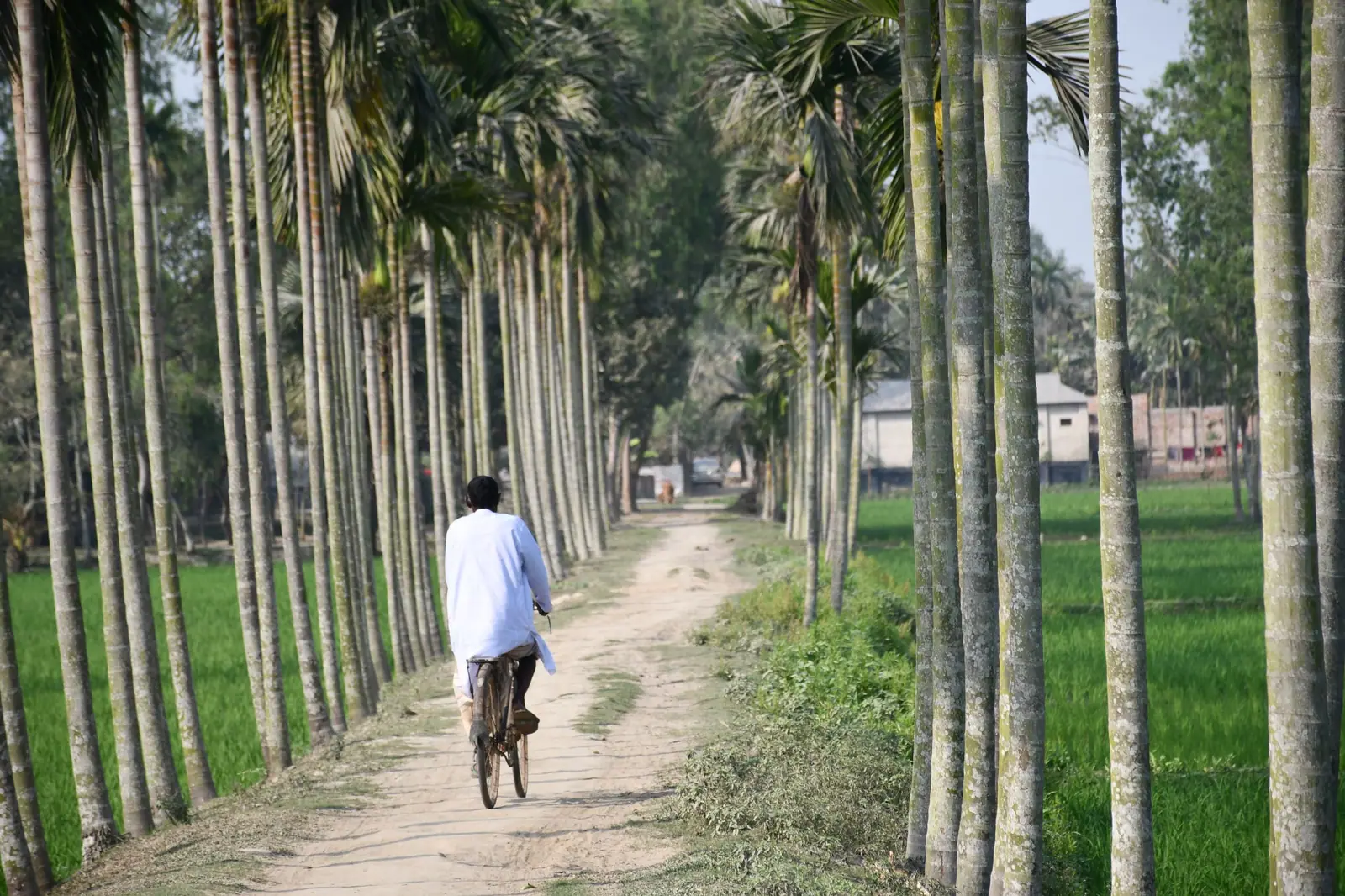
Rangpur division is the top left corner of Bangladesh. It was created in 2010 and takes in eight districts: Rangpur, Dinajpur, Thakurgaon, Panchagarh, Nilphamari, Lalmonirhat, Kurigram and Gaibandha. The land is flat and open, crossed by wide rivers and shared with India along a long northern border. Distances are large, towns are small and visitors are few.
The short version
- Use Rangpur city for the palace museum and the shatranji weavers, and Saidpur when you arrive by air or want a quieter base.
- Dinajpur and the far north around Panchagarh deserve their own days and have their own guides; this page covers the choice of bases and the routes.
- Winter fog can delay flights, trains and ferries, so leave a spare day around any fixed departure in December and January.
- Bogura, on the road from Dhaka, makes a good first night for Mahasthangarh and Paharpur.
That quiet is the appeal. Most foreign travellers never come, so the roads, hotels and sights are yours to take slowly. This page helps you choose where to sleep, how to get there and how to handle the weather. The two best-known destinations in the division, Dinajpur with its terracotta temple and Panchagarh with its tea and mountain views, each have separate guides.
A division of plains and rivers
Think of the north as three bases rather than one. Rangpur city is the divisional capital and the easiest hub. Saidpur, in Nilphamari district, has the airport and a railway town of its own. Bogura, south of the division but on the road from Dhaka, is the gateway to the ancient sites. Beyond them, Dinajpur and Panchagarh pull you further north and west.
| Base | Role | Strength | Limit |
|---|---|---|---|
| Rangpur city | Divisional capital with a palace museum | Most hotels, markets and services in the north | Busy and plain in the centre |
| Saidpur | Airport and railway-workshop town | Short transfer after a flight | Few sights in the town itself |
| Bogura | Junction for Mahasthangarh and Paharpur | Good first or last night on the road | Outside the division |
| Dinajpur and Panchagarh | Far north and north-west | Temple, lakes, tea and mountain views | Long road trips between towns |
All times are typical and depend on traffic, weather and road works. A division like this rewards a slow plan: pick one or two bases, accept that a day will include a long drive and leave a spare day for fog.
Rangpur city
Rangpur is the largest city in the north and the place with most hotels, banks, clinics and restaurants. It is a working administrative and commercial centre, not a beautiful one. The main roads are busy with rickshaws and auto-rickshaws, and the centre can feel flat and dusty. Its value for a visitor lies in the museum, the crafts and the access it gives to the rest of the division.
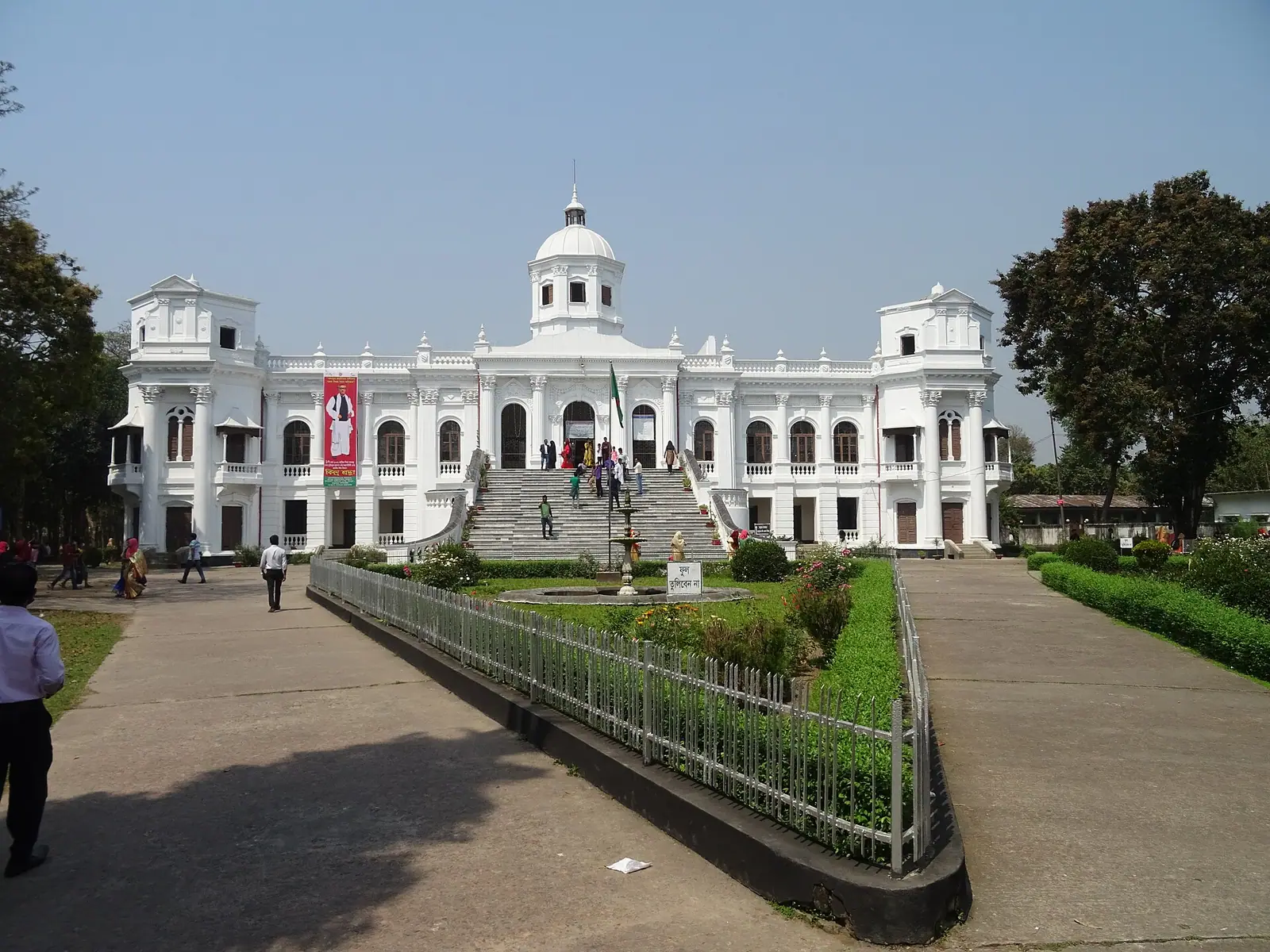
Tajhat Palace stands on the edge of the city. It was built by a landlord family around the turn of the twentieth century and is now a museum. The white building has a broad frontage and a quiet garden, and the rooms hold objects, documents and furniture that show how the old estates lived. It is a short visit, an hour or two, and works as a gentle first stop when you arrive.
Rangpur is also the birthplace region of Begum Rokeya, the writer and educator who campaigned for girls' schooling in the early twentieth century, and a memorial stands in the Pairaband area. Craft interest is stronger still. Shatranji, a flat-woven cotton rug in geometric patterns, is woven at Nisbetganj, and the bazaar town of Haragach lies close by. Ask your hotel to arrange a visit, and read the notes on Bangladesh crafts to look for first.
Saidpur and the airport side
Saidpur lies in Nilphamari district, about 39 kilometres in a straight line from Rangpur. It is the northern railway town of Bangladesh, with large workshops that go back to the colonial railway, and it has the airport that serves the whole north-west of the division. Flights from Dhaka take under an hour, and nearly all domestic flights in the country pass through the capital.
A hotel in Saidpur makes sense in two situations. If you land in the afternoon, you can sleep within a few minutes of the airport instead of driving to Rangpur in the dark. If you plan to visit Dinajpur, Saidpur is also closer to the temples and the road north than Rangpur city is. Several mid-range hotels stand near the airport, and one or two have gardens or a pool.
The town itself is calm and has a mixed population, with markets, schools and the railway colony at the centre. It does not have a headline sight, and you will not need more than an evening. Use it as a stepping stone, not as a destination.
Getting there from Dhaka
The north is far, and the choice of transport decides your first day. Rangpur lies about 250 kilometres from central Dhaka in a straight line. By road, the journey takes roughly seven to nine hours, with the Jamuna bridge in the middle. The flight to Saidpur is the fastest, and there is no airport in Rangpur city itself.
Trains are the third option. The Jamuna Railway Bridge opened in March 2025 and cut the journey for the north and west, though service patterns and journey times change often. Check the official ticketing site and the train travel guide before you decide, and avoid booking a tight connection after a long rail trip in winter.
Within the division, buses, microbuses and auto-rickshaws link the towns. Hiring a car with a driver is the most practical way to reach the temples, the tea area and the river sites, because public transport is infrequent and slow. Settle the route and the price before you leave, and ask how many hours of driving each day will involve. The wider picture is in the guide to getting around Bangladesh.
Bogura and the ancient sites on the way
Bogura lies south-east of the division, on the road from Dhaka, and makes a practical first or last night. The town has larger hotels on its bypass roads, a lively centre around Satmatha and a local fame for mishti doi, the sweet set yoghurt. Dhaka to Bogura is about 161 kilometres in a straight line, so it is a long but manageable day by road or rail.
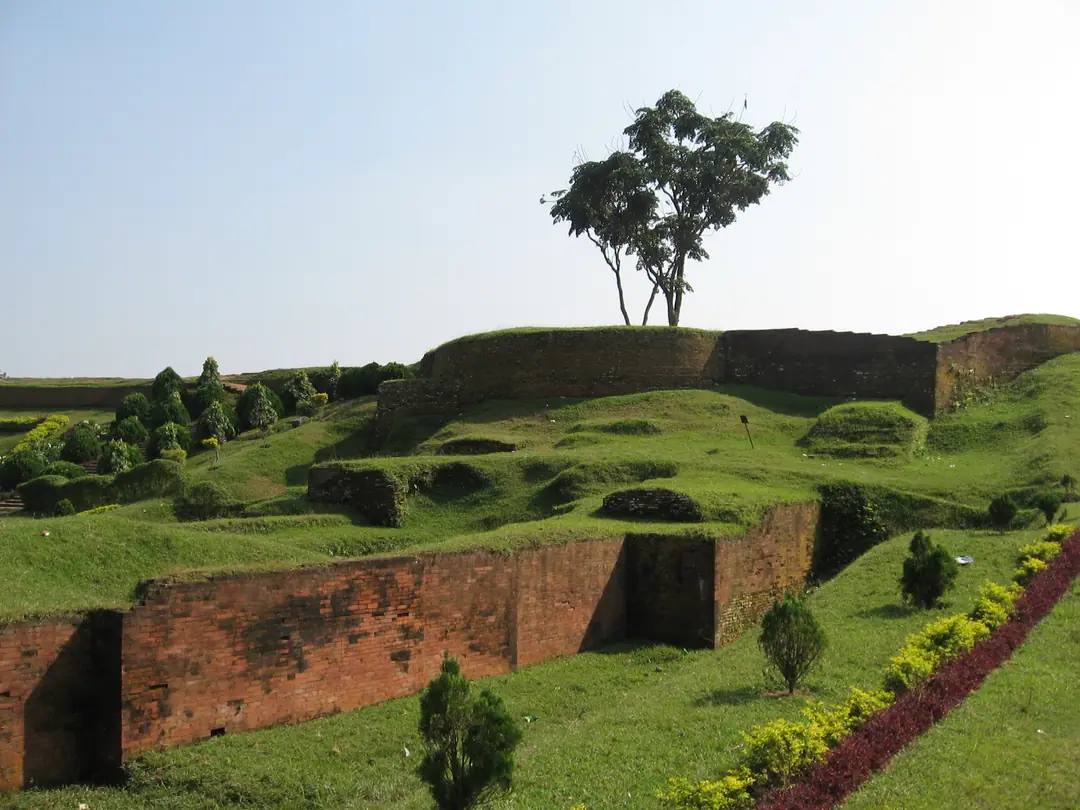
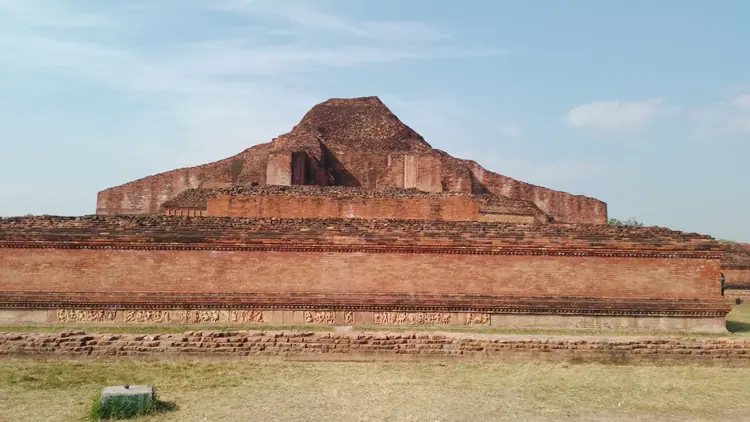
Two ancient sites sit close. Mahasthangarh, about 13 kilometres from Bogura in a straight line, is the old city of Pundranagara on the Karatoya river, the oldest known urban site in Bangladesh, dating back to at least the third century BC. Grassy ramparts and mounds are all that remain above ground, with a small museum and scattered temple remains. Paharpur, 45 kilometres from Bogura, is the great Buddhist monastery described in the Paharpur guide.
Both are best seen in the early morning or late afternoon, when the light is soft and the heat has eased. Carry water, a hat and shoes that cope with uneven ground, because shade is scarce on both. The rail and bus junction at Bogura makes it easy to go on to Rangpur the next day, and travellers heading to Rajshahi can use the same road; see the page on Rajshahi.
Dinajpur and the far north in brief
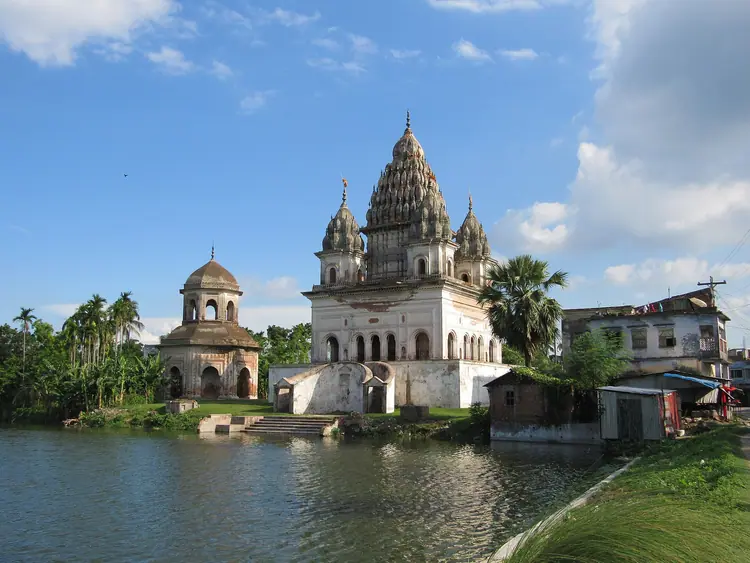
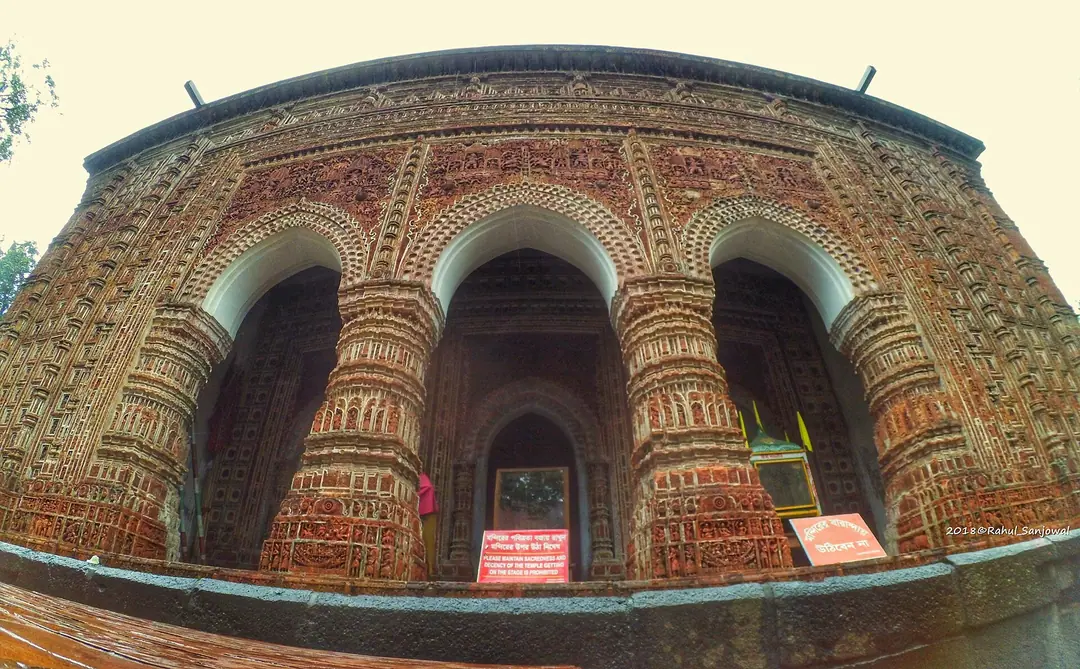
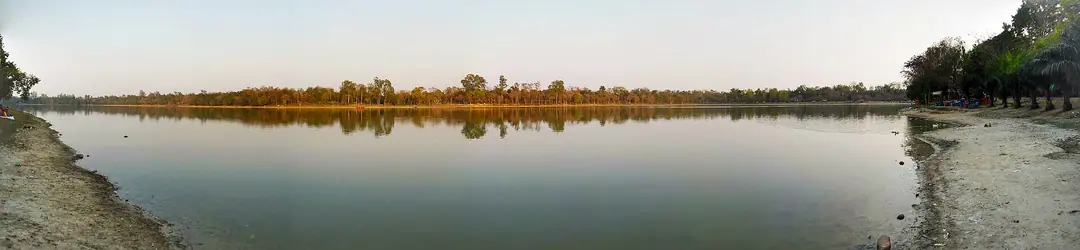
Dinajpur, in the north-west, is the usual second stop. Its main draws are Kantajew Temple, a terracotta-covered Hindu temple completed in 1752, and Ramsagar, a large man-made lake. The district is also known for lychees in early summer and for fragrant rice. The separate Dinajpur guide covers the temple, the lake and the routes in depth.
Far to the north, Panchagarh and the tea country at Tetulia lie about 368 kilometres from Dhaka in a straight line, near the border. On clear autumn mornings, usually in October and November, some visitors see the snow peaks of Kanchenjunga from the plains. The separate Panchagarh guide describes the tea gardens, the border and the views. Both trips need several hours of driving and an overnight stay.
Border areas have extra rules. Carry your passport, expect checkpoints, do not photograph border posts or military sites and follow local advice about restricted areas. Official travel advice is the best source before you go.
Rivers, the Teesta and the chars
Much of the north is defined by water. The Teesta river rises in the Himalayas and crosses the plain, and the Teesta Barrage in Lalmonirhat district controls irrigation across a large area. Visitors can see the structure and the river from the banks, and the area is popular with day trippers in winter. Access and photography rules vary, so ask locally and do not photograph guarded bridges or installations.
Further east, in Kurigram and Gaibandha, the Brahmaputra and its branches build sandbanks called chars. Families farm and live on them for a season or longer, and floods and erosion move them every year. Visiting a char is possible with a local guide and a boat, but it needs planning and respect: these are homes, not attractions, and the waters can be dangerous.
The wet months from June to September swell the rivers and flood fields and roads. Travel is slower and some villages are cut off for days. In the dry season the sandbanks widen and the rivers shrink to channels, and the plain looks very different. The page on the best time to visit Bangladesh explains the seasons.
Winter fog, food and a four-day plan
November to February is the main season, with dry days, cool nights and clear light. It is also the season of fog. Late December and January mornings can be thick across the north, delaying flights to Saidpur, trains and ferries by hours. Cold snaps in the north-west can drop temperatures close to ten degrees Celsius, so bring a warm layer for dawn and night, a scarf and closed shoes.
Food follows the seasons. Winter brings rice-flour pitha steamed or fried and sweetened with date-palm jaggery, and bowls of hot milk tea at roadside stalls. Never drink raw date-palm sap, because of the Nipah virus risk; cooked jaggery and sweets made from it are fine. Summer brings lychees and mangoes, and fresh fish from the rivers appears on most menus.
Four days is a sensible minimum if you fly to Saidpur and want Rangpur and Dinajpur. Add two for Panchagarh and three for the chars and Teesta. Do not try to fit everything into one trip: the roads are long, the weather is unpredictable and the pleasure lies in the quiet detail.
- Day 1
Fly to Saidpur, rest, then drive to Rangpur and visit Tajhat Palace in the late afternoon.
- Day 2
Visit the shatranji weavers at Nisbetganj in the morning, then explore the market and sit down for tea.
- Day 3
Drive north-west to Dinajpur for the temple and lake, stopping at a village market on the way.
- Day 4
Return to Saidpur for the flight, leaving a margin in the winter months for fog delays.
Hotels to consider
Questions and answers
Is Rangpur worth visiting as a tourist?
Rangpur is a quiet, uncrowded base rather than a headline destination. Its palace museum and shatranji weavers are worth a day, and the city gives access to Dinajpur, the Teesta and the far north. Come for the space and the calm, not for a long list of sights.
How do I get to Rangpur from Dhaka?
You can fly to Saidpur, which takes under an hour, then drive to Rangpur. By road the trip takes roughly seven to nine hours, and trains run across the Jamuna Railway Bridge, which opened in March 2025. Check the official ticketing site for current services.
Which is better in the north, Rangpur city or Saidpur?
Rangpur city has more hotels, markets and services, and it suits a longer stay. Saidpur is smaller and calmer, sits beside the airport and is closer to Dinajpur. Fly in, sleep at Saidpur, and use Rangpur for the museum and weavers.
When is the best time to visit Rangpur and the north?
November to February is the main season, with dry days and cool nights. Fog can delay flights and trains in late December and January, so leave a spare day. The monsoon from June to September floods roads and fields, and April and May are very hot.
What is shatranji and where can I see it in Rangpur?
Shatranji is a flat-woven cotton rug with geometric patterns, traditionally made on handlooms. In the Rangpur area, it is woven at Nisbetganj. Ask your hotel to arrange a visit, take small notes for any purchase and ask before photographing weavers at work.
Is it cold in Rangpur in winter?
Yes, by Bangladeshi standards. Cold snaps in the north-west can drop temperatures close to ten degrees Celsius, and mornings can be foggy and damp. Pack a warm layer, a scarf and closed shoes for dawn and night, and expect houses and hotels to be only lightly heated.
Can I visit Bogura on the way to Rangpur?
Yes. Bogura lies on the road from Dhaka and is a good first night, with Mahasthangarh about 13 kilometres away in a straight line and Paharpur about 45. Leave Bogura early the next day, because the road onward to Rangpur is long in the north.
Is the far north safe to visit?
Many travellers visit without trouble, but conditions vary by district, and border areas have checkpoints and restricted zones. Carry your passport, follow local advice, avoid photographing border posts or security forces, and read the official travel advice for Bangladesh before you plan a trip to the north.