On this page
The north-west of Bangladesh is a flatter, drier country than the delta south of the Padma, with long straight roads, brick kilns, rice fields and a sky that seems larger. Rajshahi, on the northern bank of the Padma, is its quietest city. It has wide streets, a river embankment where people walk after dark, and a reputation for silk and for the mangoes that ripen from late May.
The short version
- Rajshahi city is the most relaxed base in the north-west, with a river walk, a museum and the temples of Puthia within a short drive.
- Bogura is the better base if Paharpur and Mahasthangarh are your priority, and Natore suits a single night on the way.
- Plan around the weather: April and May are hot, winter mornings bring fog and a real chill, and late May to July is mango season.
- Group your day trips by direction, east for Puthia, Bagha and Natore, west for Gaur, and north for the two archaeological sites.
For travellers, Rajshahi is mostly a base. The temples of Puthia, the mosque at Bagha, Natore’s palaces and the Gaur monuments around Chapai Nawabganj all lie within a day’s round trip, and Paharpur is a longer excursion. The city also repays an evening or two on its own.
Rajshahi, Natore or Bogura?
Three towns work as bases, and the choice depends on what you want to see. Rajshahi city has the most hotels, the river and the widest choice of places to eat. Natore is smaller and sits on the road east, which makes it convenient for a night when you are moving through. Bogura, to the north-east, is a busy junction town for the two big archaeological sites.
- Rajshahi city: a calm river city with wide roads; suits Puthia, Bagha, Gaur, Natore and the river walk. Give it two or three nights.
- Natore: a small district town on the road east; suits one night on the way through, with the palaces close by.
- Bogura: a busy junction with larger hotels on the bypass roads; suits Paharpur and Mahasthangarh, for one or two nights.
Most travellers should sleep in Rajshahi, then add a night in Bogura if they want a relaxed day at Paharpur instead of a long drive out and back. The notes on getting around the country help you string these together with an onward journey.
Inside Rajshahi city
The city is easy to read. The Padma embankment runs along the river on the south side, and most of what you need lies in the strip between it and the railway. Shaheb Bazar is the commercial centre, with the main shops, banks and street food; the railway line and station lie inland of it, and the university campus is on the city’s edge, quiet and green.
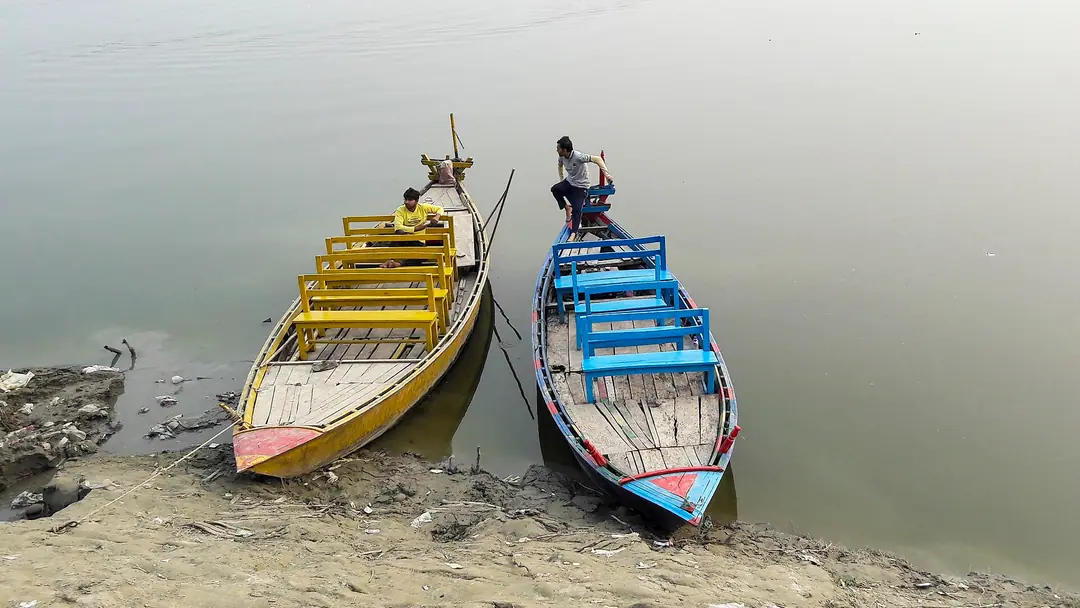
Hotels cluster in the centre, in Boalia, and in the Rajpara area. The central ones suit dinners and early starts, because a rickshaw takes you anywhere in minutes. The riverside side is calmer in the evening, and the embankment itself is the place to be at dusk, when families walk, vendors sell snacks and boats cross towards the sandbanks.
The river changes with the season. In the dry months, wide sandbanks emerge and the water looks narrow; after the monsoon it spreads across the bed. Do not swim: the Padma is a fast, deep river with strong currents, and the bank can crumble.
Silk, mangoes and the museum
Rajshahi is the centre of Bangladesh’s silk, woven from cocoons raised on mulberry trees in the district. Shops in the town sell lengths of cloth and sarees and the quality varies, so ask to see the cloth in daylight and ask where it was woven. Many visitors buy a length of cloth and have a tailor in Dhaka make it up later.
The mango season runs from late May to July. Orchards around the city and across the district fill with fruit, and the markets are loaded with varieties such as himsagar and langra. The heat then is severe, so the season suits those who love fruit more than walking. If you come in other months, you can still see the orchards, which are dense and shady.
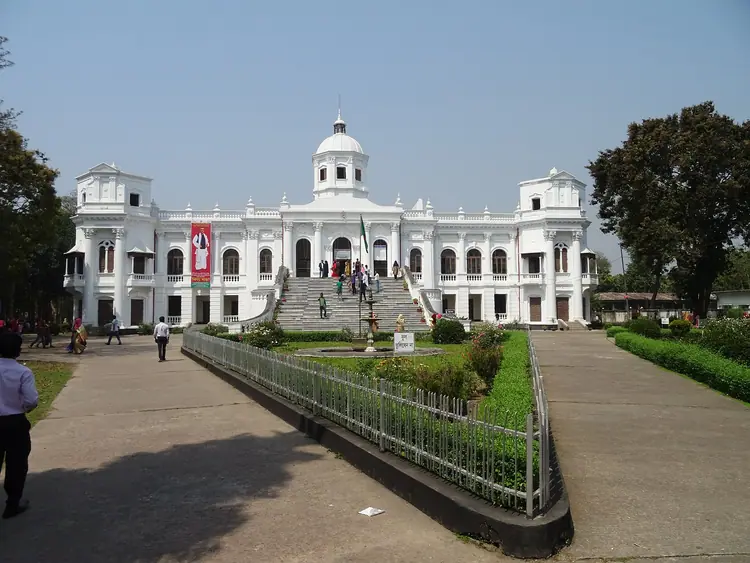
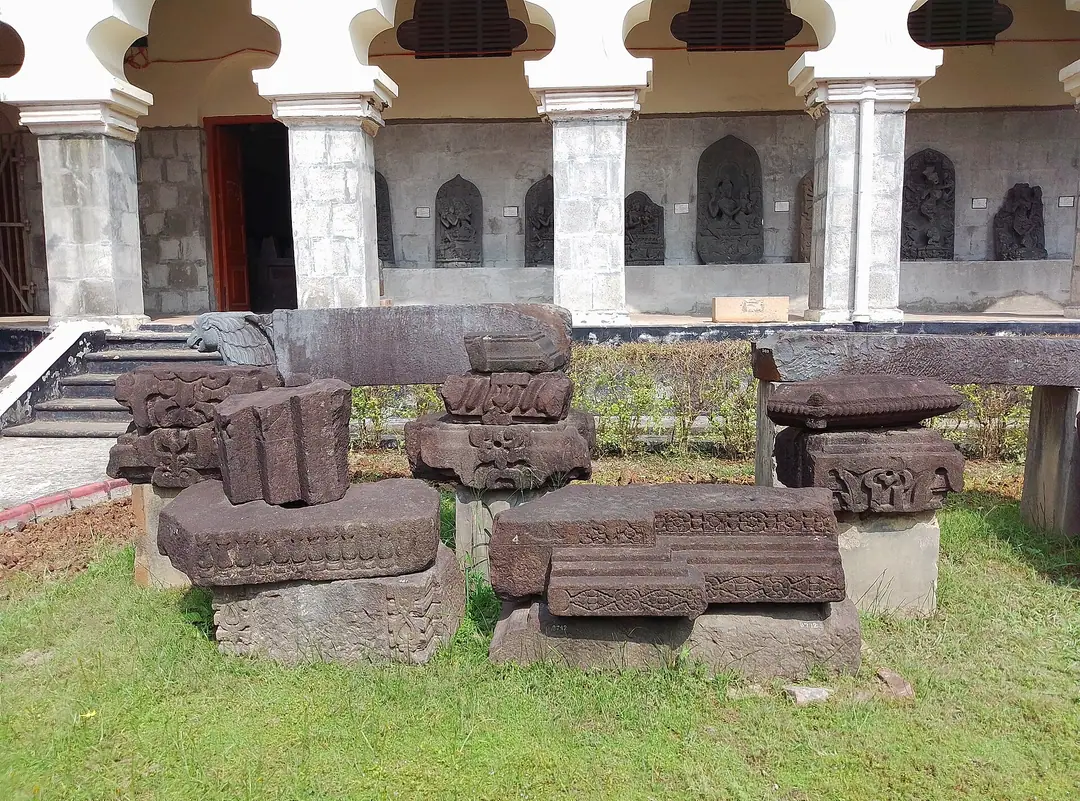
The Varendra Research Museum, founded in 1910, is the city’s main cultural stop. It holds sculpture, inscriptions and terracotta from the old Varendra region, much of it from sites you will visit on day trips, so go on your first morning to set the context. Opening days vary, so check locally before you go.
Day trips by direction
The easiest way to plan is by direction. The road east of the city passes Puthia and, further on, Natore. The road west leads towards Chapai Nawabganj and the Gaur ruins, near the Indian border. The two big archaeological sites lie to the north. Distances here are straight-line; roads run longer, and village traffic slows everything.
| Place | What it is | Straight-line from Rajshahi | Time to give it |
|---|---|---|---|
| Puthia | A cluster of Hindu temples, including the Pancha Ratna Govinda temple and the Bara Shiva temple of 1823 | About 24 km | Half a day |
| Bagha | Bagha Mosque of 1523, with fine brick carving | A short way past Puthia | An hour, combined with Puthia |
| Natore | Old zamindar palaces, including the Rajbari complex | East on the same road | A few hours |
| Gaur, Chapai Nawabganj | Medieval Bengal monuments, including the Chhota Sona Mosque | West, near the border | A full day |
| Paharpur | The ruined Buddhist monastery of Somapura Mahavihara | About 82 km | A full day |
| Mahasthangarh | Pundranagara, the oldest known city site in the country | North, near Bogura | Half a day |
Puthia and Bagha
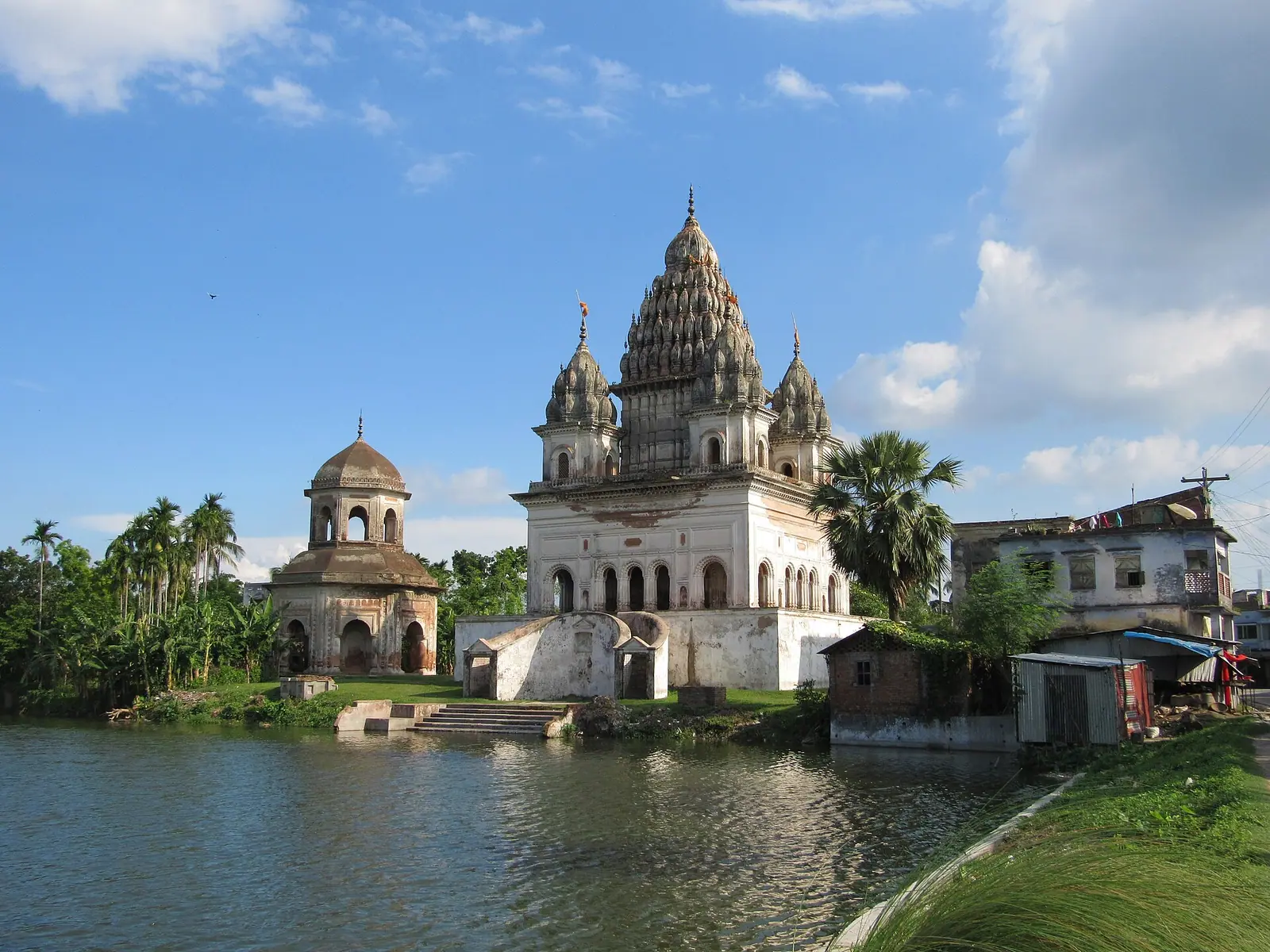
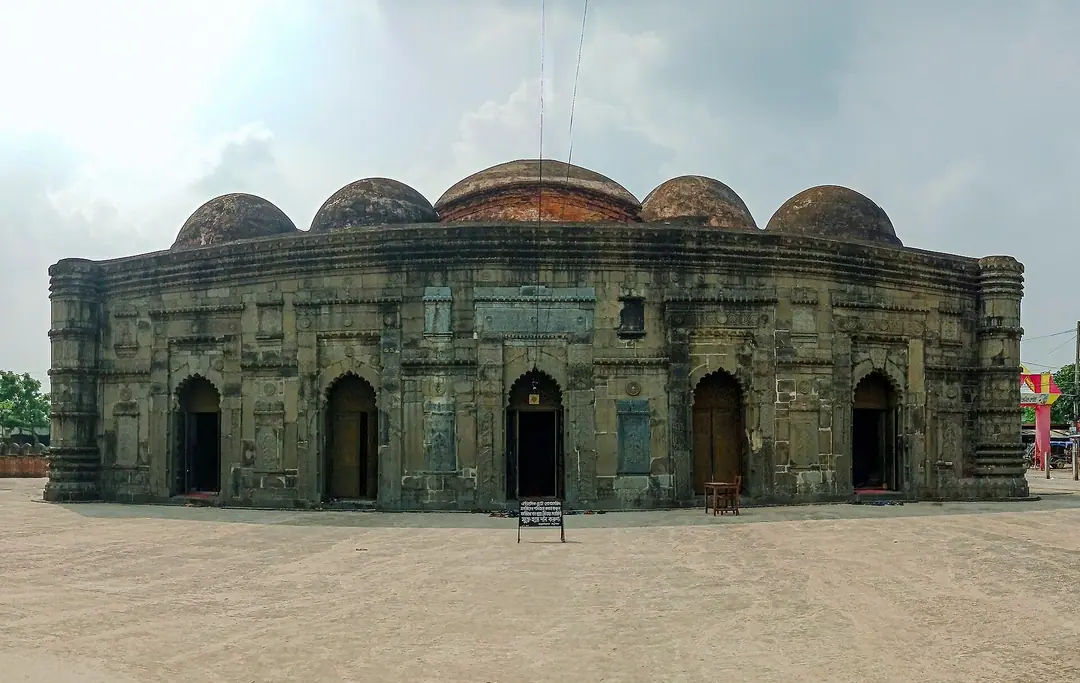
Puthia is the day trip most people take first. The temples stand beside ponds in a quiet village, built in terracotta-decorated brick with tall spires, and you can see the main ones in a morning. Bagha Mosque, a little further on, dates from 1523 and is known for its brick and terracotta ornament. Take water, wear shoes that come off easily, and cover your head and shoulders at religious sites.
Natore and Gaur
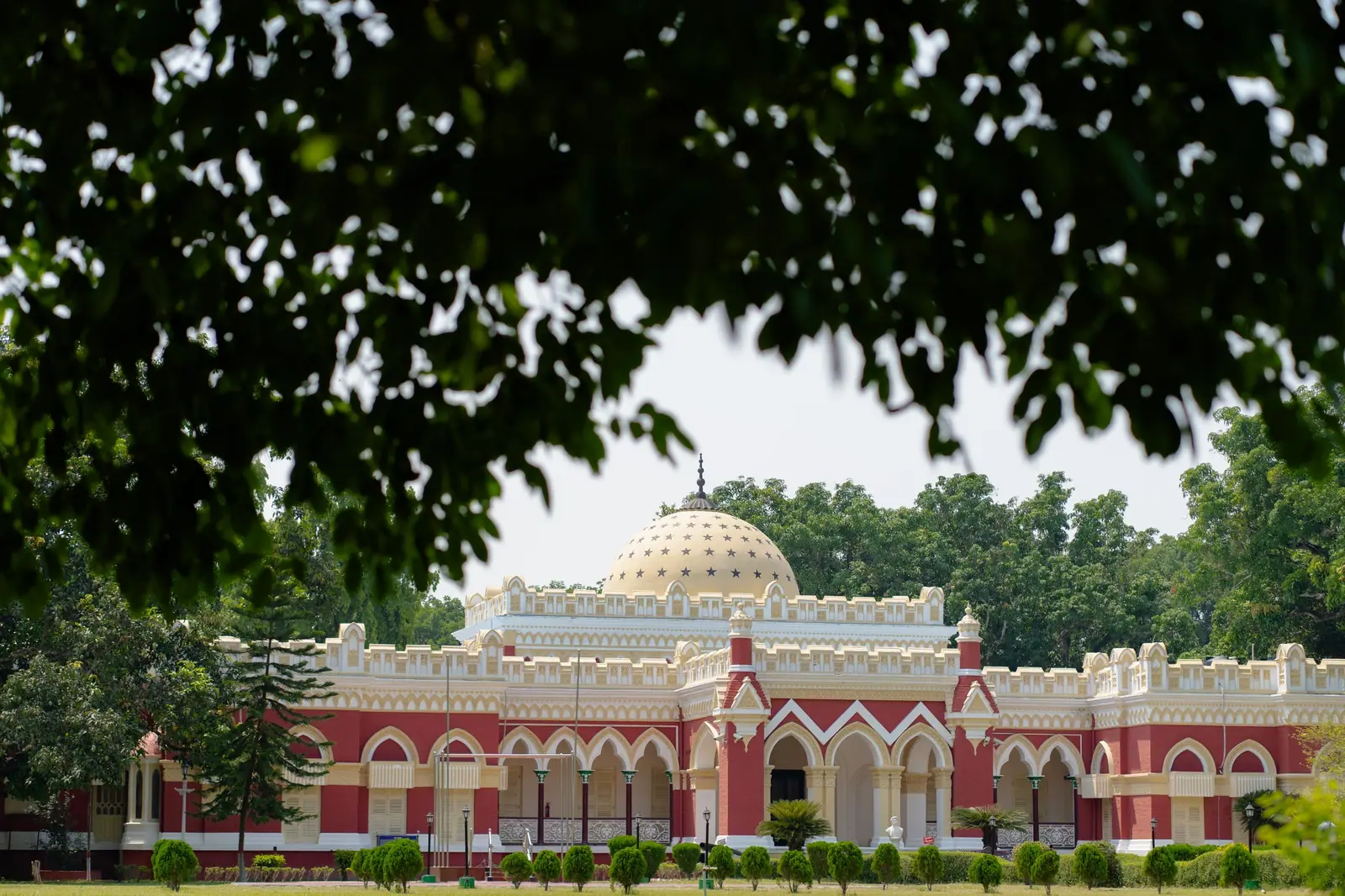
Natore’s palaces are the remains of a large zamindar estate. Uttara Ganabhaban is used as an official residence, so check which parts are open before you plan around it. In the other direction, the Chhota Sona Mosque at Gaur is the landmark most visitors come for on the Bangladesh side of the border. This area is close to the Indian line, so keep to the roads, carry your passport, and follow instructions at any checkpoint.
Paharpur and Mahasthangarh
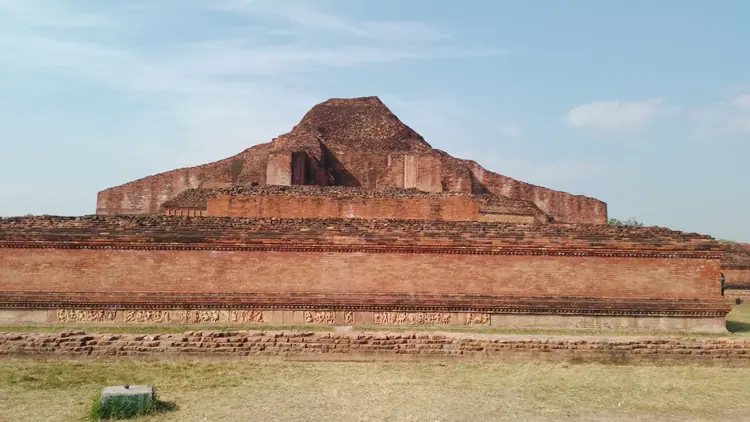
Paharpur, described in more detail in the Paharpur monastery guide, is the greatest monument of the region, an eighth-century monastery with 177 monks’ cells around a cross-shaped temple. It is closer to Bogura, about 45 km in a straight line, than to Rajshahi, about 82 km. Mahasthangarh, near Bogura, is a walled ancient city on the Karatoya. Doing both in a day from Rajshahi is possible but long, so sleeping in Bogura makes the visit calmer.
Getting there and around
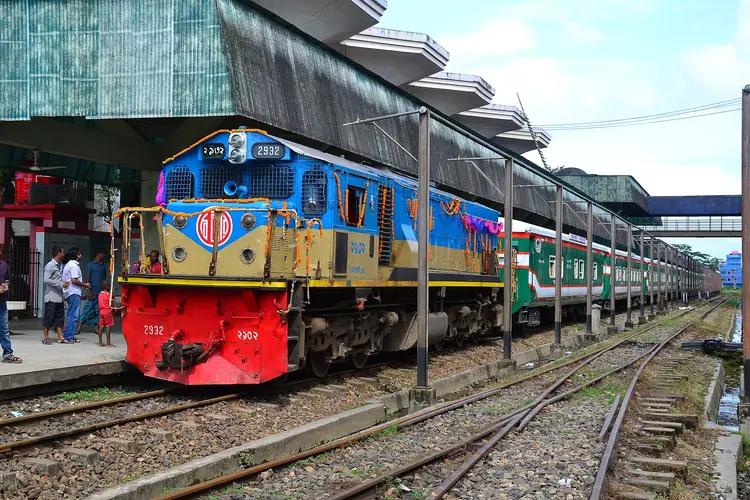
Trains and roads from Dhaka take five to seven hours, and the Jamuna Railway Bridge, opened in March 2025, serves lines to the north and west. Book on the official Bangladesh Railway e-ticket site. Rajshahi has an airport with domestic flights from Dhaka, which are quick but tied to fog in winter. Road travel over the Jamuna Bridge, opened in 1998, is the usual way to arrive by bus or car.
Inside the city, cycle rickshaws and CNG auto-rickshaws do the work. For the day trips, hire a car with a driver for the day: public buses go to the same towns but run to no schedule that suits sightseeing, and the temples and mosques are spread across villages. Agree the day’s route with the driver in the morning, and ask what time you will return.
Heat, fog and the seasons
The north-west has the sharpest seasons in the country. April and May are hot, with nor’wester storms that can drop the temperature for an hour. June to September is the monsoon, with heavy rain that closes some village roads. November to February is the comfortable season, though cold snaps can take the temperature close to 10°C, and fog on winter mornings delays trains and flights.
March and October ease into the extremes and are pleasant but short. For the whole country, the guide to when to visit has a month-by-month view, and the safety overview covers health and local conditions.
Eating, money and manners
Food in Rajshahi is simple and good. In the rains, hilsa from the Padma is the fish to look for, cooked with mustard or fried; in other months, river fish, lentils and vegetables fill the rice plates. Natore is known for kachagolla, a soft white milk sweet sold in boxes along the road, and Bogura for mishti doi. Mangoes, when in season, are sold by the basket everywhere.
Cash matters once you leave the city. ATMs are easy to find in Rajshahi, Natore and Bogura, but villages, temple sites and drivers expect notes in small denominations. At Hindu temples, remove your shoes before the platform, and ask before photographing worshippers or priests. At mosques, dress modestly, cover your head if asked, and avoid entering during Friday midday prayers.
Rajshahi’s outskirts are agricultural and quiet, with little in the way of tourist infrastructure. Build slack into your plans, keep your phone charged, and let your driver pick a lunch stop: simple roadside restaurants serve fresh rice, fish and vegetables, and the driver will know which ones are clean. Bottled or filtered water only.
A three-day plan
- Day 1 · Rajshahi and the east
Early start to Puthia and Bagha, back through Natore if the palace is open. Lunch in the city, then the Varendra Research Museum, and finish with the Padma embankment at dusk.
- Day 2 · The north
Drive north to Paharpur and the museum beside it, then on to Bogura for Mahasthangarh in the afternoon. Sleep in Bogura and try its mishti doi, the sweet set yoghurt.
- Day 3 · Onward
From Bogura, continue north towards Rangpur or return to Dhaka. If you did not sleep out, return to Rajshahi and spend the evening on the river.
Hotels to consider
Questions and answers
Is Rajshahi a good base for Paharpur?
It works, but only as a long day: Paharpur is about 82 km away in a straight line, farther by road. If Paharpur is the main goal, sleep in Bogura instead, which is about 45 km from the site. Rajshahi is the better choice when you also want Puthia, Natore and the river.
When is mango season in Rajshahi?
From late May to July, depending on the variety and the year. Orchards across the district fill with fruit and markets sell it in bulk. The weather then is hot and humid, with storms and the first monsoon rain, so go for the fruit rather than for walking, and carry water.
Can I buy Rajshahi silk, and how do I know it is real?
Silk shops in the city sell cloth by the length and as sarees. Quality varies, so look at the cloth in daylight, check the weave and the feel, and ask where it was made. A tailor can make it up for you. Buy from shops that give a clear receipt.
How do I get from Dhaka to Rajshahi?
By train or by road in roughly five to seven hours, or by a short domestic flight. Trains run on the official railway system, which you book on its e-ticket site, and the Jamuna Railway Bridge, opened in March 2025, serves the north-west. Check current timetables, and allow for fog in winter.
Is Puthia worth the trip from Rajshahi?
Yes. The Puthia temple complex, with its Pancha Ratna Govinda temple and the Bara Shiva temple of 1823, is the most rewarding half-day near Rajshahi. It sits about 24 km away in a straight line, and the village setting beside ponds is calm. Pair it with Bagha Mosque on the same morning.
Is it safe to walk along the Padma in Rajshahi at night?
The embankment is a popular evening walk for local families, and the main stretch stays busy until late. Stay on lit sections, keep an eye on your phone, and do not walk the riverbank edge in the dark, which can be unstable. Ask your hotel which sections are comfortable at night.
How cold does Rajshahi get in winter?
Colder than most of Bangladesh. Cold snaps in the north-west can bring the temperature close to 10°C, and mornings are often foggy, which delays trains and flights. Pack a warm layer and a scarf for early starts, and expect warm, sunny afternoons once the fog lifts.
Can I visit Gaur from Rajshahi in a day?
Yes, but it takes most of the day. The Chhota Sona Mosque and other medieval monuments near Chapai Nawabganj lie west of Rajshahi, close to the Indian border. Hire a car with a driver, carry your passport for checkpoints, and keep to the roads and the marked sites.