★★★★
Most visitors stay in Rajshahi city, on or near the Padma. The choice rests mainly on whether you want the central bazaar, the western neighbourhoods or the northern side.
Thanas with enough stays for a page of their own; the rest of the district is in the list below.
Five-star first, then four-star, then the rest by the booking supplier’s guest score. Prices are live in the IMPT app.
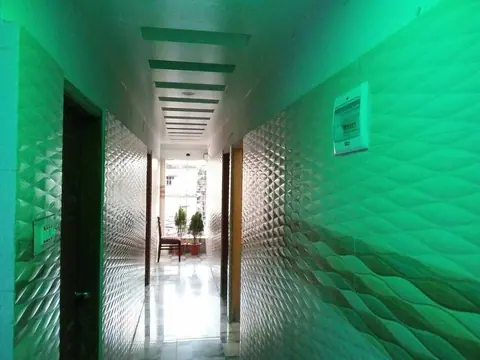
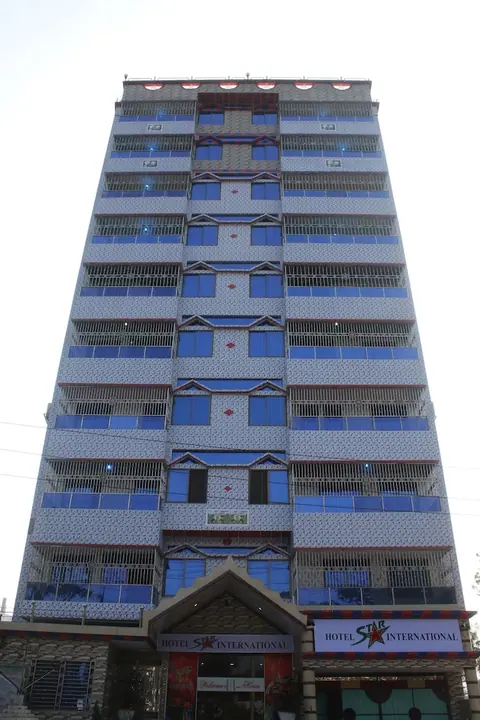
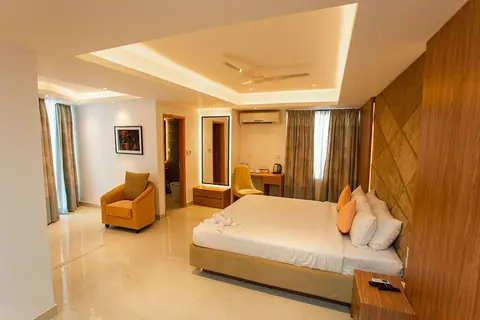
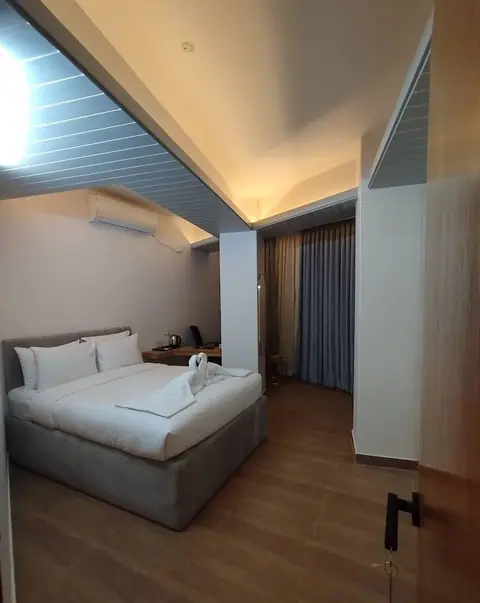
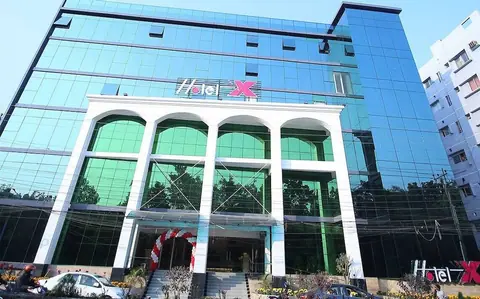
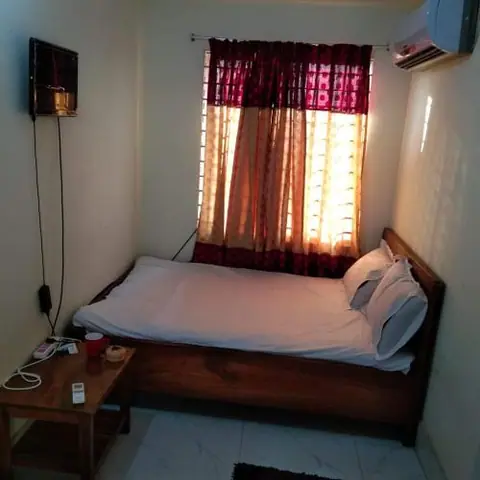
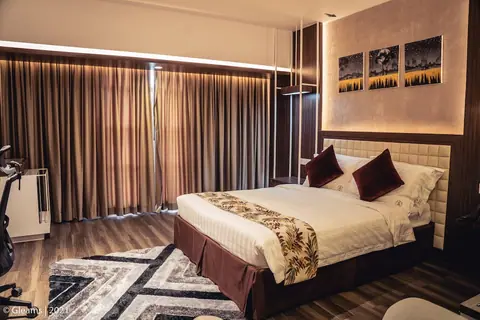
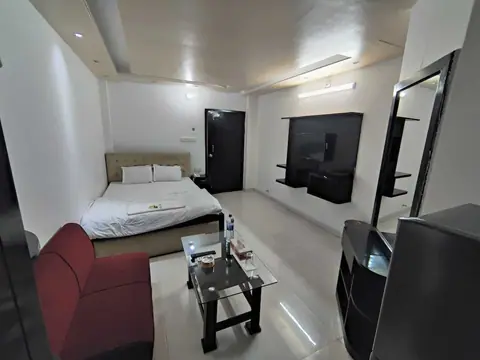
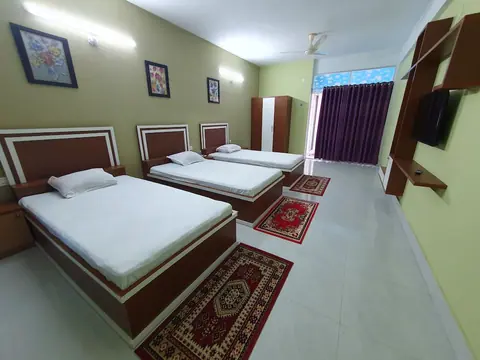
Rajshahi District suits travellers interested in museums, temple architecture, silk and unhurried evenings by the river, as well as people visiting the university, hospitals or offices. Choose a hotel by your daily errands. Boalia is the natural first choice for sightseeing. Rajpara works for the western city, and Shah Makhdum for those with reasons to be further north.
Rajshahi city is where most visitors look for a room. It stretches along the north bank of the Padma, and the river gives a simple sense of direction: the embankment marks the southern edge, while newer streets and roads out of town run inland. Boalia holds the central commercial area around Shaheb Bazar. It also includes Talaimari towards the eastern side, on the way to the university area. Rajpara covers neighbourhoods towards the west of the city.
Shah Makhdum lies on the northern side and has only a few places to stay. It is a more practical choice than a sightseeing one. Outside the city, the district becomes farmland, mango orchards, market towns and village roads, with heritage sites such as Puthia and Bagha. Travellers usually visit these as outings and return to the city at night. Check the exact position of any hotel on a map, because an area name can cover a wide spread of streets.
Boalia is the easiest part of Rajshahi for a first visit. Shaheb Bazar is the central market district, with everyday shopping, places to eat, banks and plentiful rickshaws. The Padma embankment is close by, so an early or late walk needs little planning. The Varendra Research Museum, founded in 1910, is about 1 km in a straight line from the middle of the district's hotels. The shrine of Hazrat Shah Makhdum, near the river, is another central landmark.
Rooms facing main roads here can be noisy, with horns and market traffic from morning into the evening. Ask for a room at the back or on a higher floor if you sleep lightly, and confirm that a lift is working if stairs are difficult. Talaimari, to the east, suits visitors with business at the engineering university or the University of Rajshahi further along. It places you away from the densest bazaar streets while keeping the centre within an easy ride.
Rajpara is a sensible choice if your visit centres on the western side of Rajshahi. The medical college hospital and the court area are the main reasons many people stay in this direction, including families accompanying a patient. A room nearby can save repeated cross-town rides. Ask about ground-floor access, meal arrangements and late entry if hospital visits will shape your day. The river embankment can also be reached from this part of the city, depending on where your hotel stands.
Shah Makhdum, on the northern side, has a smaller choice of stays. Consider it when your appointments are there, when you want to be on the airport side of town, or when a particular property meets your needs better than a central one. Expect to use a rickshaw or auto-rickshaw for sightseeing and for many meals. Check how easy it is to find transport after dark, and ask the hotel to explain the route in Bangla for drivers.
Rajshahi is linked with Dhaka by road, rail and domestic flights. Shah Makhdum Airport is about 7.4 km in a straight line from the middle of the district's hotels, and the road journey is longer. Air services to Rajshahi can be revised, so reconfirm your flight with the airline before fixing a pickup or day trip. The journey from Dhaka by road or train typically takes around five to seven hours, with traffic, holidays and weather capable of stretching it. Winter fog can delay both flights and trains.
Train tickets are sold through the official Bangladesh Railway site at https://eticket.railway.gov.bd/, and sale windows may change. Seats are in heavy demand around Eid and other holidays, so plan early. Within the city, cycle rickshaws cover short hops, while auto-rickshaws and battery easy-bikes serve longer ones. Agree the fare before setting off. For Puthia or Bagha, you can take a local bus or hire a vehicle with a driver, which gives more control over stops and the return.
In the city, start with the Varendra Research Museum, whose collections of sculpture, inscriptions and other antiquities give useful background to the archaeology of the region. Opening days and hours can change, so ask at your hotel or check with the museum before going. The Padma embankment is the other obvious outing, especially late in the afternoon. The river changes greatly with the season, with broad sandbanks in the dry months and much higher water during the monsoon. The far side approaches the international border.
Puthia, about 28.2 km in a straight line, is the main half-day trip. Its temples include the Pancha Ratna Govinda temple and the Bara Shiva temple of 1823, set around ponds and open ground. Dress modestly and ask before entering shrines or photographing worshippers. Bagha Mosque, dated 1523, is another historic site in the district. Longer excursions can take in Natore's palace complexes, Paharpur or Chhota Sona Mosque in Chapai Nawabganj, each needing a carefully planned day.
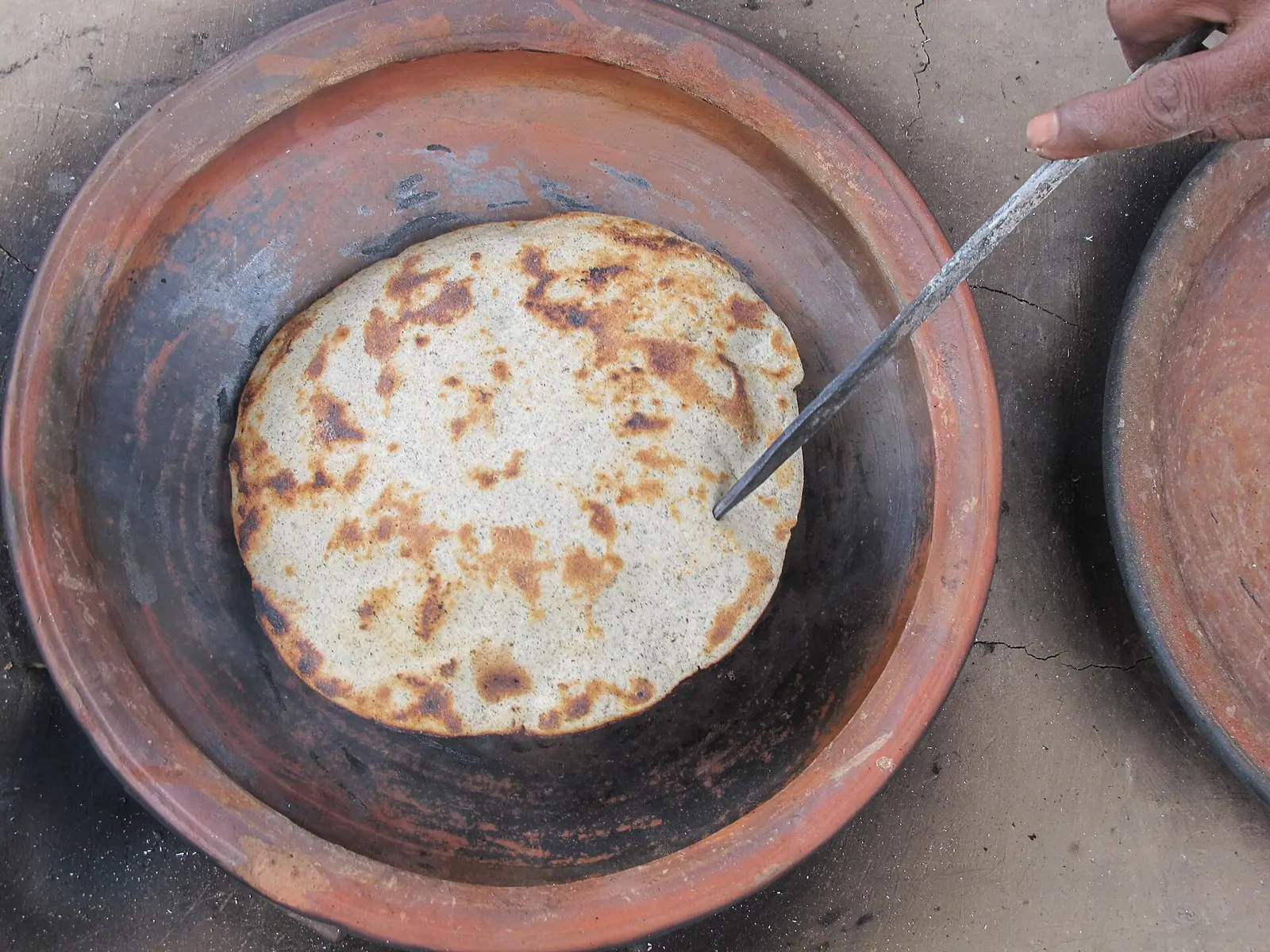
Local eating is straightforward. Look for kalai ruti, a flatbread made with black gram flour, served with chilli, onion or mashed aubergine, often at roadside stalls in the cooler hours. Rice meals with river fish, vegetables, dal and meat curries are common in simple dining rooms. Sweet counters sell milk-based sweets and curd. Mango season runs from late May to July. Choose food cooked fresh and served hot, drink bottled or filtered water, and never drink raw date-palm sap.
Carry taka cash for markets, stalls and transport, although ATMs are available in the city. Silk is the main thing to shop for, so compare weave and finish and ask what the fibre is before buying. Friday and Saturday form the weekend, and offices and some sights keep different hours. April and May are hot, while winter mornings can be cold and foggy. Dengue is a risk, worst during and after the monsoon, so use repellent.
Boalia is usually the most convenient choice. It includes Shaheb Bazar, sits close to the Padma embankment and keeps the Varendra Research Museum within easy reach. Transport and places to eat are plentiful. Light sleepers should ask for a room away from the main road.
Rajpara is worth considering if you are attending the medical college hospital or accompanying a patient there. Check the hotel's actual position on a map, since the area is wide. Before you book, ask about stairs, lift access, meal arrangements and late entry.
Shah Makhdum suits travellers with appointments on the northern side of the city or those who prefer to be towards the airport. The choice of stays is smaller than in the centre. Plan on using road transport for most sights and check availability after dark.
Road transport covers the transfer from Shah Makhdum Airport into the city. Ask your hotel in advance whether it can arrange a pickup. Otherwise, take a taxi or auto-rickshaw where available and agree the fare first. Confirm flight times with the carrier, especially in foggy weather.
Yes, Puthia is commonly visited from Rajshahi city and fits into half a day for many travellers. A hired vehicle gives flexibility, while local buses serve people comfortable with changes and waiting. Start early, dress modestly and check access to individual temples locally.
Mangoes are generally in season from late May to July, with different varieties ripening at different points. The exact timing depends on the weather and on local harvest announcements. The period includes hot weather and the start of the monsoon, so choose a room with reliable cooling.
Rajshahi city has silk showrooms and market sellers, and Shaheb Bazar is a convenient place to begin looking. Compare several pieces, ask about the fibre and weave, and check the finish closely. Opening days vary, so ask your hotel before crossing town.
November to February is the dry, cooler season and generally the easiest time for walking and day trips around Rajshahi, though early mornings can be chilly and misty. Expect strong heat and sudden storms in April and May, followed by monsoon rain from June to September.
Photo credits: Moheen Reeyad, CC BY-SA 4.0, via Wikimedia Commons.