One booking. One tonne.
একটি বুকিং। এক টন।
Every hotel booking made through IMPT, on impt.bd or on any other IMPT site, funds one tonne of verified CO₂ offset. The offset is part of the price you already see, there is nothing extra to pay, and what was offset is reported for each trip.
- 01Included, never an extra
It is part of the price, not a checkout add-on.
- 02One tonne per booking
Funded with the booking, however many nights it has.
- 03Reported on your trip
What was offset is attached to that journey.
How the offset works.
Four steps, in this order. Nothing is added at checkout, and none of it needs anything from you beyond the booking itself.
- 01You book a room at the live rate
The price on the page is the live rate for the dates you picked. Nothing is added to it for carbon.
- 02IMPT funds one tonne of verified CO₂ offset
Every single booking funds one tonne, whichever IMPT site it was made from.
- 03The credit is retired against a registered project
The tonne is matched to a registered climate project and retired there, so the same tonne cannot be counted twice.
- 04The offset is reported on your trip
What was offset is attached to that journey rather than to a year-end total.
The tonne is not an average spread across a year and not a block bought in bulk at the end of one. It is funded booking by booking.
Bookings in, tonnes out.
One booking, one tonne, however many nights it has. Count the hotels you will book on your route and see what they fund.
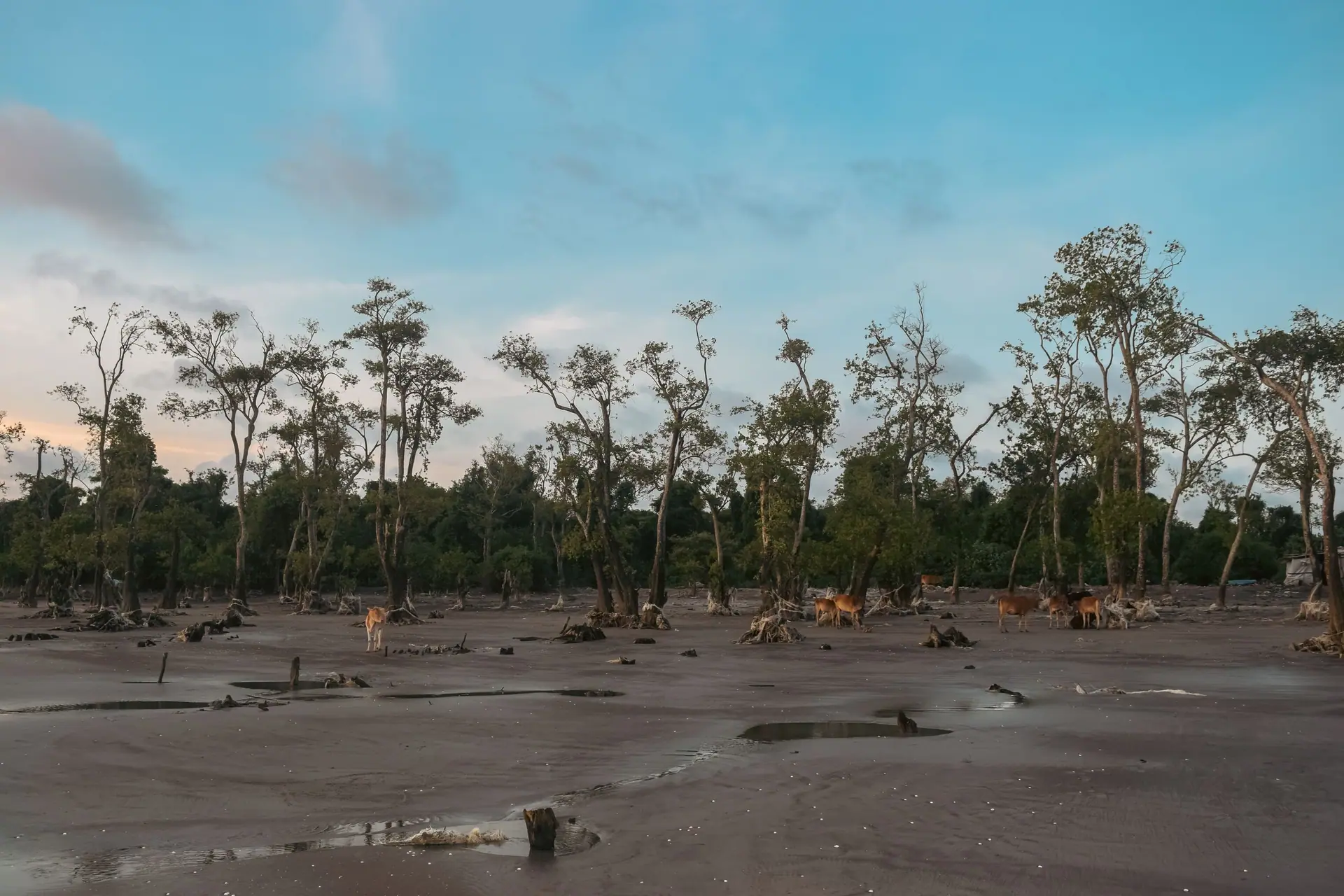
সুন্দরবন The Sundarbans · why it matters here
The Sundarbans stand between the Bay of Bengal and millions of homes. Every booking made through IMPT funds one tonne of CO₂, included in the price, never added to your bill.
Why carbon matters in Bangladesh
Bangladesh is a low river delta, and the way its land, water and energy behave is closely tied to the climate. This local layer explains what that means on the ground, from the mangroves of the south to the wetlands of the north-east, and what a traveller can do. It sits beside the IMPT projects above, and it makes no claim beyond what is written here.
Why carbon matters in a delta country
Most of Bangladesh is a low river delta, built by silt from the Jamuna, the Ganges, the Padma and the Meghna. Land that sits this close to the water responds quickly to changes in rain, rivers and sea. That is why climate talk in Bangladesh is rarely abstract: it is about where a bank holds, which field floods and whether a creek turns salty. Visitors who travel by river or road soon see how much daily life depends on water.
IMPT's official wording is simple. Every hotel booking made through IMPT funds one tonne of verified CO2 offset. It is part of the price, nothing is added, and what was offset is reported for each trip. The measure is per booking, so a long stay and a short stay are counted the same way. The aim is a clear, honest figure that a guest can check, with no larger promise attached.
The IMPT register of carbon projects listed forty projects on 25 November 2026, and none of them is in Bangladesh. This page therefore does not say that a booking pays for any work here. It also does not say that a trip, a hotel or a website has no footprint. What it offers is local background: how carbon, climate and ordinary life meet in this country, and which travel habits help.
The Sundarbans and its mangroves
The Sundarbans lies at the mouth of the Ganges, the Brahmaputra and the Meghna, shared by Bangladesh and India, with the larger part in Bangladesh. The Ramsar list describes it as the largest contiguous mangrove forest in the world. The Bangladesh part of the forest became a Ramsar site in 1992, and the Sundarbans was added to the World Heritage list in 1997. Few places in the country carry more international recognition.
Ramsar names the Bengal tiger, the masked finfoot and the northern river terrapin among its species, and describes the forest as a nursery and spawning area for fish. It also protects the coast from cyclone surges, which is why people living behind it care about its health. The pressures on the forest are less fresh water arriving from upstream, pollution and rising salinity. Each of these is a slow change that can be measured over years.
Mangroves hold carbon in their wood, in their roots and in the waterlogged mud beneath them, which is one reason scientists pay attention to them. No figure is given here, because the amount varies and a visitor cannot judge it from a boat. The forest is entered only by boat, with a licensed operator and a Forest Department permit. In recent years it has been closed from 1 June to 31 August for the breeding season, so check before planning.
Rivers that move: erosion, chars and daily life
The Jamuna, the Ganges, the Padma and the Meghna do not stay where they are. They move their banks, so land is lost in one place while new sandbars appear in another. These sandbars are called chars, and people farm and settle on them for as long as they last. Banglapedia records the process as a normal feature of the delta, and it has shaped where villages stand and why many are built on raised ground.
In October 2026, bdnews24 reported a satellite analysis by CEGIS, a Bangladeshi research centre. It found that erosion along the main rivers since 1973 is far greater than the new land that has formed, and that the Jamuna has lost the most. This page gives no numbers, because they are best read from the source. The finding matters because it shows that the loss of land is steady and ongoing, not a rare event.
Families on chars and on eroding banks move when the land goes, sometimes more than once. For a visitor this appears as collapsed banks, houses set back from the edge and trees leaning over the water. It is daily life, not a spectacle. Ask before photographing anyone, listen to what people say about their own river, and treat a visit to a char as a visit to a home, not to a sight.
Haor wetlands of the north-east
Haors are bowl-shaped basins in the north-east, in greater Sylhet and Mymensingh, and Banglapedia says they are of tectonic origin. In the monsoon they hold wide open water, with villages standing on mounds like islands. In the dry season the water draws back into shallow lakes called beels, and the basin becomes rice land. One landscape thus has two faces, and a visitor sees a different place depending on the month.
Tanguar Haor, in Sunamganj at the foot of the Meghalaya hills, has been a Ramsar site since 2000. It has swamp forest, serves as a breeding ground for fish and hosts waterbirds in winter. Mongabay reported in 2023 that fewer migratory birds have been counted in recent years, with disturbance among the reasons given. That is a useful reminder that a wetland can be damaged quietly, by noise, nets and boats, as well as by big changes.
Hail Haor and Baikka Beel, near Sreemangal, are known for winter birds. Ratargul, near Sylhet, is a freshwater swamp forest that is best seen after the rains. When you visit any of them, keep engines and voices low near birds, avoid feeding wildlife, carry your litter out and hire a local boatman who knows the water. These small habits protect the very things that people travel to see.
Energy at home: solar systems and cookstoves
Electricity reached many Bangladeshi villages through small solar panels before it reached them through a grid. A programme run by IDCOL, the state-owned development finance company, began in 2003 and worked with NGOs. According to a World Bank release of April 2021, it gave about 20 million people electricity, and in many homes it replaced kerosene lamps. A lamp that gives light without smoke changes how a family reads, studies and cooks in the evening.
Improved cookstoves are a second quiet change. They have been promoted through IDCOL with the World Bank and by other programmes, and a better stove uses less firewood and dung and makes less smoke. That helps in two ways: it reduces what a family burns, and it cleans the air in a kitchen where women and children spend many hours. No figure is given here, because results depend on the stove and on how it is used.
The picture keeps changing. The grid has since reached far more homes, and some solar systems are now out of use. For a traveller the lesson is general: a home may be powered in several ways, and energy is a question of daily choices, not only of large projects. If a host or a guide wishes to talk about how the house is lit or cooked in, listen. It tells you something real about the area.
Travelling lighter, and what visitors can support locally
Trains and launches carry many people on each journey, so they are a sensible choice for long legs where they fit your route. Check schedules, because they change, and book tickets through the official railway site. River travel has its own safety rules: never board an overcrowded launch or travel in a storm. Where a road journey is the only way, share the car and ask the driver to avoid long idling, and keep the route as direct as you can.
Staying longer in fewer places is the simplest low-carbon habit, and it also makes for a better trip. Travel by day, when you can see the landscape and when connections are easier. In the heat, use fans and the cool hours of morning and evening in place of constant air conditioning, and switch off lights and cooling when you leave a room. A slower plan costs less effort and leaves time to notice where you are.
Refill a bottle with water that is safe to drink, and carry your litter out of wetlands and forest. Plastic bags are restricted in Bangladesh, so check the current rule and carry a cloth bag. Keep engines and music low near birds. Hire local guides and boatmen, who know the water and are paid directly. These choices will not erase a trip's footprint, but they spend your money and your time where they do some good.
See it from the water.
The mangrove forest itself, and the city its boats leave from.
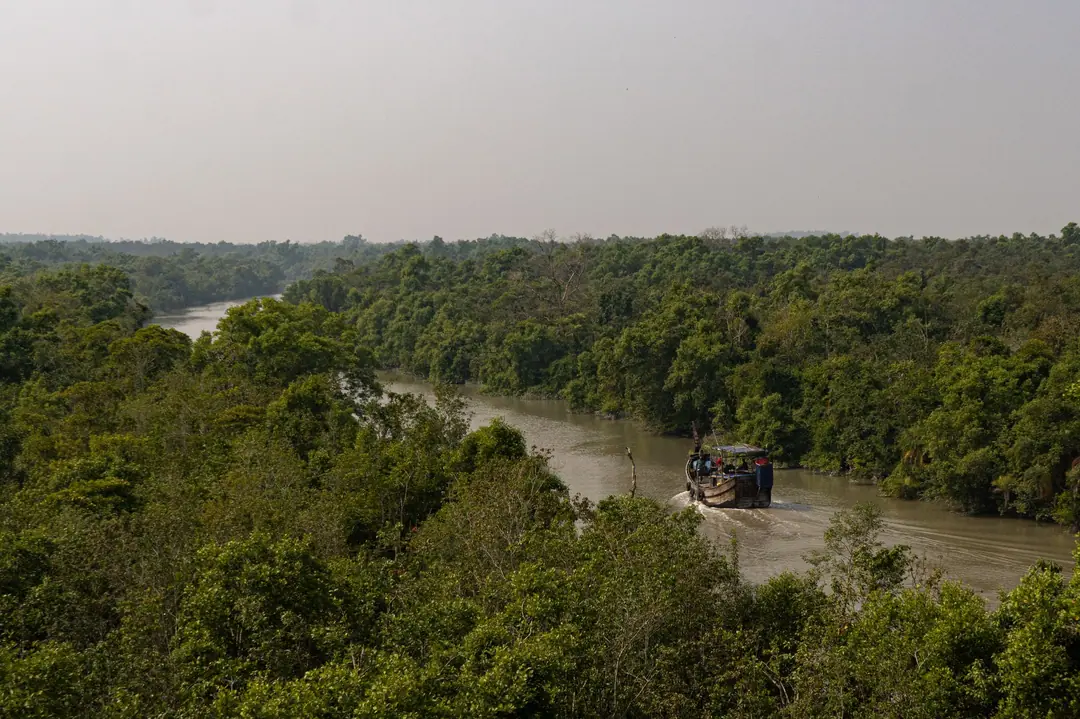 Wildlife
A Sundarbans boat trip
Three days on the tidal channels of the world’s largest mangrove forest — what happens, what you’ll see and how to choose an operator.
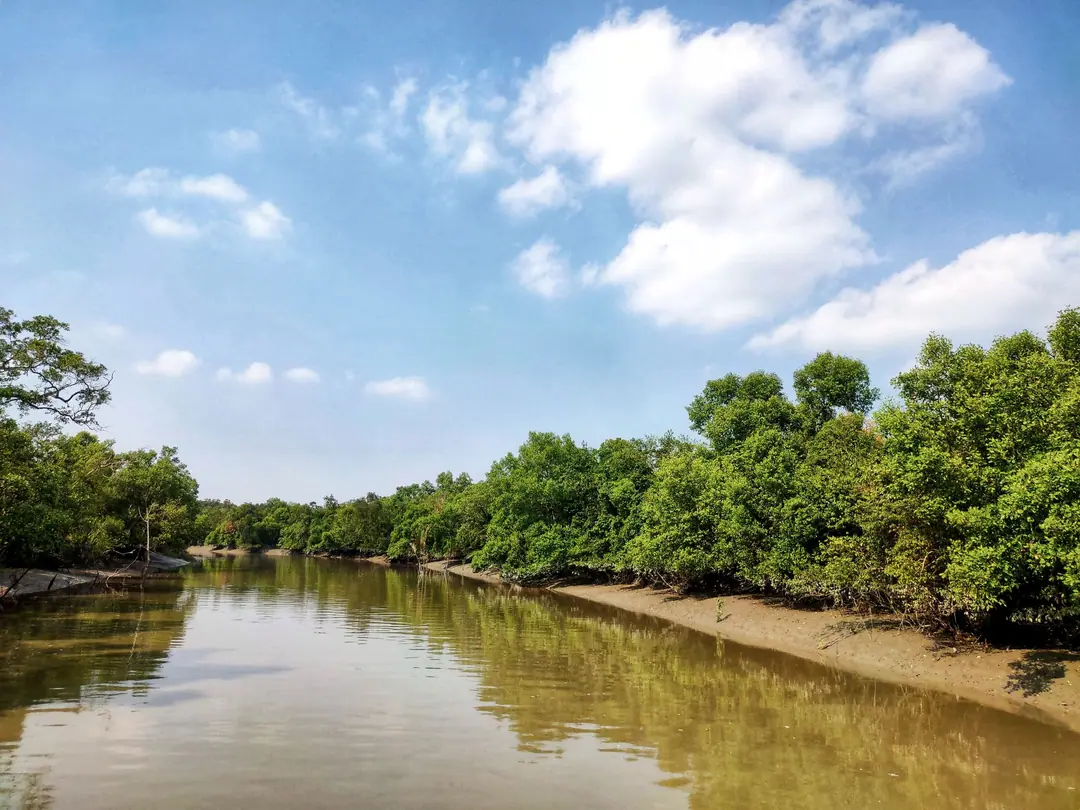 The mangroves
Khulna and the Sundarbans: where to stay
The gateway to the world’s largest mangrove forest and the mosque city of Bagerhat — two UNESCO sites in one trip. Where to sleep, how to get there and how to fit it all together.
Where the tonne goes.
The credits are retired against registered climate projects. The list is read from the IMPT project register; descriptions come from the register itself.
 hydro · India · Vintage 20221.2 MW Vetamamidi Mini HydelThis 1.2 MW hydroelectric project by AP Tribal Power in Vetamamidi, Andhra Pradesh, continuously reduces GHG emissions and is registered under the…
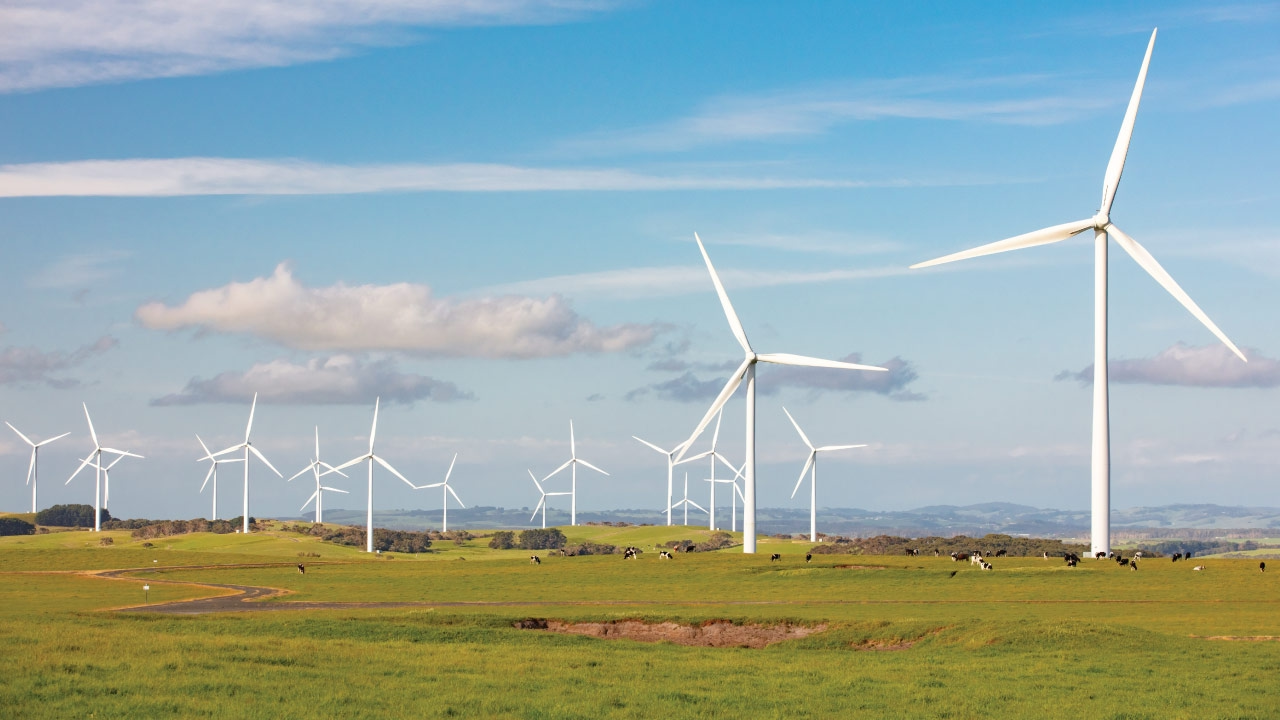 Wind Energy · India · Vintage 20211.4 MW Wind by Ravikiran CeramicsThis 1.4 MW bundled small-scale wind power project by Ravikiran Ceramics is expected to generate approximately 2,452 MWh annually, reducing CO2…
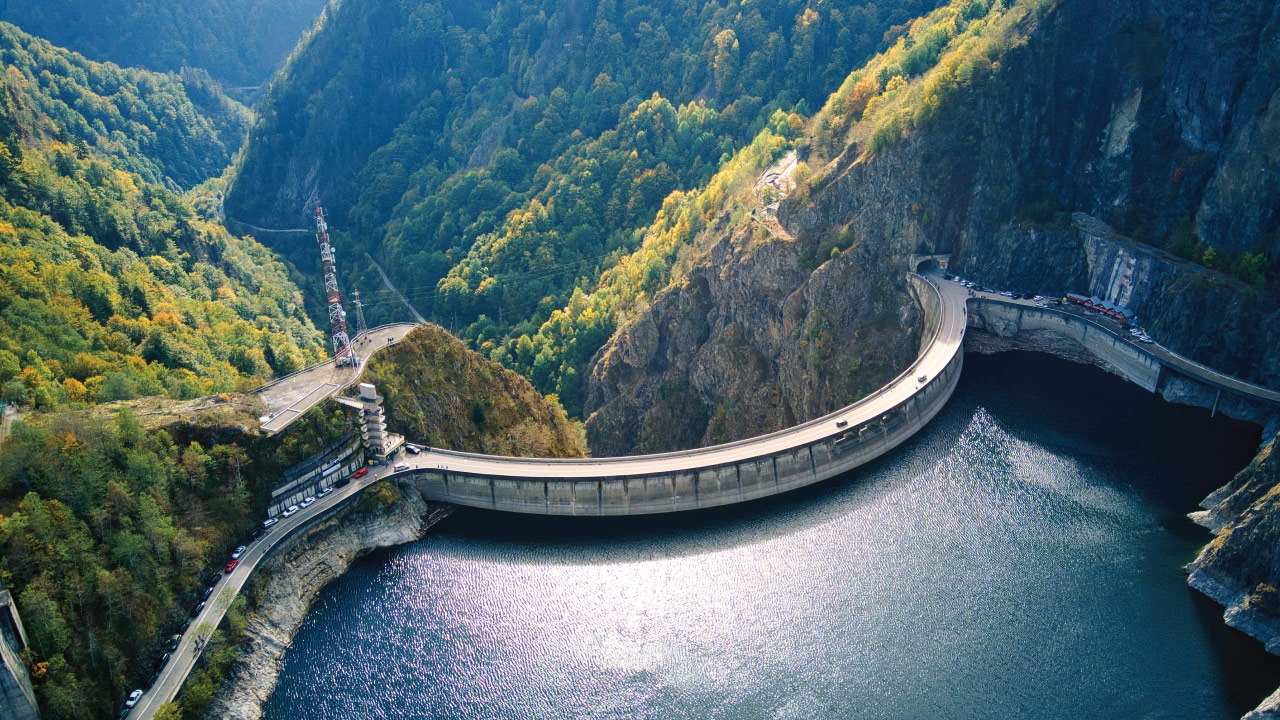 Hydro · India · Vintage 202210 MW Hydro by Mohite IndustriesThis 10 MW grid-connected small-scale hydro power project by Mohite Industries utilizes water reservoir potential to generate clean energy, reducing…
 Sustainable Agriculture · India · Vintage 202218 MW Biomass at GM SugarsGM Sugars has established an 18 MW cogeneration power plant.
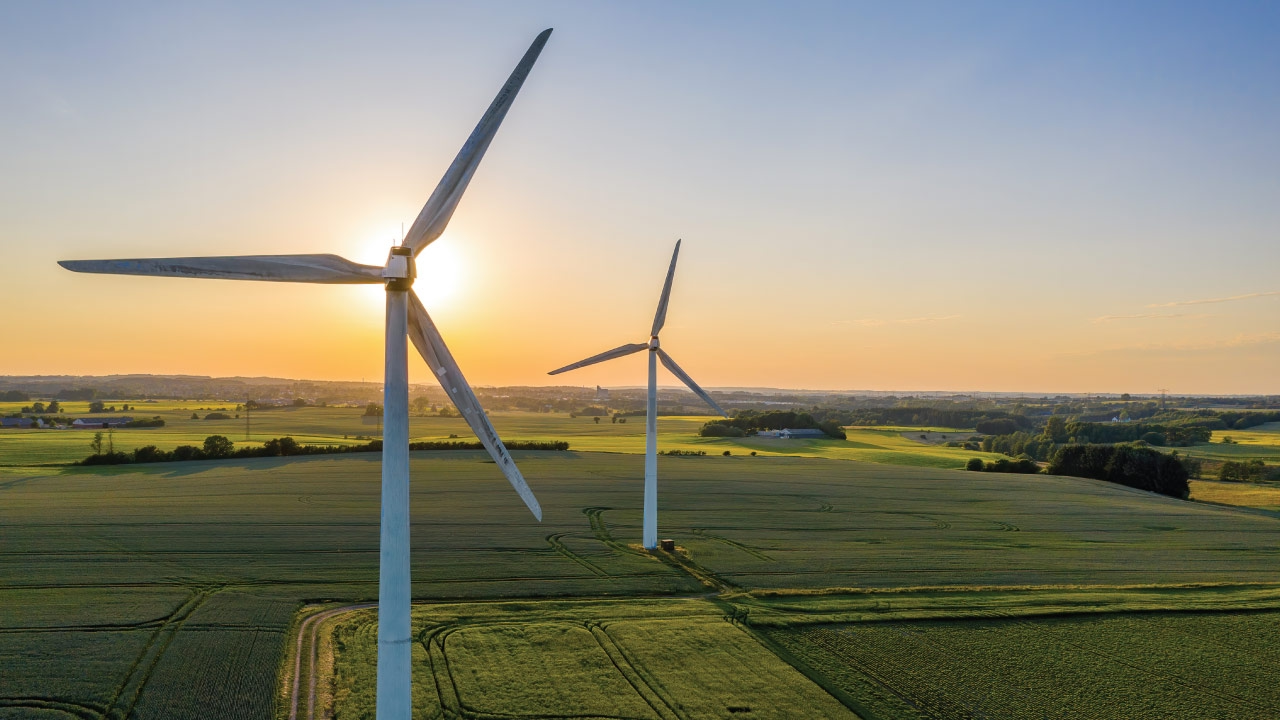 Wind Energy · India · Vintage 20222.1 MW Wind by Wintas TextilesThis 2.1 MW small-scale wind power project by Wintas Textiles, located in Kutch, Gujarat, aims to reduce CO2 emissions by 3,311 tCO2e annually…
 Wind Energy · India · Vintage 20212.1 MW Wind Power by CTXThis project involves a 2.1 MW small-scale wind power installation by CTX Life Sciences in Kutch, Gujarat, contributing to renewable energy…
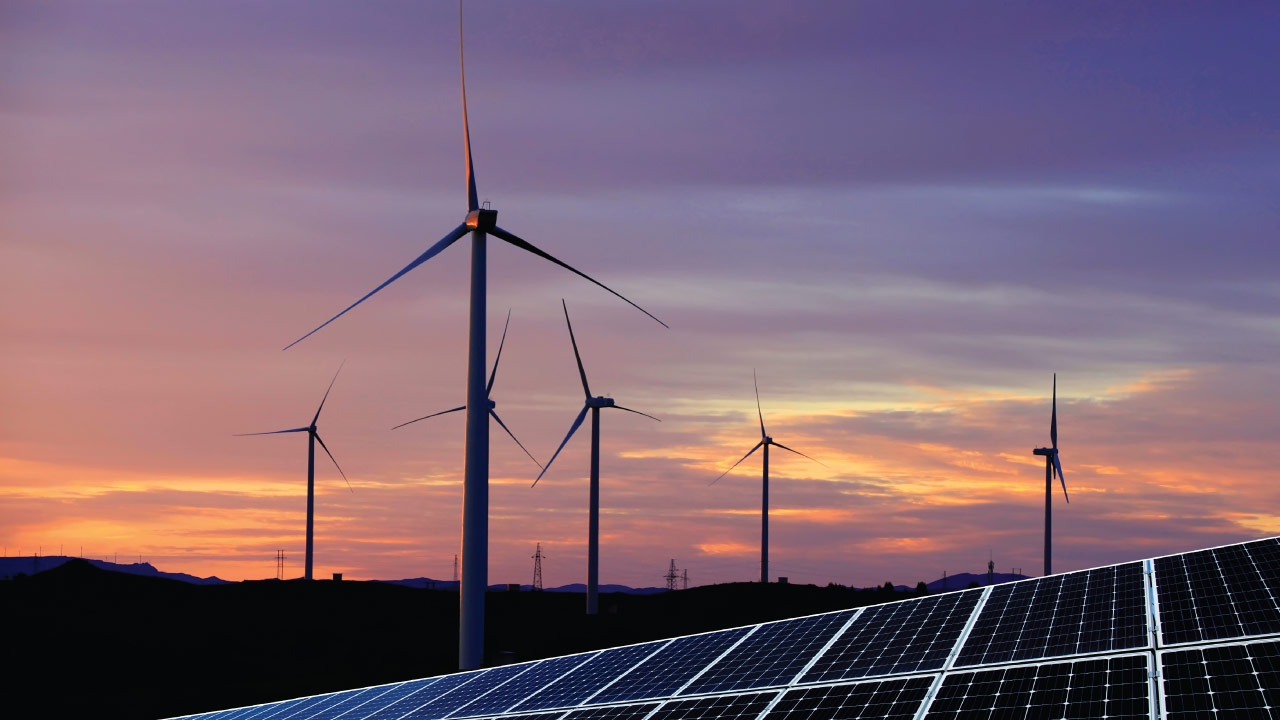 Wind Energy · India · Vintage 20212.5 MW Wind by Investment & PrecisionThis renewable energy project by Investment & Precision Castings involves installing two 1.25 MW wind turbine generators, totaling 2.5 MW, in…
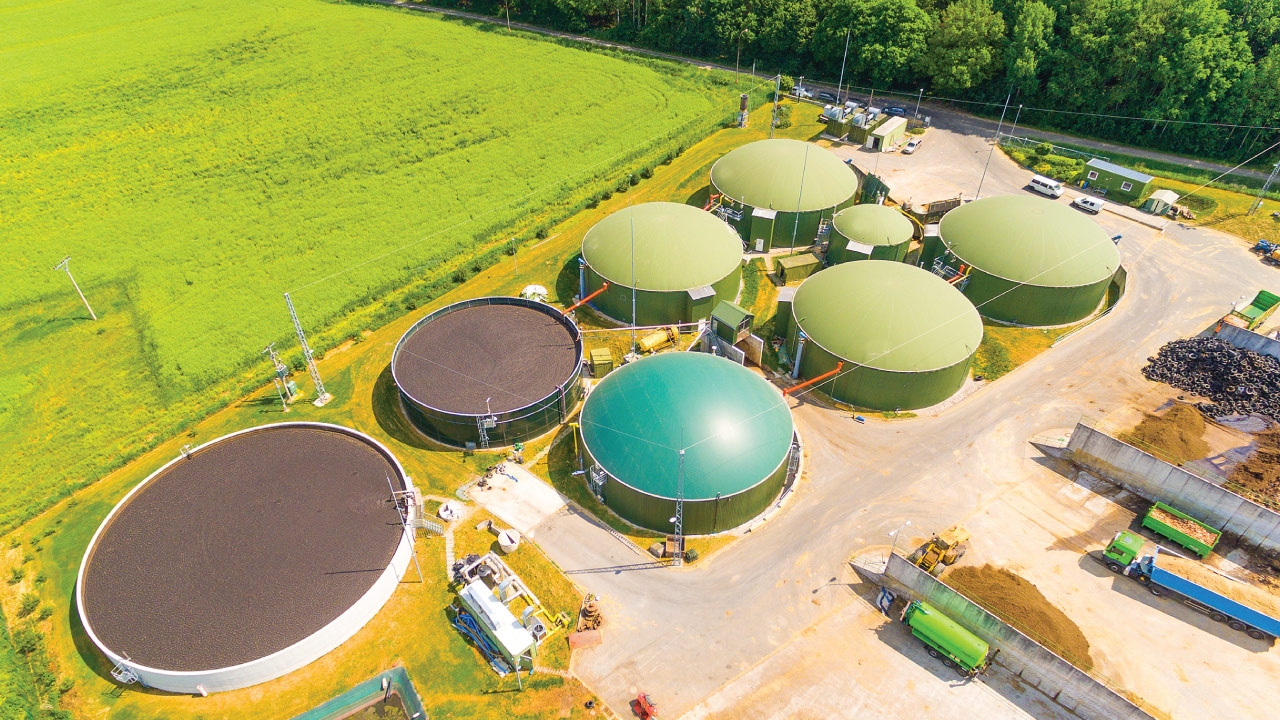 Sustainable Agriculture · India · Vintage 202228.7 MW Biomass by CBKSSKNLocated in Nanadi, Karnataka, this project comprises two units: a 20.7 MW unit operational since 2004 and an 8.0 MW unit operational since 2020.
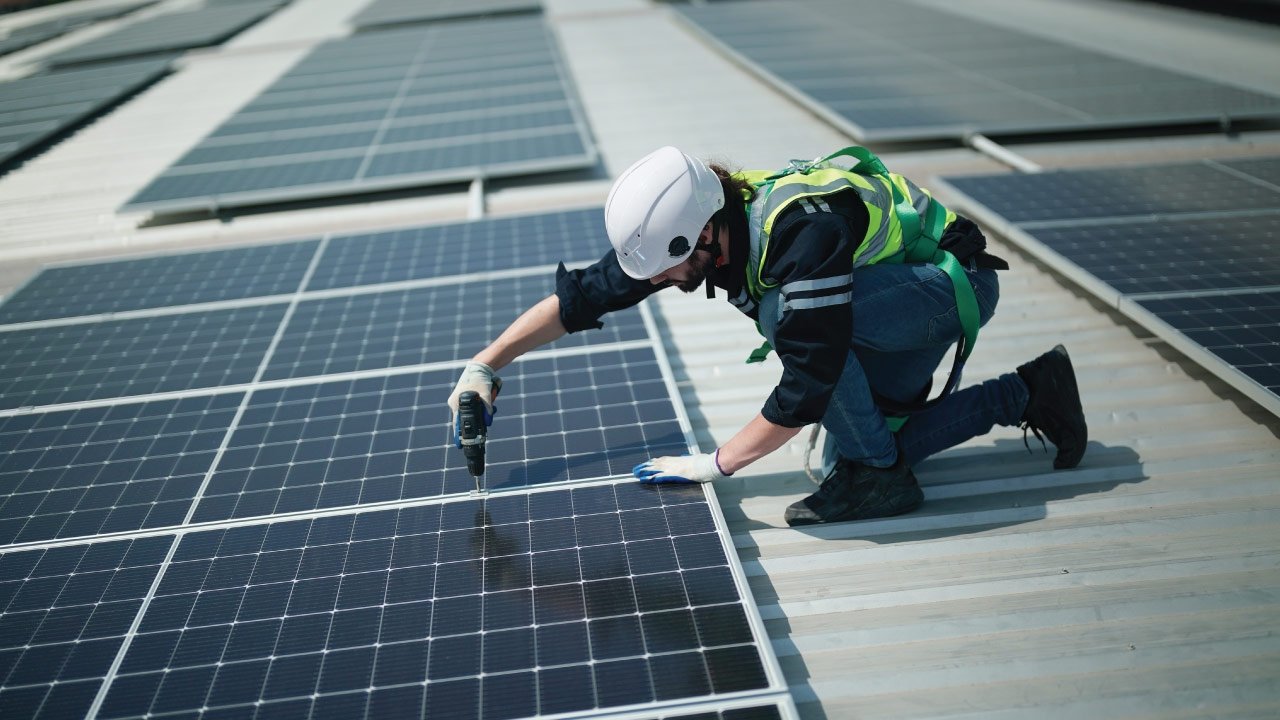 Solar power · India · Vintage 20223 MW Solar PV by Eaama EstatesLocated in Vizianagaram, Andhra Pradesh, this 3 MW solar PV plant by Eaama Estates generates 6570 MWh annually, reducing emissions by 5913 tCO2e and…
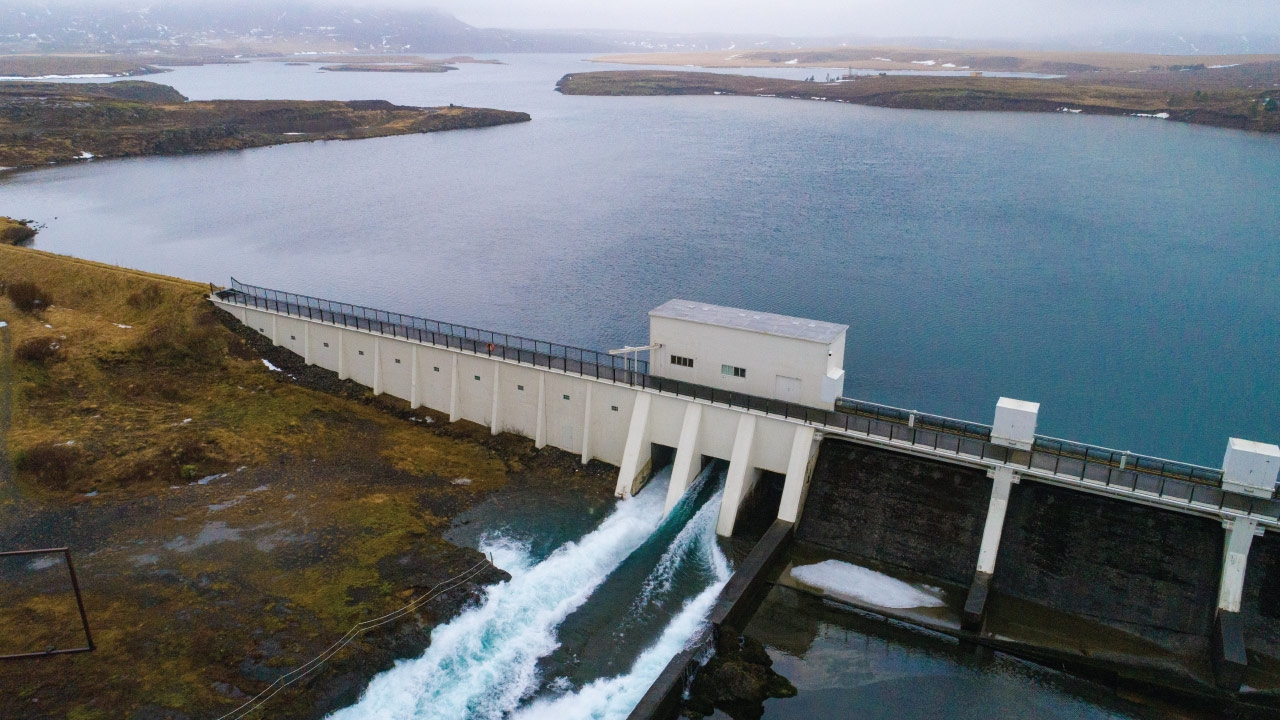 hydro · India · Vintage 20223.75 MW Khari-1 Hydro PowerThis 3.75 MW hydroelectric project in Ramban, Jammu and Kashmir, is grid-connected and expected to reduce CO2 emissions by 11,826 tCO2e annually,…
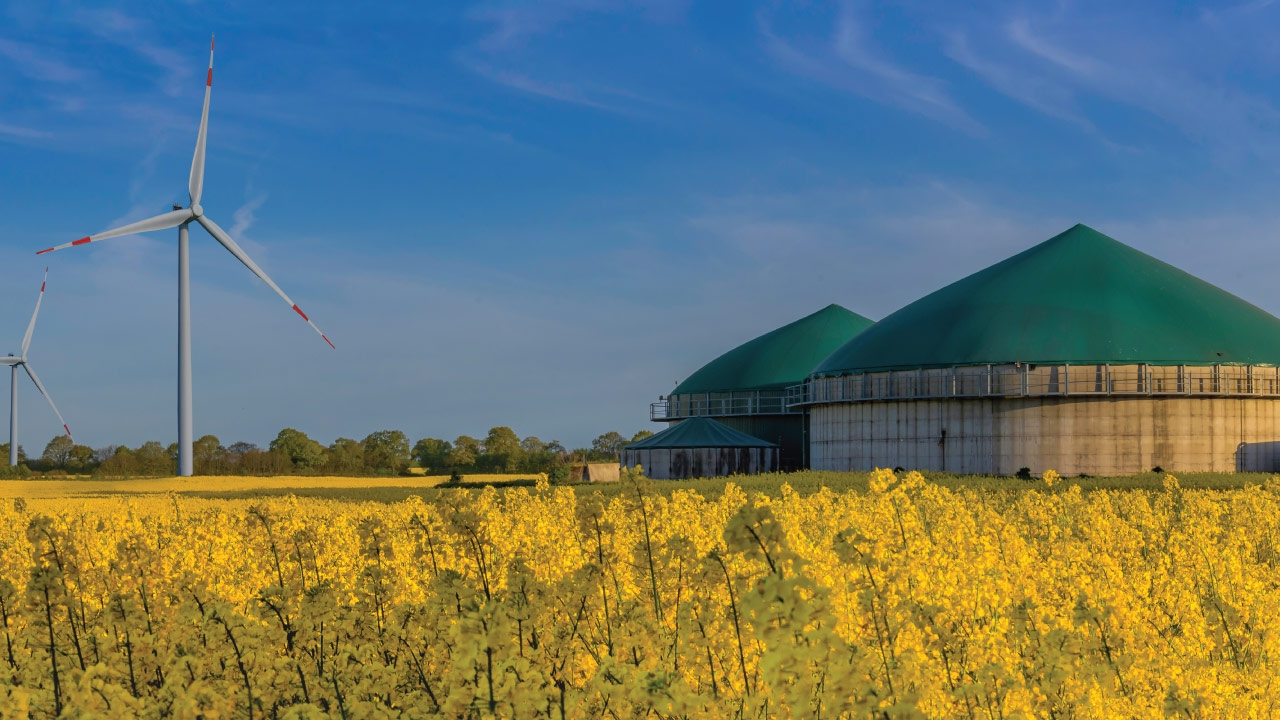 Sustainable Agriculture · India · Vintage 2022Andhyodaya Rural Biogas Phase 1This project sets up 11,867 biogas plants in rural Kerala, replacing traditional wood stoves with biogas technology using cow dung, thereby reducing…
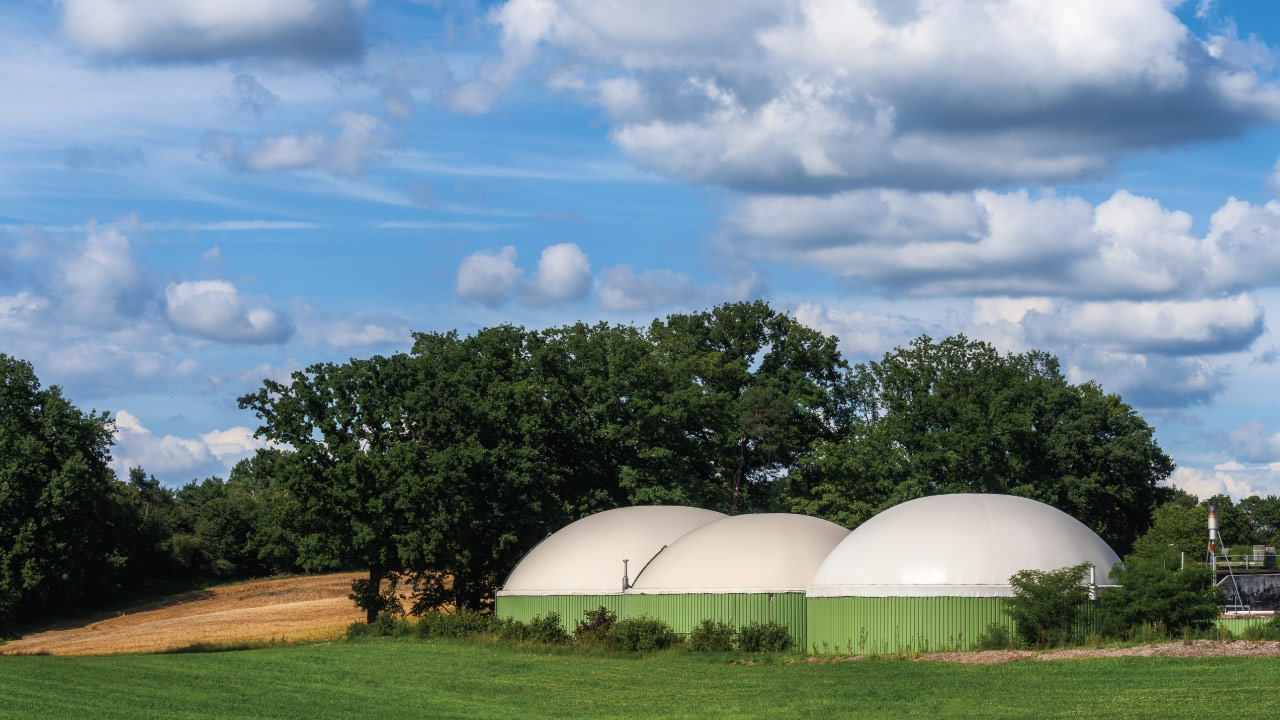 Sustainable Agriculture · India · Vintage 2022Andhyodaya Rural Biogas Phase 2This project establishes 13,828 biogas plants in rural Kerala, providing smokeless and soot-free renewable heating solutions with significant…
Buy or gift offsets.
You do not have to book a room to fund a tonne. Both vouchers live in the IMPT app.
Verified offsets, instant email delivery.
Carbon Credit Voucher in the IMPT app →A hotel stay as a gift, redeemable for hotel bookings in the IMPT app.
Hotel Credit Voucher in the IMPT app →The offset on a booking is funded by the booking. The vouchers are separate; a stay does not need one.
The tonne, plainly.
Sources: IMPT project register (platform.impt.io); Bangladesh Forest Department, Bangladesh Meteorological Department. Reviewed 25 November 2026.
Does a stay booked through IMPT offset carbon in Bangladesh?
Every booking made through IMPT funds one tonne of verified CO2 offset, as part of the price, and what was offset is reported for each trip. The IMPT register of projects has no project in Bangladesh, so this page does not claim that the offset happens here. The projects are listed above, and the figure is counted per booking.
Does booking a hotel remove the footprint of a trip to Dhaka?
No. A booking funds one tonne of verified CO2 offset, which is a clear and reported contribution, but a flight, a drive or a stay still causes emissions. The sensible reading is that the offset sits beside good travel choices, not in place of them. Staying longer, travelling by train and keeping energy use low all still matter.
Why do the mangroves of the Sundarbans matter for carbon?
Mangroves hold carbon in their wood, in their roots and in the waterlogged mud beneath them, and the Sundarbans is described by Ramsar as the largest contiguous mangrove forest in the world. The forest also shelters fish and tigers and softens cyclone surges along the coast. No figure is given here, since amounts vary across the forest.
How do rivers such as the Jamuna change the land of Bangladesh?
The Jamuna, the Ganges, the Padma and the Meghna move their banks, so land is lost in one place and new sandbars called chars appear in another. A satellite analysis by CEGIS, reported in October 2026, found that erosion along the main rivers since 1973 is far greater than the new land formed, and that the Jamuna lost the most.
Why do haor wetlands in Bangladesh matter for wildlife and climate?
Haors are bowl-shaped basins in the north-east that hold wide water in the monsoon and shallow beels and rice land in the dry season. Tanguar Haor in Sunamganj has been a Ramsar site since 2000, with swamp forest, fish breeding grounds and winter waterbirds. Keeping noise and rubbish away from them helps the birds that rely on them.
How did solar home systems change village life in Bangladesh?
A programme run by IDCOL from 2003, together with NGOs, gave about 20 million people electricity, according to the World Bank in 2021. In many homes it replaced kerosene lamps, which give light with smoke. The grid has since reached more homes, and some of the early systems are now out of use.
What are improved cookstoves in Bangladesh?
They are stoves designed to burn less fuel and make less smoke than an open fire. They have been promoted through IDCOL with the World Bank and by other programmes, and a better stove uses less firewood and dung. Results differ with the stove and the way it is used, so no single figure is given here.
Is train travel a lower carbon choice for visitors in Bangladesh?
Trains and launches carry many people on each journey, so they suit long legs of a route where they fit your plans. No comparison figure is given here. Check the official railway site for schedules, expect delays, and never board an overcrowded launch. Staying longer in fewer places also lowers the amount you travel.
How can a visitor help protect wetlands and forest in Bangladesh?
Keep engines, music and voices low near birds, carry litter out, avoid feeding wildlife and hire local guides and boatmen who know the water. Use a licensed operator and a Forest Department permit for the Sundarbans, which has been closed from 1 June to 31 August in recent years. Check dates before you plan, as rules change.
Does the tonne of CO₂ cost extra on impt.bd?
No. It is part of the price of every booking made through IMPT: never a checkout extra, never added to your bill.
How many tonnes does a trip to Bangladesh fund?
One tonne per booking, however many nights the booking has. Three separate hotel bookings fund three tonnes; one booking of three nights funds one.
Where can I see the projects behind my booking?
The project register is in the IMPT app, and the first projects are listed on this page with their category and country.
Book a stay, fund a tonne.
Live prices and availability open in the IMPT app in a new tab. Every booking funds one tonne of CO₂.
Photo credits: Tanha Tamanna Syed on Pexels; Bornil Sarker on Pexels; Md.Omar Faruk Hemal on Pexels.