On this page
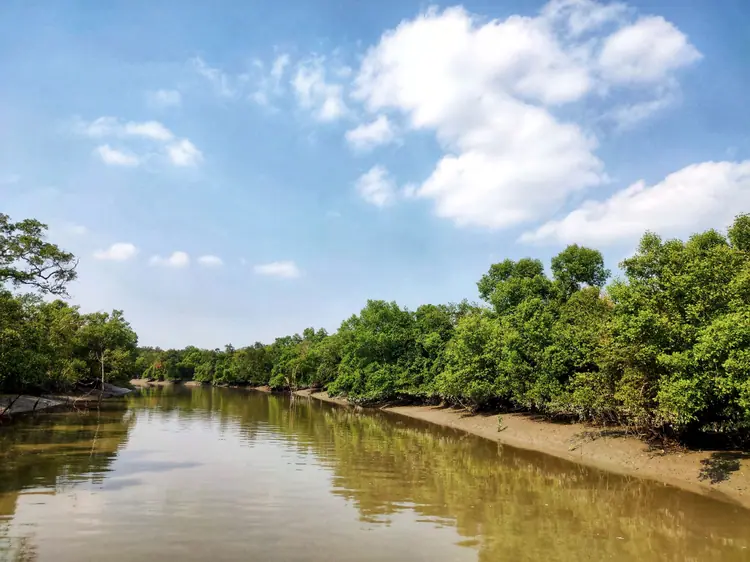
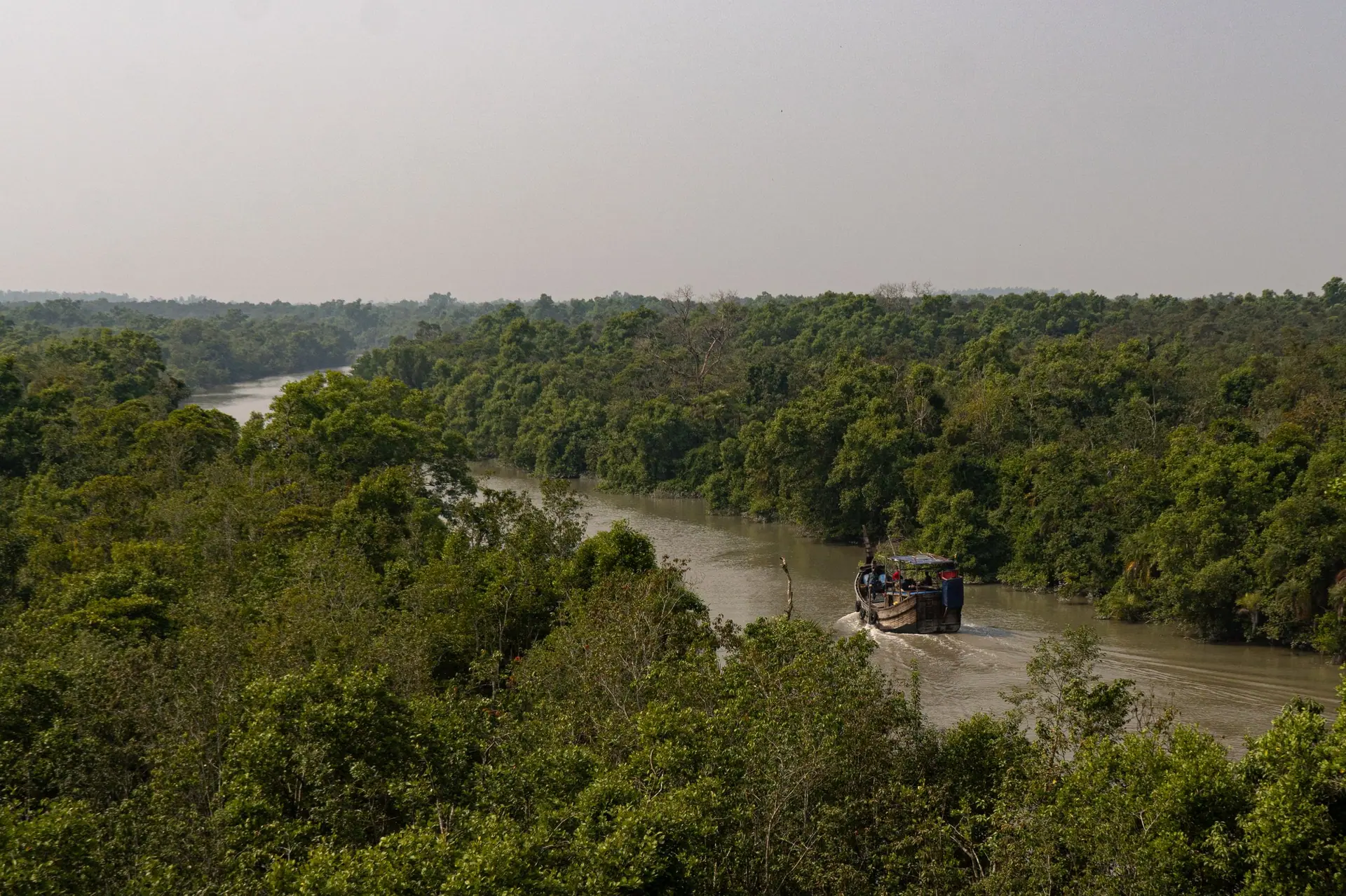
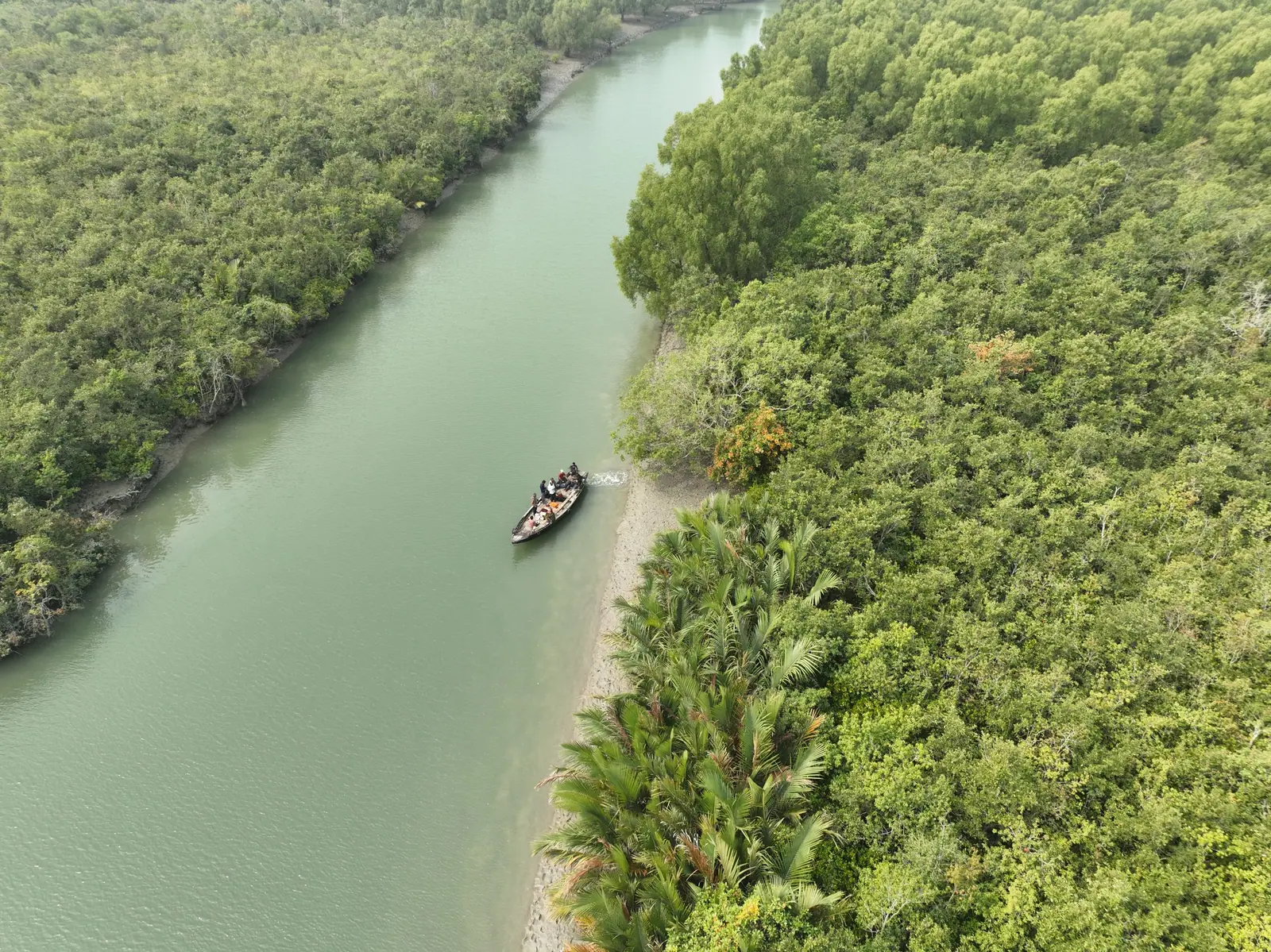
The Sundarbans is a maze of tidal rivers, creeks and mangrove islands where the Ganges, Brahmaputra and Meghna meet the Bay of Bengal. There are no roads; the only way in is by boat, and visitors must travel with a licensed operator who arranges forest permits and an armed forest guard.
The short version
- The only way into the Sundarbans is by boat with a licensed operator, who arranges forest permits and an armed forest guard.
- A classic trip is two or three nights on board, leaving from Khulna or Mongla and returning on day three.
- Tigers are rarely seen; spotted deer, macaques, crocodiles, dolphins and a huge range of birds are the real rewards.
- Go between November and February, sleep in Khulna the night before and pair the trip with Bagerhat’s Sixty Dome Mosque.
For most travellers this is the wildest thing they will do in Bangladesh. You sleep on a small river vessel moored in a quiet channel, wake to birdsong and the sound of the tide, and spend your days slipping into ever-narrower creeks in a little country boat. It is not a safari with guaranteed sightings, and it is not luxury cruising. It is slow, early-rising, deeply peaceful travel through a forest that floods and drains twice a day. The Bangladeshi part of the Sundarbans is a UNESCO World Heritage Site, and the Indian side across the border is protected too.
What the Sundarbans trip actually is
Almost every visitor joins a multi-day boat package. The operator provides a launch (a small passenger ship) with cabins, a cook, a crew, one or more smaller boats for creek trips, the forest permits and the armed guard that the Forest Department requires to accompany visitors. Meals are cooked on board and are usually generous: rice, dal, vegetables, fish and chicken, with tea at every stop.
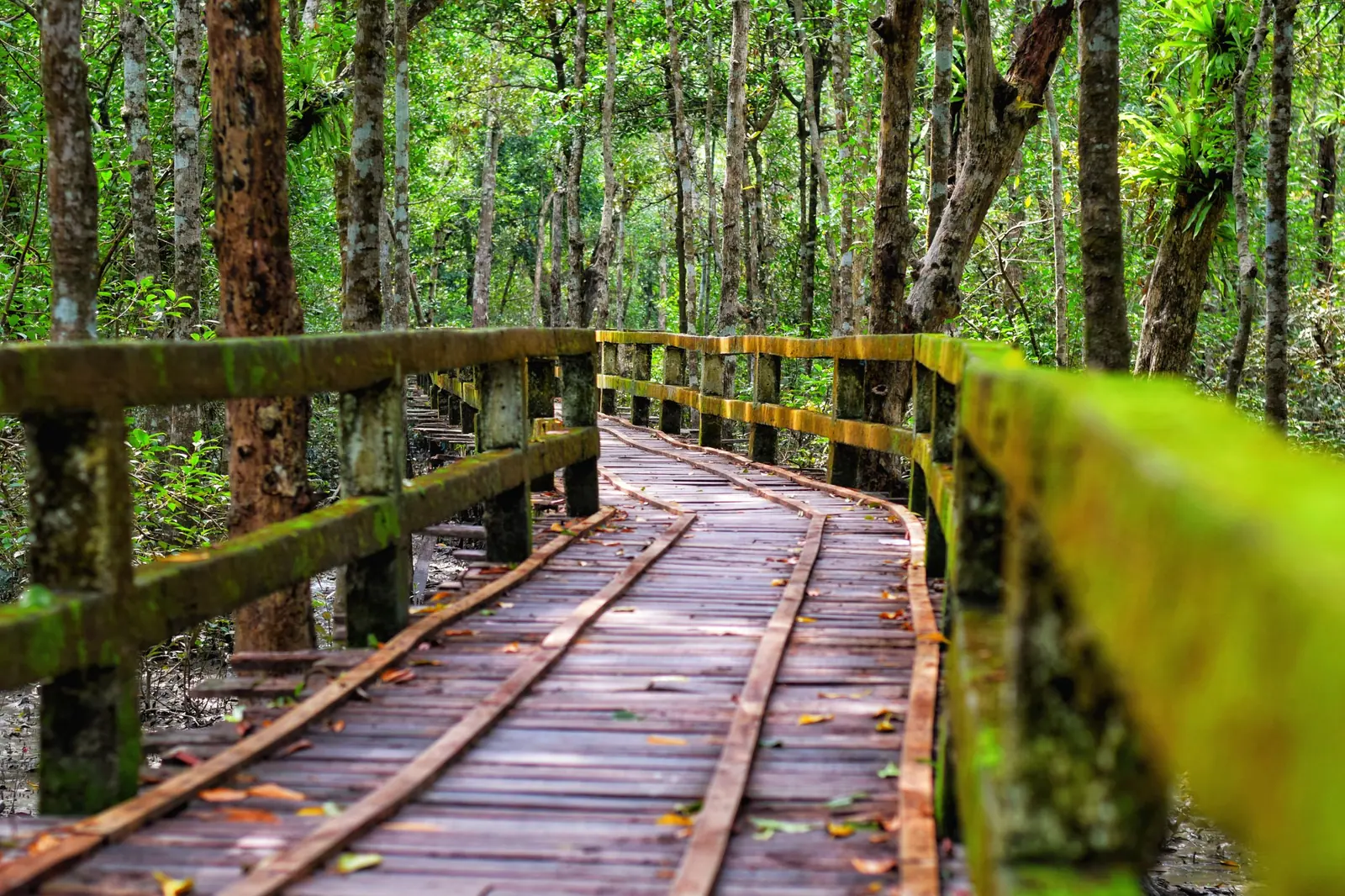
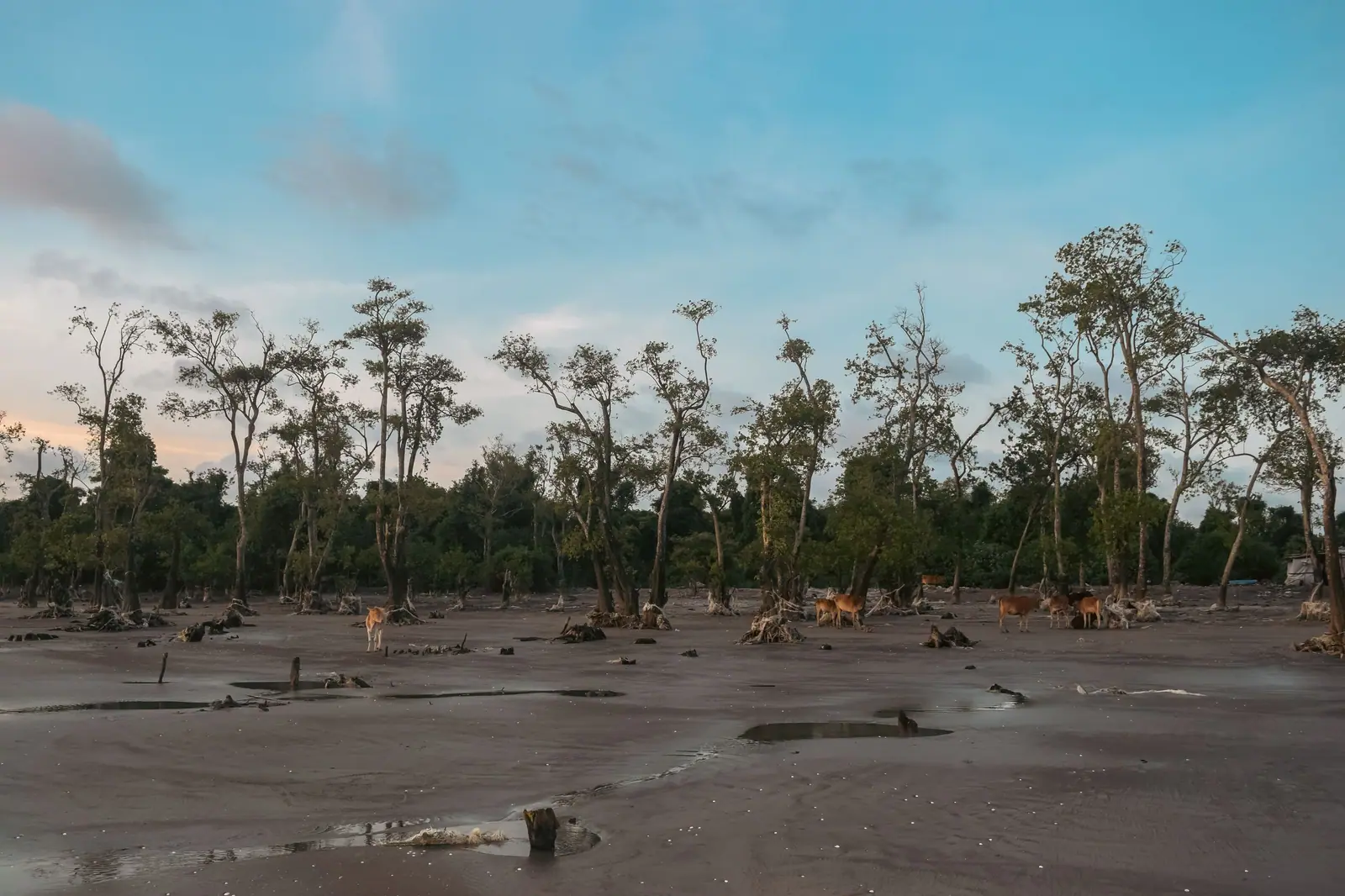
You will spend most of the trip on the water. Landings are made only at designated forest stations and trails, always with the guard. The rhythm is set by the tide: at low tide the mud banks are exposed, which is when you see crocodiles, deer tracks and the breathing roots of the mangroves; at high tide the boats can reach creeks that are otherwise dry.
Day trips into the very edge of the forest from Mongla are possible, but they show you little more than a boardwalk. If you have come this far, give it at least two nights.
How to arrange it: operators and permits
You cannot simply hire a boatman and go. Entry to the forest needs a permit from the Bangladesh Forest Department, and a guard must travel with every group. A licensed tour operator handles all of this, which is why the operator you choose matters more than anything else.
Prices vary with boat size, cabin type and group size. Ask whether cabins have private bathrooms, how many guests share the boat, whether meals and permits are included, and whether life jackets are provided for the small boats. Reputable operators publish fixed departure dates in the winter season and can arrange pickup from Jashore airport or Khulna station.
Questions to ask before you pay
- Is the operator registered, and will they show you the permit and guard arrangement before departure?
- How many passengers will be on board, and what is the cabin layout? Small boats of a dozen or so guests feel very different from large launches carrying a hundred.
- Are forest entry fees for foreigners included? They are charged separately from local fees and can add noticeably to the price.
- Is there an English-speaking guide, or only a crew? A good naturalist guide makes a real difference to what you see.
- Which forest stations are on the itinerary, and how many hours are spent on small-boat creek trips?
- Are life jackets provided on both the main boat and the country boats? Is there a first-aid kit and a plan for medical emergencies?
- What happens if weather or a forest closure cancels the departure?
Route, stop by stop
Itineraries differ by operator and tide tables, but most two- or three-night trips follow the same shape: south down the Pasur river from Khulna or Mongla, a night or two moored deep in the forest, and back the same way.
- Day 1 · Khulna or Mongla to the forest
Board in Khulna or Mongla in the morning and cruise south down the Pasur river past ships, fishing villages and the last farmland. Short stops at forest stations such as Harbaria or Karamjal, with boardwalks into the mangroves. Karamjal is also known for its crocodile breeding centre. Moor in a quiet channel for the night.
- Day 2 · Creeks, watchtower and the sea
Wake before dawn for a small country boat into narrow creeks, the best time for birds and deer. Later, walk with the guard to a watchtower and a quiet beach on the forest’s seaward edge, around Kotka or Kochikhali. Afternoon creek ride as the tide allows; evening on deck.
- Day 3 · Last creek ride and the return
Another early creek ride, then the long cruise back, arriving in the afternoon or evening. Plan your onward bus, train or flight for the following morning rather than the same night, in case the boat is delayed by tide or fog.
- Optional extra night
Three-night trips may push further toward the coast or spend more time in the creeks. Ask exactly what the additional day adds before paying for it.
Wildlife you can realistically see
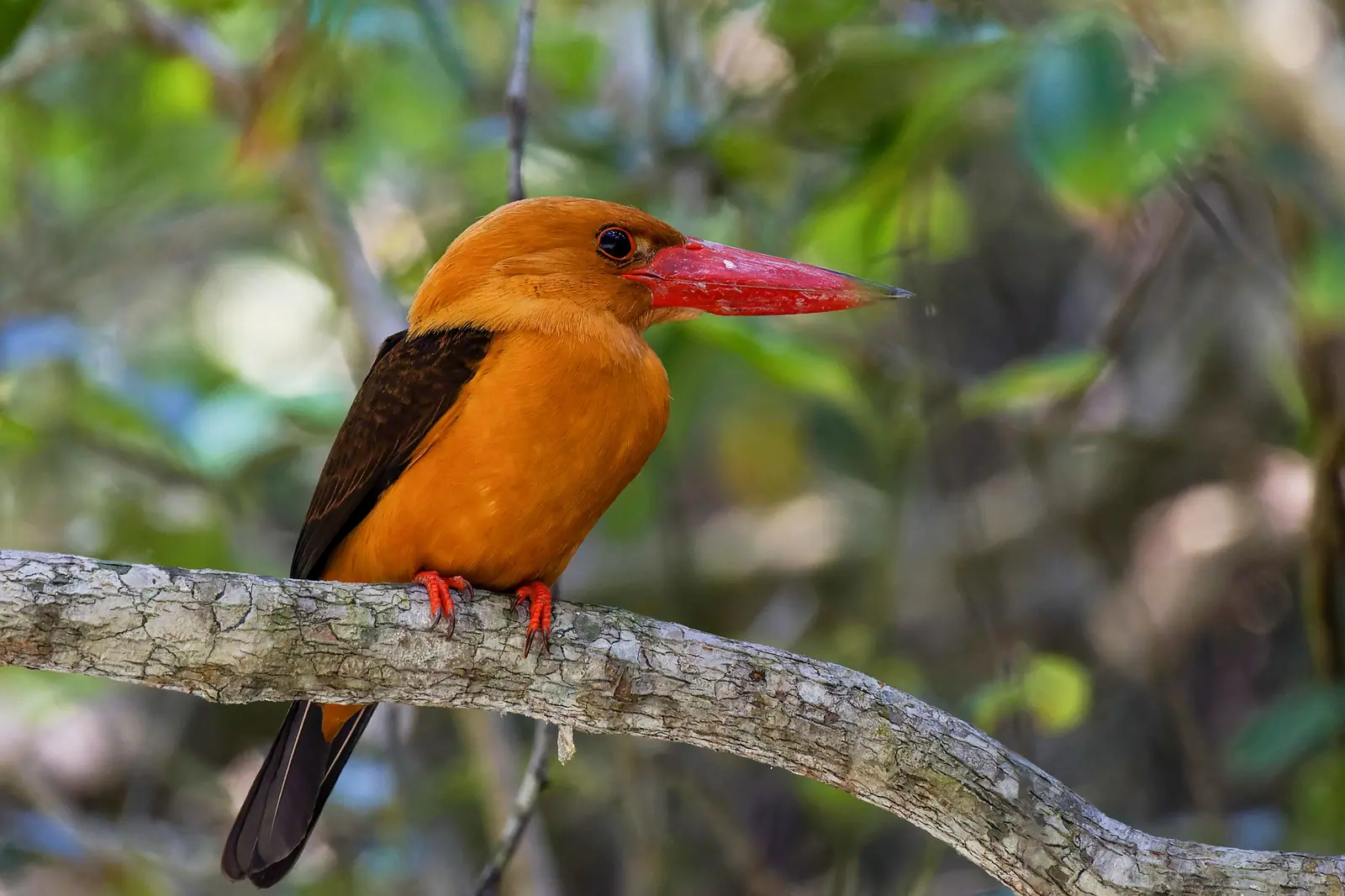
The Sundarbans is famous for the Royal Bengal tiger, but sightings are rare — you are far more likely to see pugmarks on the mud. What you will see: herds of spotted deer, rhesus macaques, monitor lizards, wild boar, saltwater crocodiles basking on the banks, river dolphins and an extraordinary variety of kingfishers, eagles and storks.
Set your expectations around the whole forest rather than one animal. Spotted deer often feed near the forest stations, sometimes close to macaques, which drop leaves and fruit from the trees above. Crocodiles are most visible on mud banks at low tide on sunny winter mornings. Dolphins surface briefly in the wider rivers; watch the water rather than the banks when the boat is in open channels. Birders come for the kingfishers in particular, and early creek rides in the small boat are when the forest is quietest.
When to go
The cool, dry months from November to February are the main season. Skies are clear, the air is comfortable, mosquitoes are fewer and most operators run fixed departures. December and January are the busiest and the coldest; mornings on deck can be genuinely chilly, and river fog can delay early starts. March is still possible but warmer and hazier. For a wider view of seasons across the country, see our guide to the best time to visit Bangladesh.
| Months | Conditions | Verdict |
|---|---|---|
| November–February | Dry, clear, cool mornings; calm rivers | Best time; book ahead for December–January |
| March | Warmer and hazier, still mostly dry | Good, with fewer boats and crowds |
| April–May | Hot and humid; pre-monsoon storms and cyclone risk on the coast | Possible but uncomfortable; watch forecasts |
| June–August | Monsoon; the forest is closed to visitors for the breeding season (1 June to 31 August in 2026) | Not possible beyond the edge; check the current dates |
| September–October | Late monsoon, humid, cyclone season starts | Shoulder season; departures resume, check weather |
Costs and getting there
Prices depend on the size and comfort of the boat, whether you share or charter, the season and the number of nights. The figures below are rough ranges for planning. They change, so always confirm what is and is not included. Rough conversion: about BDT 120 to USD 1.
| Item | Approximate range | Notes |
|---|---|---|
| Shared 2–3 night trip, standard cabin (per person) | around BDT 15,000–35,000 (about USD 125–290) | Usually meals, boat and guard included; check foreigner fees |
| Higher-comfort boat or private-bathroom cabin (per person) | around BDT 35,000–60,000+ (about USD 290–500+) | Fewer guests, better cabins, often an English-speaking guide |
| Forest entry fees for foreigners | varies; often added separately | Higher than local fees and charged per day; ask the operator |
| Tips for crew and guard | a few hundred to a couple of thousand taka per person | Optional but customary; give to the crew leader at the end |
Getting to Khulna and Mongla
Khulna is the main departure city and the place to sleep before and after your trip; our Khulna area guide covers where to stay. From Dhaka you can fly to Jashore, about an hour and a half by road from Khulna, take an intercity train, or go by bus via the Padma Bridge. Mongla, a port south of Khulna, is closer to the forest and some boats leave from there to save cruising time. See getting around Bangladesh for trains and buses, and the government’s official railway e-ticket site for bookings.
Most operators will collect you from Jashore airport, Khulna station or your hotel if you ask in advance. Confirm the meeting point and time in writing; boats depart with the tide and do not wait long.
What to pack
- Binoculars and a camera with zoom
- Long sleeves, trousers and mosquito repellent
- A warm layer — early mornings on deck are cold in December and January
- Sun hat, sunscreen and a small dry bag
- Shoes you can get muddy, plus sandals for the boat
- A torch or headlamp, a power bank and any medicines you need — there are no shops in the forest
- Cash in small notes for tips; mobile signal fades as you head south
Dress modestly on land and on deck — loose, breathable clothing that covers shoulders and knees is comfortable and appropriate. Our what to wear in Bangladesh guide has more detail.
Safety, etiquette and responsible travel
The armed guard is there because the forest has wild animals, including tigers and crocodiles, and because the area has a history of river crime. Always stay with the guard when ashore, never walk into the forest alone, and keep to the trails and boardwalks. Do not trail your hands in the water from the small boats, and wear the life jacket.
- Take every piece of rubbish back to the boat, and ask the crew how waste is handled; good operators do not dump it in the river.
- Never feed the macaques or deer, and keep a respectful distance from all animals.
- No drones without written permission, and no loud music on deck.
- Ask before photographing fishermen, honey collectors and people in villages along the river.
- Choose operators that limit group sizes and follow Forest Department rules; this is a fragile, protected place.
For general advice on travelling in Bangladesh, read is Bangladesh safe? and check your own government’s current travel advice before booking.
Where to stay before and after
Khulna has the widest choice of hotels and is the easiest place to meet your operator. Arrive the day before so a delayed bus or train does not cost you the departure. Many travellers use the extra time for Bagerhat, a short drive away, whose mosques and monuments form a separate World Heritage Site.
After the boat, you will probably be tired and a little sunburnt. A second night in Khulna lets you travel on in daylight, either back to Dhaka for a day in Old Dhaka or north-east to the tea hills of Sreemangal. The trip fits neatly into our ten-day Bangladesh itinerary.
Questions and answers
Can I visit the Sundarbans without a tour operator?
Not in any practical sense. Entering the forest requires a Forest Department permit and an armed forest guard, and there are no roads or independent accommodation inside. A licensed operator arranges the permit, guard, boat, food and crew. Short visits to the edge of the forest from Mongla are possible, but they show you very little of the mangroves.
Will I see a Bengal tiger?
Probably not. Tigers live in the Sundarbans but are shy and the forest is dense, so most visitors see pugmarks in the mud rather than the animal itself. Go for the whole experience: spotted deer, macaques, crocodiles, dolphins, monitor lizards and an outstanding range of birds, especially kingfishers, are all realistic sightings.
How many nights should I book?
Two nights is the sensible minimum, because the forest is a long cruise from Khulna or Mongla and the best wildlife watching happens at dawn. Three nights gives more creek time and a better chance of quiet moments. One-day trips from Mongla only reach the forest edge and are not worth a special journey from Dhaka.
Is a Sundarbans trip suitable for children or older travellers?
Generally yes, if everyone is comfortable with simple cabins, early starts and climbing in and out of small boats. Landings can be muddy and steps steep, so ask the operator about access. Make sure life jackets in children’s sizes are available, and bring any medicines you need, as medical help is many hours away.
How far ahead should I book?
For December and January, and around Bangladeshi public holidays, book several weeks ahead because the better boats fill up. In November, February and March you can often find space with a week or two of notice. Confirm in writing what is included, the meeting point and the cancellation terms for weather or forest closures.
Is mobile signal or Wi-Fi available on board?
Signal fades as you travel south from Mongla, and in the deeper forest you should expect long periods with no connection. Boats rarely have useful Wi-Fi. Tell family your dates, download maps and offline entertainment before leaving Khulna, and treat the trip as a welcome break from your phone.
Is Karamjal a good alternative to a Sundarbans cruise?
Karamjal, close to Mongla, has a boardwalk, a watchtower and a crocodile and turtle breeding centre, and can be seen in half a day by boat. It gives you a first look at mangroves but not the quiet of the deeper creeks, and weekends are busy. Choose it when time is short, when travelling with small children, or when the rest of the forest is closed.
What are the toilets and cabins like on Sundarbans boats?
On most boats cabins are compact, with two or more bunks and a fan or limited air conditioning while the generator runs. Bathrooms may be shared, and water is used sparingly. Larger and newer vessels have private bathrooms. Ask the operator for photographs of the actual cabin, the number of guests per bathroom and the hours the generator is switched on.