On this page
Bangladesh is a Muslim-majority country with conservative dress norms, especially outside upscale parts of Dhaka. Dressing modestly is a sign of respect, attracts less attention and — in the heat — is often more comfortable anyway. Loose, breathable cotton is your friend.
The short version
- Dress modestly: cover shoulders and knees, and choose loose, breathable cotton or linen.
- Many women visitors buy a salwar kameez on arrival; men are comfortable in long trousers and short-sleeved shirts.
- Swimwear is rare on public beaches — swim in quick-dry leggings and a long top, or save swimwear for resort pools.
- Pack for the season: a warm layer in winter, the lightest fabrics in spring, quick-dry clothes and sandals in the monsoon.
There is no official dress code for visitors, and nobody expects foreigners to dress exactly like locals. But what you wear shapes how you are treated: modest clothing makes it easier to visit mosques, temples and villages, to be invited into homes, and — for women in particular — to move around with less staring. The good news is that Bangladesh is one of the world’s great textile countries, so if you arrive with the wrong clothes, the fix is quick.
The basic rules
A simple rule works almost everywhere: cover your shoulders and knees, and choose clothes that are loose rather than tight or sheer. In the wealthier neighbourhoods of Dhaka, such as Gulshan, Banani and Dhanmondi, and in international hotels, you will see young Bangladeshis in jeans and fitted tops, and standards are more relaxed. In Old Dhaka, smaller towns, villages and religious sites, more conservative dress is the norm.
- Choose natural, breathable fabrics: cotton, linen and cotton blends. Synthetic fabrics trap heat and sweat.
- Loose cuts are cooler and more modest than fitted ones.
- Light colours reflect the sun; darker or patterned fabrics hide dust and stains on long travel days.
- Pack fewer clothes and plan to wash them; laundry services are inexpensive in most hotels.
- Skip expensive jewellery and anything you would be upset to lose or damage.
Bangladeshis are generally polite and unlikely to comment on what you wear, but that does not mean it goes unnoticed. If in doubt, look at what people your age and gender are wearing around you and follow their lead.
What women should wear
Loose trousers or long skirts with tops that cover the shoulders and upper arms work everywhere. Many visitors buy a salwar kameez — a long tunic over trousers with a matching scarf — within a day or two of arriving: it’s cool, practical and widely appreciated. A light scarf is useful for covering your head in mosques and for sun protection.
The salwar kameez (sometimes called a three-piece, because it comes with trousers, tunic and an orna or dupatta scarf) is the everyday outfit for many Bangladeshi women, especially younger women in cities. Ready-made sets are sold in department stores, shopping centres and markets in every town, in fabrics from simple cotton to embroidered silk. A kurta or long tunic over loose trousers or leggings gives a similar effect if you prefer Western shapes.
The sari is the classic dress for older women, weddings and festivals. Bangladesh is home to Jamdani, a finely woven muslin-style sari, and to Tangail saris; both weaving traditions are on UNESCO’s list of intangible cultural heritage. You do not need to wear one, but if you are invited to a wedding or a festival, wearing a sari or a dressy salwar kameez is usually appreciated, and a shopkeeper or friend will often help you put it on.
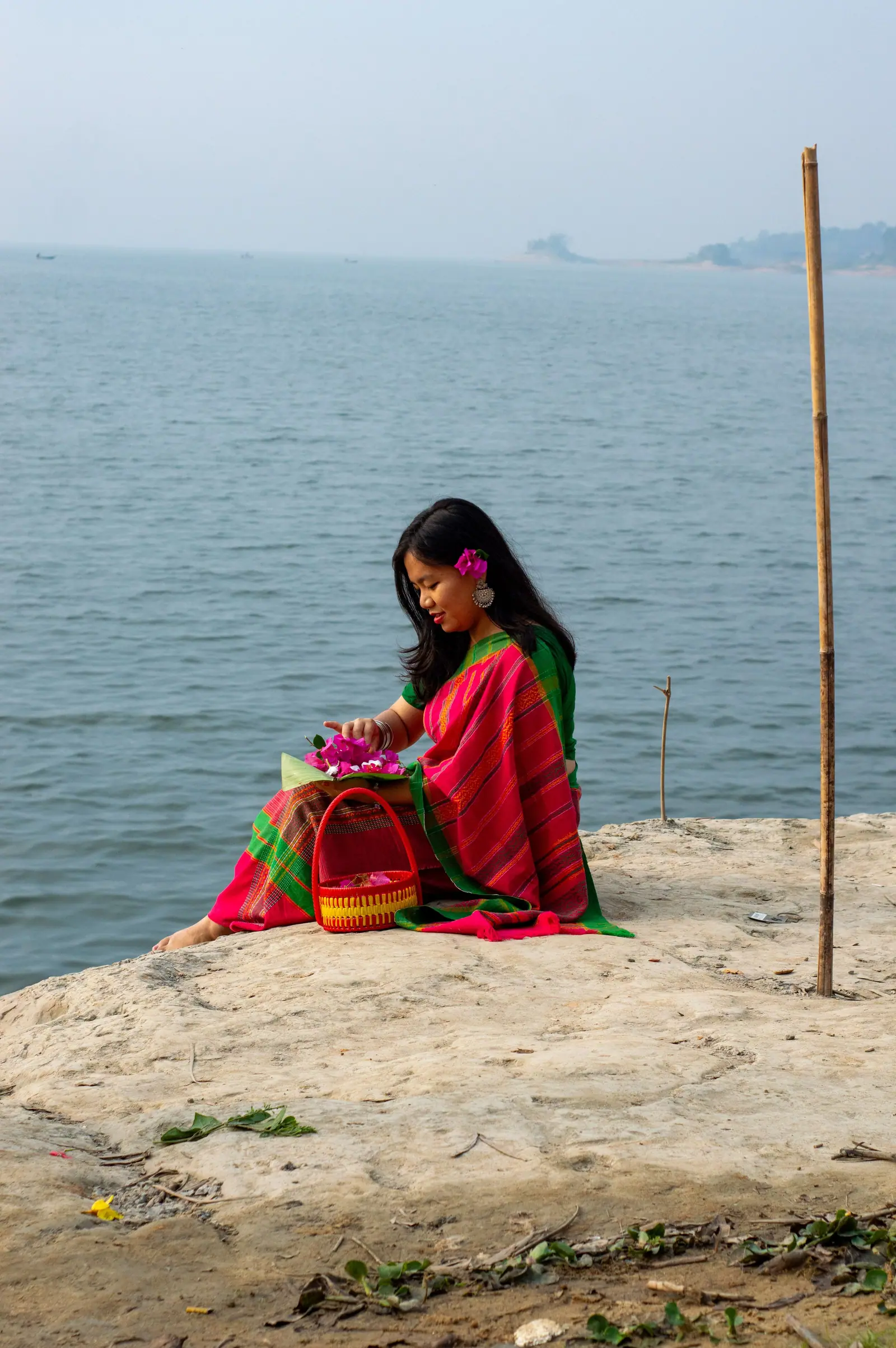
- Tops: loose, at least elbow-length sleeves, covering the hips if worn with trousers.
- Bottoms: wide-leg trousers, long skirts or leggings under a long tunic.
- A large cotton scarf: for mosques, sun, dust and extra modesty in crowds.
- Avoid low necklines, sleeveless tops, shorts and short skirts outside resorts and private spaces.
- A comfortable sports bra or supportive top is useful for bumpy rickshaw and boat rides.
Covering your hair is not expected in everyday life, but you will need to in mosques and may want to at some shrines. Many Bangladeshi women wear a headscarf or hijab; many do not. Our guide to safety in Bangladesh has more advice for women travellers.
What men should wear
Long trousers are standard in cities; shorts are fine at the beach and resorts but look out of place in towns. Short-sleeved shirts are acceptable. A cotton panjabi, the knee-length tunic worn for festivals and Friday prayers, makes a good souvenir.
Light chinos, linen trousers or cotton cargo trousers work well. T-shirts are fine for everyday sightseeing, but a collared shirt goes further for meetings, dinners and visits to people’s homes. Sleeveless vests look out of place in public. In villages you will see men in a lungi, a tube of cotton cloth tied at the waist, which is comfortable but takes practice to keep tied — fun to try, but best worn around your guesthouse rather than on the street at first.
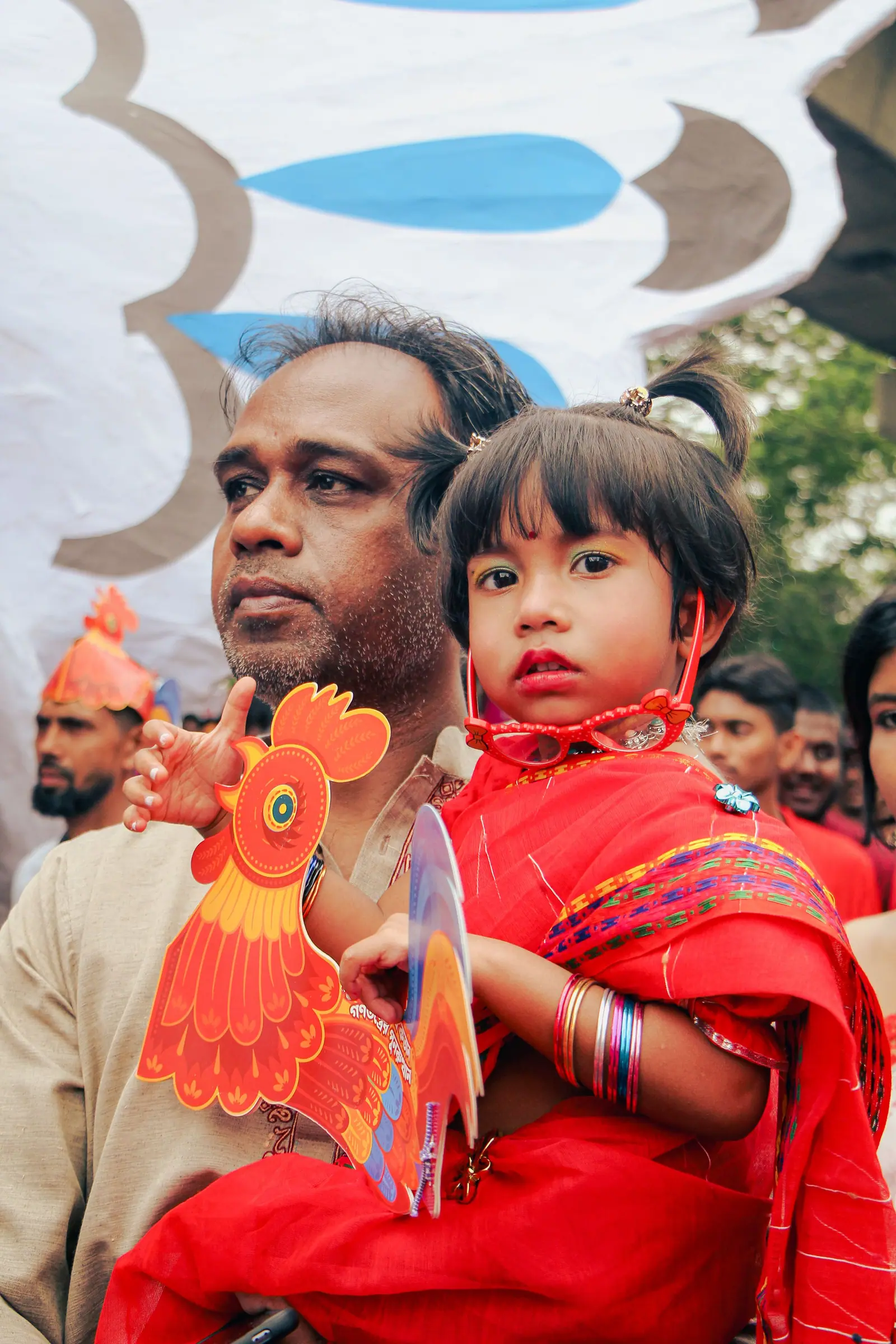
The panjabi is worn by men of all ages for Eid, weddings, Pohela Boishakh and Friday prayers. Buying one for a festival is a nice gesture, and you will find them in every price range, from plain cotton to embroidered silk.
Mosques, temples and shrines
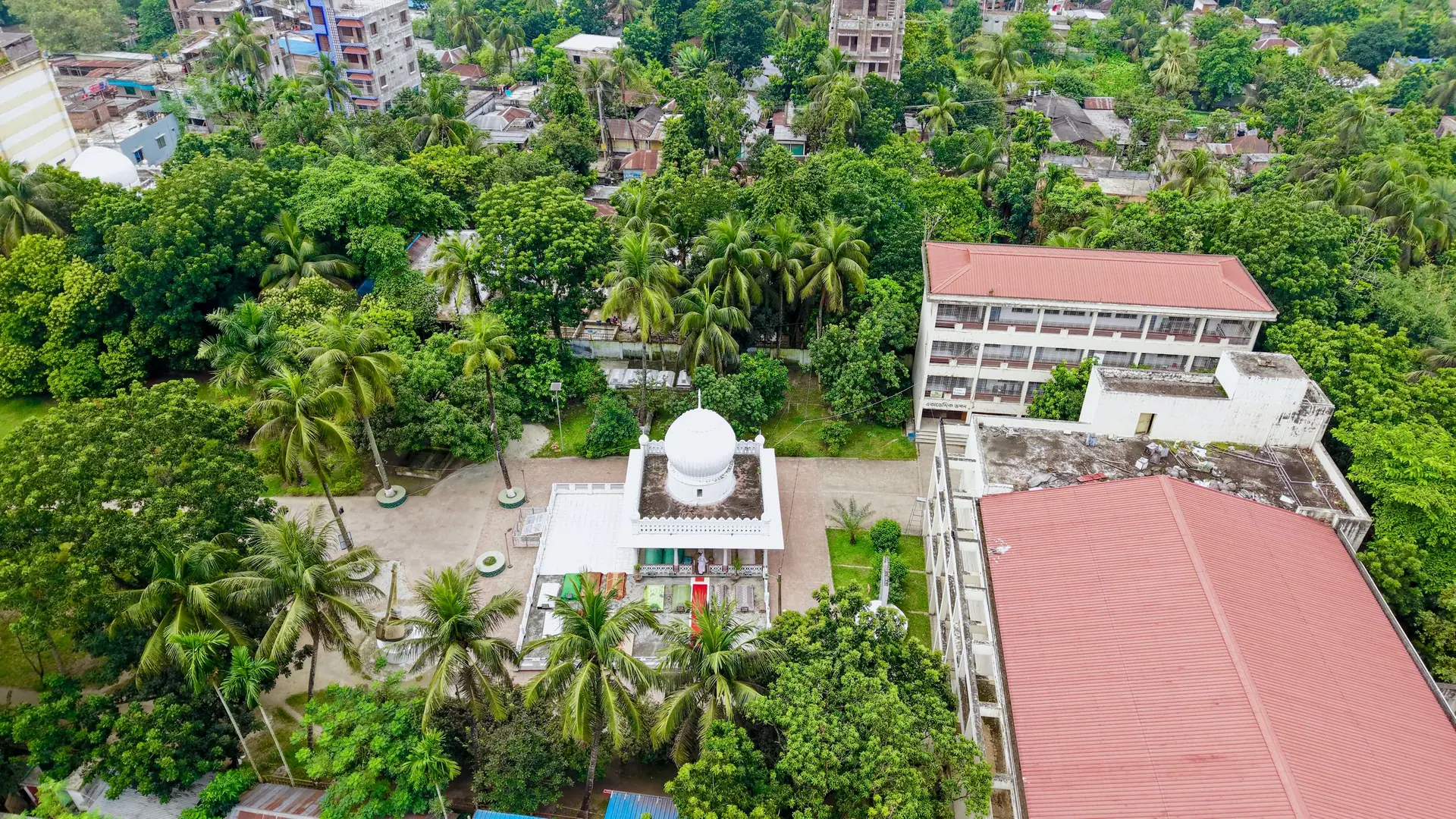
Religious sites have stricter expectations. For mosques, both men and women should cover their legs and arms, and women should cover their hair with a scarf. You will remove your shoes before entering prayer areas, so slip-on footwear makes life easier. Some mosques do not admit non-Muslims or women into the prayer hall, or only outside prayer times; ask before entering, and avoid visiting during Friday midday prayers.
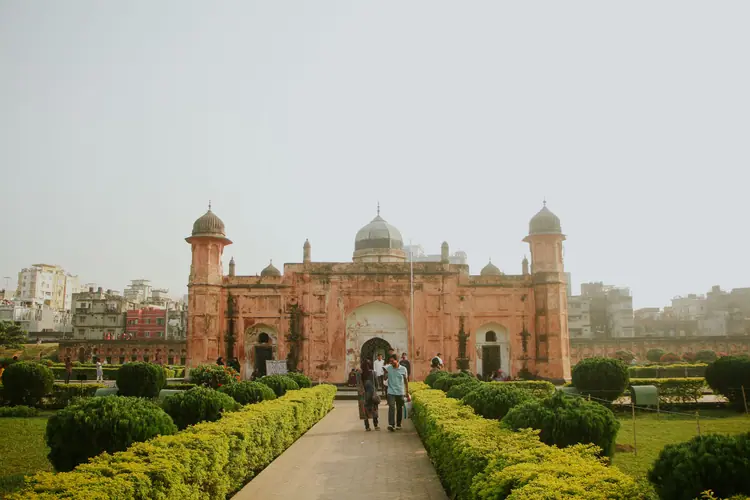
Hindu temples, such as Dhakeshwari in Dhaka, and Buddhist sites in the south-east also ask you to remove your shoes. Leather items are sometimes not allowed inside Hindu temples. At Sufi shrines, such as the shrine of Hazrat Shah Jalal in Sylhet or the shrine of the mystic poet Lalon Shah in Kushtia, modest dress and a head covering for women are expected, and areas may be reserved for men or women. Follow the lead of other visitors and the instructions posted at the entrance.
At the beach and in the countryside
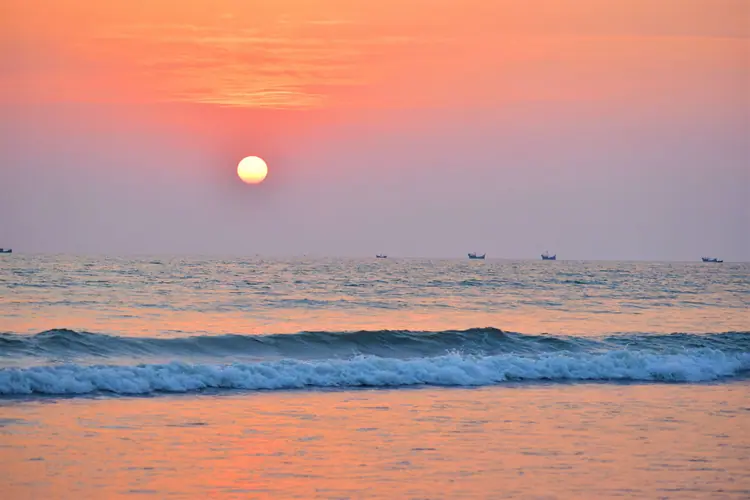
Swimwear is rare on public beaches like Cox’s Bazar; most Bangladeshi women swim fully dressed and men in shorts and T-shirts. Quick-dry leggings and a long top are the easiest option. Resort pools are more relaxed.
Cox’s Bazar is a busy domestic holiday destination, and families stroll along the sand in everyday clothes. A bikini or swimsuit on the public beach will draw a lot of attention. Swim shorts are fine for men, ideally with a T-shirt or rash vest. Women are most comfortable in leggings and a loose, quick-dry long-sleeved top, or a modest swimsuit with a cover-up. Hotel and resort pools have their own rules; some are more relaxed, some ask for swimwear only. See our guide to Cox’s Bazar for where to stay.
In tea country around Sreemangal and in the hills, choose lightweight trousers, long sleeves and closed shoes for walking, both for modesty and to protect against mosquitoes, scratches and, after rain, leeches. For a Sundarbans boat trip, neutral colours, long sleeves and a warm layer for early mornings on deck are ideal.
What to pack by season
- Winter: a fleece or light jacket for cool mornings and evenings, especially in the north and on Sundarbans boats.
- Spring: the lightest fabrics you own, a hat and sunglasses.
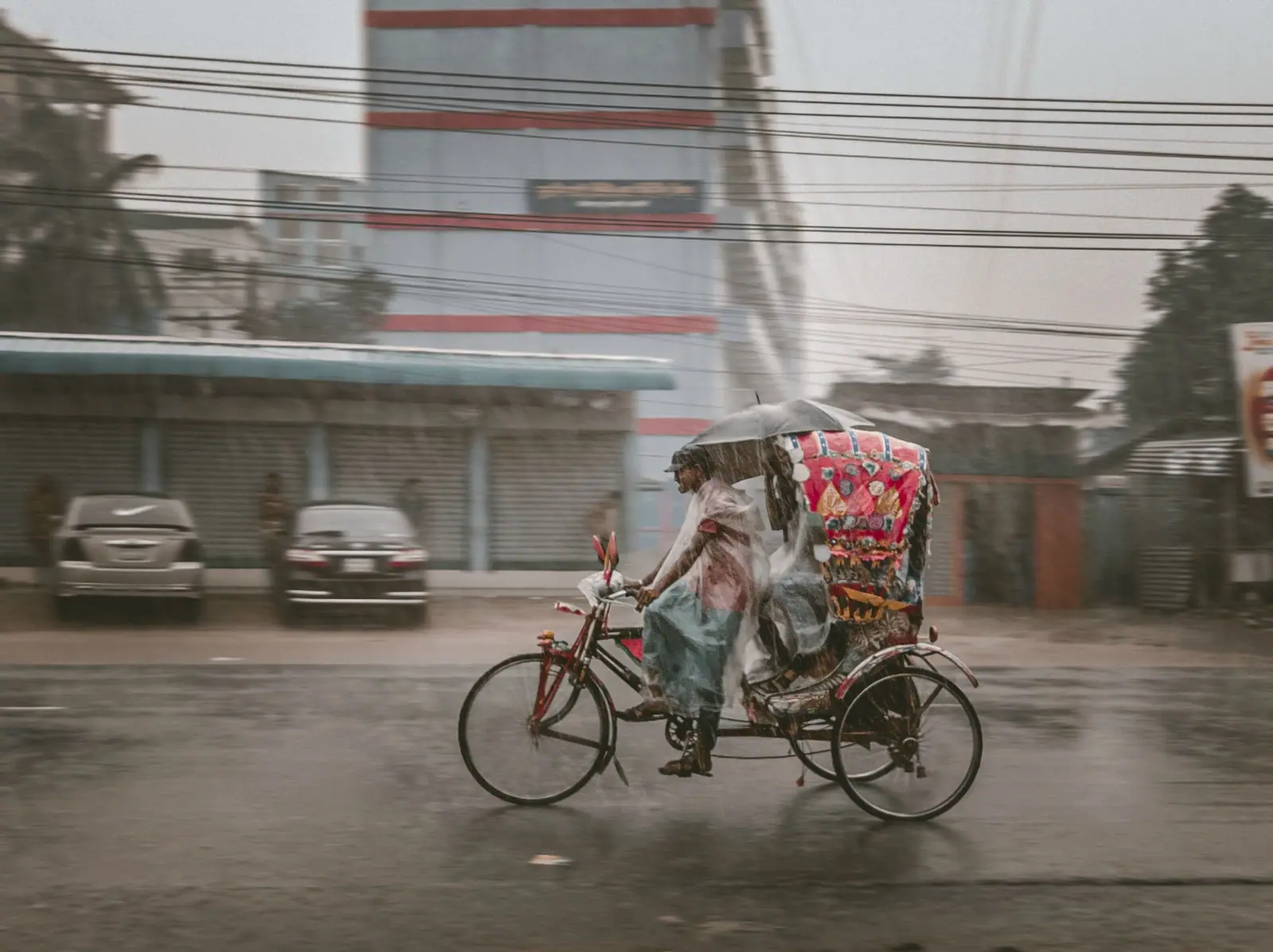
- Monsoon: quick-dry clothes, sandals and a compact umbrella; leave suede and heavy denim at home.
Bangladesh is warm for most of the year, but winter mornings can be surprisingly chilly, especially in the north and on the water. In the hot months from March to May, the priority is airflow and sun protection. In the monsoon, everything is damp, so clothes that dry quickly overnight are worth more than anything fashionable. Our best time to visit guide explains the seasons in detail.
| Item | Why you need it | Season |
|---|---|---|
| Loose cotton or linen trousers / long skirt | Cool and modest for cities, villages and sites | All year |
| Tops covering shoulders and upper arms | Respectful everywhere; protect from sun | All year |
| Large lightweight scarf | Mosques, sun, dust, extra cover in crowds | All year |
| Sandals or slip-on shoes | Frequent shoe removal at mosques, temples and homes | All year |
| Closed walking shoes | Forest trails, tea gardens, leech-prone paths | All year, especially after rain |
| Fleece or light jacket | Cold mornings in the north and on boats | December–February |
| Sun hat and sunglasses | Strong sun and glare on water | March–May, and on boats |
| Quick-dry shirts and trousers | Dry overnight in humid weather | June–September |
| Compact umbrella or light rain jacket | Sudden downpours; umbrellas also shade from sun | June–October |
| Quick-dry leggings and long top | Modest swimming on public beaches | Beach trips |
| Socks | Hot or cold floors at religious sites | All year |
| Insect repellent and long sleeves | Mosquitoes at dawn and dusk | All year, especially monsoon |
Shoes
Sandals or slip-ons are ideal — you’ll take your shoes off often at mosques, temples and homes. Bring closed shoes for forest trails and leech-prone areas after rain.
City pavements in Dhaka are uneven and, during the monsoon, often flooded, so sturdy sandals with a good grip are more useful than fashionable flats. Rubber sandals dry fast and are sold in every market. For hikes in the Hill Tracts or the forests around Sreemangal and Lawachara, light hiking shoes or trail shoes are worth the luggage space. Leave white trainers at home: they will not stay white for long.
Buying clothes in Bangladesh
Packing light and buying locally is a good strategy. Clothing is good value, tailors work quickly, and you will end up with clothes that suit the climate and local norms. Ready-made salwar kameez sets, panjabis, cotton scarves and lungis are available in every town. Simple cotton salwar kameez and panjabis in markets and mid-range shops are inexpensive by international standards, while branded, embroidered or silk pieces cost much more. Prices vary widely, so check locally and compare.
In Dhaka, New Market and the surrounding shops are busy, budget-friendly places to browse fabric and ready-made clothes, while modern shopping centres such as Bashundhara City have many Bangladeshi fashion brands under one roof. Tailors can turn fabric into a salwar kameez or shirt in a few days; bring an item that fits well to copy. In markets, polite bargaining is normal; in fixed-price shops, it is not.
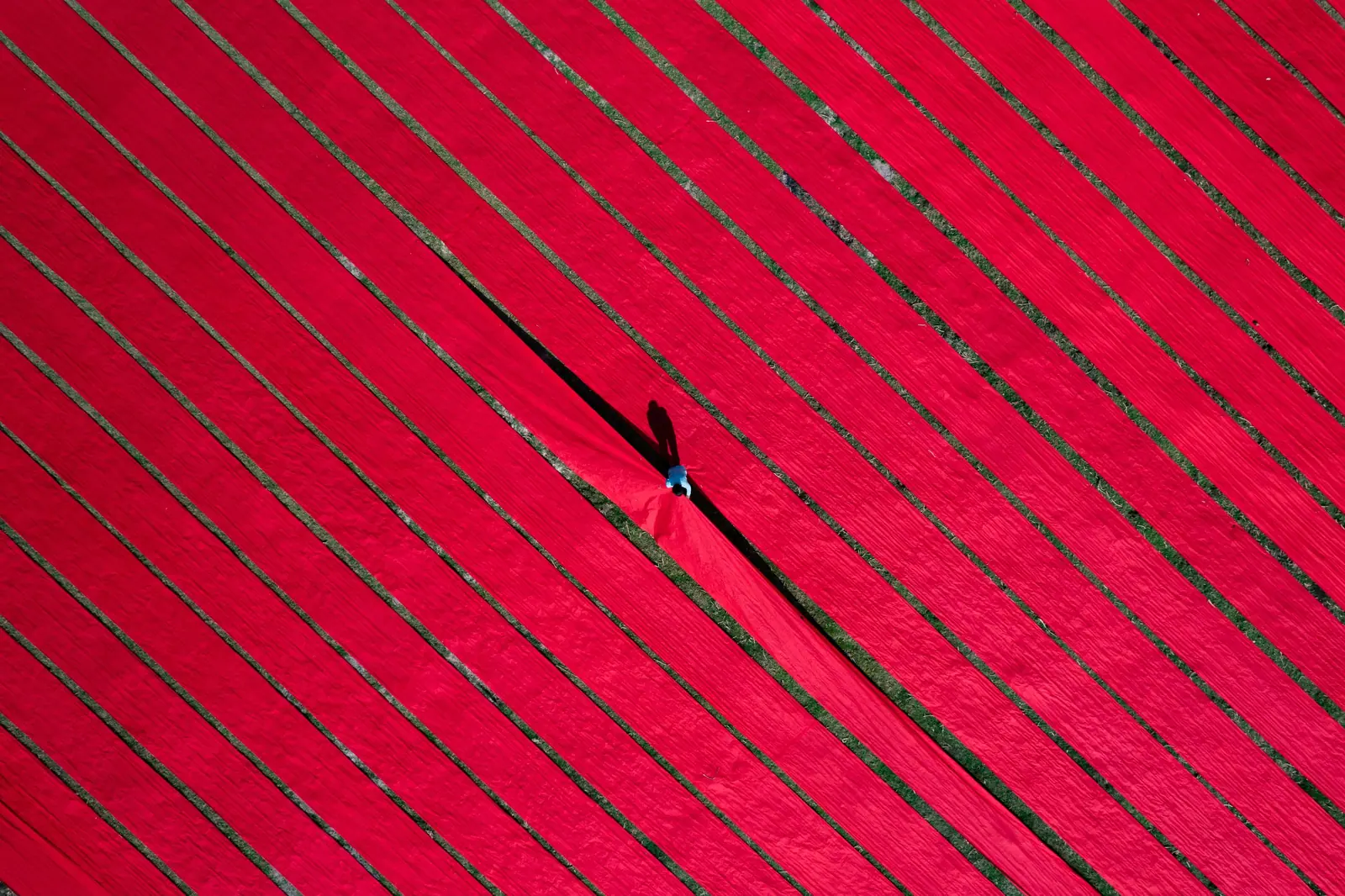
Aarong is run by the development organisation BRAC and works with rural artisans; its fixed-price stores sell clothing, nakshi kantha embroidered textiles, jewellery and homeware. It is a good place to see the range of Bangladeshi crafts in one stop before you head into the markets.
Festivals and special occasions
If your trip coincides with a festival, dressing up is part of the fun. On Pohela Boishakh, the Bengali New Year on 14 April, many people wear red and white; on Pohela Falgun, the first day of spring, yellow and orange are popular. For Eid, people buy new clothes and dress in their best, and at weddings guests wear bright colours, sparkle and gold. Avoid wearing all white to a wedding or all black to a celebration, as these colours can be associated with mourning.
For business meetings, men usually wear trousers and a formal shirt — ties and jackets are less common in the heat outside corporate settings — and women wear a smart salwar kameez or tailored trousers with a long top. If you are staying in Dhaka on business, our Dhaka area guide covers the neighbourhoods near the main offices and embassies.
Questions and answers
Do women have to cover their hair in Bangladesh?
No. Covering your hair is not required in everyday life, and many Bangladeshi women do not. You will need to cover your hair when entering mosques and some shrines, so carry a lightweight scarf. In rural or very conservative areas, a scarf draped over the shoulders or head can help you blend in and reduce attention.
Can I wear shorts in Bangladesh?
Men can wear shorts at the beach, at resorts and in private spaces, but in towns and cities they look out of place and long trousers are the norm. For women, shorts are best avoided entirely in public outside resorts. Loose, lightweight trousers are just as cool in the heat and far more practical for visiting mosques and temples.
Can I wear jeans in Bangladesh?
Yes. Jeans are common among young people in cities, and they are acceptable for both men and women. They are hot and heavy, though, especially from April to October, and they dry slowly in the monsoon. Lightweight cotton or linen trousers are a more comfortable choice for most days, and pack smaller in your luggage.
What should I wear to a mosque in Bangladesh?
Wear clothing that covers your arms and legs, and if you are a woman, cover your hair with a scarf. You will remove your shoes before going in, so wear sandals or slip-ons and carry socks. Some mosques do not allow non-Muslims or women into the prayer hall; ask first and avoid prayer times, particularly Friday midday prayers.
Is it okay for foreigners to wear a salwar kameez or sari?
Yes. Bangladeshis usually appreciate visitors wearing local dress, and a salwar kameez is one of the most comfortable outfits in the heat. Choose simple everyday designs for sightseeing and save heavily embroidered pieces for weddings and festivals. Shop assistants and friends are often happy to show you how to wear a scarf or drape a sari.
Where can I buy clothes in Dhaka?
Aarong’s fixed-price stores are good for quality clothing and crafts. New Market and the nearby shops are a busy, budget-friendly area for fabric and ready-made clothes, and large malls such as Bashundhara City have many Bangladeshi fashion brands. Tailors across the city can make simple garments within a few days if you supply fabric and a sample.
Where can visitors get clothes washed in Bangladesh?
Most hotels run a laundry service with same-day or next-day return, and guesthouses usually know someone nearby who washes and irons by hand. In the monsoon allow longer, because nothing dries quickly, and avoid sending anything delicate. Carrying a small bar of soap and two quick-dry sets of clothes lets you pack less for a trip between regions.
Do I need a raincoat or an umbrella in Bangladesh?
From June to September an umbrella is the more useful of the two, because a waterproof jacket is hot in the humidity and an umbrella also gives shade. Pack a light jacket for boats and wind, and a dry bag for your phone. In the dry season from November to February you are unlikely to need either, though a warm layer helps at dawn.