★★★★
Most travellers choose between the streets of Khulna city and the river country of Dacope. The right choice depends on onward transport, forest plans and how much quiet you want.
Thanas with enough stays for a page of their own; the rest of the district is in the list below.
Five-star first, then four-star, then the rest by the booking supplier’s guest score. Prices are live in the IMPT app.
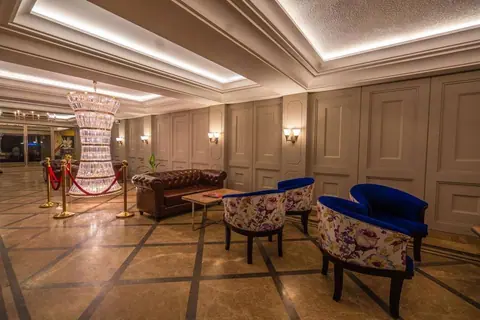
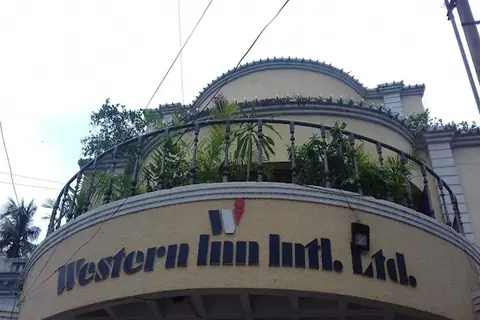
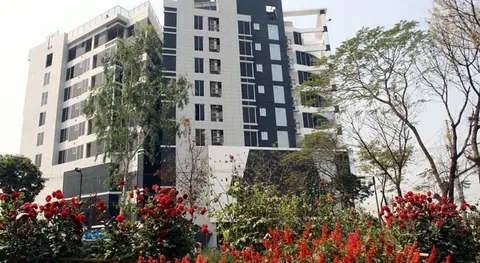
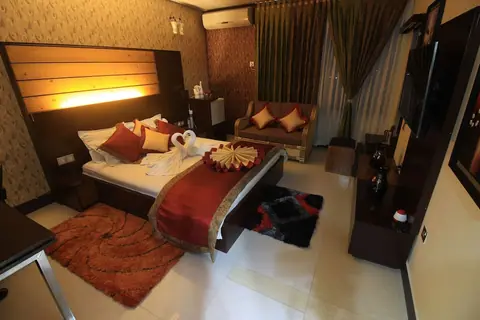
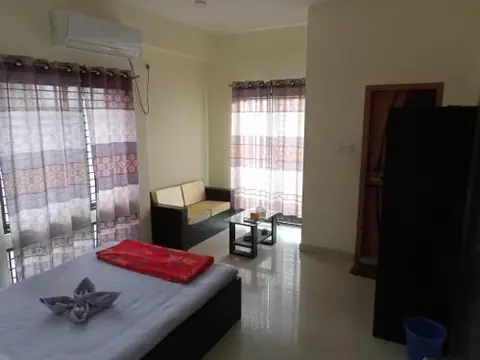
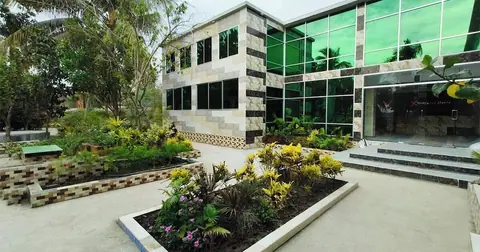
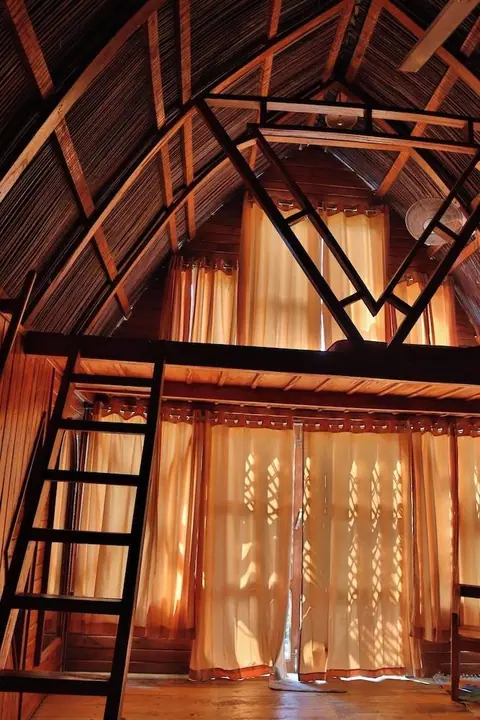
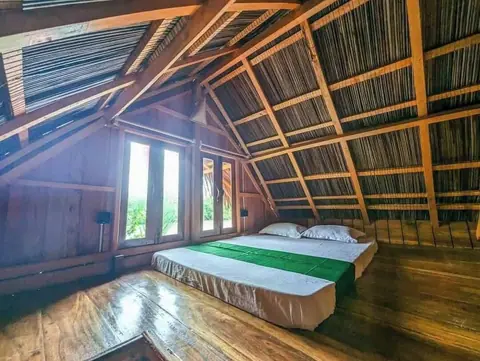
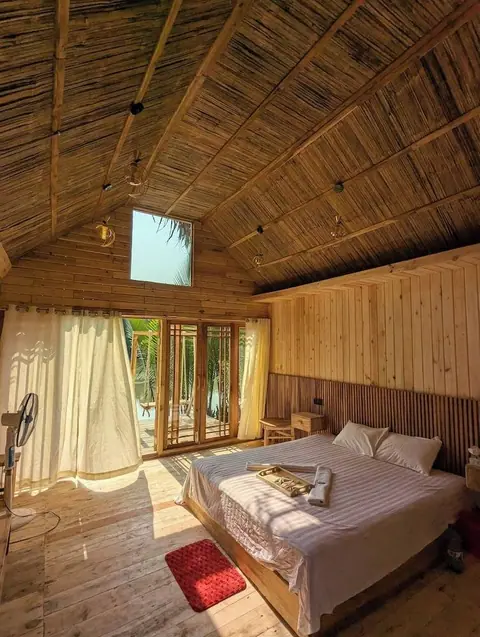
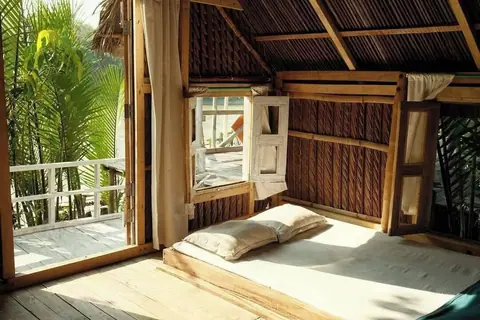
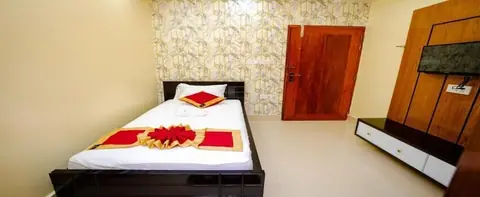
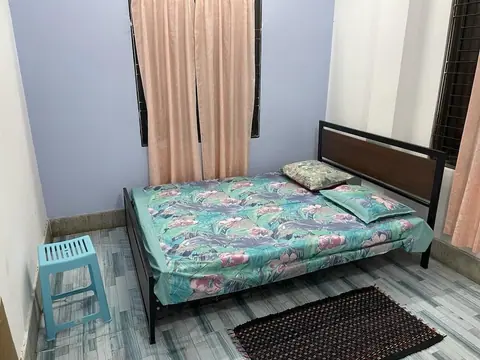
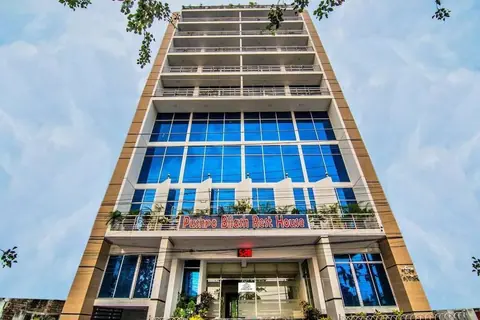
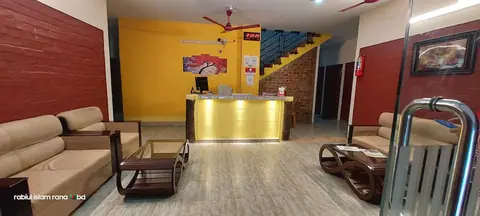
Khulna District suits travellers heading for the Sundarbans or Bagerhat, as well as people visiting for work, study or family. Start with the purpose of the trip. A city hotel keeps transport, food and services close. A lodge in Dacope puts rivers and fields outside the door, with simpler facilities and more planning before you arrive.
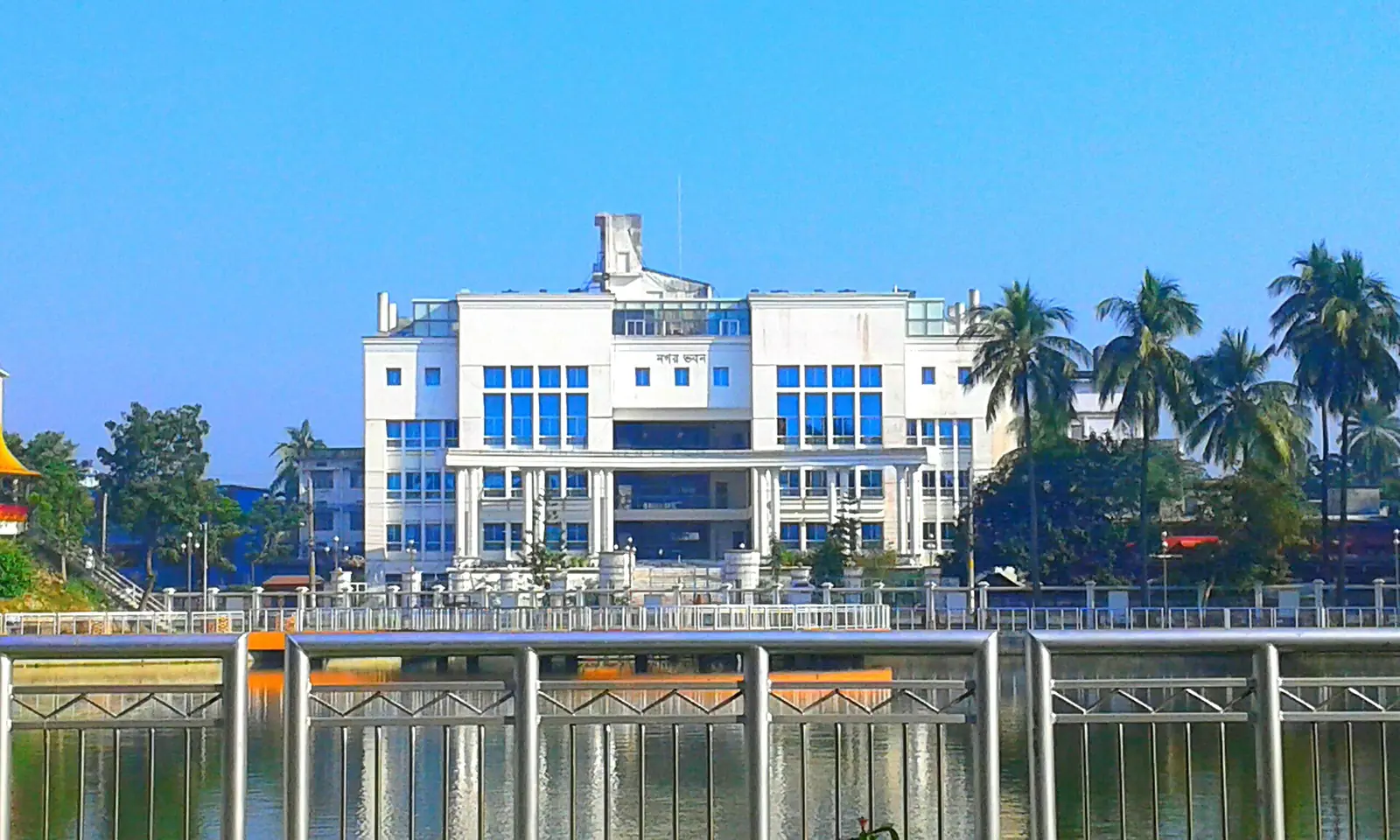
Khulna city is the urban centre of the district, set where the Rupsha and Bhairab river system shapes the eastern side of town. Shib Bari is a useful point of reference for visitors, with KDA Avenue among the familiar streets nearby. Sonadanga and Boyra extend the city to the west and north-west of the centre. Khulna Sadar takes in older commercial streets and riverside quarters, where a smaller selection of stays can be found.
Beyond the city the setting changes. Dumuria lies to the west, a largely rural upazila of farms, waterways and market towns, with a few places to stay. Dacope is to the south, where embanked land and tidal rivers lead towards the mangrove forest. These areas are not interchangeable. A room that works well for a morning train may be awkward for an early forest boat, so check the exact location on the map before booking.
The area around Shib Bari is the simplest choice for a short visit. The Khulna Divisional Museum is close at hand, and rickshaws, auto-rickshaws and easy-bikes connect the surrounding streets with the railway station and markets. It suits first-time visitors, business travellers and anyone arriving after dark who wants a short onward ride. Rooms facing main roads can be noisy, so ask for one at the back or on a higher floor if sleep matters.
Khulna Sadar appeals to travellers who want to be near trading streets and river landings. Daytime here is busy with goods, shoppers and small vehicles, and some lanes are slow to cross by car. Standards of accommodation can vary from one building to the next. Confirm air conditioning, hot water, a working lift and backup power if any of these are essential. Ask the property how vehicles reach the entrance, especially when you are carrying heavy luggage.
Sonadanga combines residential streets with one of the main bus terminals serving Khulna. It is a practical choice if you are continuing by road, arriving on a long-distance coach or visiting people on the western side of the city. Being near the terminal saves a cross-town ride, although the immediate roads carry heavy traffic. A hotel on a side street may give quieter nights while still keeping departures within easy reach.
Boyra, covered together with Sonadanga on this site, has a more everyday character, with homes, institutions and neighbourhood shops. It suits visitors with appointments nearby and those staying several nights who do not need to be in the middle of the commercial area. Check where meals are available in the evening and how you will reach the railway station. Agree an auto-rickshaw fare before setting off, and keep the address written in Bangla for the driver.
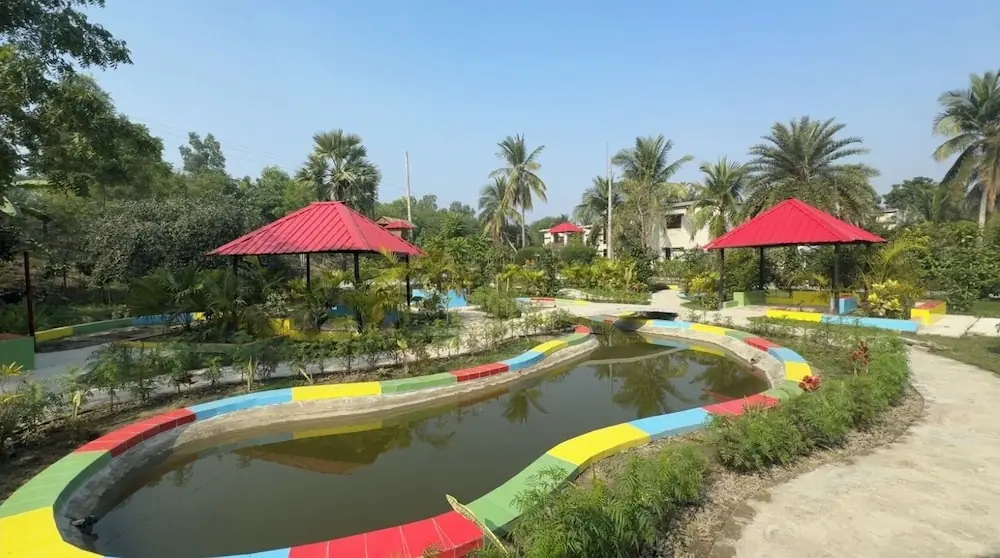
Dacope is the choice for travellers who want to sleep near the edge of the Sundarbans. Small eco-lodges here look onto rivers, embankments and village land. Power, mobile coverage and medical services may be more limited than in the city. A stay on the forest edge does not by itself permit entry to the forest. That requires a boat arranged through a licensed operator, Forest Department permission and an armed guard.
Dumuria is better suited to visitors with family, project work or a road journey on the western side of the district. Chuknagar is a well-known market town in the upazila. Do not assume that a rural address is close to Khulna city or to the Sundarbans. Ask each property about the final stretch of road, evening transport and meal arrangements. During the monsoon, from June to September, heavy rain can slow local travel and affect river crossings.
Khulna city has no airport. Air travellers use Jashore Airport (JSR), 56.9 km in a straight line from the middle of the district's hotels, then continue by road. Flight times can change, and winter fog may cause delays. Trains link Dhaka and Khulna over the Padma Bridge rail route, with the fastest service taking about 4 hours. There are few trains a day, so check Bangladesh Railway's official ticketing site early.
By road, the journey from Dhaka is typically around 4 to 5 hours, longer in heavy traffic or around holidays. Within Khulna, cycle rickshaws handle short trips, while auto-rickshaws and easy-bikes cover wider areas. Agree the fare first where there is no meter. For Dacope, arrange the whole transfer in advance, including any boat connection. Allow a generous margin before a scheduled forest departure, or spend the previous night close to the meeting point.
The Khulna Divisional Museum makes an easy visit from the central hotels and introduces the archaeology and heritage of the region. Bagerhat is the main day trip, typically about an hour by road from Khulna. The Sixty Dome Mosque is 25.3 km in a straight line from the middle of the district's hotels. The tomb of Khan Jahan Ali and its pond belong to the same historic mosque city, a UNESCO World Heritage Site. Check opening days before leaving.
Khulna cooking is known for meat flavoured with chui jhal, the pungent stem of a local vine, and for prawn dishes. Rice meals with river fish are widely served in simple eating houses, while sweet shops and tea stalls cover lighter breaks. Winter brings date-palm jaggery sweets, but never drink raw date-palm sap. Choose freshly cooked food and bottled or filtered water. Ask about spice levels before ordering, and carry mosquito repellent, particularly during and after the monsoon.
In Khulna District, central Khulna city around Shib Bari is the most straightforward starting point. Food, local transport and the divisional museum are within convenient reach. Choose Sonadanga for road connections on the western side of the city, or Dacope if a rural stay near the mangroves matters more than urban services.
A Khulna District lodge in Dacope may be close to the forest edge, but entry still requires a licensed operator, a Forest Department permit and an armed guard, with travel by boat. The forest has been subject to a closure from 1 June to 31 August. Confirm current rules before booking.
November to February is the main season in Khulna District, with drier and cooler weather. Arrange forest-edge rooms and boat trips ahead for weekends and public holidays. April and May are hot and can bring storms, while June to September is the monsoon. Check weather warnings with the Bangladesh Meteorological Department.
Sonadanga is useful for Khulna District travellers using its bus terminal, particularly for an early departure. Some coach services may leave from other counters or stops, so check the boarding point on your ticket. Central Khulna is more convenient if you also want easy access to the museum and surrounding commercial streets.
Khulna District works well for a Bagerhat day trip, especially from the city. The road journey from Khulna is typically about an hour, subject to traffic and weather. Start in the morning to allow time for the Sixty Dome Mosque, the tomb of Khan Jahan Ali and the site museum, after checking opening days.
Carry sufficient taka for rural Khulna District, as card acceptance and cash machines are less dependable outside the city. Withdraw or exchange money before travelling to Dacope or a smaller market town. Ask the lodge which payment methods it accepts, what is included in the booking and whether transfers need separate payment.
Some families may find Khulna District forest-edge stays rewarding, but suitability depends on the property. Ask about railings beside water, landing steps, mosquito nets, meals and access to medical care. Children need close supervision around ponds, rivers and boats. A city hotel may be more practical for infants or anyone with mobility or health needs.
Bring your passport and valid Bangladesh visa or entry documents to your Khulna District hotel, as registration details are normally required. Keep a copy separately. Pack light clothing that covers shoulders and knees, mosquito repellent and any regular medicines. A warmer layer is useful on winter mornings, particularly for travel on the river.
Photo credits: Asm sultan, CC BY-SA 4.0, via Wikimedia Commons.