On this page
South-west Bangladesh is organised around Khulna, and for good reason: it has the hotels, the cash machines, the jetties and the roads. But two smaller towns lie within reach, and each offers a different way to use the region. Bagerhat, an hour or so from Khulna by road, is the town beside the historic mosque city. Mongla, further south on the Pashur river, is a working port and the nearest point on the road to the mangroves.
The short version
- Most travellers sleep in Khulna and see Bagerhat and Mongla as day trips, but each small town can work as a base for the right plan.
- A night in Bagerhat gives you the mosque city early and late in the day, when it is quieter and the light is better.
- Mongla suits people joining a boat at the port or wanting an early start on the river, and rooms there are limited.
- The Sundarbans is closed from 1 June to 31 August, and cyclone risk is highest in April to May and October to November.
This guide asks one question: should you sleep in either town, or stay in Khulna and drive out? It explains what each place is like as a base, how the days fit together, how to arrive and when the weather and the forest closure matter. The mosques themselves and the cruise are covered on their own pages, so they appear here only as reasons for the choice. A shorter answer is that Khulna works for nearly everyone, and the other two towns reward travellers with a little extra time.
Two small towns, one region
Bagerhat lies about 136 km from central Dhaka in a straight line, and Mongla about 161 km. Both sit in a landscape of rivers, shrimp ponds and rice fields that turns to mangrove further south. The Padma Bridge, open to road traffic since June 2022, has brought the whole region within a day’s travel of the capital, and most people now arrive, see something and move on within two or three days.
That speed is the reason to think about a slower plan. The mosque city is best seen without the midday crowds, and the river around Mongla has a rhythm of tides and cargo boats that is best met in the morning. Sleeping closer to either lets you meet both places at the better hours, while Khulna remains the practical choice for everything else.
Khulna, Bagerhat or Mongla
| Base | Strengths | Limits |
|---|---|---|
| Khulna | Most hotels, restaurants and ATMs; jetties and station; best for cruises | A city rather than a small town; about an hour to each of the others |
| Bagerhat | Beside the mosque city; quiet mornings and evenings | A few basic hotels, few restaurants, little else to do |
| Mongla | Beside the port and the river; early starts for boat trips | Limited and simple rooms, few services |
For most visitors the answer is Khulna, with a day trip to Bagerhat and a morning at Mongla if the cruise leaves from there. The Khulna guide covers hotels, cruise logistics and the cruise itself in more detail. The reason to choose a smaller town is time and atmosphere, not comfort, so be clear about what you want from the night.
Sleeping in Bagerhat
Bagerhat is a small district town with a market, a bus stand and a few basic hotels. The main appeal of staying is the chance to walk or ride out at first light to the mosque city, before the day’s visitors and school groups arrive, and to return in the late afternoon when the brickwork turns warm. The evenings are quiet, and restaurants are few and simple.
Standards are modest. Expect fan or air-conditioned rooms, shared or small private bathrooms, and a bed rather than amenities. Before booking, check the address, ask whether meals are available and confirm that there is a generator for power cuts. Because choice is thin, arrive in daylight and carry cash for the room, meals and rickshaws. Many guests simply decide that Khulna is easier and drive out for the day.
A night in town does have small rewards. Early mornings are cool and quiet, with the call to prayer carrying across the fields, and the market wakes slowly with tea stalls and fresh vegetables. Walk a little, talk to the stall holders and watch the town start its day. Women travellers will find the streets quiet after dark, as in most district towns, so plan evening meals early and return by rickshaw.
The mosque city from a Bagerhat base
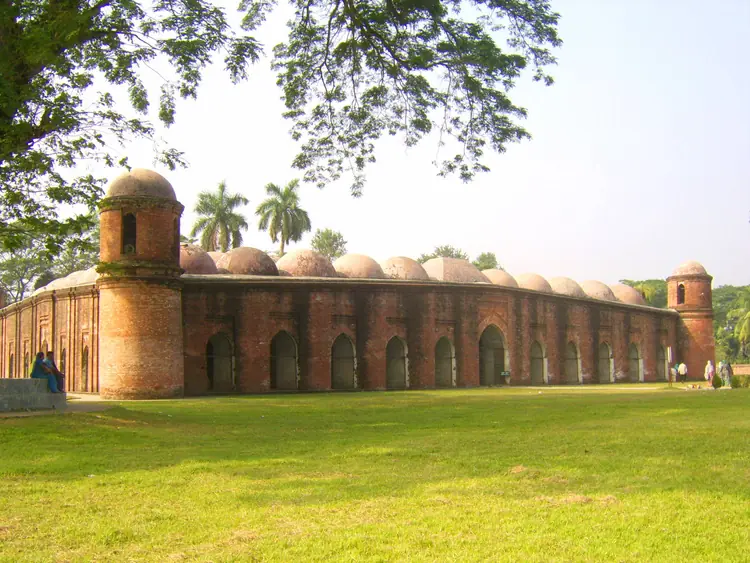
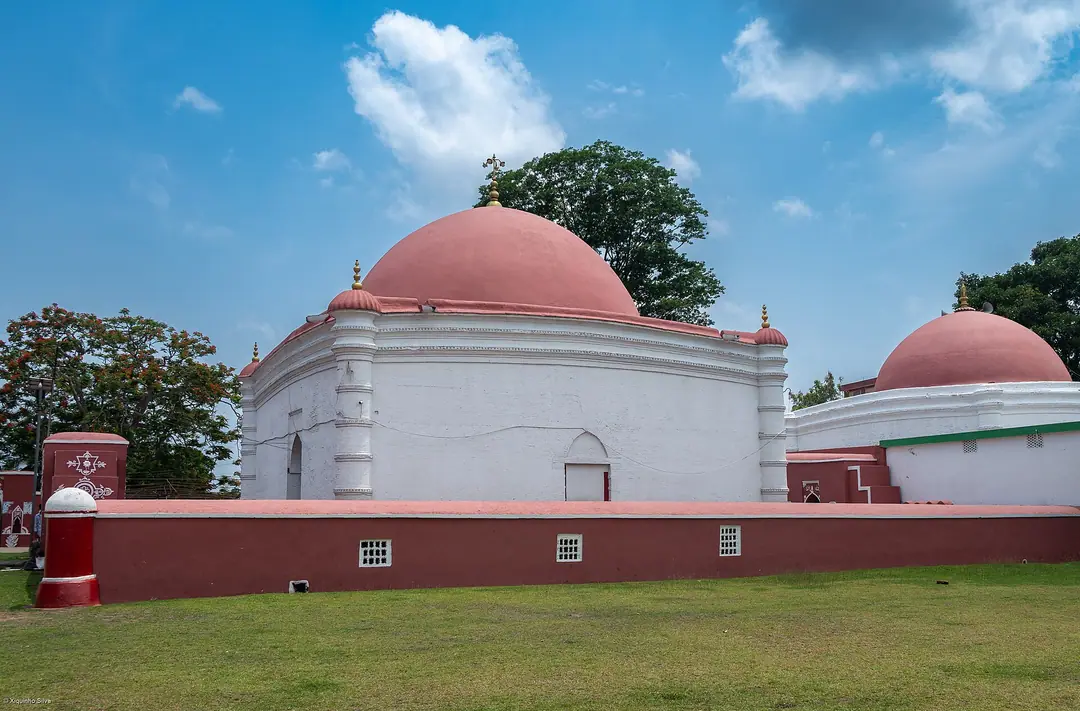
The historic mosque city of Bagerhat, founded by Khan Jahan Ali in the fifteenth century, is a UNESCO World Heritage Site. Its monuments are scattered across fields, ponds and villages, rather than gathered in one compound, so a base in town saves repeated transfers from Khulna. A rickshaw or CNG with a waiting driver is the easiest way to move between the buildings.
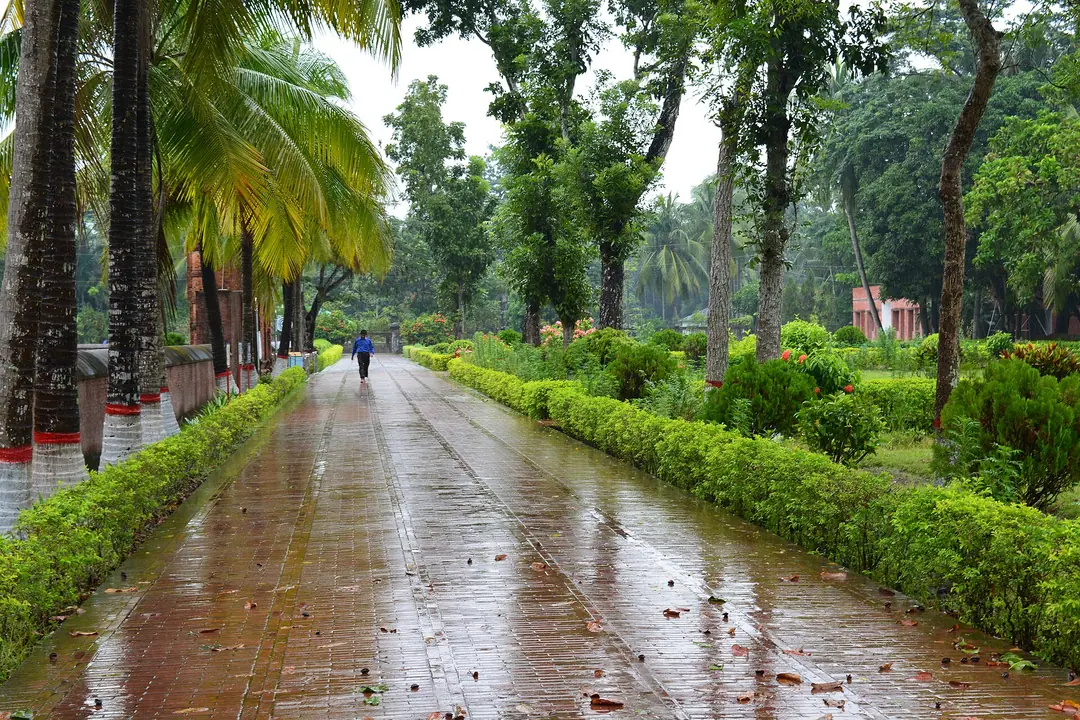
Use the base to set the timing: a first visit in the early morning for soft light and few people, a rest through the middle of the day, and a second round in the late afternoon for the quieter sites. Visitors who like to photograph will see the difference. Dress modestly, remove shoes at mosques and avoid Friday midday prayers, when the main site may be crowded or closed to visitors.
Mongla, the port and the river
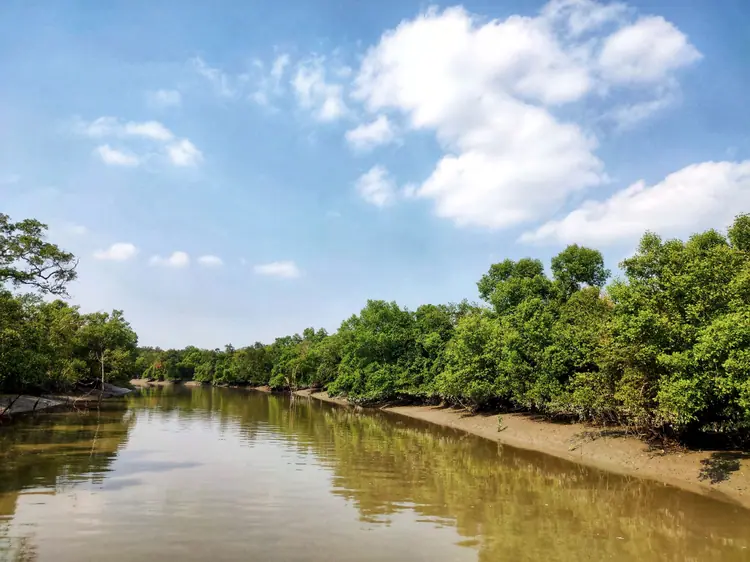
Mongla is the country’s second seaport, on the Pashur river about 41 km from Khulna in a straight line. It is a working town of warehouses, ship repair yards, wholesalers and tea stalls, and it is not set up for visitors. The river is the attraction: cargo ships, barges, fishing boats and ferries pass all day, and a stroll along the bank at dawn shows a side of the delta that few travellers see. Port areas have restricted zones, so keep to public roads and do not photograph the port gates, ships under repair or security staff.
Rooms in Mongla are limited and simple, and most visitors stay only if a boat operator recommends it or a cruise departs from the port at first light. If you do plan a night there, confirm it with the operator rather than booking blind, and ask whether pickup from the hotel is included. For the cruise itself, see the Sundarbans boat trip page.
Karamjal and the forest edge
Karamjal, near Mongla, is a forest station at the edge of the Sundarbans with a small wildlife viewing area, where visitors walk short paths, see spotted deer and look at crocodiles kept in a breeding centre. It is the easiest introduction to the mangroves for travellers without time for a full cruise. In 2026 it was open even during the closed months, but rules for the forest change, so check with an operator before you plan around it.
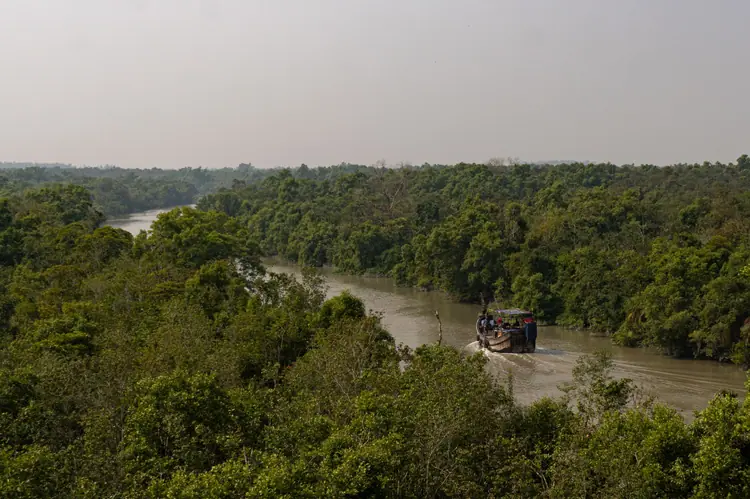
The Sundarbans itself can be entered only by boat with a licensed operator, a Forest Department permit and an armed guard, and it is closed to visitors from 1 June to 31 August for the breeding season, reopening on 1 September. The main season runs from November to February. Mobile signal fades in the forest, and there are no ATMs on the boats, so plan cash before you leave.
Getting there and around
By road from Dhaka, Khulna takes around four to five hours over the Padma Bridge, and Bagerhat and Mongla are further on, so plan at least a full day to arrive. Trains run between Dhaka and Khulna over the Padma rail link, with few services a day, so book early on the official Bangladesh Railway e-ticket site. Flights land at Jashore, from where it is a drive of an hour or two to Khulna.
From Khulna, Bagerhat is about an hour by road and Mongla is a similar distance south, depending on traffic and the river crossings. Local buses run, but a hired car and driver is simpler, especially if you are combining the mosque city and the port in one day. The getting around Bangladesh guide explains how to choose between modes.
Seasons, tides and health
The comfortable season is November to February, with dry weather and cool mornings. March warms up, April and May are hot and humid with a cyclone risk, and the monsoon from June to September brings heavy rain and rough water. October and November also carry cyclone risk, so watch Bangladesh Meteorological Department warnings, and never go out on a boat in a storm. The best time to visit Bangladesh page compares the months.
Mosquitoes are common near the water, and dengue occurs in and after the monsoon, so use repellent, wear long sleeves in the evening and sleep under a fan or net. Drinking water from the tap is not safe, so use bottled or filtered water. The trip also suits a pair of binoculars, since river birds, kingfishers and sea eagles are often seen from the banks and ferries, and a notebook for the tides. Salt in the soil and in the air gives the delta a particular smell and can corrode metal, which is worth knowing if you carry cameras and electronics.
Khan Jahan’s tomb and its pond
The tomb of Khan Jahan Ali, beside its large pond, is a place of devotion as well as a historic monument. You may see families making offerings, pilgrims praying and visitors resting near the water. Treat it as an active shrine. Speak quietly, let worshippers pass first and follow any instructions from caretakers about where to stand or sit. Some areas may be reserved for prayer or limited by gender, so ask before going further in. If someone offers to guide you or perform a blessing, agree any payment first or decline politely.
Take particular care at the water’s edge. The pond has long been associated with crocodiles, so check the current situation locally, stay back from the water, keep children close and never feed or approach any animal. Steps can be slippery after rain. Ask permission before photographing people, especially anyone praying or bathing. The site museum in Bagerhat adds useful background on Khan Jahan Ali and the town once called Khalifatabad. Opening days can change, so confirm them with the Department of Archaeology or museum staff before building your visit around it.
A three-day plan
- Day 1 · Dhaka to Khulna and Bagerhat
Cross the Padma by road or rail, continue to Bagerhat for the afternoon light at the mosque city, and sleep in Bagerhat or Khulna.
- Day 2 · The mosque city and Mongla
See the mosque city again at first light, then drive to Mongla for the river and, if open, Karamjal. Return to Khulna for the night.
- Day 3 · Onward
Start a Sundarbans cruise if the season allows, or fly from Jashore, or return to Dhaka by road or rail.
The 10-day itinerary shows how the south-west fits into a longer route, and the Bangladeshi food guide lists the prawn and fish dishes the region is known for.
Questions and answers
Should I stay in Bagerhat or Khulna?
Most travellers stay in Khulna because it has far more hotels, restaurants and cash machines, and Bagerhat is about an hour away. Stay in Bagerhat only if you want to see the mosque city at first and last light, and you are happy with a basic room and few places to eat.
Is there accommodation in Mongla?
A little, but it is limited and simple, and most visitors stay only if their boat operator recommends it or a cruise leaves from the port early. Confirm the room through the operator rather than turning up unannounced, and check whether pickup is included. Khulna is easier for most travellers.
How far is Mongla from Khulna?
About 41 km in a straight line, with a longer road, and roughly an hour or so by car depending on traffic and crossings. Operators often collect guests from Khulna, which is easier than organising it yourself. Ask for the current drive time, especially during the monsoon.
Can I see Bagerhat as a day trip from Khulna?
Yes. The mosque city is about an hour by road from Khulna, and a hired car lets you visit in the morning, rest through the heat and return in the afternoon. Many visitors fit Bagerhat in before a cruise. A night in Bagerhat is optional, not required.
Is Karamjal near Mongla open when the Sundarbans is closed?
In 2026 it was the exception to the closure, but rules for the forest change, so confirm with an operator before you rely on it. The Sundarbans itself is closed from 1 June to 31 August for the breeding season and reopens on 1 September.
How long does it take to reach Bagerhat from Dhaka?
Bagerhat is about 136 km from central Dhaka in a straight line, and the road trip across the Padma Bridge and on takes most of a day with a stop. Trains and flights can shorten part of the journey, but check current timetables. Plan an overnight rather than a day trip.
What is the weather like in Bagerhat and Mongla?
November to February is dry and comfortable, with cool mornings. April and May are hot and humid, with cyclone risk, and October and November also carry some. The monsoon from June to September brings heavy rain and rough water. Check Bangladesh Meteorological Department warnings before travelling in those months.
Do I need cash in Bagerhat and Mongla?
Yes. ATMs are common in central Khulna but few around Bagerhat and Mongla, and there are none on the boats. Withdraw enough taka in Khulna for rooms, meals, rickshaws, entry fees and tips, and carry small notes. Cards are accepted mainly at larger hotels in Khulna.