On this page
A Bengali saying sums up the national diet: ‘fish and rice make a Bengali.’ Meals are built around rice with a spread of curries, lentils and mashed vegetables, and the river delta supplies an astonishing variety of fish. Food is generously spiced but not always fiery — ask for ‘kom jhal’ for less chilli.
The short version
- Meals are built around rice, fish, lentils and vegetable mashes called bhorta; ask for ‘kom jhal’ if you want less chilli.
- Old Dhaka is the place for kacchi biryani, and every region has its own speciality, from Chattogram’s mezban beef to Sylhet’s shatkora curry.
- Street food is safest at busy stalls where food is cooked fresh and served hot; drink bottled water.
- Eat with your right hand, and during Ramadan be discreet in daylight — then join the iftar markets at sunset.
Bangladeshi food shares a lot with the cooking of West Bengal in India, but it has its own character: more beef and freshwater fish, a strong Mughal influence in Old Dhaka, and distinct regional styles in Chattogram, Sylhet, Khulna and the north. Mustard oil, turmeric, cumin, nigella seed and green chilli are everywhere, and a meal is usually eaten in courses on a single plate of rice. This guide covers the dishes to look for, where to eat them, how to eat street food sensibly, and the etiquette that will make you a welcome guest at any table.
How a Bangladeshi meal works
At home and in local restaurants, a meal starts with a mound of plain rice. Dishes are added a little at a time, often in a loose order: something bitter or a vegetable first, then bhorta and dal, then fish or meat, and sometimes a sweet or yoghurt to finish. Lunch is the main meal for many families; dinner is often late, after 9pm. Breakfast might be paratha or ruti (flatbread) with vegetables, egg or dal, or simply tea and a biscuit.
Local restaurants, often called hotels in Bangla even if they have no rooms, serve rice with a choice of curries from big pots at the front. You point at what you want, and the staff will keep refilling rice and dal. Prices are usually by the piece of fish or meat. Smarter restaurants in Dhaka have menus in English, while small local places may not; pointing and smiling works well.
Fish: the heart of the table
Hilsa, or ilish, is the national fish: rich, silvery and full of fine bones. Try shorshe ilish, steamed or cooked in a sharp mustard sauce. Freshwater prawns, rui and pabda curries are everyday favourites, and Cox’s Bazar is the place for seafood.
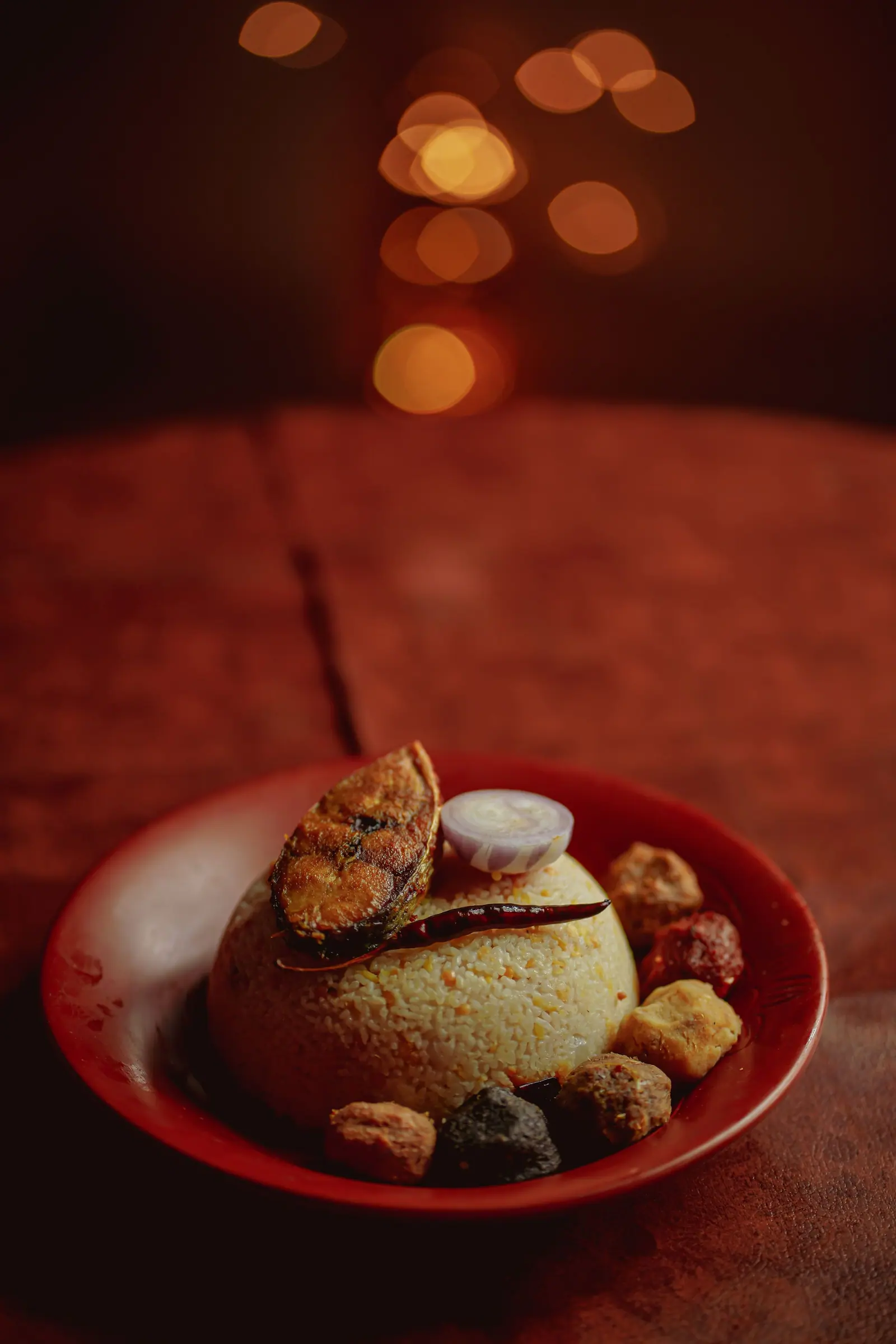
Hilsa is caught as it swims up the great rivers from the sea, and the town of Chandpur, where the Padma and Meghna meet, is closely associated with it. It is most plentiful in the monsoon, and to protect stocks the government bans hilsa fishing during parts of the breeding season, so availability and prices change through the year. Eat it slowly: the bones are fine and numerous, and locals separate them deftly with their fingers. On Pohela Boishakh, the Bengali New Year, panta bhat — rice soaked overnight in water — with fried hilsa is the traditional meal.
Beyond hilsa, look for chingri malai curry, large river prawns in a coconut-milk sauce; rui (rohu) and katla, carp cooked in a light curry; small fish such as pabda and tengra; and koi, climbing perch. Shutki, dried fish, has a powerful aroma and is a favourite in Chattogram and along the coast, often in bhorta or a spicy curry. At Cox’s Bazar, beachfront restaurants grill and fry sea fish, crab and lobster; agree prices by weight before they cook.
Biryani, rice and meat dishes
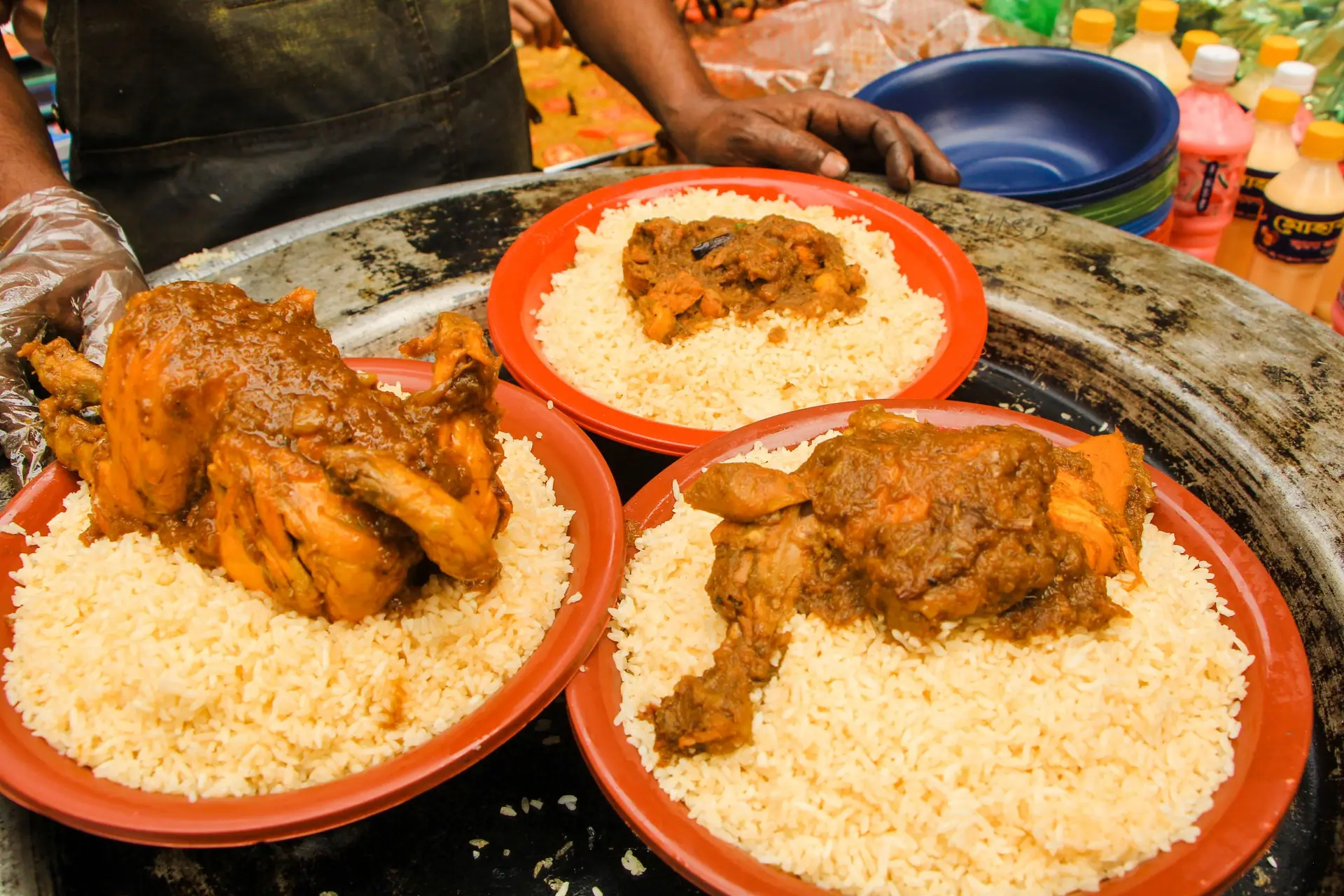
Old Dhaka is famous for kacchi biryani, where marinated goat and rice cook together slowly in a sealed pot. Haji Biryani in Nazira Bazar has been at it since 1939. Morog polao (chicken pilau) and tehari, a beef rice dish with mustard oil, are also classics. On rainy days, locals eat khichuri — rice and lentils — with fried egg or beef.
Kacchi biryani is the dish people travel across Dhaka to eat. Fragrant rice, potatoes and meat on the bone are layered in a large pot called a dekchi, sealed and slow-cooked so the meat cooks in the rice. It is traditionally served with borhani, a spiced, salty yoghurt drink that helps with the richness. The biryani houses of Old Dhaka are busiest at lunchtime and often sell out by mid-afternoon. Combine a biryani lunch with our Old Dhaka heritage walk.
Beef is widely eaten in Bangladesh, unlike in much of India. Kala bhuna, a dark, dry-fried beef dish from Chattogram, and beef rezala are worth trying, as is mutton rezala, a creamy Mughal-style curry. Kebabs are another Old Dhaka speciality: shik kebab, chap (spiced, flattened meat fried on a griddle) and bot kebab, often eaten with naan or luchi late into the evening. Haleem, a thick stew of meat, lentils and grains, is especially popular during Ramadan.
Bhorta, dal and vegetables
Bhorta are mashes of potato, aubergine, dried fish or lentils, mixed with mustard oil, onion and green chilli. A home-style meal might include several, alongside a thin, comforting dal.
Bhorta are one of the great pleasures of Bangladeshi food and an easy way for vegetarians to eat well. Alu bhorta (potato) is the simplest and most comforting; begun bhorta is made with smoky charred aubergine; shutki bhorta is pungent dried fish; and there are mashes of lentils, tomatoes, beans, black cumin and even prawns. Some restaurants in Dhaka specialise in bhorta and offer a dozen or more at a time, served in small bowls around a plate of rice.
Vegetables include shak (leafy greens such as red amaranth and spinach), shukto, a mildly bitter mixed vegetable dish, and labra, a mixed vegetable curry. Dal is everywhere: usually thin red lentil soup, sometimes thick and fried with garlic. Vegetarians and vegans can eat very well, but be aware that fish or dried fish may be in dishes that look vegetarian, and ghee is common. Ask for niramish (without meat or fish) and check.
Regional specialities
Each region has dishes that people will proudly tell you are the best in the country. If you are travelling around, it is worth seeking these out locally, where they are made with the most care:
| Dish | What it is | Where to try it |
|---|---|---|
| Kacchi biryani | Goat or mutton and rice slow-cooked together in a sealed pot, with potatoes | Old Dhaka |
| Bakarkhani | Crisp, flaky layered bread, eaten with tea | Old Dhaka |
| Shorshe ilish | Hilsa in a pungent mustard sauce | Nationwide; Chandpur and river towns |
| Mezban beef and kala bhuna | Beef curry served at Chattogram’s traditional mezban feasts; dark, dry-fried beef | Chattogram |
| Shatkora beef | Beef curry cooked with shatkora, a sour wild citrus | Sylhet |
| Seven-layer tea | Tea poured in distinct coloured layers, a tea-country novelty | Sreemangal |
| Chui jhal | Meat curry flavoured with the peppery stem of the chui vine | Khulna and the south-west |
| Kalai ruti | Flatbread made from black-gram and rice flour, eaten with chilli and onion mash | Rajshahi and Chapai Nawabganj |
| Mishti doi | Sweet, caramel-coloured yoghurt set in clay pots | Bogura and nationwide |
| Chomchom | Oval, syrupy milk-based sweet | Porabari, Tangail |
| Roshmalai | Soft cheese balls in thickened, sweetened milk | Cumilla |
| Mango and lychee | Seasonal fruit, prized varieties | Rajshahi and Chapai Nawabganj (mango); Dinajpur (lychee) |
In the tea country of Sylhet and Sreemangal, fresh tea is very good, and the layered seven-colour tea is a fun novelty served in local tea cabins. In the south-west, around Khulna, chui jhal is a point of local pride; and the north-west turns into one huge mango orchard in early summer.
Street food and how to eat it safely
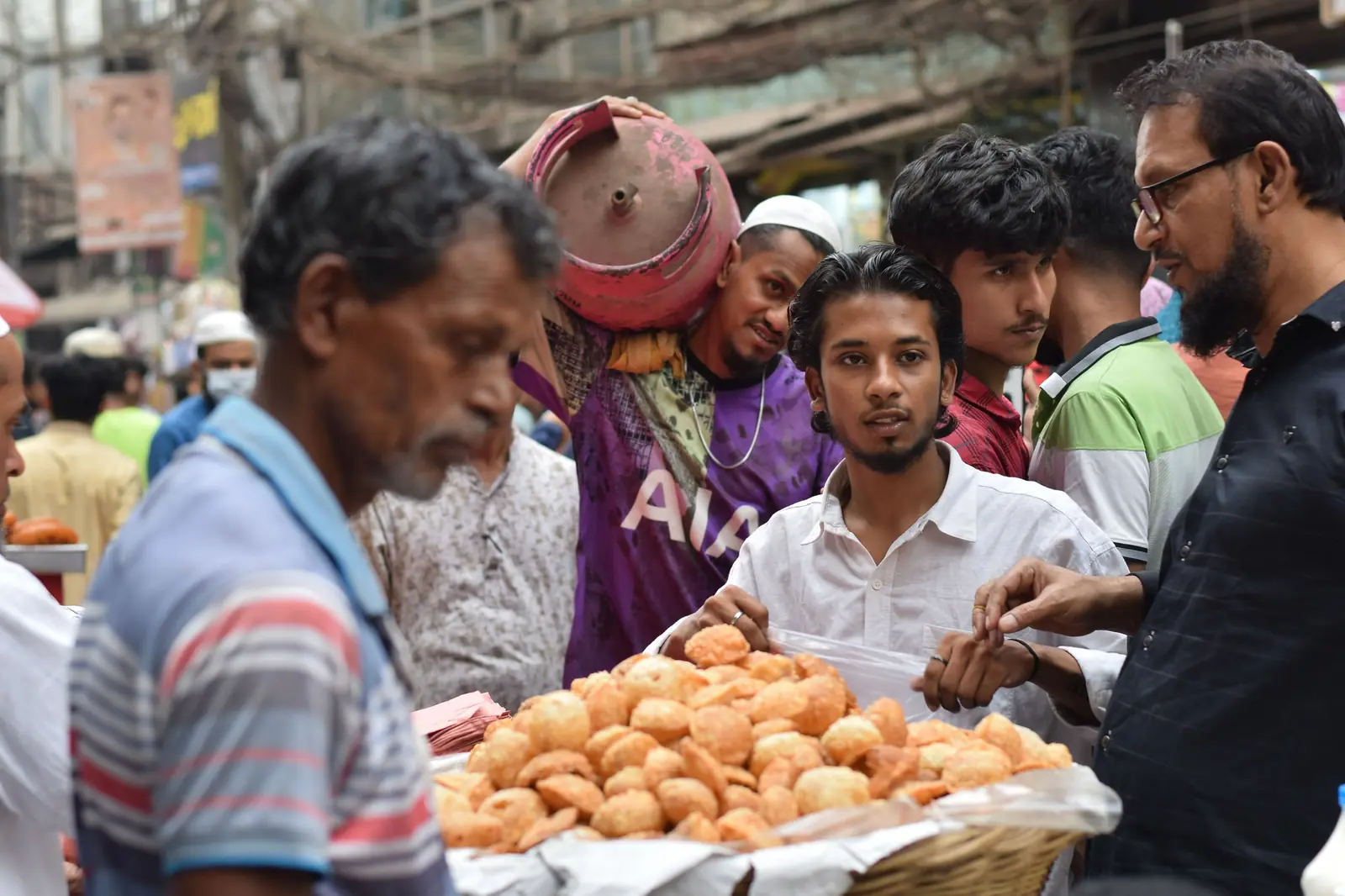
- Fuchka — crisp shells filled with spiced chickpeas and tamarind water.
- Chotpoti — warm chickpeas with egg, onion and tangy sauce.
- Singara — Bengali samosas, perfect with a cup of tea.
- During Ramadan, iftar markets such as Chawkbazar in Old Dhaka are a feast at sunset.
Street food is part of everyday life, and some of the best things you will eat in Bangladesh cost very little. Beyond fuchka and chotpoti, look for jhal muri (puffed rice tossed with onion, chilli, mustard oil and spices), piyaju (lentil fritters), beguni (aubergine fritters), samosa with a thin crust and meat or vegetable filling, jilapi (crisp syrupy spirals) and velpuri. In the evenings, Dhaka’s food courts and roadside stalls fill with families, students and office workers.
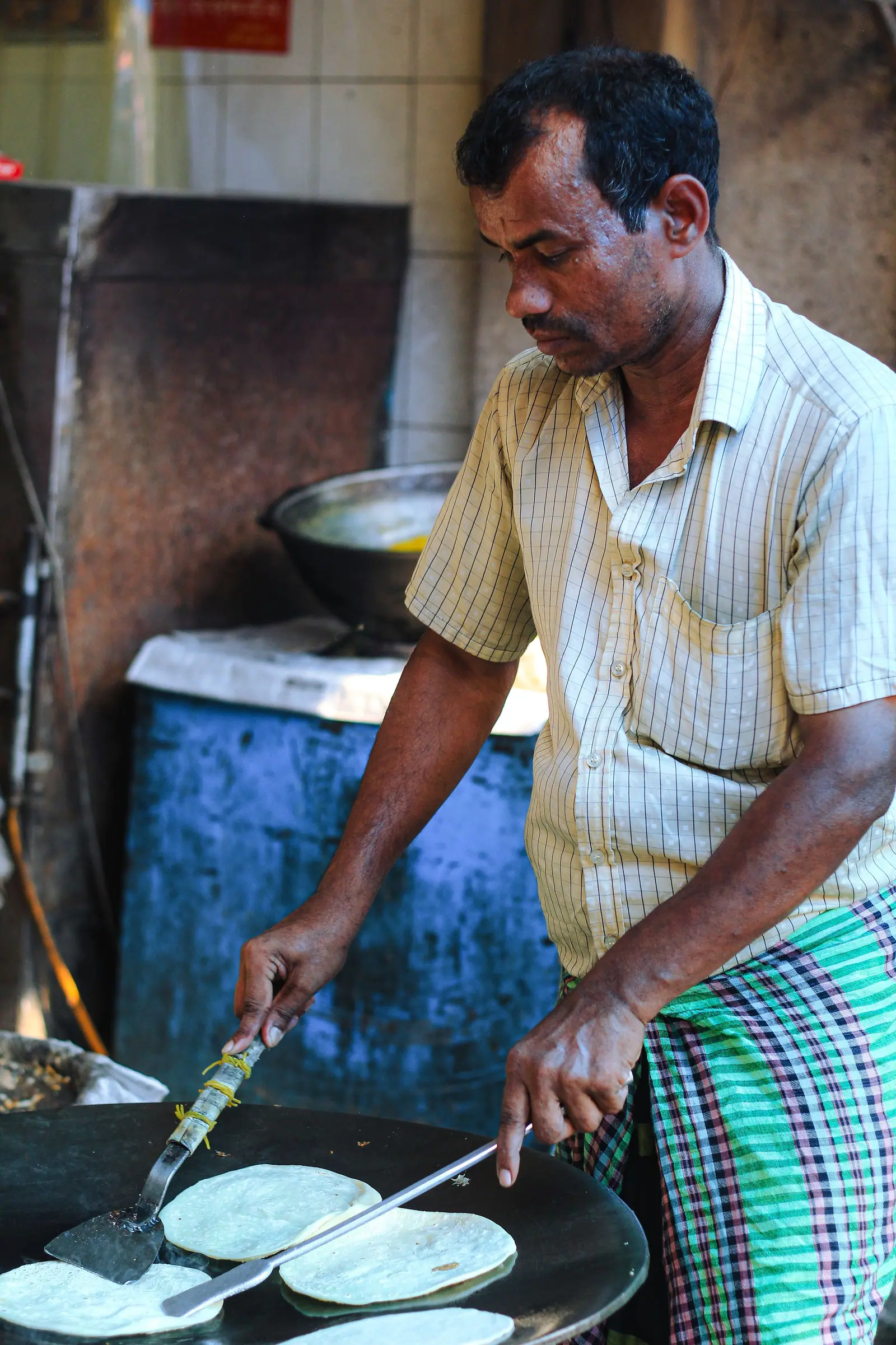
Most travellers eat street food without a problem by following a few rules:
- Choose busy stalls with a high turnover, ideally ones where locals queue.
- Eat food that is cooked in front of you and served hot. Deep-fried snacks fresh from the oil are a good bet.
- Be careful with anything raw or washed in tap water: salads, cut fruit, chutneys and the tamarind water in fuchka. If your stomach is sensitive, ask for fuchka with the water on the side or skip it for the first few days.
- Avoid ice and street juices unless you trust the water source.
- Carry hand sanitiser and use it before you eat.
- Never drink raw date-palm sap (khejur rosh) sold on winter mornings: it has been linked to Nipah virus outbreaks.
Roadside tea and plates of fuchka or chotpoti cost very little, and even kacchi biryani in an Old Dhaka restaurant is modestly priced by international standards; look at the board or ask before you order. Meals in upmarket Dhaka restaurants cost several times more. Prices change, so check locally.
For more on staying healthy, see our safety guide.
Sweets, pitha and tea
Bangladeshis love sweets: roshogolla, chomchom and mishti doi, a sweet baked yoghurt sold in clay pots, famously from Bogura. In winter, look for pitha — rice cakes, often filled with date-palm jaggery. Wash it all down with cha, strong milky tea from a roadside stall.
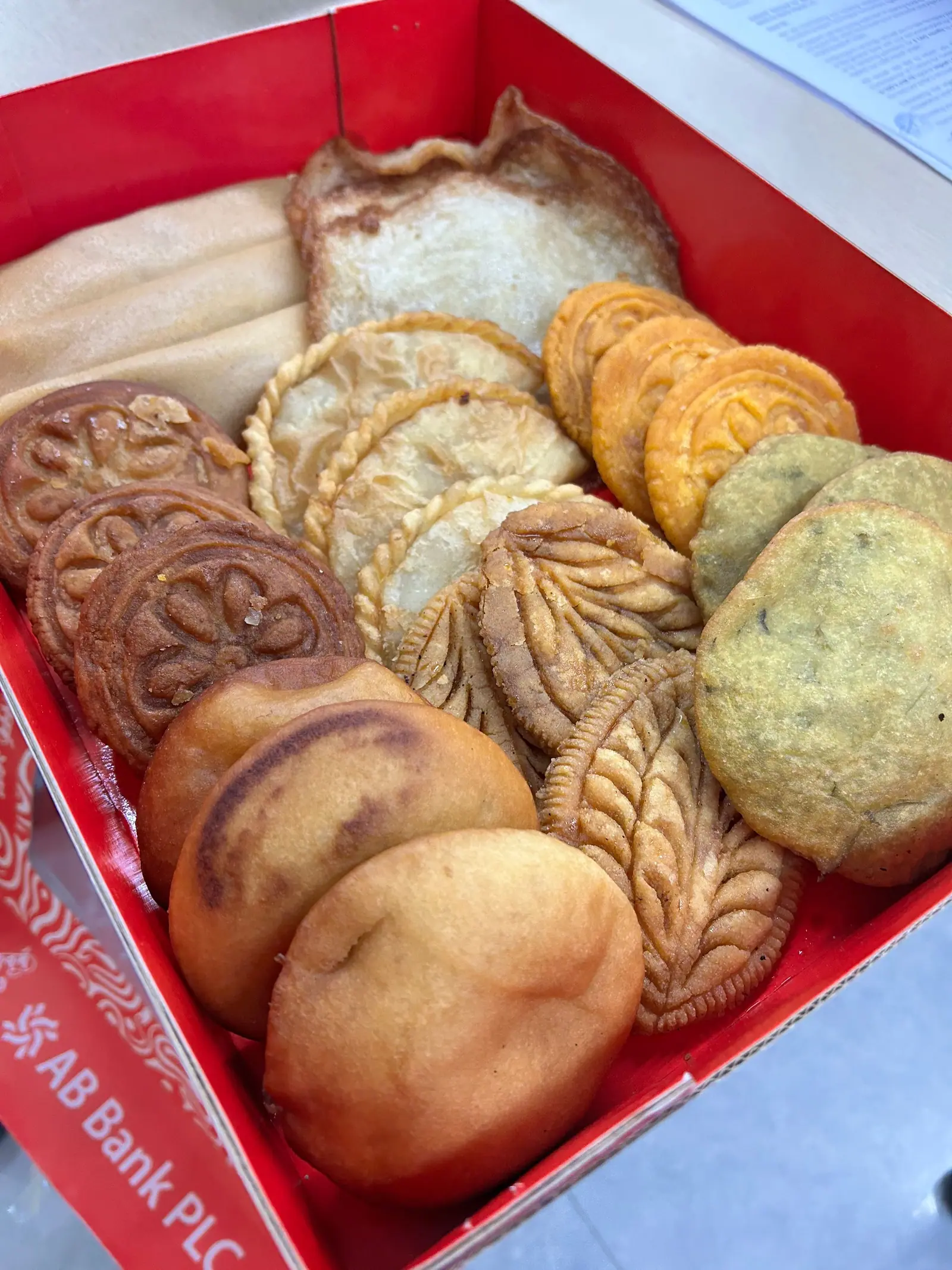
Sweet shops, called mishtir dokan, are found on almost every street. Sweets are brought as gifts when visiting someone’s home, given to celebrate good news, and shared at festivals. Besides roshogolla and chomchom, try kalojam (dark, fried and syrupy), sandesh (a delicate fresh-cheese sweet), roshmalai, and firni or payesh (rice puddings). Falooda, a layered dessert drink, and lassi are popular in summer.
Pitha are the taste of winter. They come in dozens of forms: bhapa pitha, steamed rice cakes filled with jaggery and coconut, sold from small clay stoves on winter evenings; chitoi pitha, served with mashed chilli or meat curry; patishapta, thin pancakes rolled around a sweet filling; and puli pitha, dumplings. Date-palm jaggery, khejur gur, made from boiled sap, appears in sweets and payesh all winter.
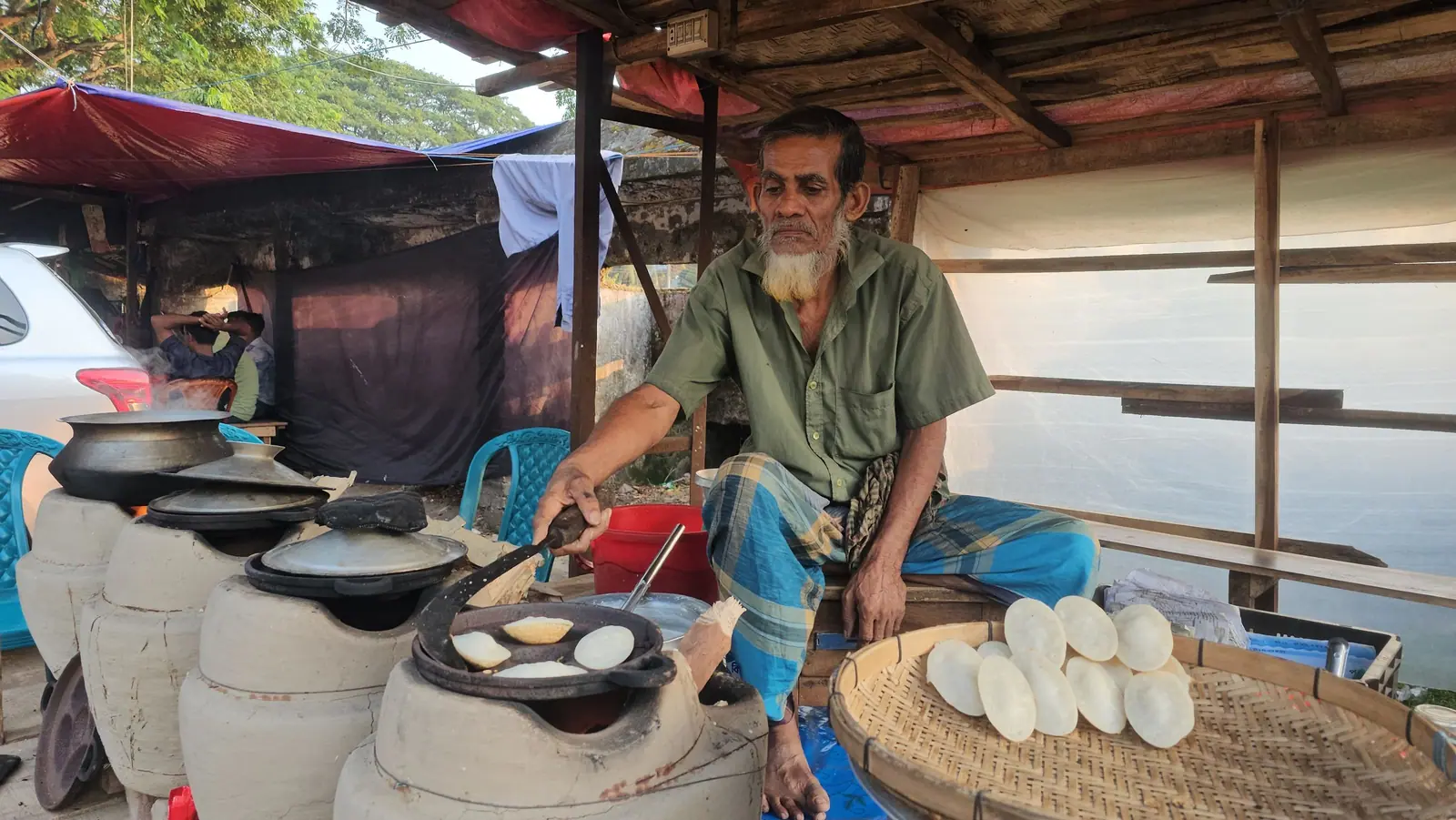
Tea is the national social lubricant. Roadside cha is made with sweetened condensed or fresh milk, sometimes with ginger, and served in small glasses or cups. Ask for lal cha for black tea, often with lemon or ginger. Tea comes from Bangladesh’s own estates around Sylhet and Sreemangal.
Etiquette, alcohol and Ramadan
Most Bangladeshis eat rice with their right hand, mixing a little rice with curry and pushing it into the mouth with the thumb. The left hand is traditionally used for hygiene, so keep it for passing dishes or holding a glass. Wash your hands before and after eating — local restaurants have a basin. Cutlery is always available on request in restaurants, and nobody will mind if you use a spoon.
- If invited to a home, bring a box of sweets or fruit. Your host will probably insist you eat more than you planned; it is polite to accept a second helping and to leave a little on the plate when you are full.
- Beef is common, but pork is rarely served outside some international hotels and a few specialist places, as most Bangladeshis are Muslim.
- Alcohol is restricted. It is usually available only in some international hotels, licensed bars and clubs, and duty-free shops. Do not drink in public.
- Tipping is not expected in local eateries; in restaurants with table service, a small tip or rounding up is appreciated.
During Ramadan, restaurants may open only after sunset outside hotels — but the iftar markets are a highlight. Many restaurants close or cover their windows during the day, and you should avoid eating, drinking and smoking in public in daylight hours. As sunset approaches, iftar stalls sell chola (spiced chickpeas), piyaju, beguni, jilapi, haleem, kebabs and fresh dates. The most famous iftar market is at Chawkbazar in Old Dhaka, where vendors pile up an extraordinary array of foods. It gets very crowded, so keep a close eye on your belongings. Ramadan moves about eleven days earlier each year with the lunar calendar; our guide to the best time to visit explains how it affects travel.
Questions and answers
What is the national dish of Bangladesh?
There is no single official national dish, but rice and fish, especially hilsa, is the combination most Bangladeshis would name. Hilsa is the national fish, and shorshe ilish, hilsa in mustard sauce, is a classic. For visitors to Dhaka, kacchi biryani from Old Dhaka is the dish most people say you should not miss.
Is Bangladeshi food very spicy?
It is well spiced and aromatic but not always fiery. Heat usually comes from green chillies, which are added to many dishes, especially bhorta and street snacks. Ask for ‘kom jhal’ when ordering to reduce the chilli. Biryani, kebabs, sweets and many fish curries are relatively mild, and plain rice and yoghurt help cool things down.
Is street food safe in Bangladesh?
Street food can be eaten safely if you choose carefully. Pick busy stalls, eat food cooked fresh and served hot, and be cautious with raw items, cut fruit, ice and anything mixed with untreated water, including fuchka water. Use hand sanitiser and drink bottled water. Avoid raw date-palm sap, which is linked to Nipah virus.
Can vegetarians eat well in Bangladesh?
Yes. Dal, bhorta, vegetable curries, khichuri, flatbreads, fried snacks and sweets mean vegetarians eat very well. The difficulty is hidden fish, dried fish or meat stock in dishes that look vegetarian. Ask for ‘niramish’ and explain that you eat no fish or meat. Vegans should also check for ghee, milk and yoghurt.
Can you drink alcohol in Bangladesh?
Alcohol is restricted in Bangladesh. Foreign visitors can usually find it in some international hotels, licensed bars and clubs, and at duty-free shops, but it is not sold in ordinary shops or most restaurants. Drinking in public is not acceptable, and you should be particularly discreet during Ramadan and in conservative areas outside the main cities.
What should I eat during Ramadan in Bangladesh?
Join the iftar rush at sunset. Stalls sell chola, piyaju, beguni, jilapi, haleem, kebabs and fresh dates, and Chawkbazar in Old Dhaka has the most famous iftar market. During the day, many restaurants close outside hotels, so plan meals at your hotel and avoid eating or drinking openly in public until the fast ends.
Can I find vegetarian food in Bangladesh?
Yes, with a few words of explanation. Bhorta, dal, leafy shak, vegetable curries and egg dishes are on most menus, and Hindu households and temples have a long meat-free tradition. Ask for niramish, and check for dried fish or shrimp paste, which can appear in mashes. In larger hotels and Dhaka’s café districts the choice is wider.
What is a typical Bangladeshi breakfast?
Often flatbread, either paratha or the plainer ruti, with vegetable bhaji, lentil dal, an omelette or a little curry left from the night before, and sweet milky tea. Simple local restaurants serve it from early morning. In winter you may find pitha, rice cakes sold hot from roadside stalls, some stuffed with coconut and date-palm jaggery.