On this page
The Sylhet division is the coolest, greenest corner of Bangladesh: rolling tea estates, patches of tropical forest and rivers that run clear over stones from the Meghalaya hills across the Indian border. It splits neatly into two bases, and most travellers use both.
The short version
- Use two bases: Sreemangal for tea gardens and forest walks, Sylhet city for the rivers and shrines of the far north.
- Take the train to Sreemangal, drive north to Sylhet, then fly back to Dhaka in about 45 minutes.
- October to March is the most comfortable season; the monsoon is best for the swamp forest but hardest on roads.
- Hire a car and driver for day trips from Sylhet — public transport to Jaflong and Lalakhal is slow.
Sreemangal, in the south of the division, is a small market town surrounded by tea. Sylhet city, around three hours’ drive further north, is a busy regional capital with an airport, Sufi shrines and quick access to the rivers under the Khasi and Jaintia hills. This guide covers where to stay in each, how to get there, what to see from each base, when to go, and a simple three-day plan.
Sreemangal or Sylhet city?
| Sreemangal | Sylhet city | |
|---|---|---|
| Feel | Small town, tea gardens on every side | Busy regional city |
| Best for | Walking, cycling, forest, birdwatching | Rivers, hills, shrines, swamp forest |
| Accommodation | Guesthouses, eco-cottages, resorts | Mostly business-style hotels |
| Getting there | Train from Dhaka (about 5 h) | Flight (about 45 min) or longer train |
| Nights to give it | 2 | 1–2 |
If you only have time for one, choose Sreemangal for a slow, green break and Sylhet city if the rivers of Jaflong, Lalakhal and Ratargul are what drew you. With four or five days you can comfortably do both.
Sreemangal — the tea capital
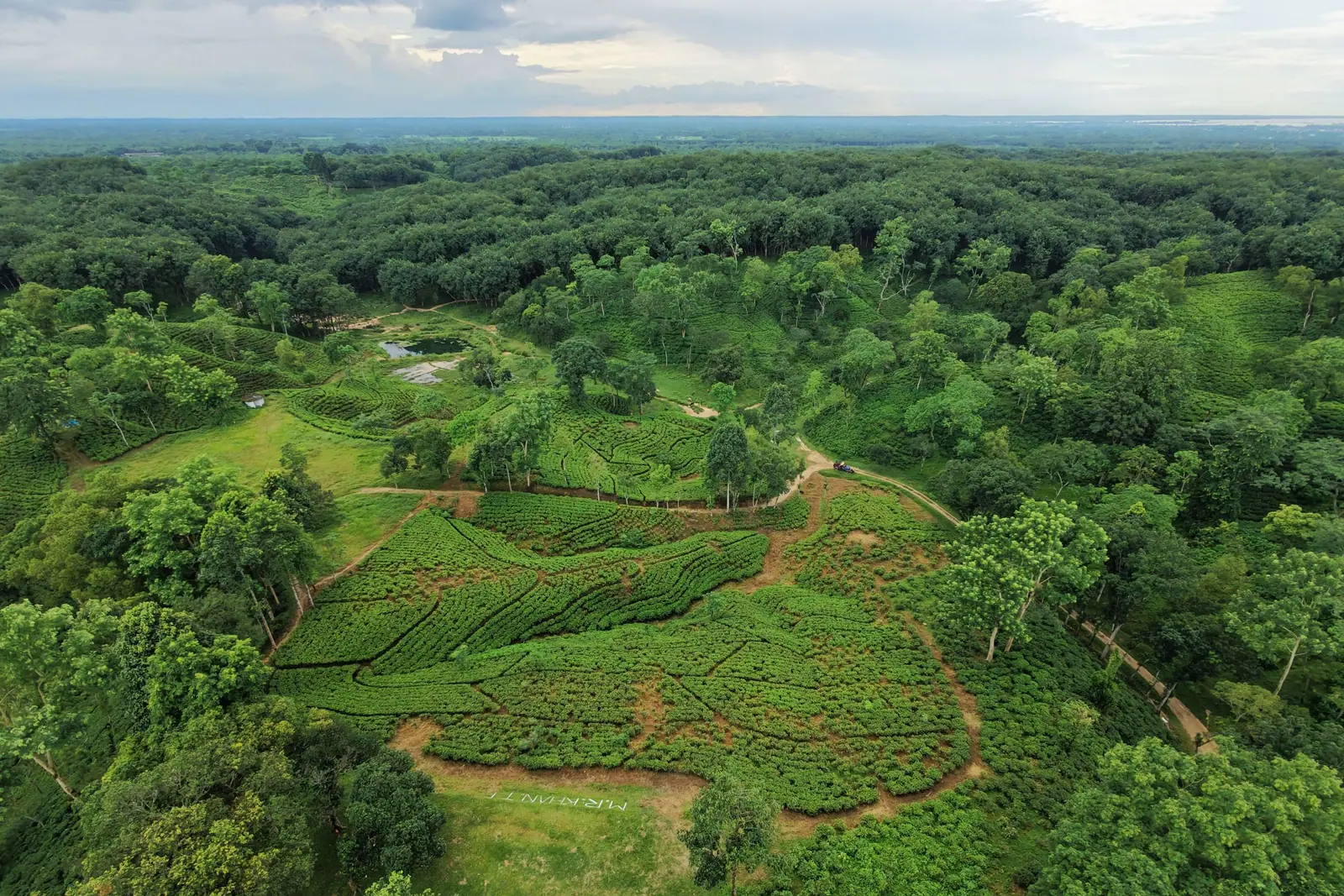
Sreemangal, in Moulvibazar district, is surrounded by tea gardens on every side. Stay here for slow mornings, walks between the bushes, cycling and the Lawachara forest, home to the endangered hoolock gibbon. Accommodation ranges from simple guesthouses to the Grand Sultan Tea Resort & Golf. Try the famous layered tea at the Nilkantha Tea Cabin, a local institution.
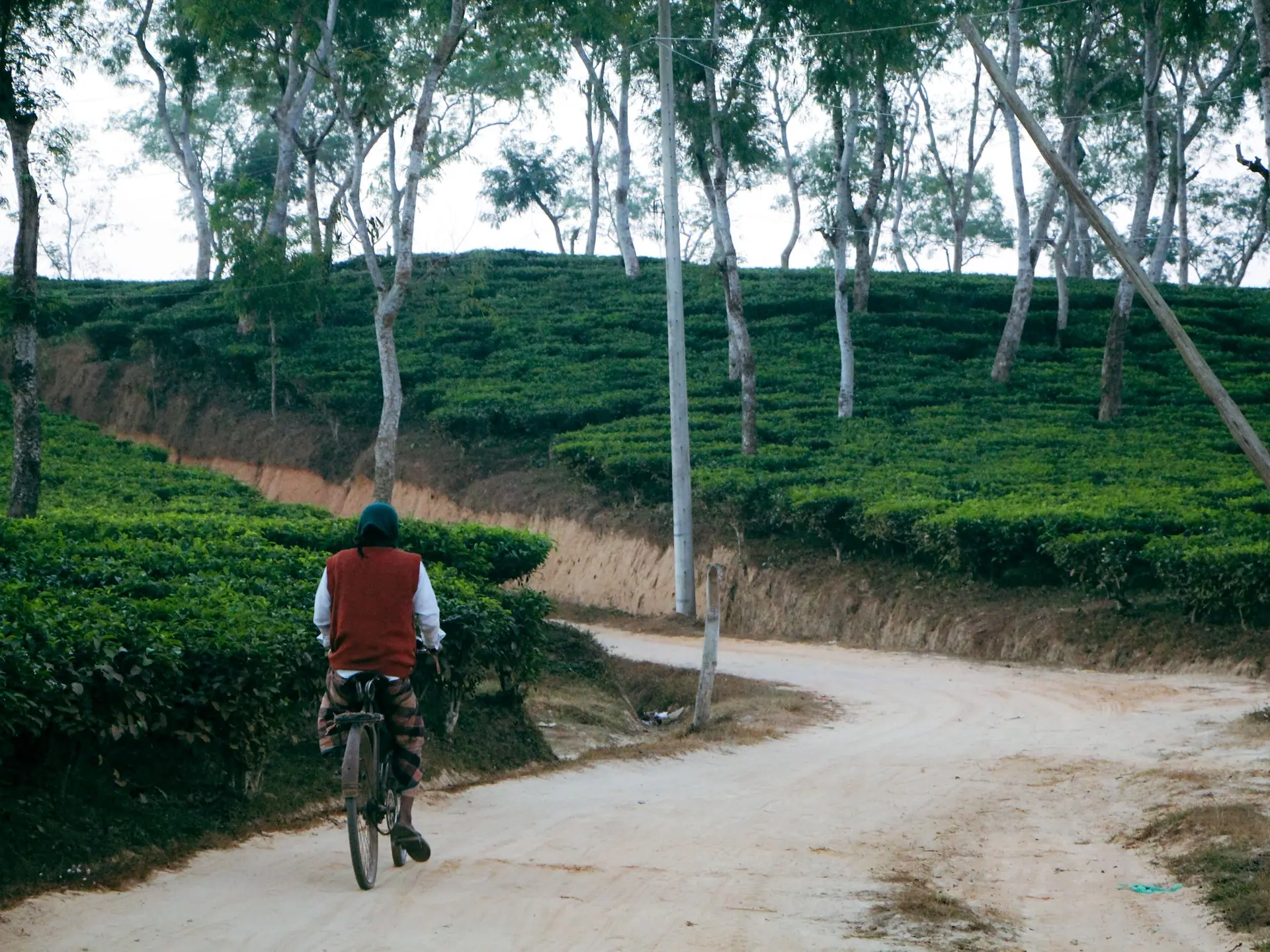
The town itself is a compact grid of shops and tea stalls around the railway station, with the estates beginning a few minutes’ drive away. Many guesthouses and eco-cottages sit along the roads towards Lawachara and Kamalganj, set among the gardens. Staying out of town is quieter and greener, but you will rely on your host or a CNG to get around; staying in town is more convenient for the station and for food.
The layered tea at Nilkantha comes in several distinct coloured bands poured into one glass — each band has its own flavour, and the recipe is a closely kept secret. Expect queues at weekends.
What to see around Sreemangal
- Lawachara National Park — semi-evergreen forest with marked trails, hoolock gibbons, langurs and birds; a railway line cuts through it. Go early in the morning and hire a local guide at the entrance.
- Tea estates — walk or cycle the estate roads, and visit the Bangladesh Tea Research Institute area on the edge of town.
- Madhabpur Lake — a calm lake among tea-covered hills near Kamalganj, about an hour away.
- Baikka Beel — a protected wetland in the Hail Haor, good for migratory birds in winter.
- Khasi villages — some communities grow betel leaf in the forest; visit only with a guide and with permission.
Our Sreemangal tea trail has a full-day walking and cycling route through the estates.

Sylhet city — rivers and shrines
Sylhet city is the base for the far north: the shrine of the Sufi saint Hazrat Shahjalal, the stone-lined river at Jaflong under the hills, the turquoise water of Lalakhal and Bisnakandi, and the Ratargul swamp forest. Hotels are mostly business-style; book a car and driver for day trips, as public transport is slow.
The city sits on the Surma river, crossed in the centre by the old Keane Bridge. The dargah of Hazrat Shahjalal, a fourteenth-century saint, draws pilgrims from across the country; visitors are welcome if dressed modestly, and women may find some areas reserved for men. The shrine of Shah Paran, on the eastern edge of the city, is another important pilgrimage site. Many British Bangladeshis trace their roots to Sylhet, and you will notice the connection in the remittance-funded houses and the number of people who speak some English.
Hotels range from comfortable mid-range business hotels in the centre and along the airport road to a few larger resort-style properties on the outskirts. Staying near the centre makes evening meals easy; staying on the north side of the city saves a little time on day trips towards Jaflong and Jaintiapur.
Day trips from Sylhet city
| Destination | What it is | Approx. drive | Best season |
|---|---|---|---|
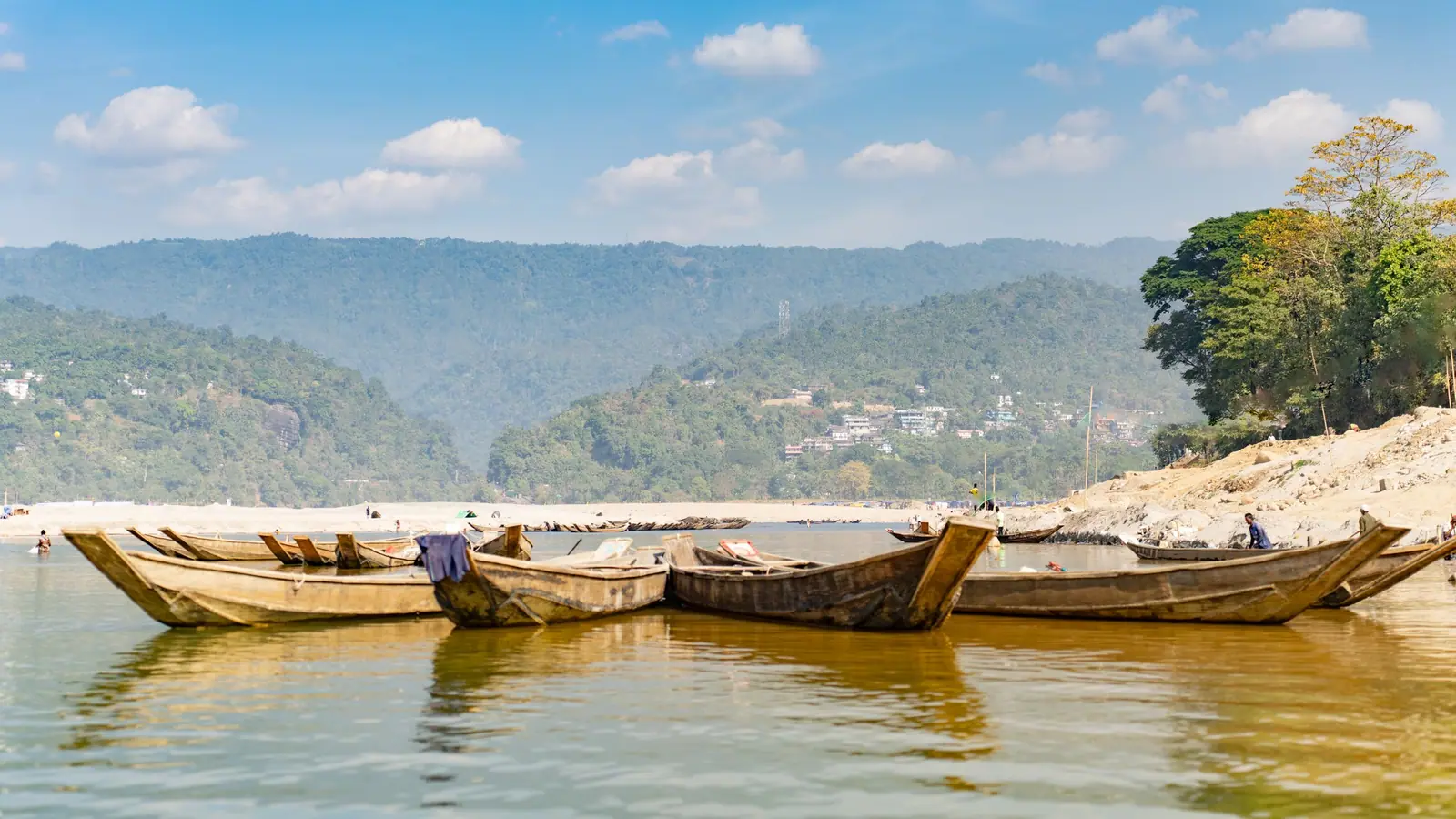
| Jaflong | Stony river under the hills on the Indian border | 1.5–2 h | October–March for clear water |
| Lalakhal | Turquoise river, boat trips past tea and hills | 1–1.5 h | October–March |
| Bisnakandi | Stones, streams and hills where rivers leave Meghalaya | 1.5–2 h plus boat | After the monsoon |
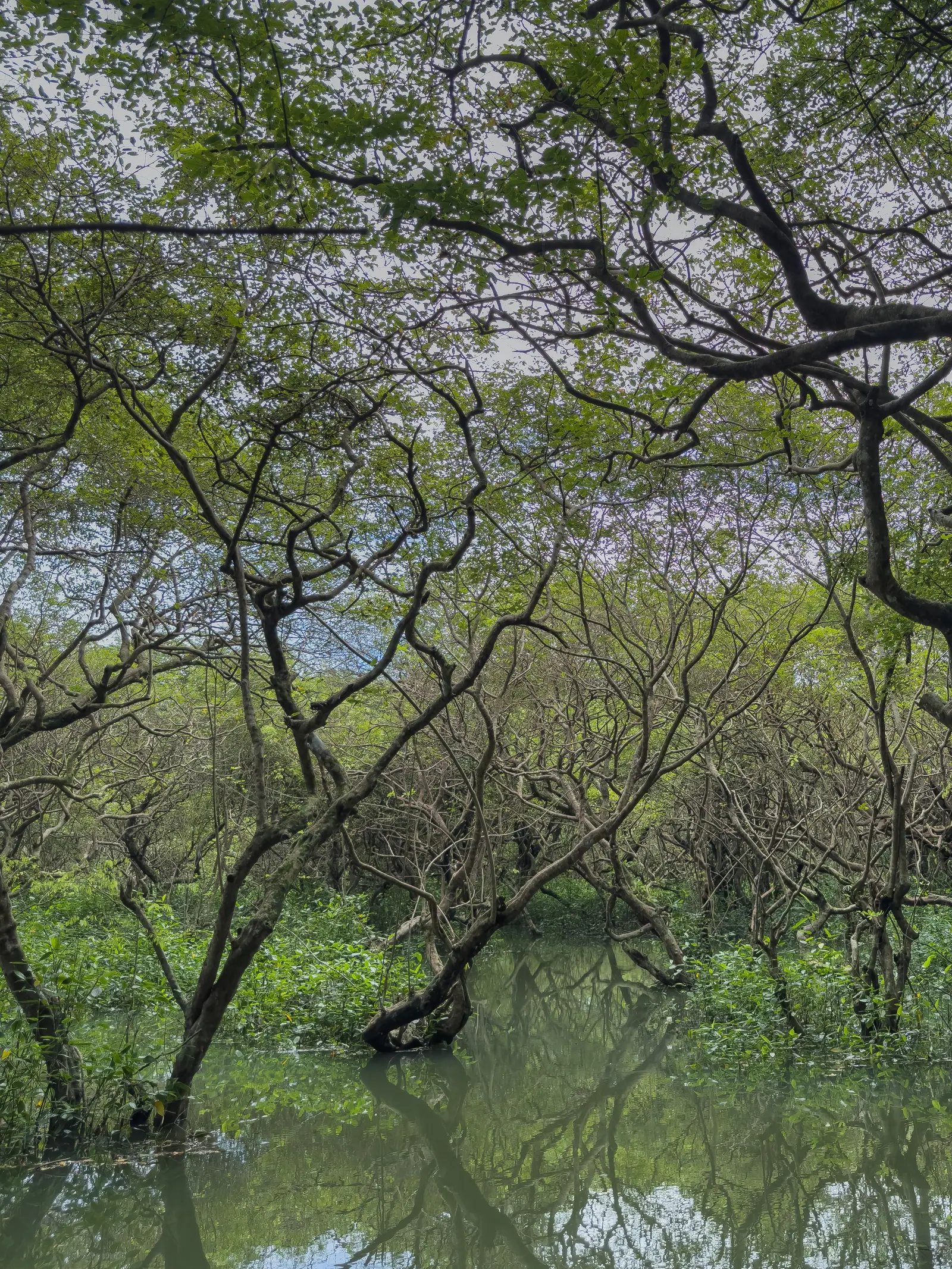
| Ratargul | Freshwater swamp forest explored by small boat | 1–1.5 h | Monsoon and just after, roughly July–October |
| Bholaganj (Sada Pathor) | White stones and clear water near the border | 1–1.5 h plus boat | After the monsoon |
Drive times are approximate and depend on road conditions, which can deteriorate in the monsoon. Expect busy weekends and holidays at all of these spots. Some sit right on the border with India — stay on the Bangladeshi side and follow local instructions.
Further afield: the haors
West of Sylhet, Sunamganj district is wetland country. Tanguar Haor, a protected wetland close to the Meghalaya hills, floods into a vast lake in the monsoon and is popular for overnight trips on traditional houseboats. It is a long day’s journey there and back from Sylhet, so most visitors who go stay at least one night on the water. Conditions, rules and boat standards vary, so book through an established operator and check the season before you commit.
Getting there and around
- Trains from Dhaka (Parabat, Joyontika, Upaban and others) stop in Sreemangal before Sylhet.
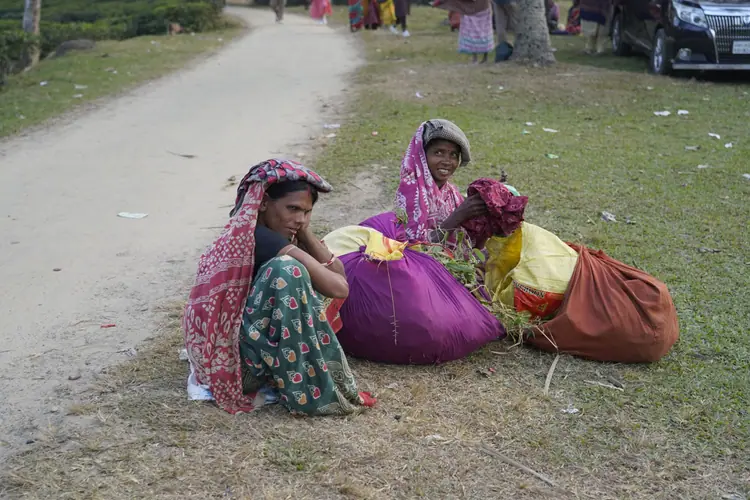
- Ask before photographing tea workers, and never walk into the estates’ residential lines uninvited.
- Bring a light jacket for winter mornings and evenings.
By train, Sreemangal is roughly five hours from Dhaka and Sylhet city several hours more, depending on the service. AC chair and cabin seats sell out quickly, especially on Thursday and Friday; book on the official Bangladesh Railway e-ticket site as soon as you can. Flights from Dhaka to Sylhet’s Osmani International Airport take about 45 minutes. Buses run to both towns but are slower.
Between Sreemangal and Sylhet city it is usually quickest to hire a car with a driver, which takes around three hours. Locally, CNG auto-rickshaws are the standard way around; agree the fare first, or ask your hotel to book a driver for the day. Bicycles are available to rent through some guesthouses in Sreemangal. For more detail, see our getting around Bangladesh guide.
When to go
October to March brings dry roads and comfortable temperatures — mornings can be cool in January. The monsoon from June to September is spectacular for the swamp forest and waterfalls but makes some roads and trails difficult. Tea plucking runs from spring to late autumn.
The Sylhet region is among the wettest parts of Bangladesh, and heavy rain upstream in Meghalaya can cause sudden flooding. If you travel in the monsoon, build in a spare day and check local conditions before river trips. Winter is the clearest season but also the driest, so Ratargul has little water and some rivers run low. Leeches are common on forest trails after rain; long socks help. Our best time to visit guide covers the whole country.
Eating, money and etiquette
Sylheti food has its own character: the citrus shatkora is cooked with beef or fish, and freshwater fish from the haor wetlands appears on most menus. In Sreemangal, tea is the star, served by the glass at countless roadside stalls. Our Bangladeshi food guide has more to try.
ATMs are easy to find in Sylhet city and available in Sreemangal town, but carry enough cash for guesthouses, drivers, boats and park entry fees; card payments are mainly accepted at larger hotels. Dress modestly, especially at the shrines, and remember the tea estates are working farms and homes: stick to roads and paths, and ask before taking photographs of people.
| Stay type | Where | What to expect |
|---|---|---|
| Resort | Outskirts of Sreemangal, Moulvibazar | Gardens, pools, meals on site; a car or CNG needed |
| Mid-range hotel or eco-cottage | Sreemangal, Sylhet city | Air conditioning or fan, garden or town setting |
| Simple guesthouse | Sreemangal town, Sylhet city | Basic rooms, helpful hosts, cash |
Rates change with season and holidays, so check the current price for your dates when you book.
Crafts of the Sylhet region
Shital pati is a smooth floor mat associated with the Sylhet region and valued for feeling cool in hot weather. Weavers make it by hand from thin strips cut from the stems of the murta plant, and the finer pieces can carry woven patterns or pictures. UNESCO added this weaving tradition to its list of intangible cultural heritage in 2017. When choosing a mat, check that the weave is tight and even, run a hand over the surface for rough edges, and ask where it was made.
Manipuri communities in Kamalganj, within reach of Sreemangal, have a long handloom tradition, and their shawls, saris and other textiles often feature neat, contrasting borders. A local guide or your host can suggest a village where weavers welcome visitors. Ask before entering a home or workshop, and allow time to watch the work without pressing anyone to demonstrate it. Buying directly from the maker, where possible, keeps more of the money in the household. Carry small notes in taka and agree the price politely before taking an item.
A three-day plan
- Day 1 · Dhaka to Sreemangal
Morning train from Dhaka, arriving early afternoon. Check in, walk into the nearest tea estate for the late light, then go for layered tea at Nilkantha.
- Day 2 · Lawachara and the estates
Early guided walk in Lawachara to listen for gibbons, then cycle or drive through the estates. In the afternoon, visit Madhabpur Lake or, in winter, the birds of Baikka Beel.
- Day 3 · North to Sylhet
Drive to Sylhet city in about three hours. Visit the Shahjalal shrine, then continue to Lalakhal for an afternoon boat trip. Stay overnight, or fly back to Dhaka from Osmani airport, adding a day for Jaflong or Ratargul if you can.
Sylhet and Sreemangal fit well into a longer trip — see our 10-day itinerary, which pairs them with Dhaka and the Sundarbans.
Hotels to consider
Questions and answers
Should I stay in Sreemangal or Sylhet city?
Both, if you can. Sreemangal is the better base for tea gardens, Lawachara forest and quiet nature stays. Sylhet city is better for the rivers of Jaflong, Lalakhal and Bisnakandi, the Ratargul swamp forest and the Sufi shrines. With only two nights, choose Sreemangal for a relaxing break or Sylhet city for river scenery.
How do I get from Dhaka to Sreemangal?
The train is the classic way: several daily services, including the Parabat and Joyontika, stop at Sreemangal in roughly five hours. Book an AC seat as early as possible on the official railway e-ticket site. There is no airport in Sreemangal; the nearest is Sylhet, around three hours away by road.
Can I see hoolock gibbons in Lawachara?
It is possible but never guaranteed. Gibbons are most active and vocal early in the morning, so arrive soon after the park opens and hire a local guide at the entrance, who will know where groups have been seen recently. Walk quietly, keep to the trails and do not feed or approach the animals.
When is the best time to visit Ratargul swamp forest?
During and just after the monsoon, roughly July to October, when the trees stand in deep water and you explore by small boat. In the dry winter months the water drops and the forest is far less striking. In the monsoon, check road and flood conditions with your hotel before setting off.
Can I visit the tea estates on my own?
You can walk and cycle along the public roads and many estate tracks, and nobody will mind if you are respectful. Do not enter factories or the workers’ residential lines without permission, ask before photographing people, and avoid trampling the bushes. A local guide can arrange more access and explain how the estates work.
Is it cold in Sylhet in winter?
Not by European standards, but December and January mornings and evenings can feel cool, especially in the tea country and on early starts. A light jacket or fleece is enough. Days are usually warm and sunny. From March the heat builds, and from June the monsoon brings heavy rain.
Is there an airport in Sylhet?
Yes. Osmani International Airport lies a short drive north-east of Sylhet city and has domestic flights to Dhaka as well as some international services used mainly by the Sylheti community abroad. There is no airport in Sreemangal, which is reached by train or by a drive of around three hours from Sylhet. Check current schedules before planning a connection.
What is the food speciality of Sylhet?
Look for dishes cooked with shatkora, a thick-skinned local citrus that gives beef and fish curries a sharp, slightly bitter edge. Freshwater fish from the haor wetlands is common, and so is strong milky tea from the surrounding estates. In Sreemangal the layered tea is the novelty, served in a single glass with bands of different colours.