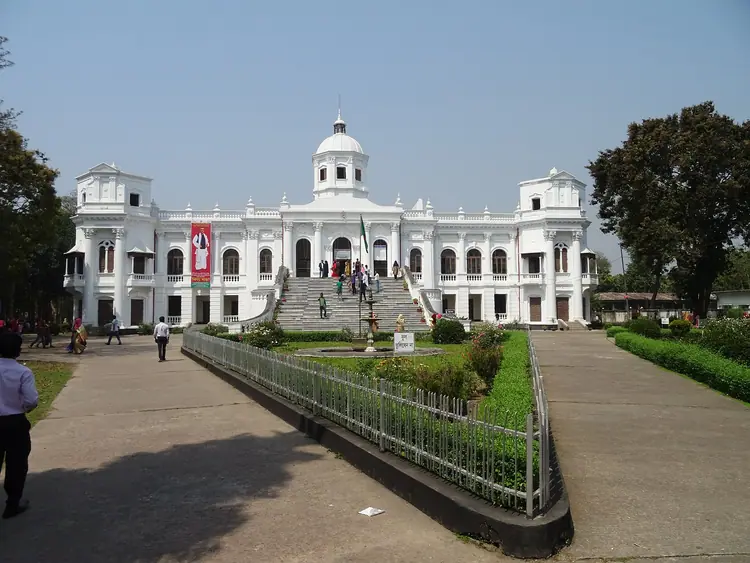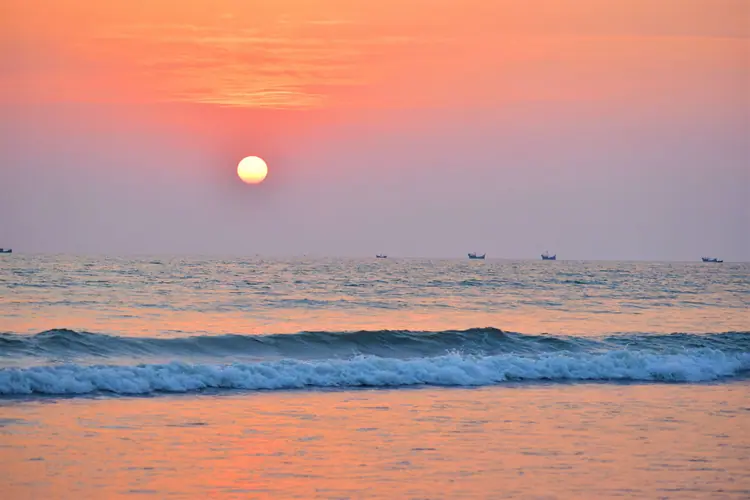
On this page
The upper edge of Bangladesh does not look like the rest of the country. Hills rise on the horizon across the border, the fields are broader than in the delta, and tea bushes grow on flat land that elsewhere would be rice paddy. Tetulia, in Panchagarh district, is the northernmost upazila, about 368 km from central Dhaka in a straight line, and the journey is long enough that it deserves a plan of its own.
The short version
- Tetulia is a long way from Dhaka, so plan it as a separate northern leg, with one or two nights in Panchagarh town or on the way.
- Panchagarh is the usual base; Dinajpur or Saidpur make a sensible stepping stone, and the final drive to Tetulia is best done in a day.
- The tea is grown on flat land, and the mountain view depends on clear air, so treat it as a bonus rather than a promise.
- Border areas have checkpoints and photography limits; carry your passport and follow official instructions.
This guide is about where to base yourself, not a tour of every sight. It explains how Panchagarh town and Tetulia relate, what the area offers, how to arrive, and when the weather helps. Because tourism here is small and conditions change, it also tells you what to check locally before you go, rather than promising what is open.
Why go this far
The reasons are quiet ones. The scenery is open and gentle, with wide skies and a long horizon, and the pace of life is slow. Tea estates on level ground give a different picture of tea from the steep hills near Sylhet. The border with India lies close by, and a ridge of the Himalayan foothills can appear on the skyline on a clear day. For a traveller who has already seen the main sights, it is a pleasant way to spend a few days away from crowds.
The costs are time and effort. Getting here takes the best part of a day from the nearest large town, and facilities are modest. Anyone looking for resorts or organised tours will be disappointed; anyone happy with a simple room, a driver and a flexible plan will find it rewarding. Try to see it as the far end of a northern loop rather than a destination reached in a rush.
It helps to carry a few practical things. Bring enough cash for the whole stay, a charged phone with offline directions, a power bank, bottled water, a hat and a light waterproof for sudden showers. Keep your passport with you, because police and army checkpoints on the main roads sometimes ask to see it. A phrase or two of Bangla goes a long way in small markets where English is rare, and people are usually glad to help a visitor who is patient.
Panchagarh town or Tetulia?
Panchagarh is the district headquarters and the practical base. It has the roads, shops, banks and eating places that travellers need, and Tetulia lies further north, reached by road from the town. Tetulia itself is a small market town with the border and the tea estates close by, and accommodation there is limited, so confirm availability before you commit.
| Place | Role | Suits |
|---|---|---|
| Panchagarh town | District headquarters, shops, banks, transport | The usual base for two nights |
| Tetulia | Border market town, tea estates, viewpoints | A long day trip, or a night if you can confirm a room |
| Dinajpur or Saidpur | Stepping stones on the way north, with an airport at Saidpur | Breaking the journey from Dhaka |
If a hotel is not an option in Tetulia, most visitors base themselves in Panchagarh town and drive north for the day. Others spend a night in Dinajpur or Saidpur on the way up and another on the way back, which keeps each driving day manageable. Ask the district administration or a local contact what lodging is open, and keep a backup plan for the night.
A day trip from Panchagarh town to Tetulia is a good fit for the pace of the area. Leave early, take breakfast on the road, stop at a tea estate and a viewpoint, walk through the market, and be back by dusk. The drive is on a main road that is generally manageable in the dry season, though trucks and slow vehicles can make it long. In the monsoon, ask your hotel about road conditions before setting out.
Where travellers usually base themselves
In practice, the pattern is simple. Fly or take the train as far as Saidpur or Dinajpur, spend the first night there, and continue by road to Panchagarh the next day. In Panchagarh town, look for a room near the main road, the bus stand and the market, and check what is open before you arrive. Ask about a generator for power cuts and about hot water in winter.
If you are driving yourself or with a hired driver, you can sleep later and start earlier. If you rely on public transport, stay in the town centre, because buses and shared vehicles to Tetulia leave from there and thin out in the afternoon. Bring cash, since cash machines are scarcer than in the larger cities.
Tea on flat land
Tetulia is known for tea grown on level plains rather than on hill slopes, a more recent venture than the old estates of the north-east. The bushes are planted in long, neat rows across wide fields, and on a still morning the sight is calm and green. Estates are working farms, so visit with permission, do not enter factories uninvited, and ask before photographing workers.
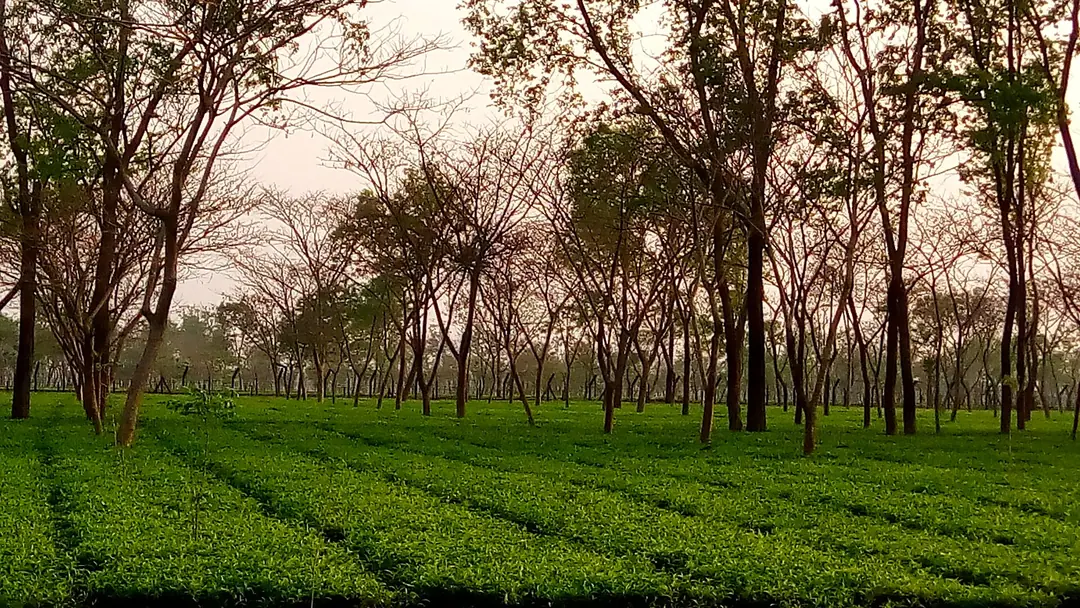
Early morning is the best time to walk the edge of an estate, when mist sits low and pickers start work. In the middle of the day the sun is strong and shade is scarce, so take a hat and water. A local driver can usually explain where visitors are welcome and where they are not, and can arrange a tea stop if you ask politely.
The mountain view
On some clear October and November mornings, the snow peaks of Kanchenjunga can be seen from Tetulia, far to the north across the border. The view depends on clear air: haze, cloud and winter fog hide it, and many visits see nothing at all. Treat it as a bonus, ask local people which mornings have been good, and do not shape the whole trip around it.
A viewpoint on the edge of a field or a river bank is usually enough, and local drivers will know where to stand. Go early, dress warmly in November, and allow a second morning if the first is hazy. If the mountains stay hidden, the tea and the open countryside are still worth the walk, and the sunrise itself is a good reward for an early alarm.
Banglabandha and Bhitargarh
At the northern tip of the district lies Banglabandha, a land port and the point often described as the northernmost place in Bangladesh. Visitors often come for the view across the border, and trucks waiting along the road show how busy the crossing is. The area is a border zone, so expect checkpoints, carry your passport, follow officers’ instructions and do not photograph military or border installations.
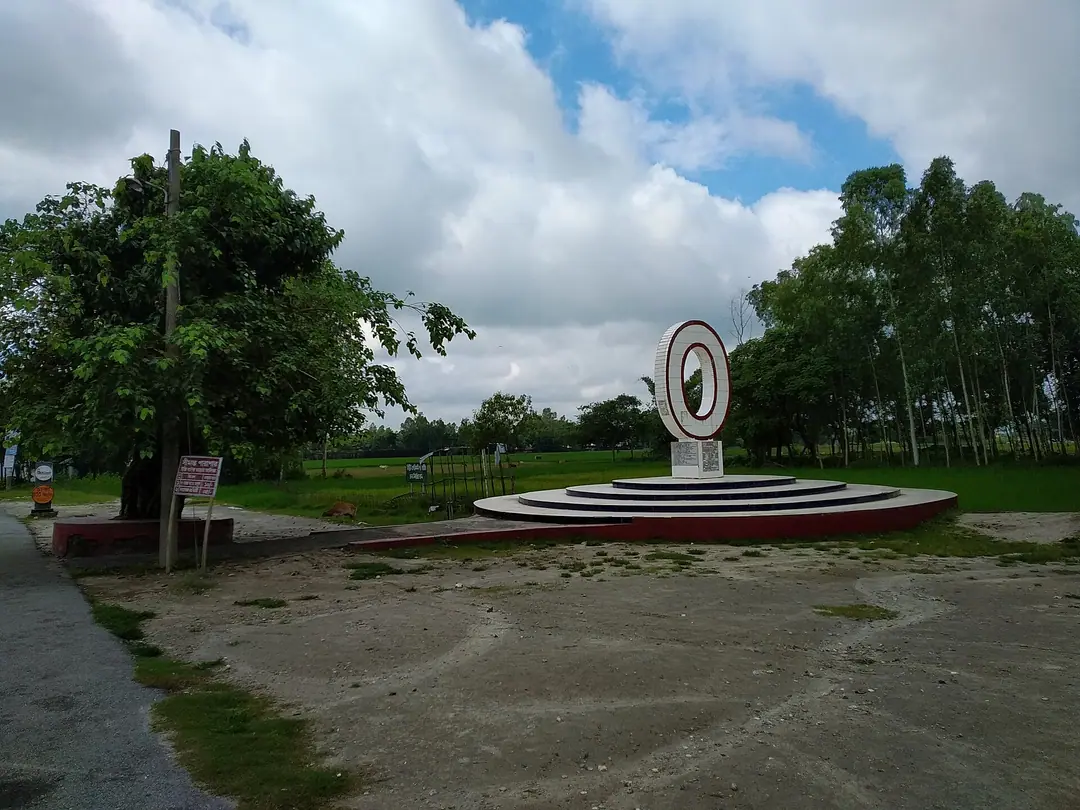
In Panchagarh itself, Bhitargarh is an archaeological site with the remains of an old earthen fortification, set among fields and trees. It is quiet and rarely visited, and its interest is more in the landscape than in standing buildings. A driver who knows the route will help, since signs are few, and the paths can be muddy after rain.
Getting there and around
The quickest way north is a flight from Dhaka to Saidpur, followed by a road journey, since there is no airport in Panchagarh. Intercity trains and buses also run to the north-west, and the road from Dhaka to Rangpur alone takes seven to nine hours, with Panchagarh further beyond. The getting around Bangladesh guide explains how to choose, and the visa checker covers entry rules.
Locally, CNG auto-rickshaws and easy-bikes cover town distances, and a hired car with a driver is the practical way to reach Tetulia and the estates. Agree the fare and the return before you leave, and phone ahead to the hotel if you plan a late return. After dark, roads are quiet and dark, so avoid driving long stretches at night, especially in fog. If you have a free afternoon, a rickshaw ride through Panchagarh’s market streets shows a working northern town that sees few visitors, where shops close early and the evening is for tea.
Seasons, clothing and food
The far north is the coldest part of the country. December and January nights can fall close to 10 degrees, and fog lies on the fields until mid-morning, slowing roads, trains and flights. Pack a warm layer, a scarf and closed shoes, using the what to wear in Bangladesh page as a base. October and November are clearer and milder, and are the better months for the mountain view.
Summer is hot, followed by the monsoon from June to September, which brings heavy rain and flooded lowlands, so the north is best between October and February. Food is plain and filling: rice with dal, vegetables and fish or meat, served at simple restaurants near the bus stand. Drink bottled or filtered water. The Bangladeshi food guide lists what to try elsewhere.
Rocks, river and an old mosque
Panchagarh town has a small rocks museum on the campus of the government women's college. It displays stones and other geological material, much of it gathered in the northern districts, and helps to explain why stone matters in an area so unlike the delta. Because it sits within a working college, opening can follow the academic calendar and public holidays. Check with the college office or ask at your accommodation before going, dress modestly, and ask permission before taking photographs inside the building or around students on the campus.
At Tetulia, the Mahananda river runs along the border, and people may be seen collecting stones from its bed. Watch from the Bangladesh bank, stay out of the water, and ask before photographing anyone at work. In Atwari upazila, the Mirzapur Shahi Mosque is an old brick mosque known for its terracotta decoration. It remains a place of worship, so cover shoulders and knees, remove your shoes, and avoid prayer times, especially around Friday midday. A local driver can advise on the road.
A three-day plan
- Day 1 · Dhaka to Saidpur and Dinajpur
Fly to Saidpur and drive on to Panchagarh, or stop in Dinajpur if the flight is late. Keep the evening free, because the journey is tiring.
- Day 2 · Tetulia
Leave before dawn for the tea estates and the viewpoint. Spend the middle of the day at Banglabandha and a simple lunch, then return to Panchagarh.
- Day 3 · Bhitargarh and return
Visit the old fort site in the morning, then drive back towards Saidpur or Dinajpur for the flight or the train.
Read the official UK travel advice and the is Bangladesh safe page before planning any border area trip.
Questions and answers
Where should I stay for Tetulia?
Most travellers base themselves in Panchagarh town and drive north to Tetulia for the day, because rooms and services are better there. Some break the journey in Dinajpur or Saidpur. If you want to sleep in Tetulia itself, confirm availability beforehand and keep a fallback in Panchagarh.
How far is Tetulia from Dhaka?
About 368 km in a straight line from central Dhaka, and much further by road. The drive takes a long day, so most visitors fly to Saidpur and continue by road, or take the train to the north-west and finish by car. Plan at least one night on the way.
Can I see Kanchenjunga from Tetulia?
On some clear mornings in October and November, yes, but it is never guaranteed. Haze, cloud and winter fog often hide the peaks. Go at dawn, ask local people where the view has been good recently, and treat it as a bonus on top of the tea fields and open countryside.
What is special about the tea in Tetulia?
Tea in Tetulia is grown on flat land rather than hill slopes, and the estates are younger than the old gardens of the north-east. The bushes run in long, even rows across wide fields. Estates are working farms, so visit with permission and ask before photographing workers.
Is there an airport in Panchagarh?
No. The nearest airport with flights from Dhaka is Saidpur, which is a long drive away. There are also intercity trains to the north-west and buses that continue to Panchagarh, but the road from Dhaka to the far north is long. Check current flight and train schedules before planning.
How cold does Panchagarh get in winter?
Quite cold by Bangladeshi standards. December and January nights can drop close to 10 degrees, and thick fog lies on the fields until mid-morning. Pack a warm layer, a scarf and closed shoes. Fog can delay flights and slow roads, so leave a spare day around any connection.
Can foreign visitors go to Banglabandha from Tetulia?
Banglabandha is a land port and border zone, and conditions can change. Carry your passport, expect checkpoints and follow officers’ instructions. Do not photograph military or border installations. Check the official travel advice and ask your hotel or the local administration about current access before driving there.
How many days should I give Panchagarh and Tetulia?
Two nights in Panchagarh, with one long day to Tetulia, is the minimum that feels unhurried. If you also break the journey in Dinajpur or Saidpur, count three or four days in total. With less time, the north is better left for another trip.