On this page
Sonargaon is the place to go when Dhaka’s history starts to feel too crowded to take in. The city was once the capital of a large part of Bengal, and what remains is spread across fields, ponds and a long street where merchants’ houses stand empty in the heat. It makes a slow, spacious day, and it is one of the few outings from the capital that does not require a flight or an overnight stay.
The short version
- Sonargaon was a medieval capital, and today its main remains are Panam Nagar, a street of about 50 ruined merchants’ houses, and the Folk Art and Crafts Museum.
- It is about 23 km from central Dhaka in a straight line, but the road is slow, so leave early and plan for traffic on the way back.
- Add Goaldi Mosque, a Mughal-era bridge and a jamdani weaving village to turn a short visit into a full day.
- Sites usually close one day a week, so check before you go.
This page is the day trip. For monuments inside the capital itself, see the pages on Lalbagh Fort and Ahsan Manzil and the Old Dhaka heritage walk. Here the focus is on getting to Sonargaon, what to see in what order, and how to be back before the traffic closes in.
What Sonargaon was
Sonargaon, a name often translated as the town of gold, was a seat of power in the medieval delta, a river port close to the Meghna and a centre of fine cloth. Sultans ruled from here, local lords held out against later empires, and traders came for muslin, which was among the finest cottons in the world. When the Mughals later made Dhaka the provincial capital, Sonargaon slowly lost its place.
What you see today is not a single walled city but a scatter of places inside a modern district. There is a mosque from the early sixteenth century, old bridges over creeks, a mansion that now holds a museum, and a street of houses built much later by merchants. Imagine the whole area as a river landscape with a long trading memory, and the day will make more sense.
Do not try to memorise dates. Hold on to one idea: this is a place of cloth, water and trade, and almost everything you see links back to one of the three.
Panam Nagar, the merchants’ street
Panam Nagar is the highlight. It is a single long street lined with about 50 ruined houses of the late nineteenth and early twentieth centuries, most built by merchants who traded cloth and other goods. The houses stand close together, with arched doors, tall windows, balconies and decorated cornices. Many are roofless, their walls covered in moss, and trees grow from the brickwork.
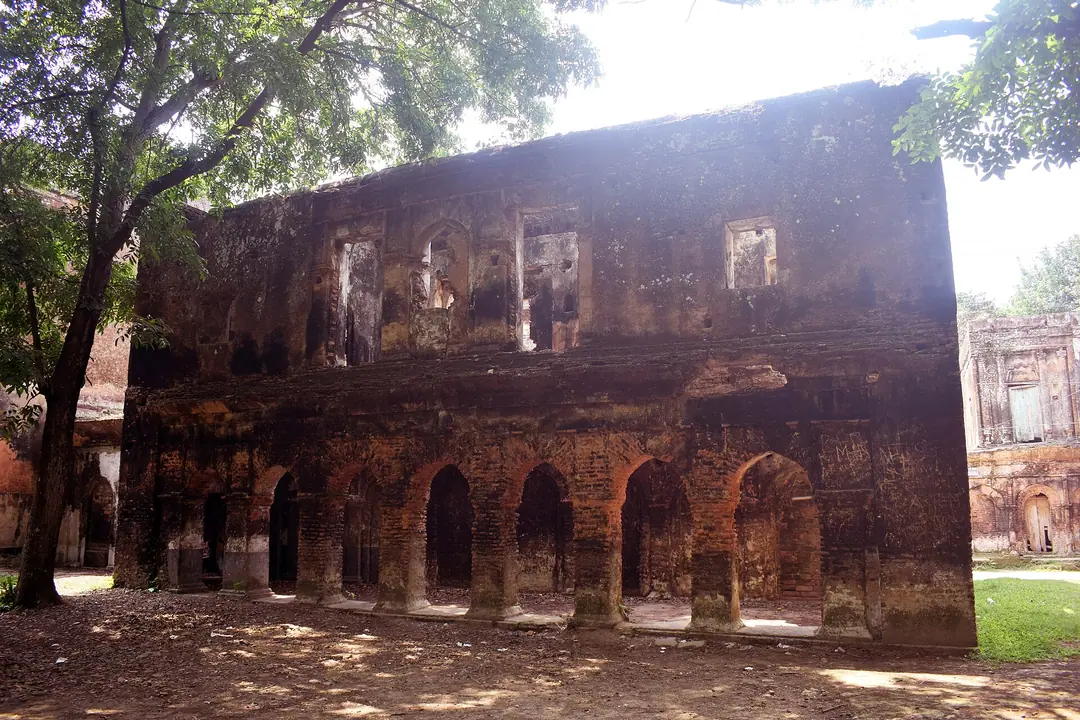
Walk slowly along the street and read the details. Look for cast-iron brackets, floral plaster, mouldings above doors, and traces of colour on the walls. A small creek runs along the edge, and the sound in the early morning is of birds and the odd cart. After the middle of the twentieth century many of the families left, and the street fell quiet.
The site is protected, and rules apply. Entry is usually by ticket, and opening days vary, so check before you go. Do not climb on walls, enter unsafe buildings or take away bricks and tiles. Stay on the street, watch your step on uneven ground, and be careful with children near broken steps and open drains.
The Folk Art and Crafts Museum
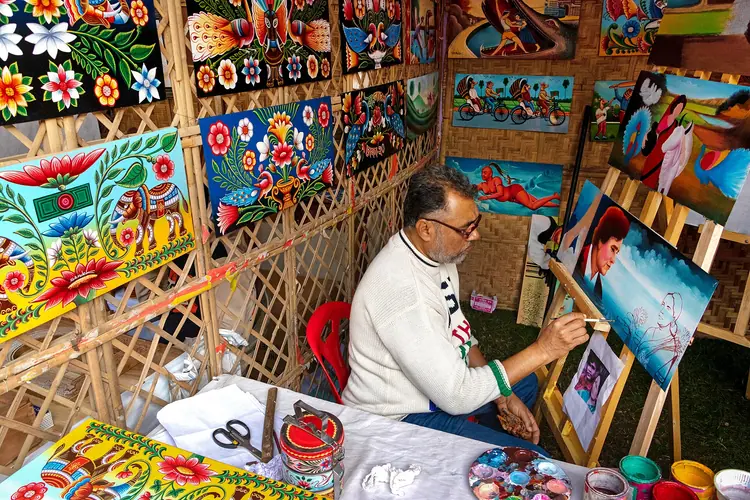
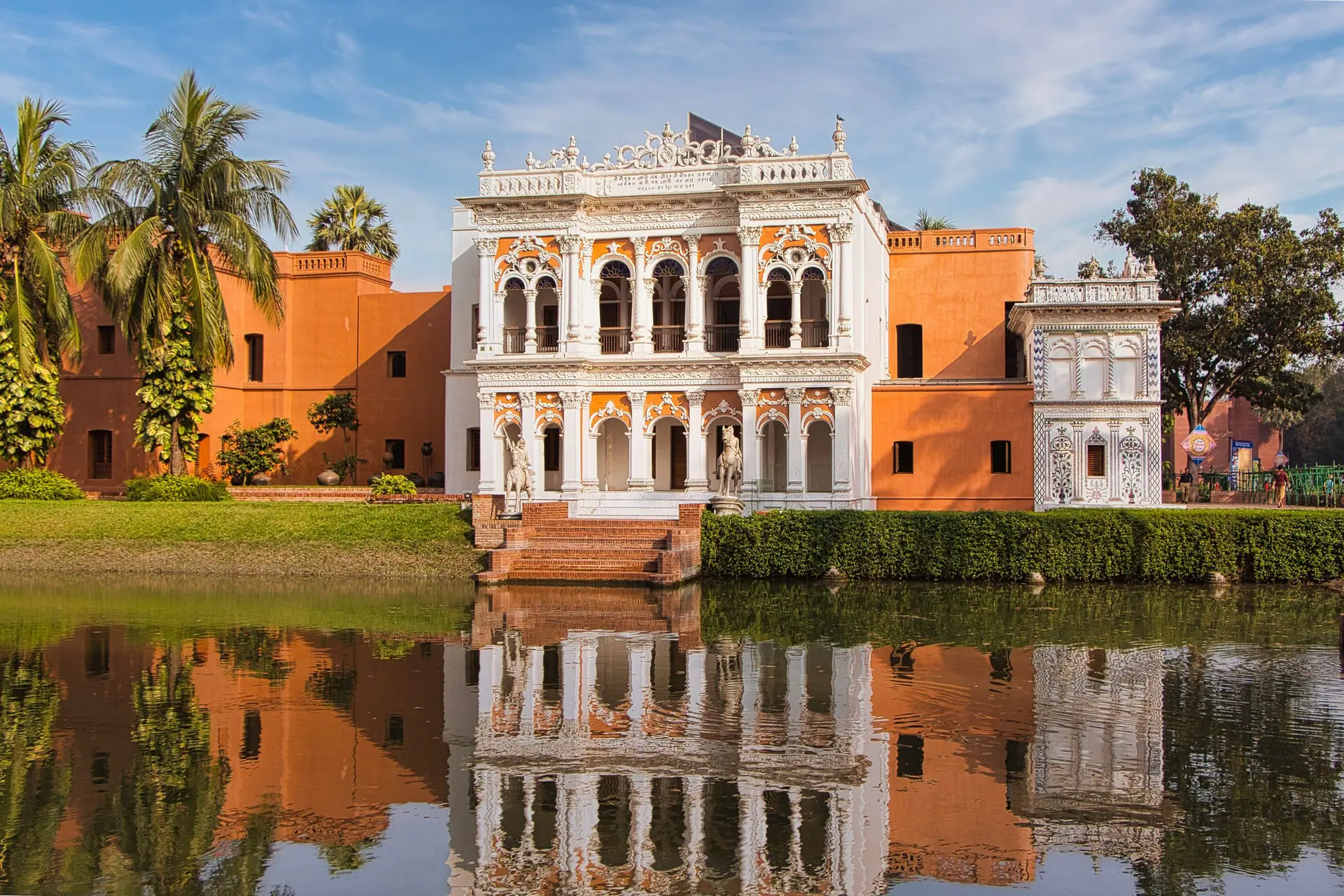
A short ride from Panam Nagar stands the Folk Art and Crafts Museum, housed in the Bara Sardar Bari, a large mansion with ornamented gates, a courtyard and a pond. The museum was founded in 1975 by the painter Zainul Abedin, who wanted to preserve rural crafts that were fading, and it keeps pottery, textiles, wood carving, musical instruments, boat models and rickshaw art.
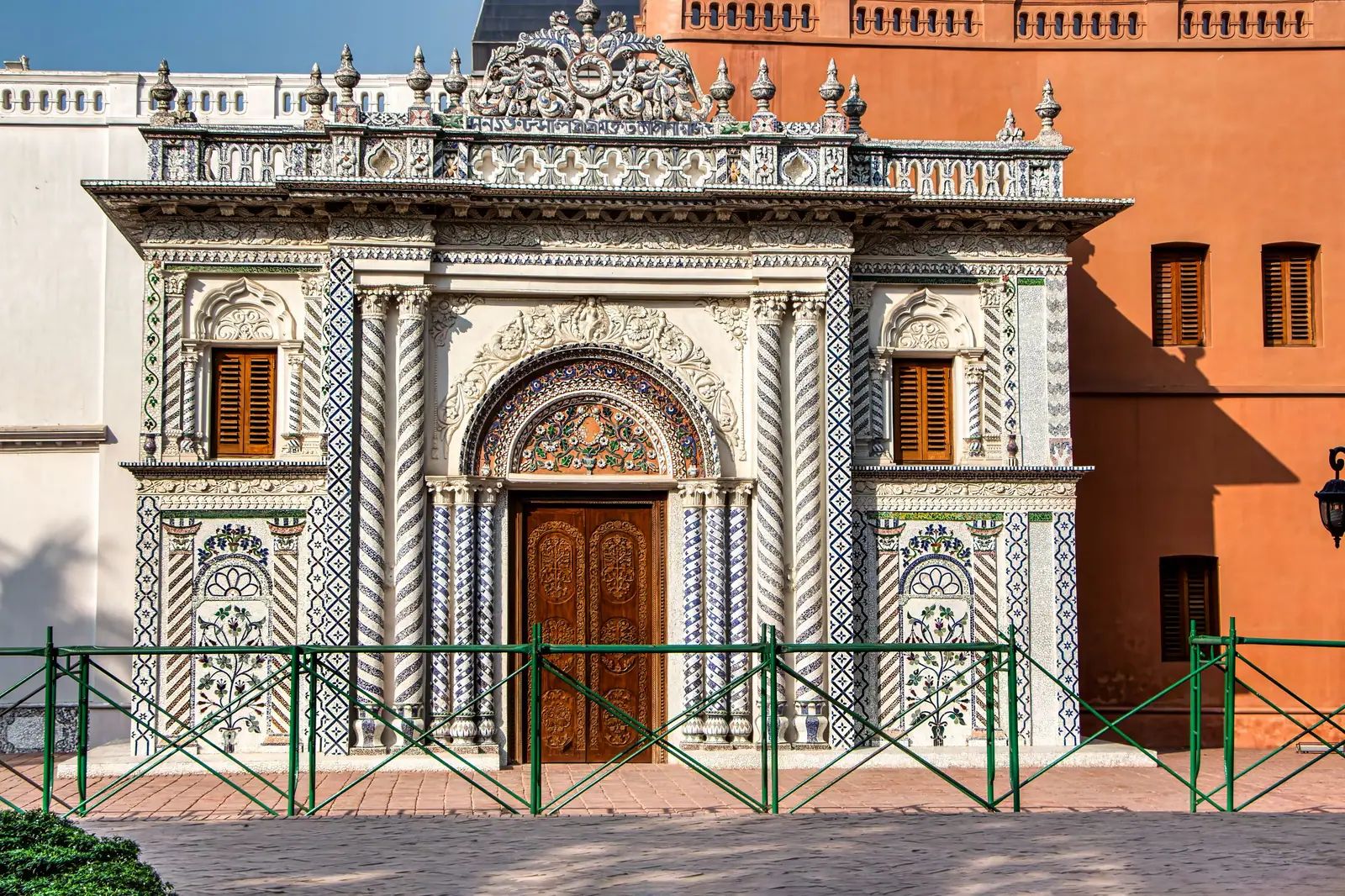
Allow at least an hour. The galleries are small, and the objects reward close looking: the shape of a clay pot, the pattern on a kantha quilt or a painted rickshaw panel. The mansion is also worth a visit in itself, with a pretty mosaic doorway and a tank where the building reflects in the water. If you enjoyed the museum, Bangladesh crafts to look for says what to buy and what to avoid.
The museum is usually closed one day a week and may close for holidays, so confirm by phone or through your hotel. Photography rules inside can differ from gallery to gallery. Ask the staff, and use no flash near textiles or paintings.
Goaldi Mosque and the old bridges
Goaldi Mosque, dated to 1519, is one of the older mosques in the region. It is a small brick building with domes and a simple prayer hall, and it stands among trees in a quiet compound. The mosque is still used, so dress modestly, remove shoes, and avoid visiting during prayer times unless you are invited. If you want a photograph, take it from outside and ask before going in.
The area also has several Mughal-era bridges, brick arches that cross creeks and canals and are easy to miss from a car. One of them, the Panam Bridge, sits close to the merchants’ street and links the two sides of the creek. Walking across it gives a view of the water and the houses that is hard to get elsewhere.
These stops are short, and together they take under an hour. They show a different layer of Sonargaon: not houses of the late nineteenth century but older religious and engineering work. Together with the museum and the street, they give a three-part picture of the place, from sultans to merchants to folk art.
Jamdani and weaving villages
Sonargaon’s cloth tradition did not end with the muslin trade. Weaving villages in Rupganj and Sonargaon, on the banks of the Shitalakshya river near Dhaka, still make jamdani, the figured cotton or silk where patterns are woven into the cloth by hand. Jamdani weaving was added to UNESCO’s list of intangible cultural heritage in 2013.
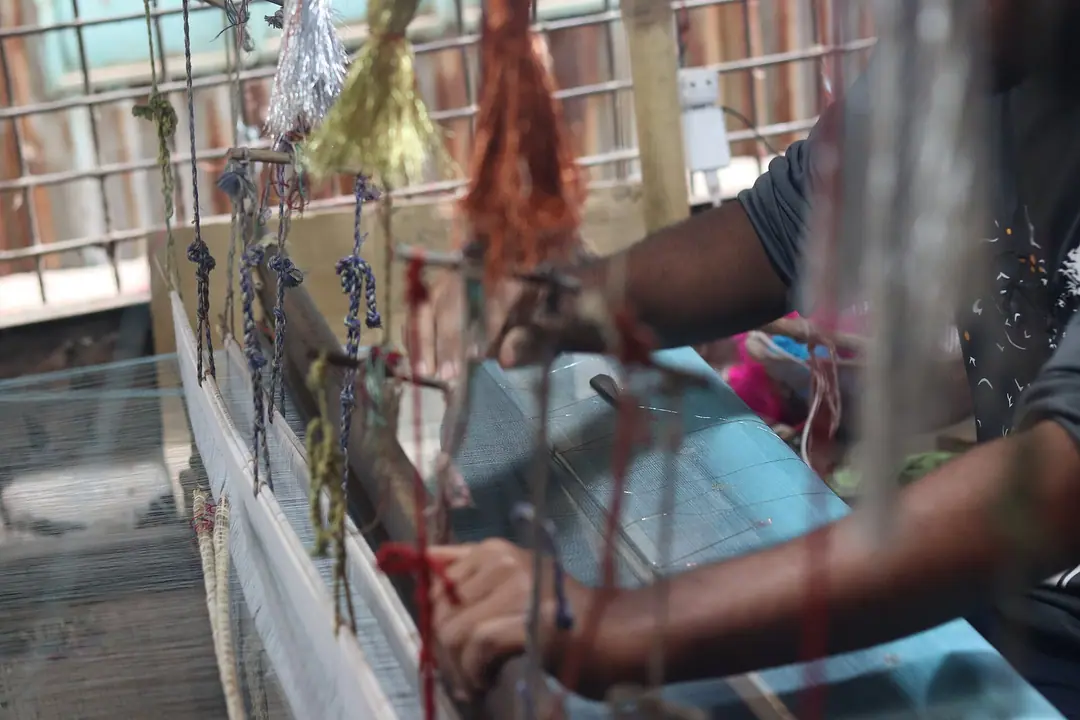
A visit to a weaving village is best arranged through a guide or your hotel, because looms are found in homes and workshops and not all welcome visitors. Watch how the weaver adds motifs thread by thread; a single saree can take weeks. Ask before photographing, and consider buying directly from the maker if something catches your eye.
Do not expect factories or tours. This is a household craft, quiet and slow, and the pleasure lies in watching the shuttle move and in the conversation with the weaver. Wear closed shoes, since floors can be damp, and keep noise and flash to a minimum.
Getting there and back
Sonargaon is about 23 km from central Dhaka in a straight line, but the road is slower than the number suggests. The route runs through crowded outskirts, and traffic on the main highway to the east can be heavy at any hour. Count on well over an hour each way on a good day, and longer on weekends, holidays and in the rain.
The simplest way to go is a hired car with a driver for the day, arranged through your hotel. Ride-hailing cars can take you one way, but it is harder to find a return trip. Buses run along the highway towards Chattogram and Sylhet, and you can ask the conductor for the stop for Sonargaon; from there rickshaws and CNGs cover the short hops between sites. Read the guide to getting around for how to agree fares.
Start before eight in the morning and plan to leave Sonargaon by mid-afternoon. The roads fill up in the evening, and the last stretch into the city can take as long as the first. If you come on a Friday or Saturday, the weekend in Bangladesh, expect more families at the sites and different traffic patterns on the road.
| Option | How it works | Good for |
|---|---|---|
| Hired car with driver | Door to door, set the stops | Small groups, a full day |
| Bus plus rickshaw | Highway bus, then local rides | Flexible, slower, more effort |
| Ride-hailing one way | Quick start, harder return | Short stays, backup plan |
Meghna riverside and a slower finish
If time allows, ask your driver to take you to the Meghna riverside before heading back. The river is wide and brown here, with passenger boats, cargo barges and fishing craft, and it is where the old town’s trade came and went. The light in the late afternoon is warm, and a short rest by the water is welcome after hours on foot.
Riverbanks can be slippery and the current is strong. Keep children close, stay on dry ground, and do not board boats unless you have arranged a trip.
Tea and light snacks are available at stalls near the main sites, and the food is simple. Drink bottled water, wash your hands, and be careful with ice. A longer meal is best taken after you return to the city, where there is a wider choice and a better chance of a clean kitchen.
Visiting with children
Sonargaon suits children who like to explore. The long street, the open spaces and the pond at the museum are good for movement, and a hat and water bottle make the heat easier. The main risk is uneven ground: broken steps, loose bricks and open drains. Hold hands near buildings and do not allow children to climb on walls or inside ruins.
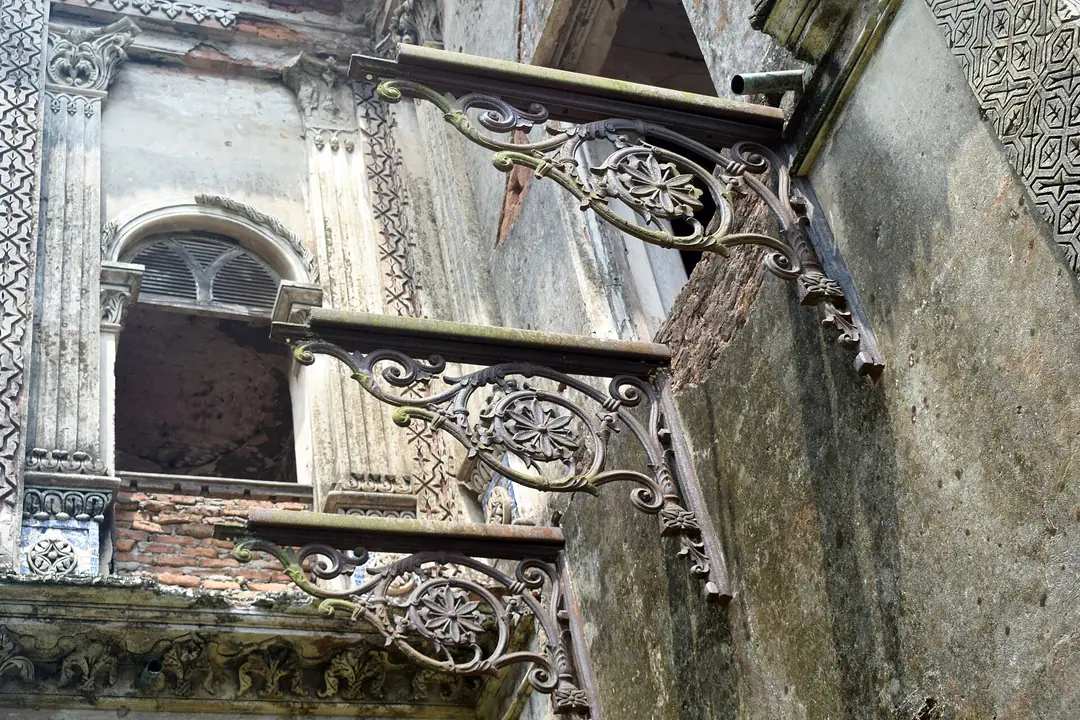
Bring snacks, wipes and sun protection, and plan breaks in the shade. A game of spotting details, such as arches, iron brackets and animals carved into plaster, keeps the walk interesting. For young children, the museum and the pond are enough on their own, and Panam Nagar can be a shorter stroll.
A timed plan for the day
This plan assumes a hired car and a start in central Dhaka. Move the stops around if the museum is closed that day.
- Before 8 am
Leave Dhaka with water, a hat and cash for tickets and snacks. Agree the return time with the driver.
- Mid-morning
Arrive at Panam Nagar. Walk the street from end to end, then cross the old bridge.
- Late morning
Visit the Folk Art and Crafts Museum and its mansion, then have tea in the shade.
- Early afternoon
Stop at Goaldi Mosque, then, if arranged, visit a jamdani weaving house.
- Mid-afternoon
Take a short stop by the Meghna, then begin the drive back before the evening rush.
- Evening
Reach Dhaka and rest; consider a meal in the city and a look at your photographs.
If you plan a longer stay in the capital, choose a base from the Dhaka guide and keep this day trip for a morning when you want open air.
Questions and answers
How far is Sonargaon from Dhaka and how long does it take?
Sonargaon is about 23 km from central Dhaka in a straight line, but the road is slow. Expect well over an hour each way in normal traffic, and longer on weekends, holidays or in the rain. Start before eight in the morning and plan to leave Sonargaon by mid-afternoon to avoid the evening rush on the way back.
What is Panam Nagar and why do people visit it?
Panam Nagar is a long street of about 50 ruined merchants’ houses built in the late nineteenth and early twentieth centuries, mostly by cloth traders. Visitors walk along it to see arched doors, cast-iron brackets, plaster details and trees growing through brick. It is quiet, atmospheric and photogenic, and it is usually entered by ticket.
Is the Folk Art and Crafts Museum worth visiting at Sonargaon?
Yes, if you like crafts. The museum was founded in 1975 by Zainul Abedin and sits in the Bara Sardar Bari mansion, with pottery, textiles, carvings, instruments and rickshaw art. Allow an hour or more, check the closing day before you go, and ask staff about photography rules inside each gallery.
What day is Panam Nagar closed?
Sites at Sonargaon are usually closed one day each week, and the museum may also close for holidays, but the day can change. Confirm by phone or through your hotel before you set out, rather than relying on an old guidebook. If one site is shut, switch the order of the day and spend longer at the others.
Can you see jamdani being woven near Sonargaon?
Yes. Weaving villages in Rupganj and Sonargaon along the Shitalakshya river still make jamdani by hand, and a hotel or guide can arrange a visit. UNESCO listed jamdani weaving as intangible heritage in 2013. Ask before photographing, expect a quiet household workshop, and consider buying directly from the weaver.
How old is Goaldi Mosque at Sonargaon?
Goaldi Mosque dates to 1519, making it one of the older mosques in this part of Bangladesh. It is a small brick building with domes in a quiet compound and is still in use. Dress modestly, remove shoes, avoid visiting during prayers, and ask permission before photographing anyone worshipping inside.
Is Sonargaon a good day trip with children?
It suits children who like to explore, with open space, a pond and a long street of ruins. The risks are uneven ground, loose bricks and open drains, so hold hands near buildings and stop children climbing on walls. Bring water, hats, snacks and wipes, and keep the museum and the pond as an easier alternative to the ruins.
How do you get from Dhaka to Sonargaon without a car?
Buses run along the highway towards Chattogram and Sylhet, and conductors can tell you where to get off for Sonargaon. From the stop, rickshaws and CNG auto-rickshaws cover the short hops between Panam Nagar, the museum and the mosque. Agree each fare first, allow extra time, and have a plan for the return before dark.