On this page
Sreemangal is a railway town in Moulvibazar district, surrounded by tea estates and forest. The broad question of whether to stay in Sreemangal or in Sylhet is answered in the Sylhet guide. This page assumes you have chosen Sreemangal and want to know where in it to sleep.
The short version
- Sleep in town if you arrive by night train, travel without a car, or want food and tea stalls on your doorstep.
- Choose the estate edge or Radhanagar for quiet mornings, birds and walks, but plan transport in advance.
- The Lawachara and Kamalganj side suits early forest walks and the lake, and Moulvibazar town suits those who want a bigger town.
- Weekends fill up with visitors from Dhaka, and the rainy season brings leeches, mud and the heaviest rain in the country.
The distinctions matter because the town is small and the surroundings are spread out. A hotel in the centre and one among the estates are a few kilometres apart, but they feel like different trips: one is a market town with trains and tea stalls, the other a quiet garden with birdsong and a road you cannot walk at night.
Five places to sleep
| Area | Feel | Suits | Watch for |
|---|---|---|---|
| Town centre: station, Chowmuhana, Station Road | Busy market streets, tea stalls, trains | Night arrivals, no car, food | Noise from early morning |
| Bhanugach Road and the estate edge | Green, quiet, birdsong | Walkers, couples, slow mornings | Dark roads, mosquitoes, need a ride |
| Radhanagar | A village among tea and forest | Nature stays, early walks | Few restaurants outside your hotel |
| Lawachara and Kamalganj side | Forest edge, lake and villages | Early forest walks, Madhabpur Lake | Far from the station |
| Moulvibazar town | District headquarters on the Manu river | A bigger town, other roads | Far from Lawachara |
The rest of this guide takes them in turn. If you are unsure, choose the town for one night and an estate-edge hotel for the next: it gives you a feel for both without a long search. With three or more nights, split them: the quietest hotel for the walks and the forest, and a town hotel on the night before your onward train, so that the station is a short ride away at dawn.
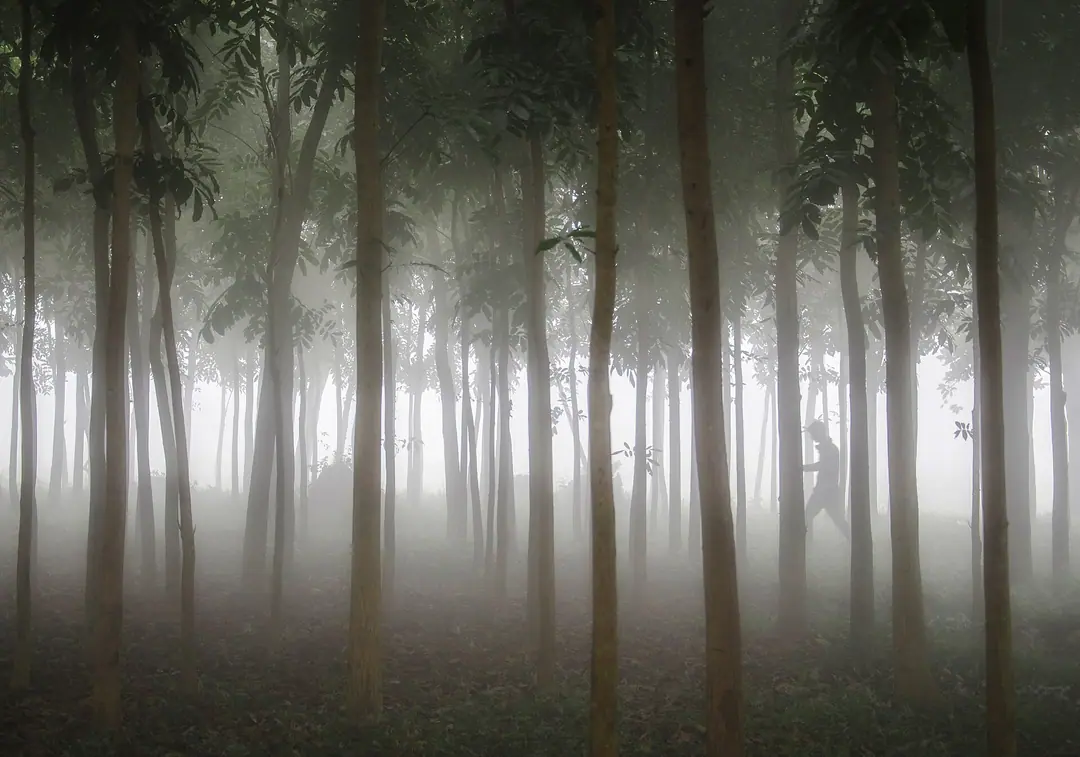
Do not judge a hotel only by its photographs. Several places that look similar online differ in noise, in the road to reach them and in how far they are from the forest, and the same compound can be calm in the week and loud with groups at weekends. Ask the hotel which side of town it is on, whether the road is paved to the gate, and how many rooms it has.
The town centre
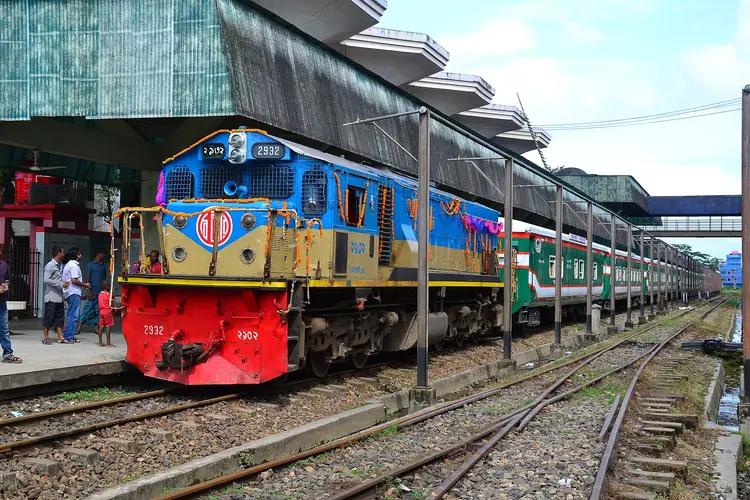
The centre grows from the railway station out along Station Road, with Chowmuhana, the main junction, a short ride from the platform. Hotels here are close to restaurants, tea stalls and shops, and you can walk to dinner. Early on, the market wakes with vegetable sellers, tea boys and the first CNGs, and by daylight the junction is a mass of rickshaws and motorbikes. It is the easiest base if you arrive by train at night, as many do.
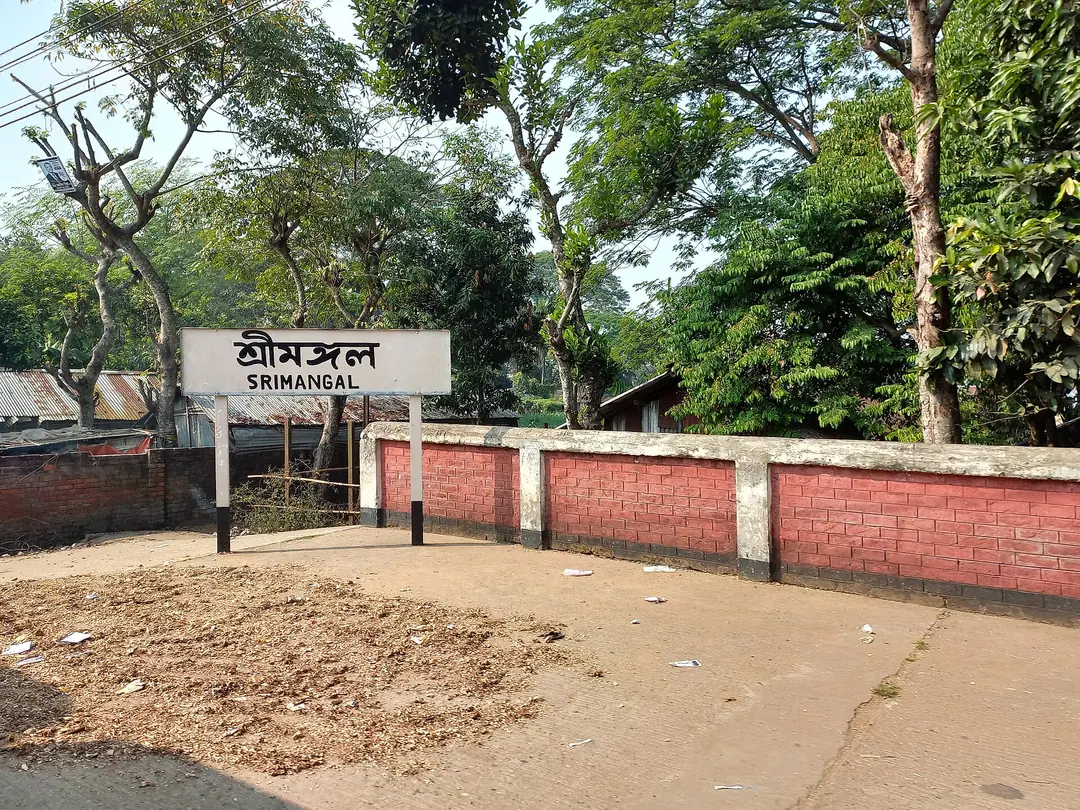
The trade-off is noise. Trains pass at all hours, the call to prayer carries across the town, and motor rickshaws start early on the main road. Ask for a room at the back, away from the junction, and bring earplugs if you are a light sleeper. The estates begin within minutes in every direction, so you rarely need more than a short ride to be among the tea. The Bangladesh Tea Research Institute is on the edge of town, and the shaded roads around it are good for a first walk before dinner.
Bhanugach Road and the estate edge
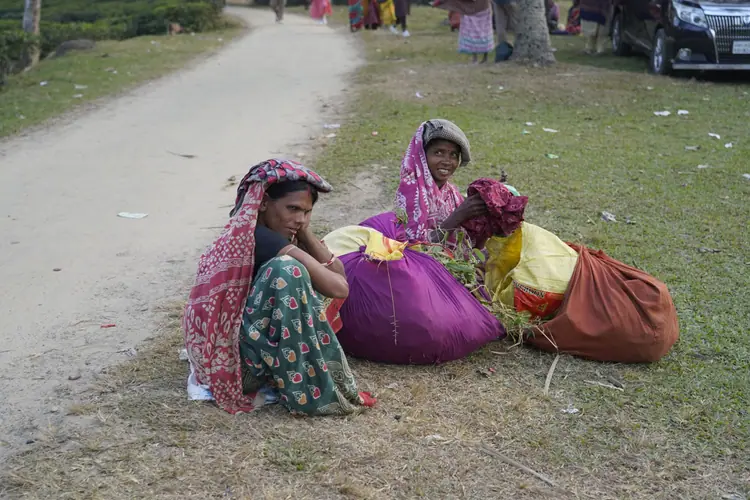
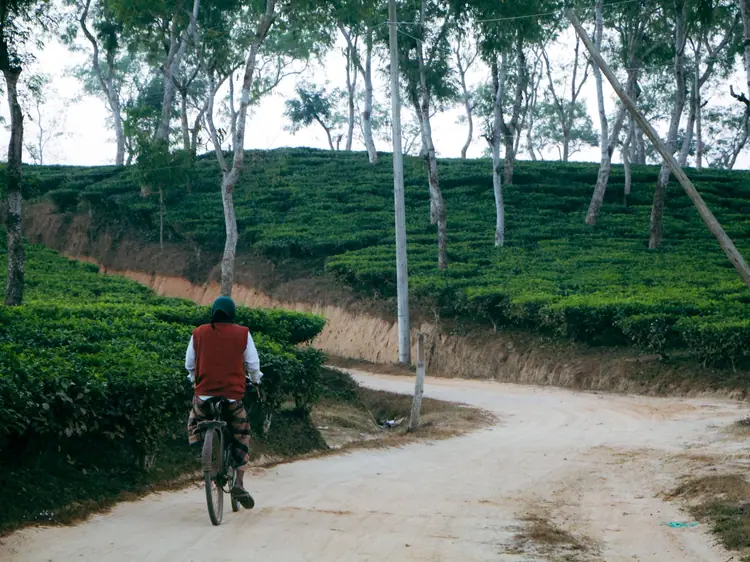
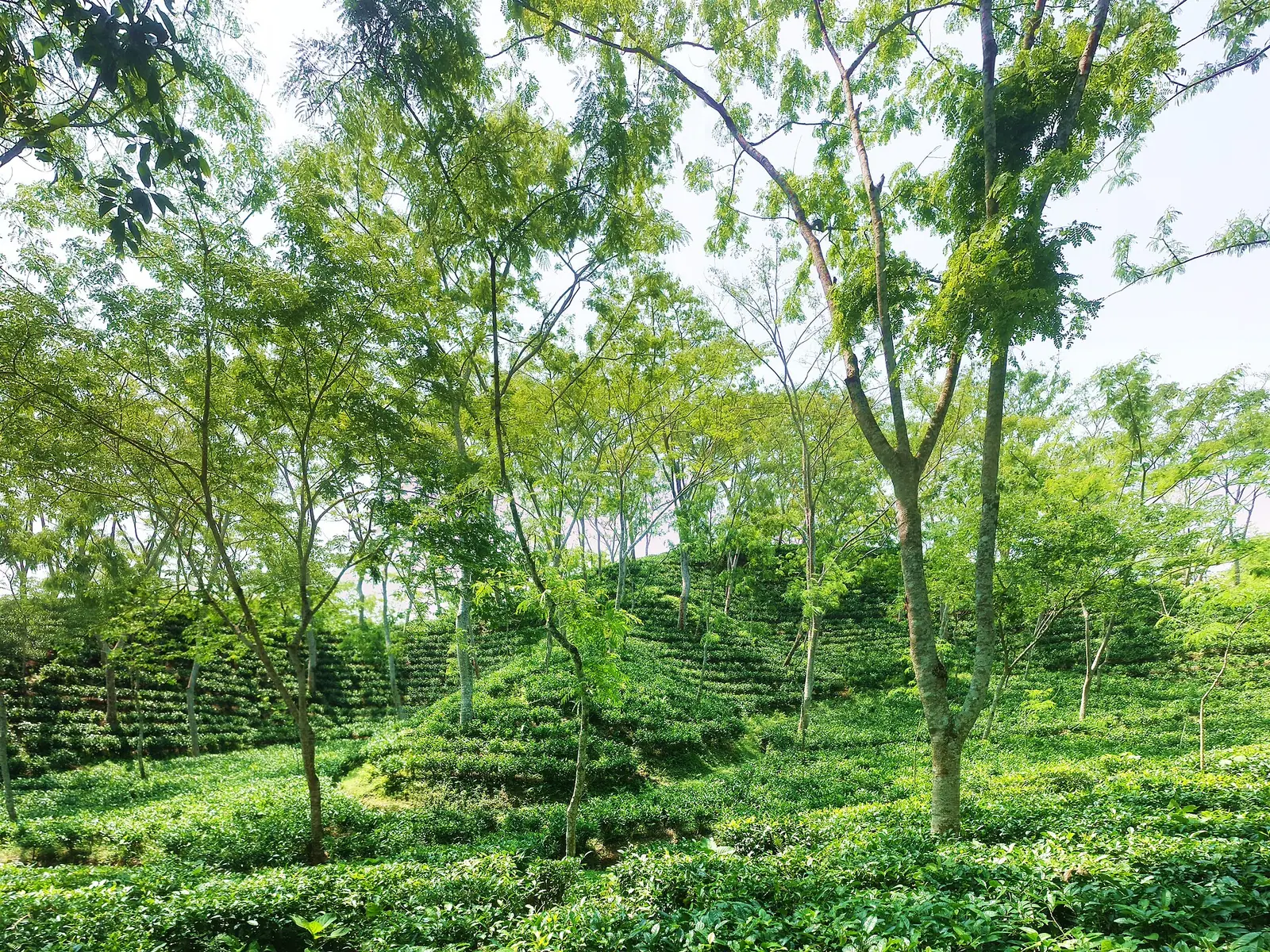
The quieter hotels sit along Bhanugach Road and the lanes off it, where the town thins into gardens. Mornings here start with birds and the sound of pluckers moving along the rows. Cottages and small resorts have gardens, and some have views over the bushes.
Practical points: the roads are unlit at night, mosquitoes are common near the gardens and in the rains, and you will usually need your hotel to arrange a ride in or out. Take dinner at the hotel unless you have a driver. If it rains, the gardens are still worth a short walk once it eases, because the colours deepen and the air cools, but the tracks turn to mud and leeches appear. The estates are working farms, so keep to paths, and ask before photographing the workers. The separate tea trail page gives a full walking route.
Radhanagar, Lawachara and Kamalganj
Radhanagar is a village on the road towards the forest, with tea gardens on both sides and a few lodges. It suits visitors whose main aim is Lawachara National Park, which lies about 7 km away in a straight line. Staying here puts you near the trailheads at the cool, quiet hours.
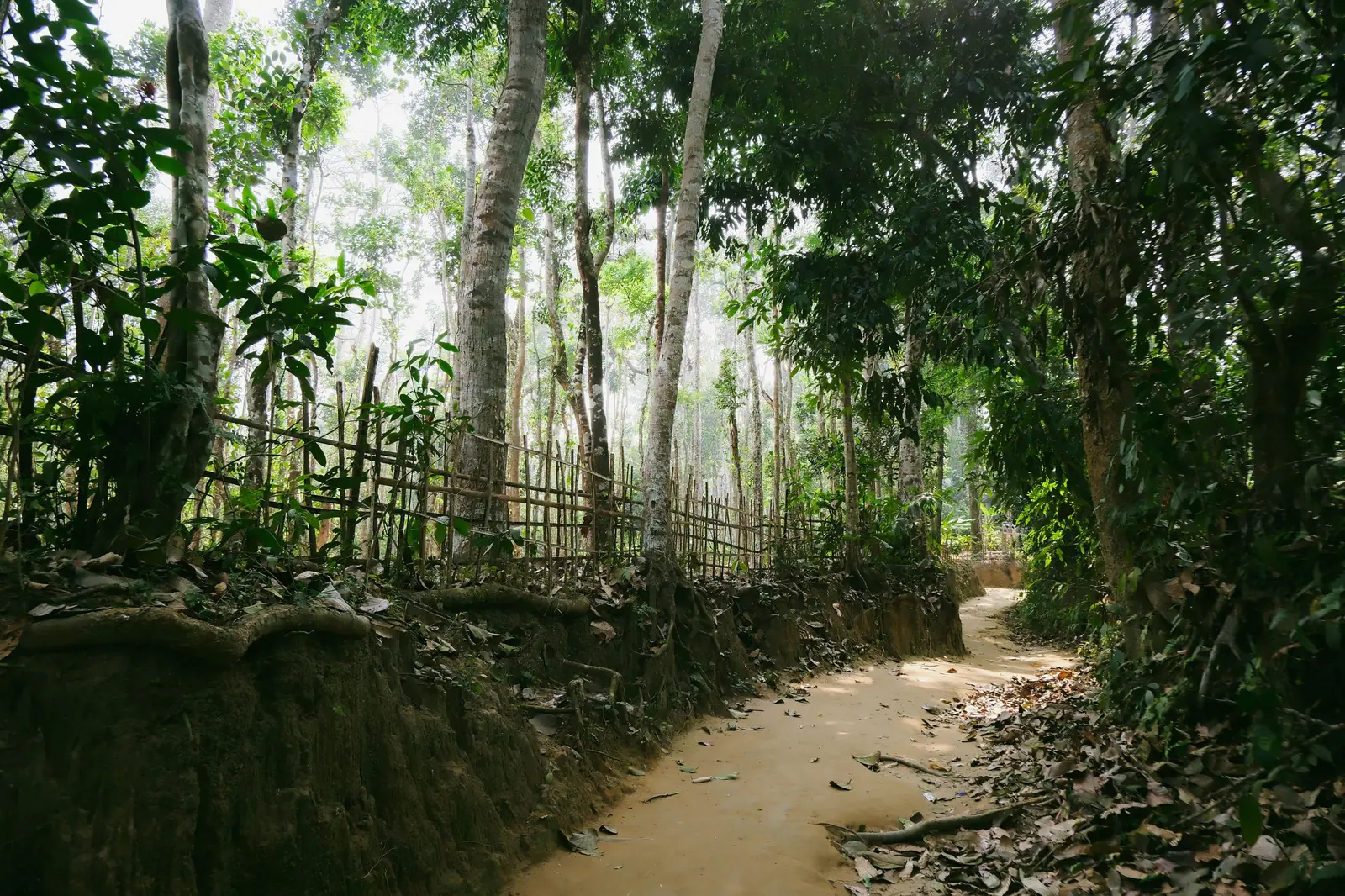
The park has marked trails of about thirty minutes, one hour and three hours, and the hoolock gibbons and langurs are seen at their most active early in the morning. Hire a local guide at the entrance and walk quietly. Further east, Kamalganj has Madhabpur Lake, Manipuri villages and the Bhanugach railway station.
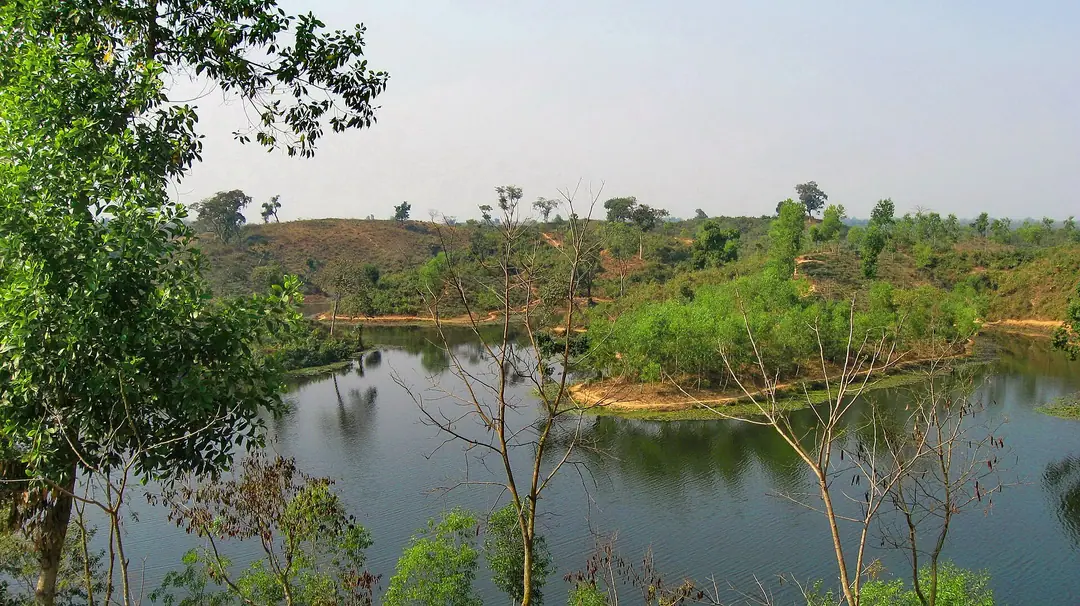
Kamalganj hotels give quiet and a landscape of lake and hills, but they are far from the main station, so they suit people with a car or a driver. Villages here keep their own customs; visit with a guide, and always ask permission. Evenings are very quiet, with little to do but sit on a veranda, so bring a book and accept the early night. The lake itself is calm in the morning, when mist lies on the water and the first fishermen are out.
Moulvibazar town
Moulvibazar is the district headquarters, on the Manu river, and larger than Sreemangal. It has more shops, banks and bus connections, and some larger resorts sit on its outskirts. The drive to Lawachara is longer, so it is a poor choice if forest walks are your goal, but it is useful if you plan to continue to Sylhet by road or want a quieter evening than the station area gives.
Evenings, food and tea
Sreemangal goes to bed early. Outside the town centre, most restaurants close by about nine or ten, roads empty, and the night is dark and loud with insects. Town hotels give you a short walk to dinner; estate hotels usually serve meals on site, often set menus agreed in the afternoon, so tell the kitchen about dietary needs when you arrive rather than at the table.
Tea is the local drink, served milky and sweet by the glass at stalls on every corner, and a few tea cabins in the town sell the seven-layer tea, in which coloured bands are poured one over another into a single glass. In the warm months, roadside stalls also sell pineapples and lemons from the surrounding hills.
Sleep under a net if one is offered, or ask for one, since mosquitoes near the gardens are persistent after rain. A small torch is useful for unlit paths. Hotels in the estates often have generators, but a short power cut in the monsoon is normal, so charge your phone and camera when the power is on.
Getting there and getting around
Sreemangal is about 150 km from Dhaka in a straight line, and the train takes about five hours; see the train travel guide for how to book. There is no airport in Sreemangal. The nearest airport is at Sylhet, about three hours away by road and about 67 km in a straight line. Night trains arrive after dark, so book your hotel ride in advance.
Around town, CNG auto-rickshaws and battery easy-bikes are the usual vehicles, and bicycles can be rented through some hotels. Ask your hotel to book a driver for the day if you plan to cover Lawachara, Madhabpur Lake and the estates. Jeeps and hired cars handle the rougher tracks. Cyclists should avoid the main highway at rush hour, wear a helmet if the hotel supplies one, and leave the estate roads before dusk, when the light fades quickly under the shade trees.
Weekends, rain and who it suits
Friday and Saturday are the weekend in Bangladesh, and visitors from Dhaka fill the hotels and the park. Come midweek if you can, and book ahead for the weekend. The rains bring the heaviest rainfall in the country, so expect leeches on forest trails, mud on the estate tracks and some power cuts. Long socks, repellent and a rain layer matter more than camera gear.
Families with young children are comfortable in a town hotel or a garden resort with a safe compound, where a driver can bring them to Lawachara in the morning. Older parents should pick a hotel with few steps and a bedroom close to the dining room, and travel by car rather than rickshaw. If you have limited mobility, skip the long forest trail: the short one is gentle and easy to do.
Winter birds at Baikka Beel
Baikka Beel is a wetland in Hail Haor, and it gives a stay in Sreemangal a different kind of morning from the forest or the tea. The main interest is birdlife in the dry, cool season from November to February, when migratory waterbirds join the resident species. Expect open water, aquatic plants and wide skies, with little shade. Bring binoculars if you own a pair, as many birds keep well away from the bank. A town base is a practical starting point, though estate hotels can also arrange the outing.
Check current access, the state of the approach road and any visitor rules with your hotel or the local administration before setting out. Winter fog can hide the water early in the day, so allow some flexibility and wait for it to thin. Wear a warm layer for the start and carry drinking water, sun protection and shoes that can cope with mud. Keep your voice low, stay on permitted paths and do not approach or feed the birds. Leave drones behind unless you have permission to fly one.
A short stay plan
- Day 1 · Arrive and settle
Arrive by train, check in at a town hotel, and walk to the nearest estate for the late light. Eat in town and sleep early for the forest.
- Day 2 · Forest and lake
Be at Lawachara soon after opening for a guided walk, return for breakfast, then spend the afternoon at Madhabpur Lake and a Manipuri village with a local host.
- Day 3 · The estates and onward
Walk or cycle through the tea at sunrise, then take the train or a car to Sylhet or back to Dhaka.
Sreemangal is a natural stop on a longer trip, such as the seven-day itinerary.
Hotels to consider
Questions and answers
Where is the quietest place to stay in Sreemangal?
Along Bhanugach Road and in Radhanagar, where hotels sit among tea gardens and the main sounds are birds and the wind. The town centre is noisy because of trains, the call to prayer and rickshaws. The trade-off for quiet is distance: you will need your hotel to arrange rides.
Is it better to stay in Sreemangal town or among the tea estates?
It depends on how you travel. The town suits night train arrivals, travellers without a car, and anyone who wants food and tea stalls close by. The estate edge suits walkers and those who want slow mornings. Many visitors spend a night in each, to compare.
How far is Lawachara National Park from Sreemangal town?
About 7 km in a straight line, with the road a little longer. A CNG or hired car takes you there in a short ride. Radhanagar and the Lawachara side are closer still, which helps if you want to be at the entrance soon after opening for the gibbons.
Is Sreemangal busy at weekends?
Yes. Friday and Saturday are the weekend in Bangladesh, and many visitors from Dhaka come for the forest, the lake and the tea. Hotels fill, roads are slower, and the park is crowded. Come midweek if you can, and book your room and your driver in advance.
What is the rainy season like in Sreemangal?
Wet. Sreemangal is among the rainiest places in the country, and the monsoon from June to September brings heavy rain, mud on estate tracks, leeches on forest trails and occasional power cuts. The gardens are at their greenest, so go if you accept the discomfort and pack a rain layer and long socks.
Can I visit Sreemangal with young children or older parents?
Yes, with some care. A town hotel or a garden resort with a safe compound works for young children, and a driver can take them to the short forest trail. Older parents should choose a hotel with few steps, travel by car, and skip the long forest walk.
What should I do if the train reaches Sreemangal at night?
Book a hotel in the town centre, near the station and Station Road, and arrange the pickup or a trusted CNG in advance. Roads at the estate edge are dark and unlit, so a hotel among the tea is better kept for the second night. Keep cash handy for the ride.
Is Moulvibazar a good base for visiting Sreemangal?
Only if you want a bigger town. Moulvibazar is the district headquarters, with more shops, banks and bus links, and some larger resorts nearby. It is farther from Lawachara, so forest walks mean a longer morning ride. Most visitors who want the park choose Sreemangal itself.