On this page
Seven days is enough to see three very different faces of Bangladesh: a capital of rivers, universities and traffic, a tea country of low hills and rain forest, and a long beach on the Bay of Bengal. It is not enough to see everything, and this route does not try. It picks three bases, limits the transfers, and leaves some free time in each so you do not spend the week on a platform.
The short version
- The route spends two nights each in Dhaka, Sreemangal and Cox’s Bazar, with the last day for the return to Dhaka and the flight home.
- It leaves out the Sundarbans cruise, which is in the ten-day route, and puts Dhaka’s modern history and campus district where that route puts Old Dhaka.
- Rail and road work between Dhaka and Sreemangal, and a short flight is the sensible link to the coast.
- Book domestic flights, the Sreemangal train and Cox’s Bazar rooms first, and keep a spare half day for delays.
The shape is Dhaka, Sreemangal, Cox’s Bazar, then back to Dhaka. There is no Sundarbans cruise and no Khulna leg. If you want those, the ten-day route adds the mangroves and the old mosque city. The days below are built for the dry season, from November to February, and the rainy-day swaps near the end cover the rest of the year.
The route at a glance
Two nights in each base keeps packing to a minimum and gives each place a full day. The only long travel days are the rail leg from Dhaka on day three and the flight to the coast on day five. Everything else is a morning or an afternoon outing from your hotel, and the pace lets you eat, rest and wander without a clock. In short: days one and two in Dhaka, days three and four in Sreemangal, days five and six in Cox’s Bazar, and day seven for the way home.
This page assumes you arrive at Hazrat Shahjalal International Airport in the morning or afternoon of day one. If you land at night, treat day one as a rest day and use the early part of day two for the first sight. For the first hour on the ground, the airport guide on this site covers the transfer and the practical details.
Days 1 and 2 · Dhaka
Day one is for landing and settling. Get cash, a SIM card and a ride to your hotel, then walk around the immediate neighbourhood and eat early. Resist the urge to plan a big evening. Dhaka’s traffic is slow, and jet lag combines badly with heat, noise and long queues. The aim for the first night is a shower, a meal and eight hours of sleep.
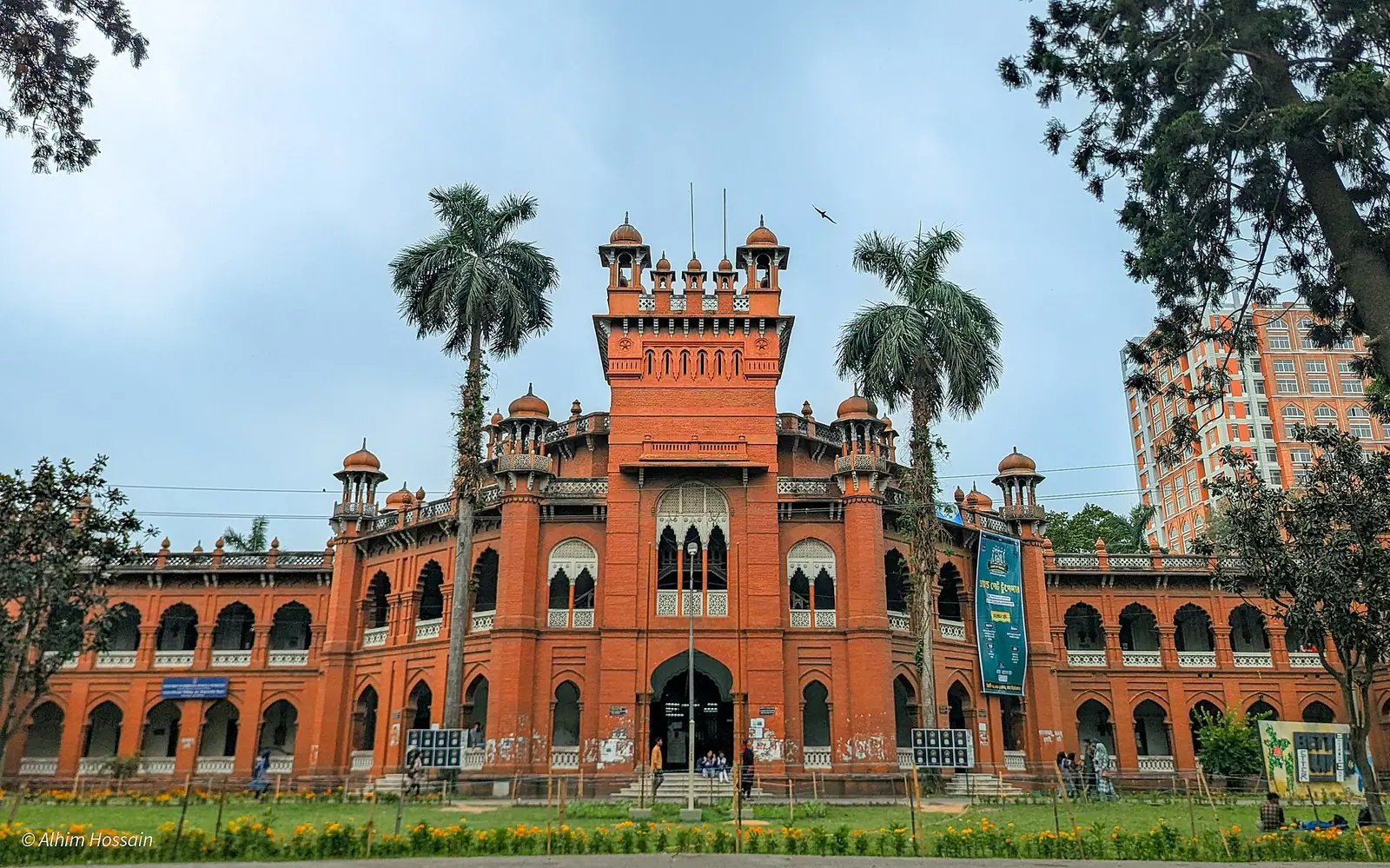
Day two looks at a different Dhaka from the old-city route in the ten-day plan. Start at Curzon Hall on the university campus, a red-brick building of the early twentieth century, and walk through the green lanes of the campus. Visit the National Museum at Shahbagh, then take a car to Agargaon for the Liberation War Museum, which tells the story of 1971 through documents, photographs and testimony.
Louis Kahn’s National Parliament House, completed in 1982, stands in the same part of the city. Check whether the grounds are open to visitors on the day, and plan to see it from the outside if not. In the evening, rest. If you still have energy and want the old city, the Dhaka guide and the heritage walk page cover it in detail.
Days 3 and 4 · Sreemangal
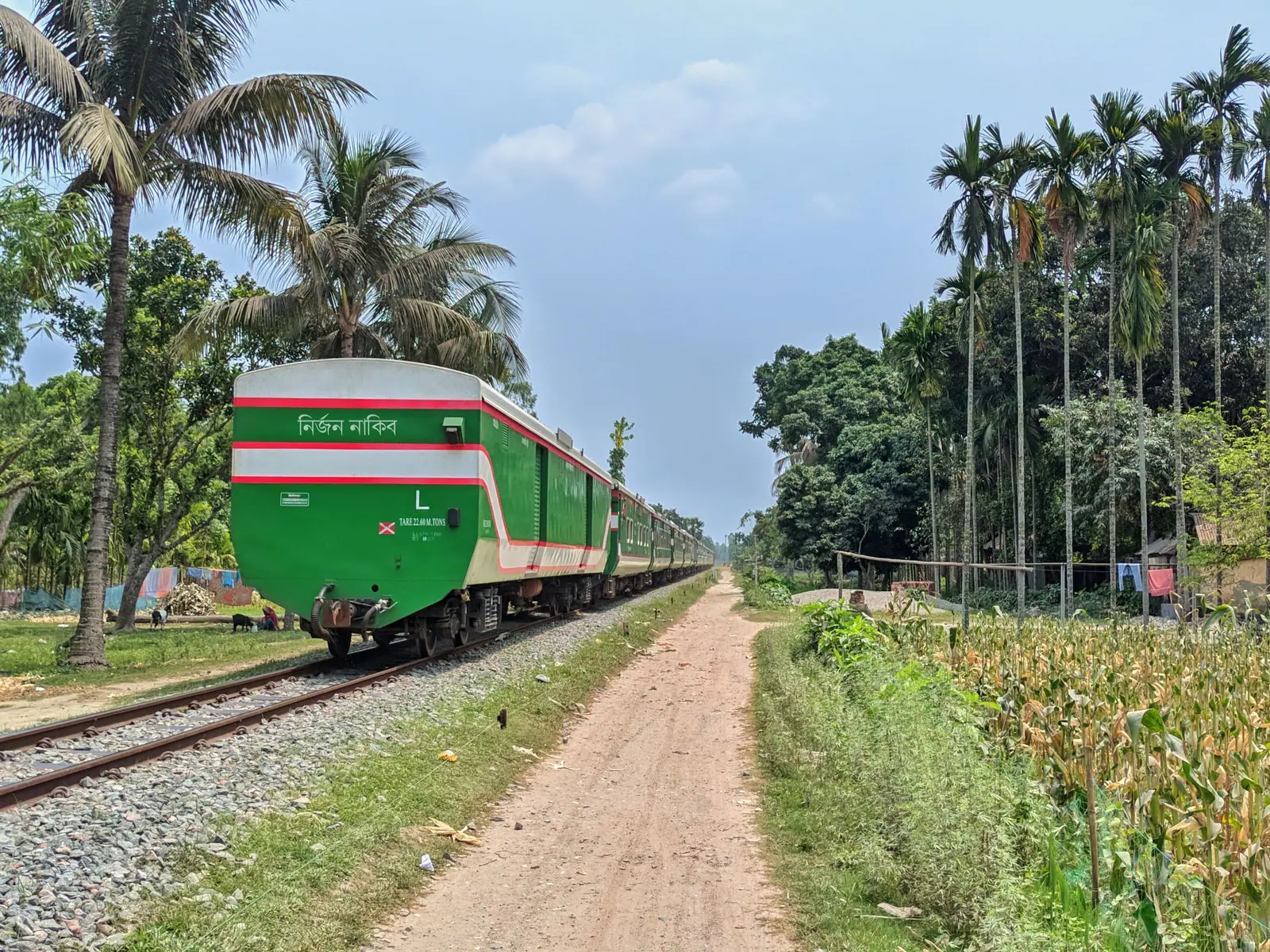
Take a morning train to Sreemangal, about five hours from Dhaka, and book it before anything else. The line crosses river plains and then the first tea slopes, and arrival in the early afternoon leaves time for a short walk through an estate before sunset. The train guide explains the classes and how to buy a ticket.
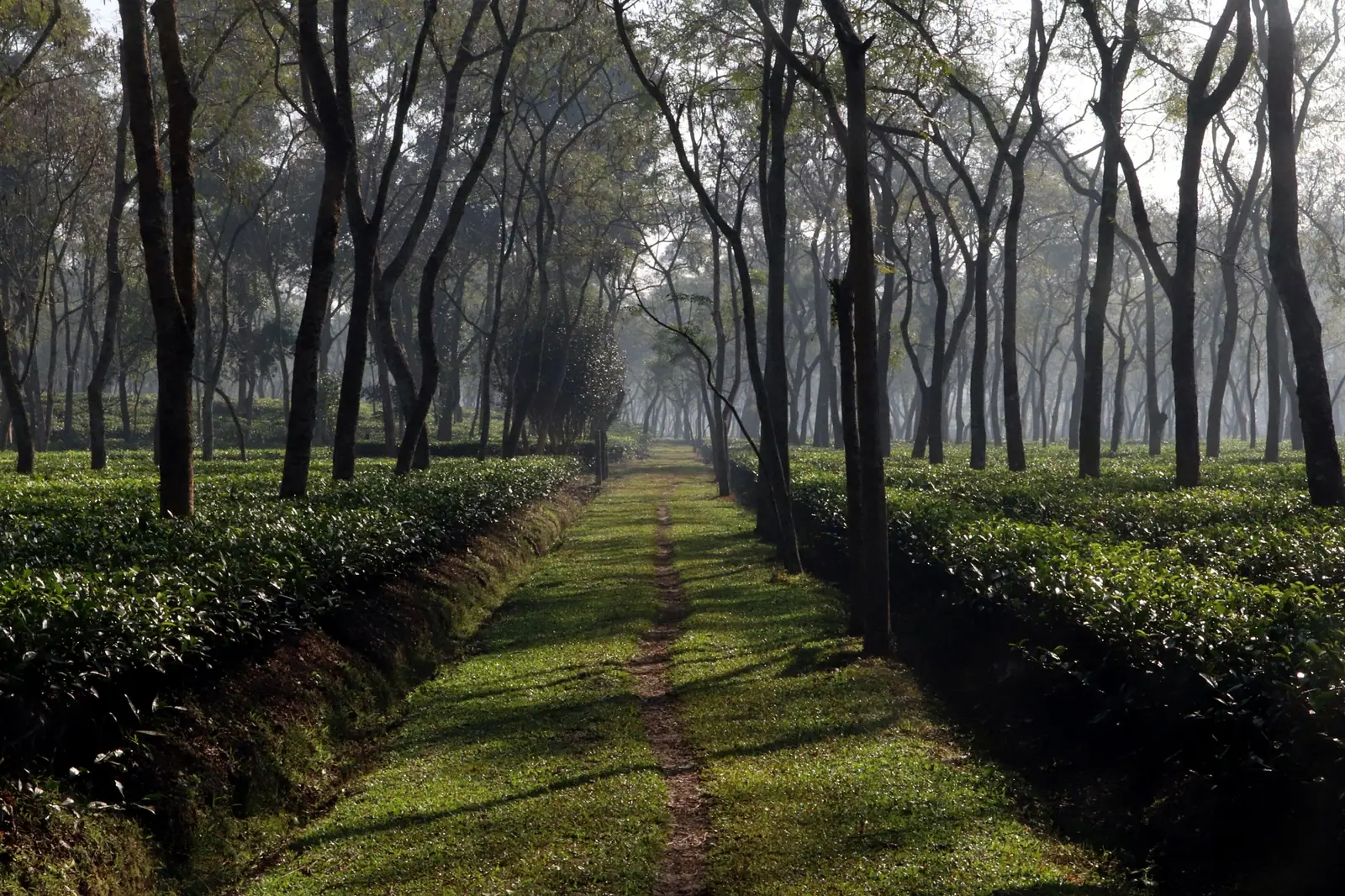
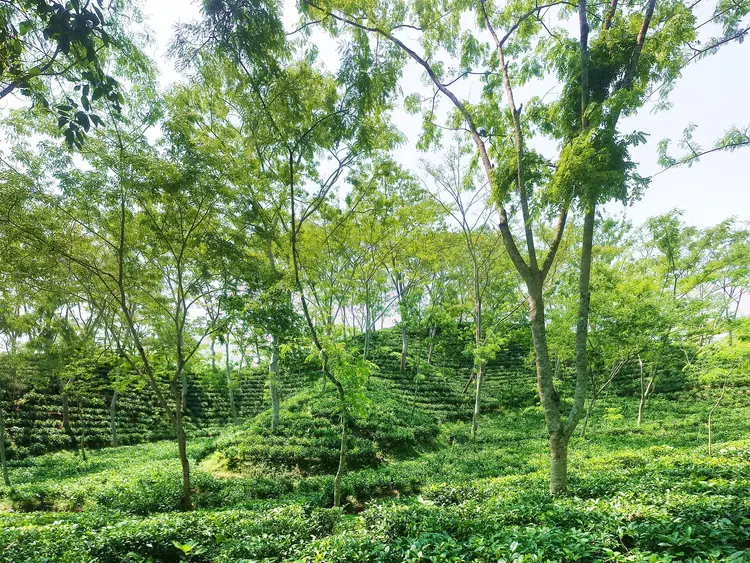
Day four is a full day in tea country. Start at Lawachara National Park, where hoolock gibbons live and trails of about thirty minutes, one hour and three hours let you choose your effort. Walk in the early morning for a good chance of wildlife, with a guide. In the afternoon, walk or cycle through the estates, and visit Madhabpur Lake in Kamalganj.
The area is also home to Khasi and Manipuri communities, whose villages lie near Kamalganj. Ask your hotel to arrange a respectful visit, and ask before taking a photo of a person or a home. End the day with a cup of the local layered tea, and an early night. The tea trail guide gives a walking route.
Days 5 and 6 · Cox’s Bazar
Day five is the long day. Take an early train back to Dhaka, then a domestic flight to Cox’s Bazar in the afternoon. It can work, but it is tight, and a late train would break it. If you prefer a calmer day, spend the night in Dhaka and fly in the morning of day six, dropping a half day on the coast. Either way, book flights early, because they fill.
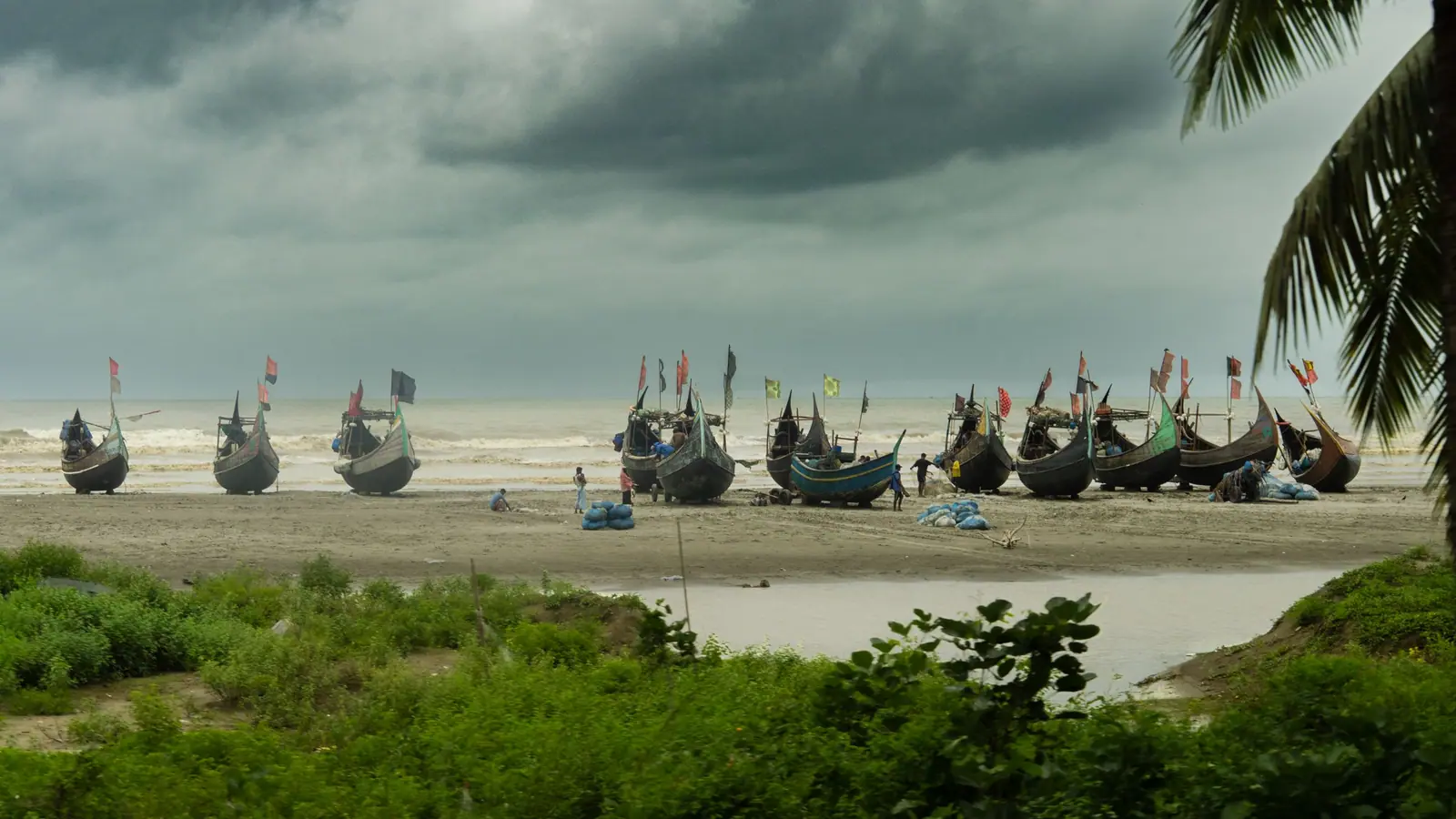
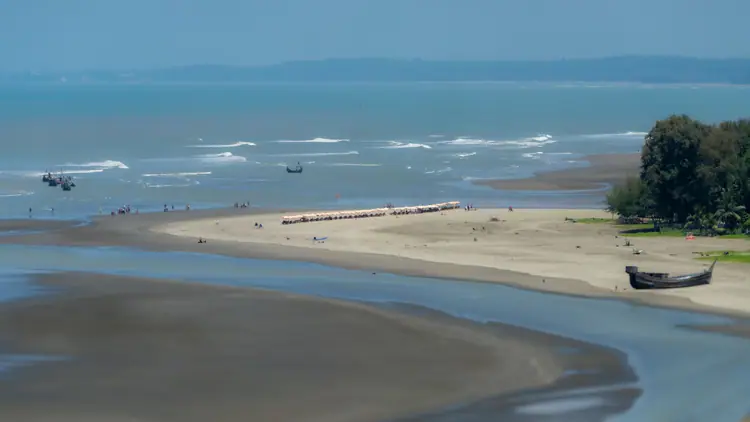
On day six, ride the Marine Drive, about 80 km of road between the hills and the sea, and stop at Himchari for its viewpoint and its seasonal waterfall. Continue to Inani, where rocks lie exposed at low tide. Check the tide times before you go, and ask your driver to time the visit. Return in the afternoon for the beach at sunset, when the fishing boats come in.
Cox’s Bazar has a beach of about 120 km, often described as the longest natural sea beach in the world. Swim only between the flags where lifeguards are on duty, because rip currents are real. If you want a map of the town’s neighbourhoods, read the Cox’s Bazar guide. Read the official travel advice before going south of Inani.
Day 7 · Back to Dhaka
Take a morning flight to Dhaka, leaving the last part of the beach morning free for a walk before you go. Do not schedule an international departure on the same day as the domestic leg, because delays are common and a missed connection costs far more than a night in a hotel. If your flight home is at night, a late hotel checkout in Dhaka is a better plan than a rushed morning.
If your international flight is early the next day, stay near the airport on day seven. Hazrat Shahjalal’s new third terminal was not yet in full service in November 2026, so check the terminal on your ticket, and leave extra time to find it. Keep a few notes of taka for the last taxi and the last tea.
Rail and road, or fly
The route works two ways. The rail-and-road version keeps costs and flight stress down and takes in more scenery, but it spends more hours in transit. The flying version trades some of that scenery for time, using Sylhet’s airport for tea country and a flight to Cox’s Bazar. Mix and match: many travellers take the train out and fly to the coast.
| Leg | Rail and road | Fly |
|---|---|---|
| Dhaka to Sreemangal | Train, about 5 hours | Fly to Sylhet, then a road transfer |
| Sreemangal to Dhaka | Train, with a buffer before a flight | Road to Sylhet, then fly |
| Dhaka to Cox’s Bazar | Direct train, roughly 8 to 10 hours | Domestic flight, under an hour in the air |
| Cox’s Bazar to Dhaka | Direct train, a long day or night | Domestic flight |
Whichever you choose, check the timetable and tickets on the official sites or with your hotel, because services change. The domestic flights and the Sreemangal train are the two bookings that decide the rest of the trip, so make them first. Treat the trains as the more scenic choice, and the flights as the safer one when time is short.
Alternatives and swaps
If the beach does not appeal, replace days five and six with Khulna and Bagerhat. Take the train to Khulna over the Padma Bridge rail link, about four hours on the fastest service, then visit Bagerhat, with its Sixty Dome Mosque and the tomb of Khan Jahan Ali. It is a quiet, historic alternative. The Khulna guide gives bases and times.
For archaeology, swap the coast for the north-west. The Jamuna Railway Bridge, open since March 2025, makes Rajshahi and Bogura easier to reach. Paharpur, one of the country’s three UNESCO sites, lies in Naogaon district. Mahasthangarh, the ancient city of Pundranagara, is near Bogura. Add Puthia’s temples near Rajshahi. This is a slower, hotter trip that suits history readers more than beach lovers.
In the monsoon, from June to September, drop the beach, where the sea is rough and rain is heavy. Swap in Sylhet’s swamp forest and extra days in the tea hills, and keep a flexible day for flooding or delay. The monsoon guide sets out a wet-season plan, and a rainy day anywhere is a good excuse for a museum.
What to book first, and who it suits
Cox’s Bazar rooms fill at weekends and holidays, and trains sell out quickly before Eid, so the order of booking matters. Confirm your entry requirements through the visa page and the official site for your nationality before you pay for anything else.
- 1 · International flights
Fix the arrival and departure dates first, leaving the last night near the airport.
- 2 · Domestic flight to the coast
Book the Dhaka to Cox’s Bazar flight as soon as the dates are fixed, as seats fill.
- 3 · Train to Sreemangal
Buy the day-three ticket the day sales open, and pick a daytime service for the view.
- 4 · Hotels in each base
Reserve Cox’s Bazar first, then Sreemangal, then Dhaka, with free cancellation where offered.
- 5 · Guides and local extras
Ask your Sreemangal hotel about a Lawachara guide, and your Cox’s Bazar hotel about a driver for the Marine Drive.
The route suits first-time visitors, couples and friends who want variety without a long overland haul. It also suits a family with older children, because the stages are short and the hotels are in towns. It is less suited to travellers who want a deep stay in one place, who dislike travel days, or who are drawn mainly to wildlife or the far north.
Questions and answers
Is seven days enough for a first trip to Bangladesh?
Seven days works for a focused route with three bases: Dhaka, Sreemangal and Cox’s Bazar. You see a city, tea country and the coast, and you leave a little room to rest. It will not cover the Sundarbans, the north or the hills, which need more days.
How does the seven-day route differ from the ten-day one?
The seven-day route skips the Sundarbans cruise and the Khulna leg, and uses its Dhaka time for the campus district and 1971 history rather than Old Dhaka. It keeps the tea country and the beach, with fewer transfers and a calmer pace.
Can I do the seven-day Bangladesh route without any flights?
Yes, using the train to Sreemangal and the direct train to Cox’s Bazar, which takes roughly eight to ten hours. It adds travel time and reduces the buffer, so you may need to cut a day of sights. Check the official ticket site for current services.
Which season suits a seven-day route through Bangladesh?
November to February is the main season, with cooler, dry weather. March is warming, April and May are hot, and June to September is the monsoon. In the wet months, swap the beach for more time in the tea hills and Sylhet.
Where should I stay in Sreemangal on a seven-day route?
Choose a base near the tea estates or the forest edge, so that you can walk or cycle in the early morning. Town hotels are easier for transport, and the estate side is calmer. Book early for weekends, and ask the hotel about guides for Lawachara.
What if the train to Sreemangal is full on the seven-day route?
Check the official site again close to departure, because returned tickets are released. Try another class or a neighbouring day, or take a road transfer or a flight to Sylhet followed by a drive. Keep a half day of slack so one change does not break the week.
Should I add Saint Martin’s Island to a seven-day Bangladesh trip?
No. Access is limited to a short season, it needs a travel pass and extra days, and rules change every year. A week with Cox’s Bazar already has two transfers. Plan Saint Martin’s as a separate, longer trip, and check the Bangladesh Tourism Board first.
Is the seven-day Bangladesh route suitable for older travellers?
Mostly yes. Stages are short and hotels are in towns. The main effort is the rail day and the flight day, so book comfortable classes and keep a spare half day. Trails in Lawachara can be gentle or steep, so choose the shorter ones.