On this page
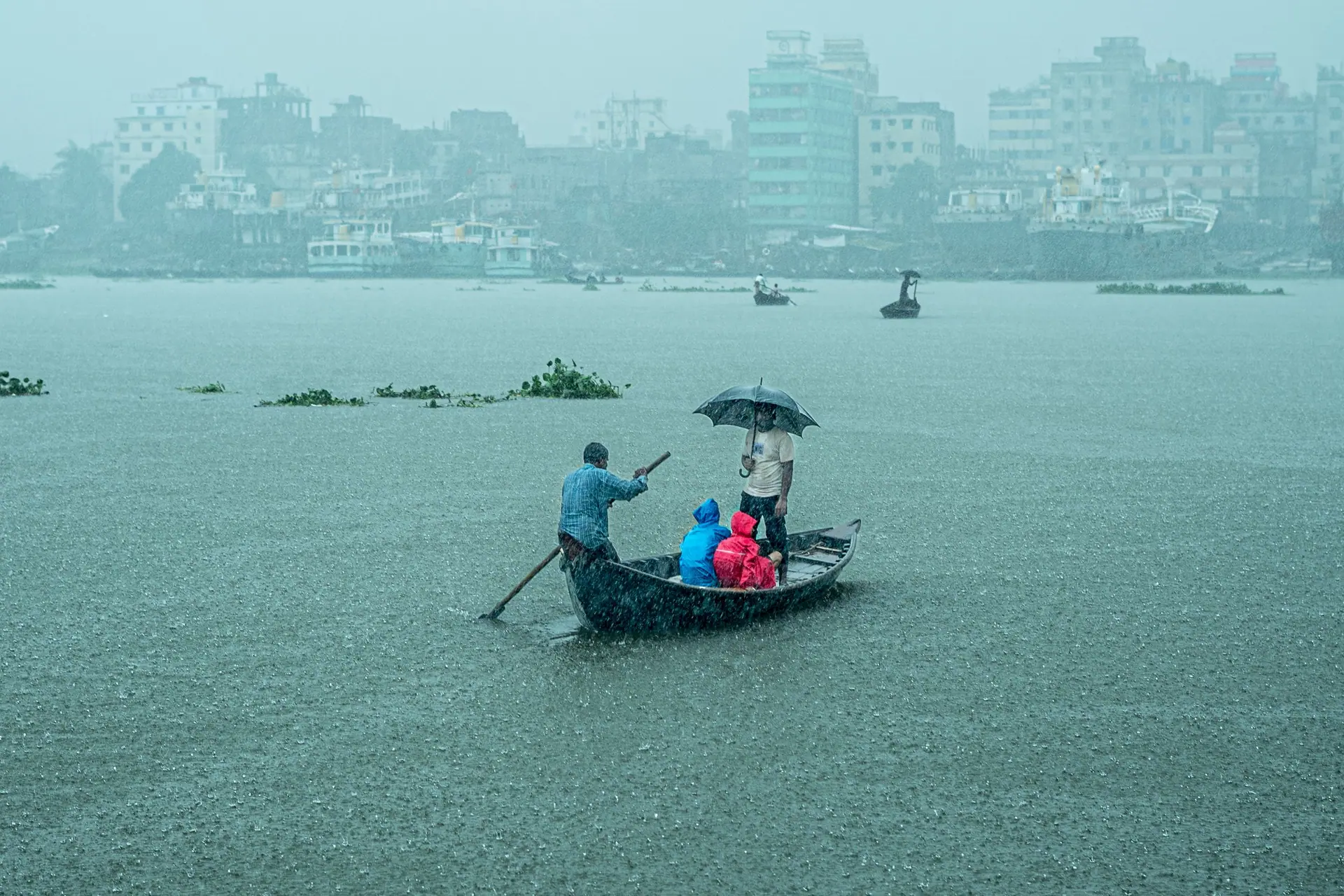
Most guidebooks send you to Bangladesh between November and February, when the air is dry and cool. That advice is sound, but it leaves out a season that locals love. From June to September the rain falls in heavy bursts, the rivers rise, the fields turn the colour of new leaves, and parts of the country look entirely different from the winter version of the same place.
The short version
- The monsoon runs from June to September, and it is the season when the swamp forest, the haors and the tea country look their greenest.
- The Sundarbans is closed to visitors from 1 June to 31 August, and the sea at Cox’s Bazar is rough, so plan the north-east and the delta instead.
- Roads, trains and launches run late in heavy rain, and landslides and floods can cut routes at short notice.
- A trip works if you keep days flexible, pack for rain and heat, protect against dengue and follow official weather warnings.
Travel in the monsoon is not for everyone. It asks for patience, a loose schedule and a willingness to be wet. But it also rewards the traveller who goes on purpose, with fewer visitors, soft light and sights that only exist when the water is high. This post is a practical case for going, with a list of what to avoid.
Why go in the rain
The practical reasons come first. The wet months are the low season, so popular places are quieter, rooms are easier to find and guides have more time. The light is soft, with long grey mornings and clear spells after a storm. Photographs taken in the first hour after rain, when the leaves shine and the clouds break up, are among the finest of the year.
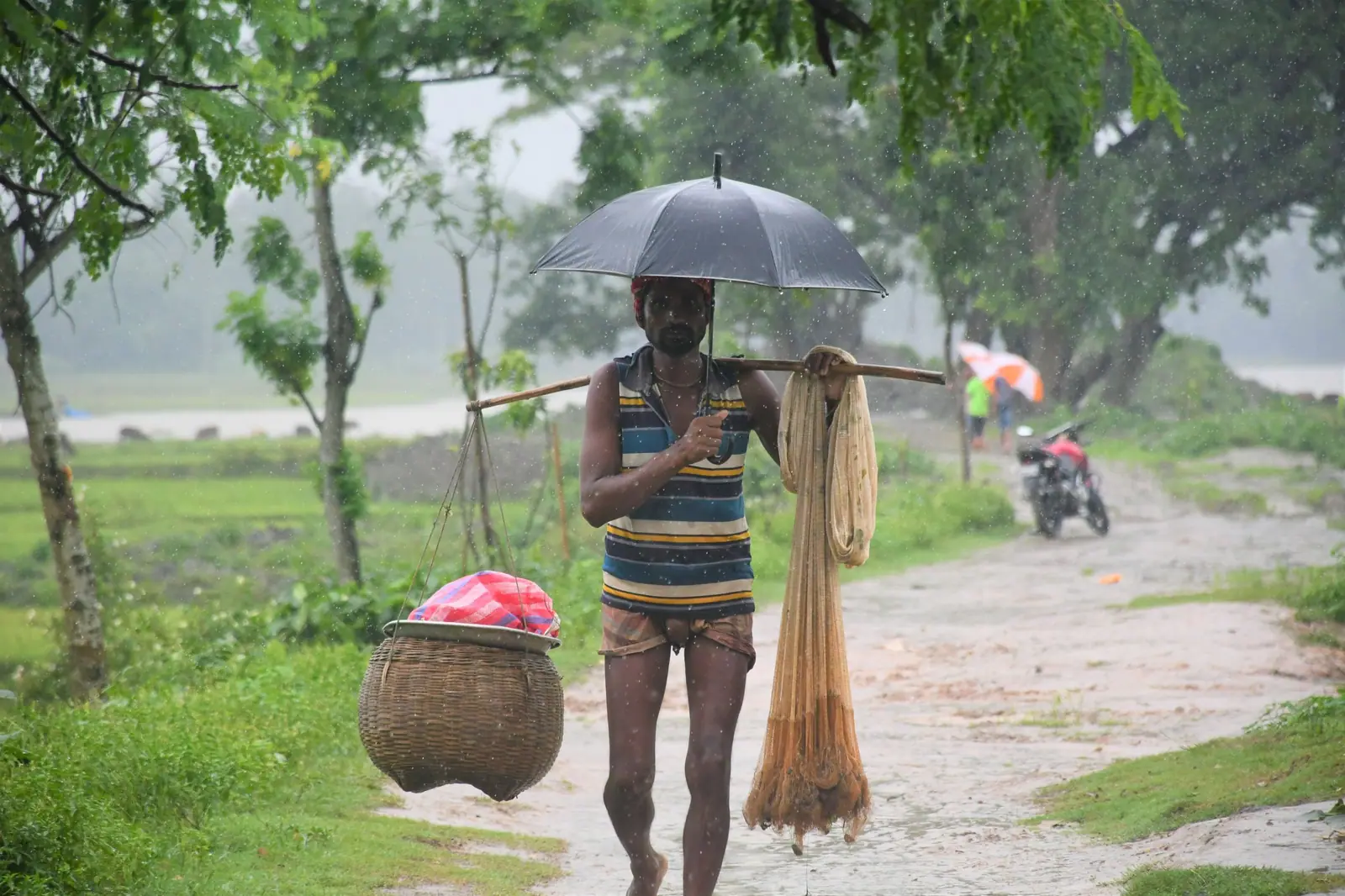
There is also food and landscape. The rice fields stand a deep, bright green and the countryside looks lush from any train window. The hilsa, or ilish, the national fish, is in season, and the northern mango harvest around Rajshahi runs from late May into July. A meal built around a fish that locals wait for all year is a good way to understand a place.
The rain is also part of life. Farmers wade through fields, children play in puddles, tea sellers shelter under tarpaulins and rickshaw hoods go up. A visitor who treats a downpour as a break, not a failure, sees more of ordinary days. Carry a small notebook, sit under an awning with a cup of tea and wait for the clouds to move on.
Where the rain helps
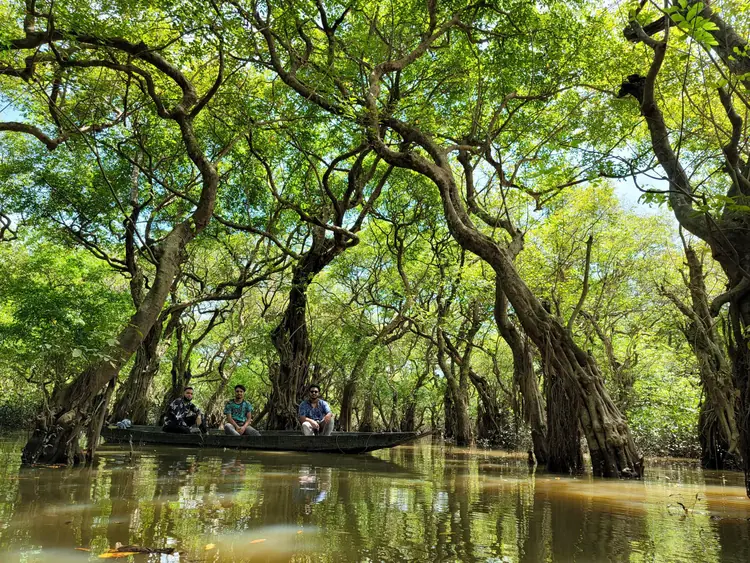
Some places only reach their full form in the wet season. Ratargul, the freshwater swamp forest near Sylhet on the Goain river, is at its fullest from July to October, when the trees stand in deep water and you move between them by small boat. In winter there is little water, and the forest is a dry walk. Check the water level with your hotel before you book.
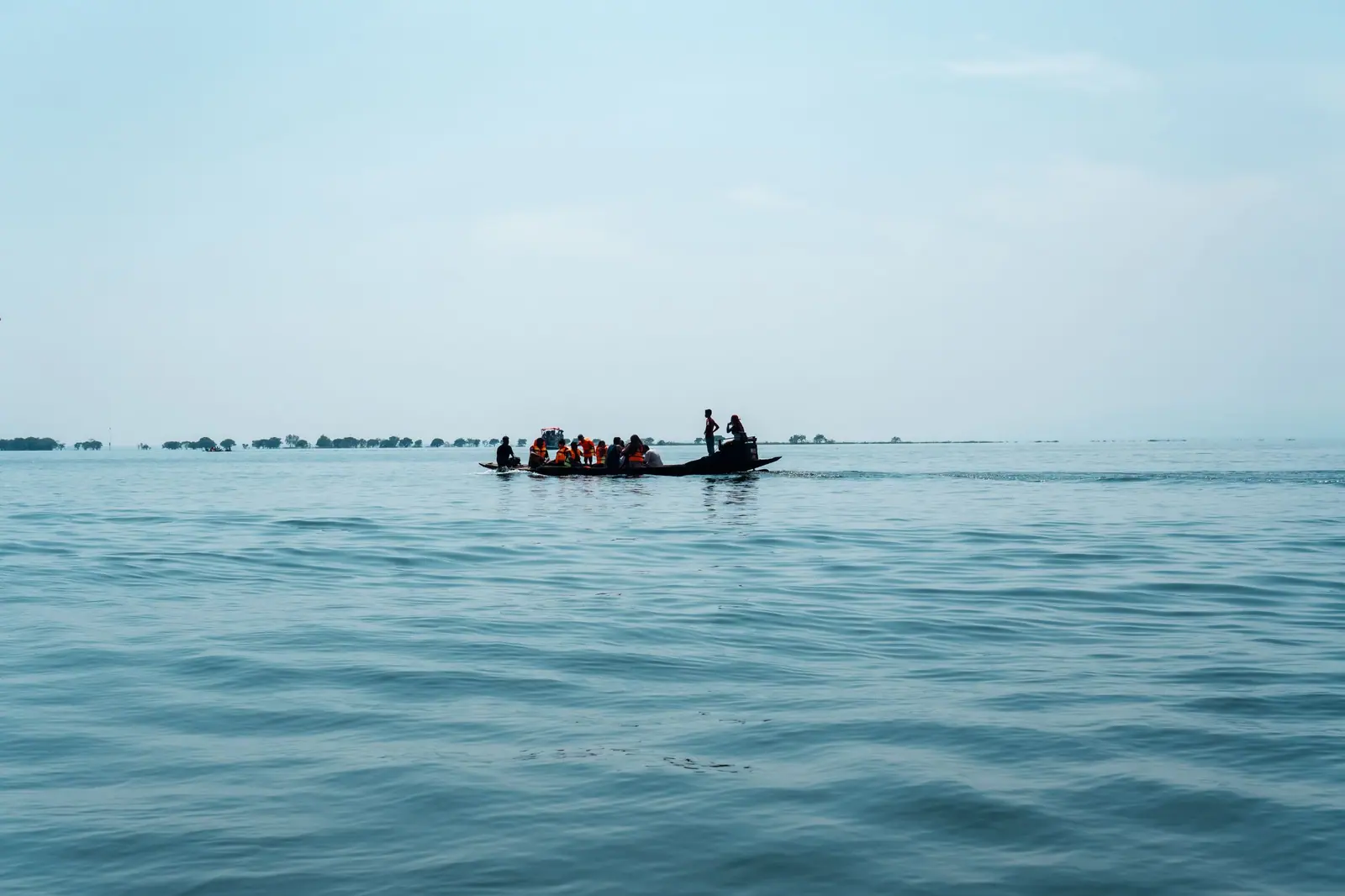
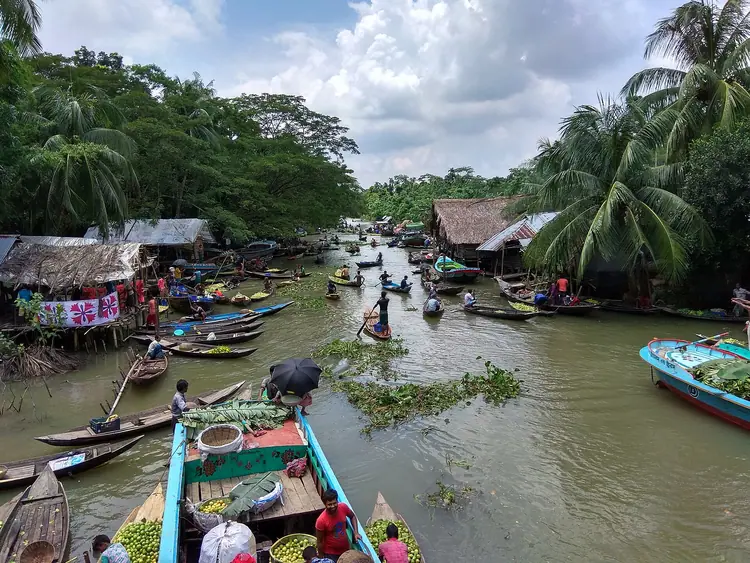
Tanguar Haor, a Ramsar site in Sunamganj, spreads into a wide, shining lake in the high-water months, with villages standing on raised ground and boats crossing the open water. The landscape is wide and quiet, and it is not easy to reach, so use a local guide. In the south, the floating guava markets near Barishal run roughly from July to September.
Tea country is greenest in the rains. The estates around Sreemangal and Sylhet look freshly washed, the hills are covered in cloud and the forest walks are rich in birds, frogs and insects. Plan walks for the morning, before the afternoon showers, and carry a light waterproof. The Sylhet and Sreemangal guide gives a base for each.
What is closed or out of reach
The Sundarbans is closed to visitors from 1 June to 31 August, for the breeding season of fish and wildlife, and it reopens on 1 September. In 2026 Karamjal, near Mongla, was an exception. Dates are set by the Forest Department and can change, so check with the operator before booking. See the Sundarbans guide for the cruise.
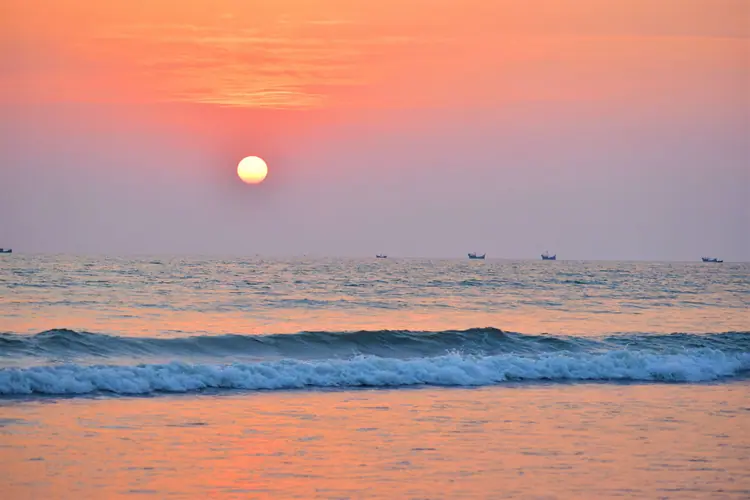
The sea is rough from June to September. At Cox’s Bazar, swimming is often restricted, boat trips may be stopped and the beach is empty of the usual crowds. Saint Martin’s Island is not open: the official season for 2026 to 2027 runs from 1 November to 15 March. Rules change each season, so check the Ministry of Environment and the Bangladesh Tourism Board.
The Chittagong Hill Tracts are harder in the wet. Roads can be slick and slow, landslides are a risk, and the UK FCDO advises against all but essential travel there, with permission needed from the district administration. Read the official advice before any plan, and do not treat the monsoon as a time to test a closed or restricted area.
What is risky
Heavy rain brings floods and landslides. Floodwater in towns can be waist-deep, roads under water can hide holes, and a short drive can become a long wait. Landslides are a risk in hills near Chattogram, Cox’s Bazar and the Hill Tracts. Never drive or walk through floodwater, and do not ignore a local warning, however calm the sky looks.
River travel needs extra care in storms. Squalls can rise quickly on the big rivers and in the delta, and small boats are the most exposed. Follow the instructions at the terminal and accept delays. The river travel guide covers the weather signals and what to look for in a vessel before you board.
Heat and humidity do not go away when the rain arrives. Between showers the air is thick, and a walk of twenty minutes can leave your shirt soaked. Drink water often, rest in the middle of the day and plan outdoor effort for the early morning. Power cuts are more likely in storms, so hotels without a generator can be hot at night, and a charged power bank is worth carrying.
Cyclones belong mainly to April to May and October to November, but a depression in the Bay of Bengal can push heavy rain across the country at any time in the wet season. Keep a flexible plan, keep your phone charged and read the official forecast each morning. A hotel desk usually knows when a road or a ferry is shut.
Month by month
| Month | What it is like | Good for |
|---|---|---|
| June | First heavy rains, hot and humid, Sundarbans closed | Mangoes in the north-west, early green |
| July | Rivers rising, long wet spells, Ratargul opens up | Swamp forest, guava markets begin |
| August | Peak water, floods possible, Sundarbans still closed | Haors, tea hills, quiet museums |
| September | Rain easing, Sundarbans reopens, guava markets | Boat trips, rice fields at full green |
| October | Easing, cyclone risk returns, festival season | Clearer light, Ratargul, early return to the coast |
June is the transition month. It is hot, the first storms arrive and some mango stalls in Rajshahi and the north-west are still selling fruit. July and August are the wettest, with flooding likely in lowlands, and they are the months when the swamp forest and haors look their finest. September is more settled, and the Sundarbans reopens on the first of the month.
Getting around when it rains
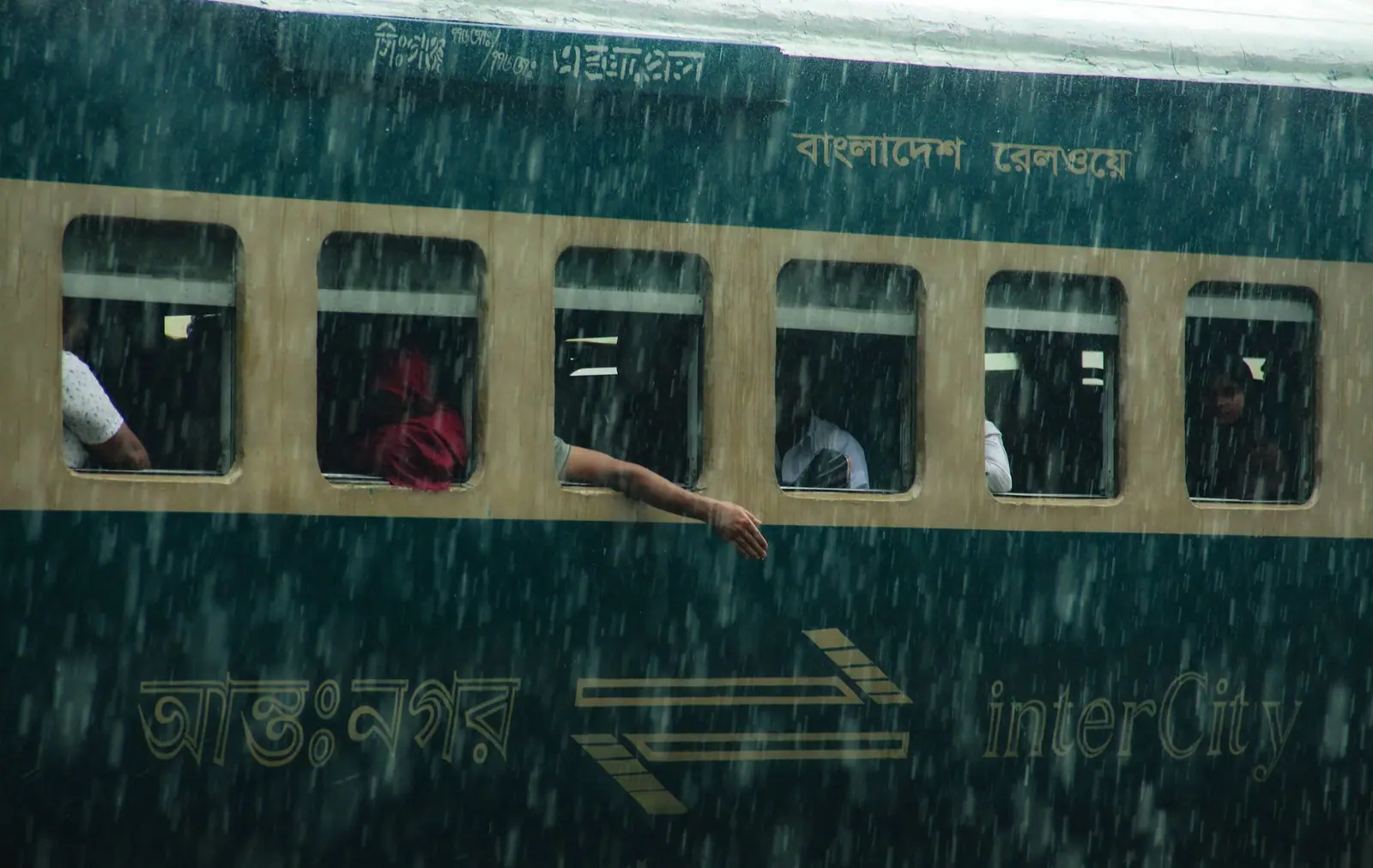
Trains and buses run, but they run late. A road that takes four hours in winter may take six or seven after heavy rain, and a rail line can be slowed by flooded tracks. Leave extra time between connections, and do not book a flight home on the same day as a long road or rail leg. See the train guide for sale windows and classes.
In cities, rain brings waterlogging. Dhaka’s streets can flood in an hour, rickshaws stand in water, and ride-hailing prices rise. Walk with a small umbrella and a pair of sandals you do not mind getting wet. If a downpour starts, wait it out in a café or a museum rather than push on, because the water recedes faster than most visitors expect.
Domestic flights can be delayed or cancelled in storms, and the airports at Sylhet and Cox’s Bazar are exposed to weather. Book flexible fares if they are offered, and plan one buffer day in the middle of the route. A day lost to weather is much easier to absorb when it was built in to begin with.
A five-day wet-season route
- Day 1 · Dhaka to Sylhet
Take a morning flight, check in and rest. Visit the shrines and the river bank in the late afternoon, and eat early.
- Day 2 · Ratargul
Go to the swamp forest in the morning with a local boatman, when the water is high. Return to town for lunch, and keep the afternoon for rain.
- Day 3 · Tanguar Haor
Make a long day trip to the haor with a guide, or swap it for Jaflong if access or water levels do not allow it.
- Day 4 · Sreemangal
Travel south and walk the tea estates and Lawachara forest in the morning, before the afternoon showers.
- Day 5 · Train to Dhaka
Take a morning train, and do not book a flight on the same day.
If the north-east does not appeal, a delta version replaces days two to four with Barishal, a morning at the floating guava markets and a night on a launch. Either way, hold a free day, keep every booking changeable and travel in the early part of the day, when storms are less likely. The seasons guide compares the months.
Health and kit
Dengue is the main health concern. It is worst in and after the monsoon, and it is spread by day-biting mosquitoes that breed in standing water. Use repellent on skin and clothing, wear long, light clothes in the evening, and sleep in an air-conditioned or screened room. Ask a travel clinic about malaria in the Hill Tracts and some border districts, and use bottled or filtered water.
Pack for rain and heat at once. A light waterproof jacket or a compact umbrella, quick-dry shirts and trousers, sandals with grip, a dry bag for the phone and passport, a spare pair of socks and a power bank cover most days. Leather shoes do poorly, and cotton jeans take forever to dry. Read the clothing guide for modest dress.
Look after your feet. Wet streets hide broken glass, and cuts take longer to heal in damp heat. Dry your shoes each evening, use antiseptic on any scratch and keep a few plasters in your bag. Food safety matters more in the hot, wet months, so choose busy stalls with fresh, hot food and avoid raw salads and ice of unknown origin.
Questions and answers
Can I still go to the Sundarbans in the monsoon in Bangladesh?
The Sundarbans is closed to visitors from 1 June to 31 August, the breeding season, and reopens on 1 September. In 2026 Karamjal near Mongla was an exception. Dates can change, so check with the operator and the Forest Department before you plan a cruise.
When is Ratargul swamp forest at its fullest in the monsoon?
From July to October, when the Goain river is high and the trees stand in deep water. In winter there is little water and the forest is a dry walk. Ask your hotel in Sylhet about the water level before you go, and use a local boatman.
Is Cox’s Bazar worth visiting in the monsoon?
It is quiet and green but the sea is rough, swimming is often restricted and boat trips may be stopped. Some hotels offer lower occupancy, and storms can interrupt a visit. If a beach is the main goal, choose the dry months instead.
How does monsoon rain affect trains and flights in Bangladesh?
Both run, but delays are common. Heavy rain can slow trains, flood roads to stations and ground flights in storms. Leave a buffer between connections, avoid same-day flights after a long road or rail leg, and keep bookings flexible where possible.
How do travellers avoid dengue in Bangladesh during the monsoon?
Use repellent on skin and clothes, wear long, light clothing in the evening, and sleep in an air-conditioned or screened room. Dengue is spread by day-biting mosquitoes that breed in standing water. See a doctor early if a fever starts.
Which parts of Bangladesh are green and good for walking in the monsoon?
The tea country around Sreemangal and Sylhet is at its greenest, with forest walks rich in birds and insects. Walk in the morning, before afternoon showers, wear shoes with grip and carry a light waterproof. Leeches can be present on forest paths.
Do floating guava markets run during the Bangladesh monsoon?
Yes. The markets near Barishal run roughly from July to September, as boats loaded with fruit gather on the canals in the morning. Go early, ask your hotel to arrange a boat and check the weather. Rain and high water can change the timing.
What should a traveller pack for the Bangladesh monsoon?
Bring a light waterproof or umbrella, quick-dry clothes, sandals with grip, a dry bag for documents, a power bank, insect repellent and a spare pair of socks. Choose modest, loose clothing, and leave leather shoes and heavy cotton jeans at home, because both dry slowly.