On this page
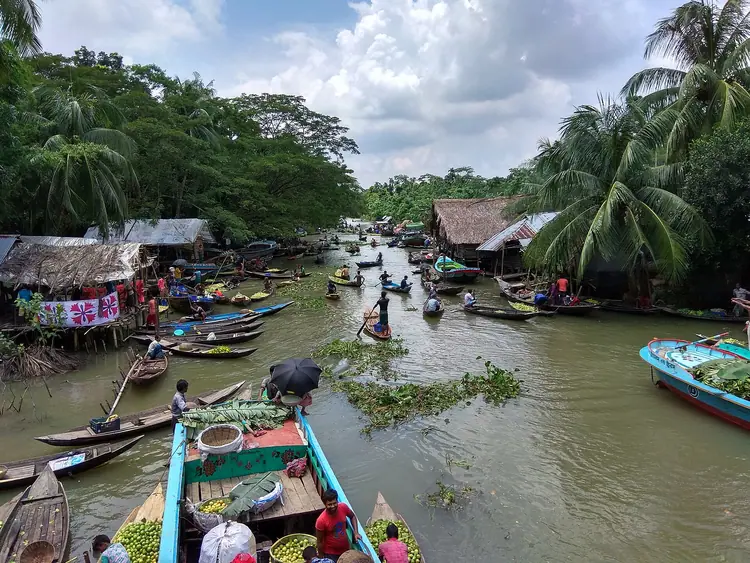
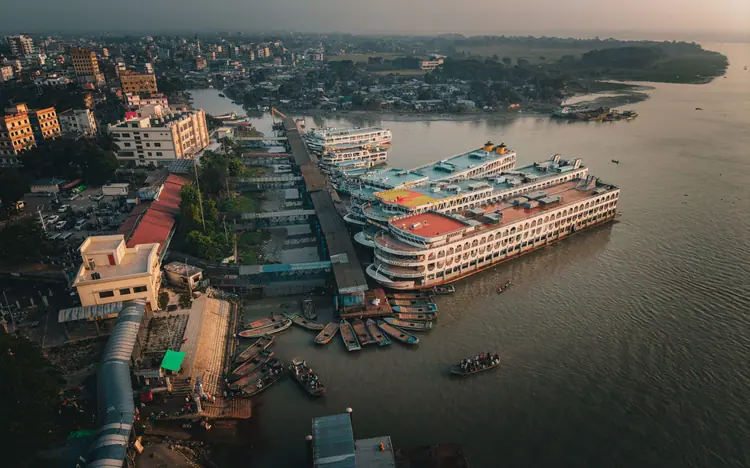
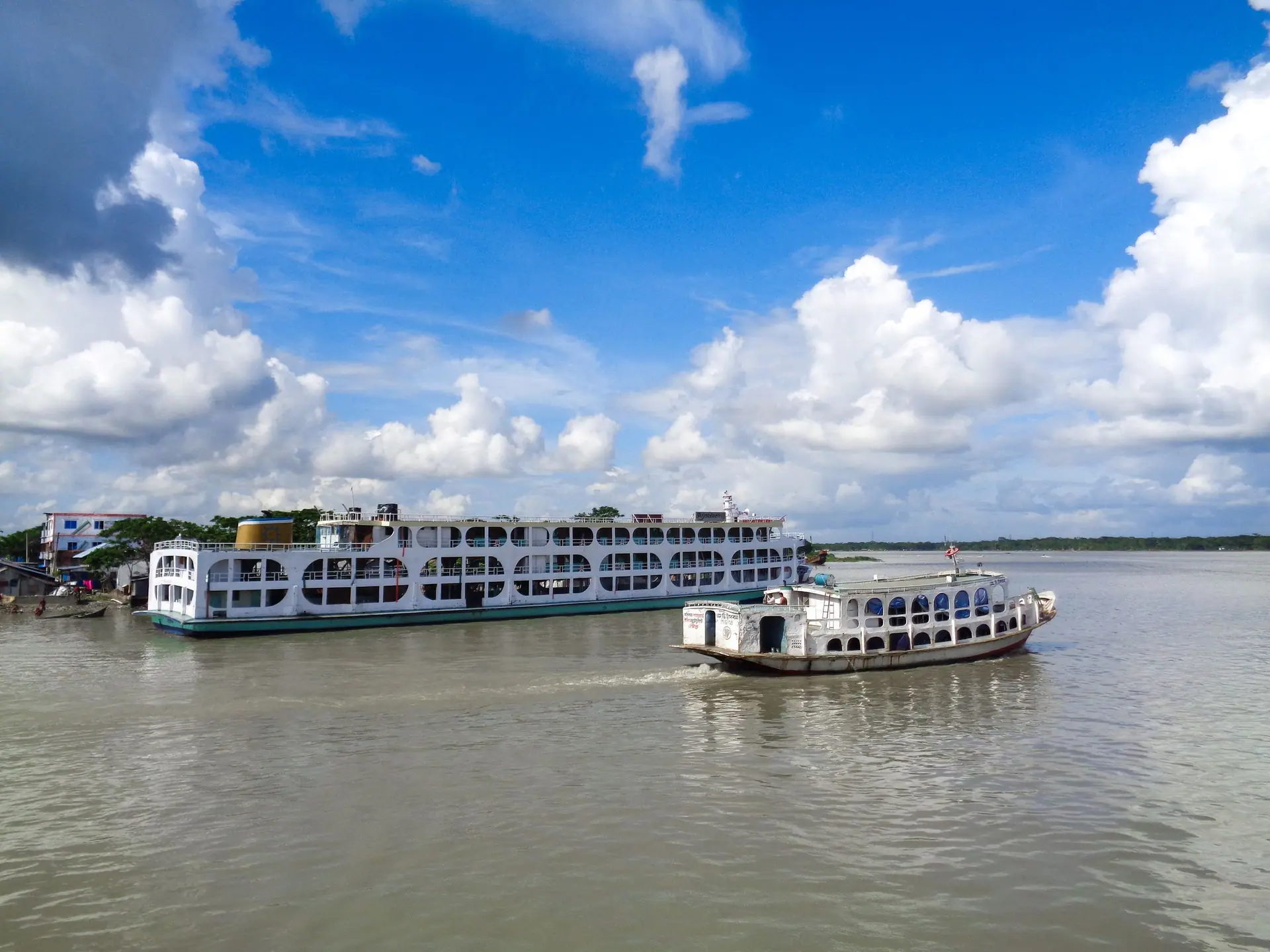
A launch is a multi-deck passenger vessel, usually painted white or green, that carries people, cargo and a surprising amount of conversation along the big rivers. It is slower than a bus over the bridge and more atmospheric than almost anything else in the country. You wake up to mist on the water, farmers loading sacks at a landing and a long, flat horizon with the light coming up behind it.
The short version
- Multi-deck overnight launches leave Sadarghat in Dhaka for Barishal and other southern river ports, and they run less often than before the Padma Bridge opened.
- Cabins range from open deck space to private rooms, and the right choice depends on how much sleep and privacy you want.
- A restored paddle steamer began weekly tourist trips between Dhaka and Barishal in November 2025, but check whether it is still running before you plan around it.
- Never board an overcrowded launch or sail in a storm, and let the official signals and the terminal staff set your departure.
River travel has changed. The Padma Bridge, open to road traffic since 25 June 2022, made the road to the south faster, and many travellers now take the bus. Fewer launches sail than before, but they still run, and for a visitor a night on the water is one of the most memorable ways to cross the delta. The rest of this guide covers the practical side.
How river travel works
Inland water transport is overseen by the Bangladesh Inland Water Transport Authority, or BIWTA, which runs river ports and regulates passenger vessels, and the state corporation BIWTC, which operates ferries. Private companies run most of the big launches, and the vessels differ in age, comfort and safety record. Official information is on biwta.gov.bd.
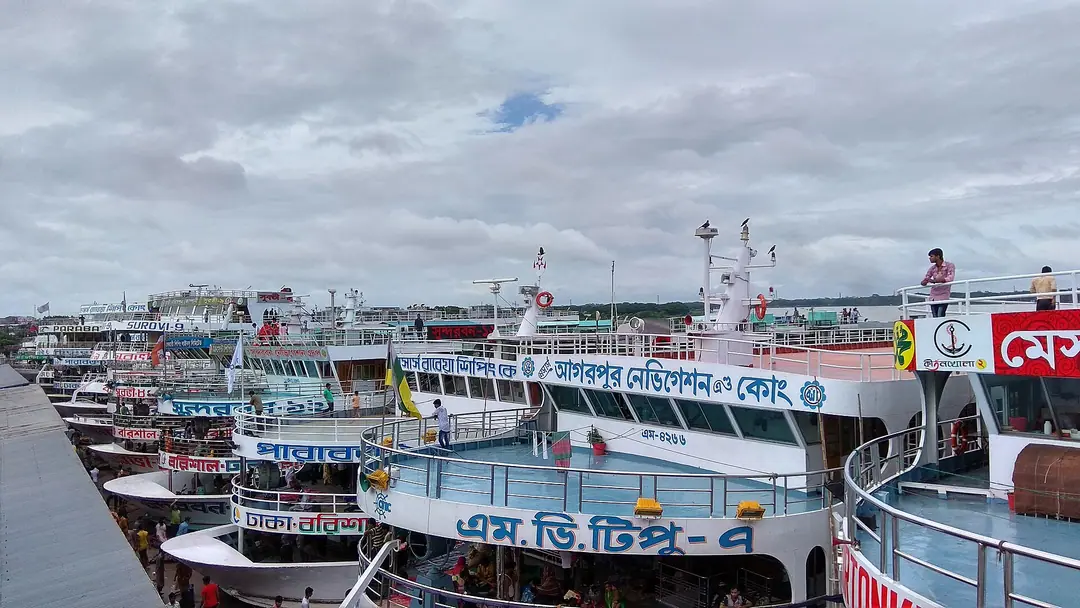
Most launches are overnight services. They leave the terminal in the evening, travel through the dark and arrive at the destination port in the morning, with the exact departure and arrival times changing by company, season and tide. Do not rely on a printed schedule from an old guidebook. Ask your hotel to confirm with the ticket counter, or visit the terminal in person a day or two earlier.
Launches serve ports across the south and south-west of the country. From Dhaka, the most familiar run goes to Barishal, and others reach Bhola, Patuakhali and smaller towns on the Meghna and the southern rivers. Barishal is the usual doorway to the delta, and from there you can continue by road to Kuakata or by small boat to the canals and orchards nearby.
Cabin types
Cabins are the first decision. Names and fittings vary by vessel, but most launches offer the same four levels. If you can only take one piece of advice from this guide, it is to book a cabin rather than deck space on your first overnight trip. A door that locks and a bunk that is yours make the night easier, especially for travellers with a bag to look after.
| Type | What you get | Who it suits |
|---|---|---|
| Deck | Open floor space shared with other passengers | Short daytime hops, travellers on a tight schedule |
| Single cabin | A small room with one or two bunks and a fan | Solo travellers on a night run |
| Double cabin | A larger room with two beds, often a window | Couples, friends, travellers with luggage |
| Special or VIP cabin | A private room, often with an attached bathroom and air-conditioning | Light sleepers and anyone wanting calm |
Check the fittings on the vessel you are boarding rather than the name of the class. A cabin on one launch may have a fan and a shared washroom, and on another it may have air-conditioning and a private bathroom. Ask to see the cabin or a photo before paying. On the cooler winter nights, a cabin on the upper deck can be breezy, so bring a light layer.
Buying a ticket
Tickets are sold at the terminal counters, through agents in Dhaka and increasingly through online sellers. A hotel desk or a local friend can often buy on your behalf. Ask for the ticket to show the vessel name, the date, the cabin number and the boarding time. Keep it until you disembark, because staff and security often ask to see it on board and at the gate.
Book ahead for weekends and holidays. Launches fill rapidly before the two Eids, when large numbers of people travel home to the south, and a cabin that was available on Monday can be gone by Thursday. The Ramadan and Eid guide covers how that rush works. Outside holidays, a cabin the day before is often possible, but not certain.
Fares change with the cabin, season and company, so this guide does not quote them. Compare two or three offers, ask what is included, and confirm whether meals are sold on board. Pay only at an official counter or to a person your hotel recommends, and ask for a receipt. Avoid anyone who approaches you on the street with a cabin offer.
Boarding step by step
- 1 · Reach the terminal early
Arrive at Sadarghat at least an hour before departure. The approach is crowded, and a rickshaw or a car may stop some distance from the gate.
- 2 · Find your vessel
Launches are moored side by side. Ask staff or the ticket counter to point to the right one, then match the name on your ticket.
- 3 · Cross the gangway
Planks and boards link the boats, with porters passing bags overhead. Hold the rail, keep one hand free and go slowly.
- 4 · Locate your cabin
Check the number, the door lock and the window. Keep your ticket handy, as attendants often confirm the cabin allocation.
- 5 · Walk the deck
Note where the exits, life jackets and toilets are, before the launch is moving and the light is gone.
- 6 · Settle in
The launch usually departs after the evening rush at the terminal. A hot tea from the deck sellers helps, and so does a quiet corner at the rail.
Keep valuables in a small bag that sleeps with you. Cabin doors lock, but a launch is a busy place with crew and passengers moving about all night. Bring water, a few snacks, a torch, and a flat sheet or a sarong for the bunk. Mosquitoes follow the river, so repellent is useful, and a small towel and tissue are worth having for the shared washrooms.
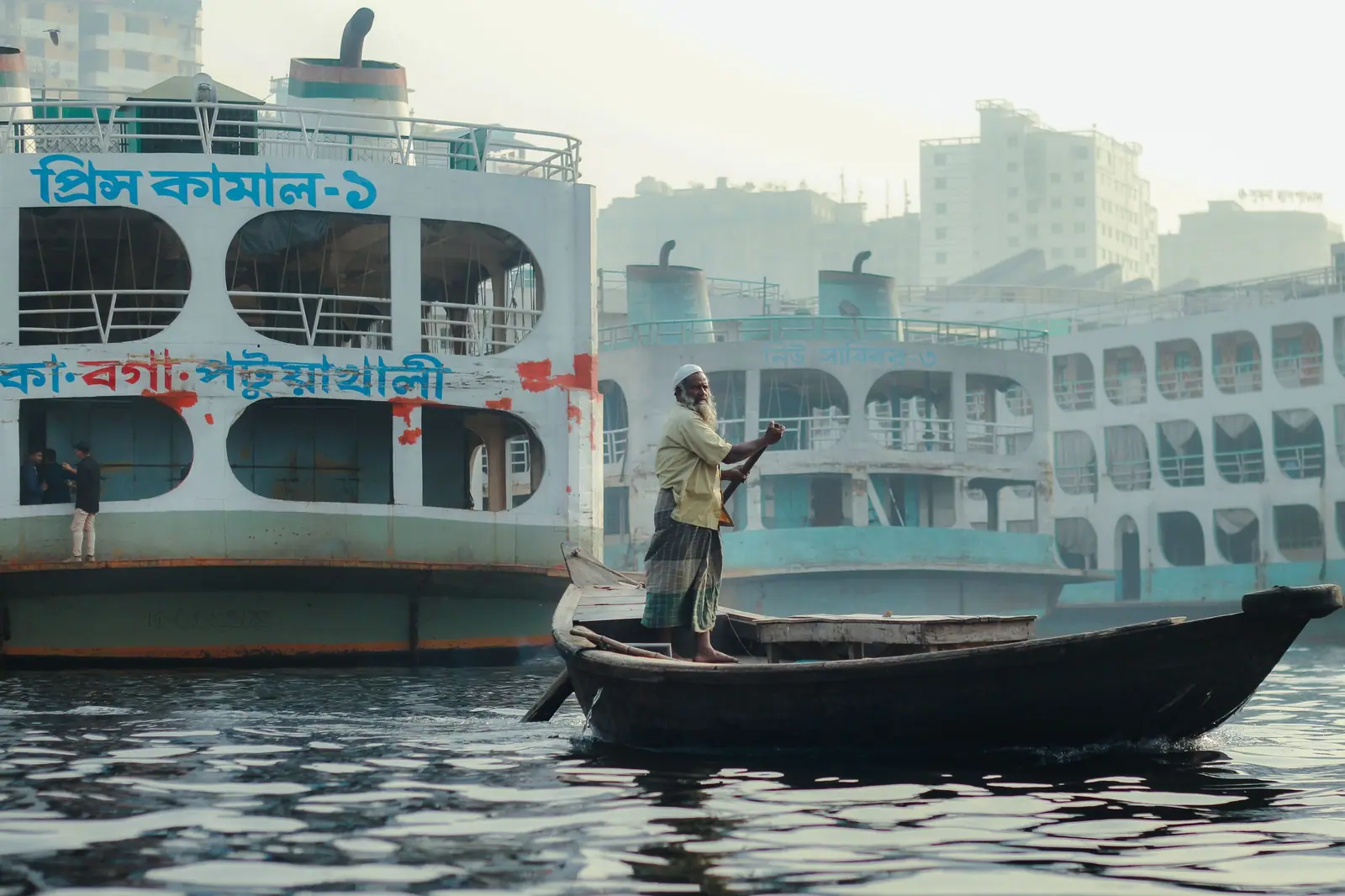
The paddle steamer
The old paddle steamers of the river fleet are a piece of living history. One of them, PS Mahsud, was restored and began weekly tourist trips between Dhaka and Barishal in November 2025. These services are designed for travellers rather than commuters, and they give the slow, old-fashioned experience of a wooden-decked vessel, with an itinerary that often includes meal service and stops.
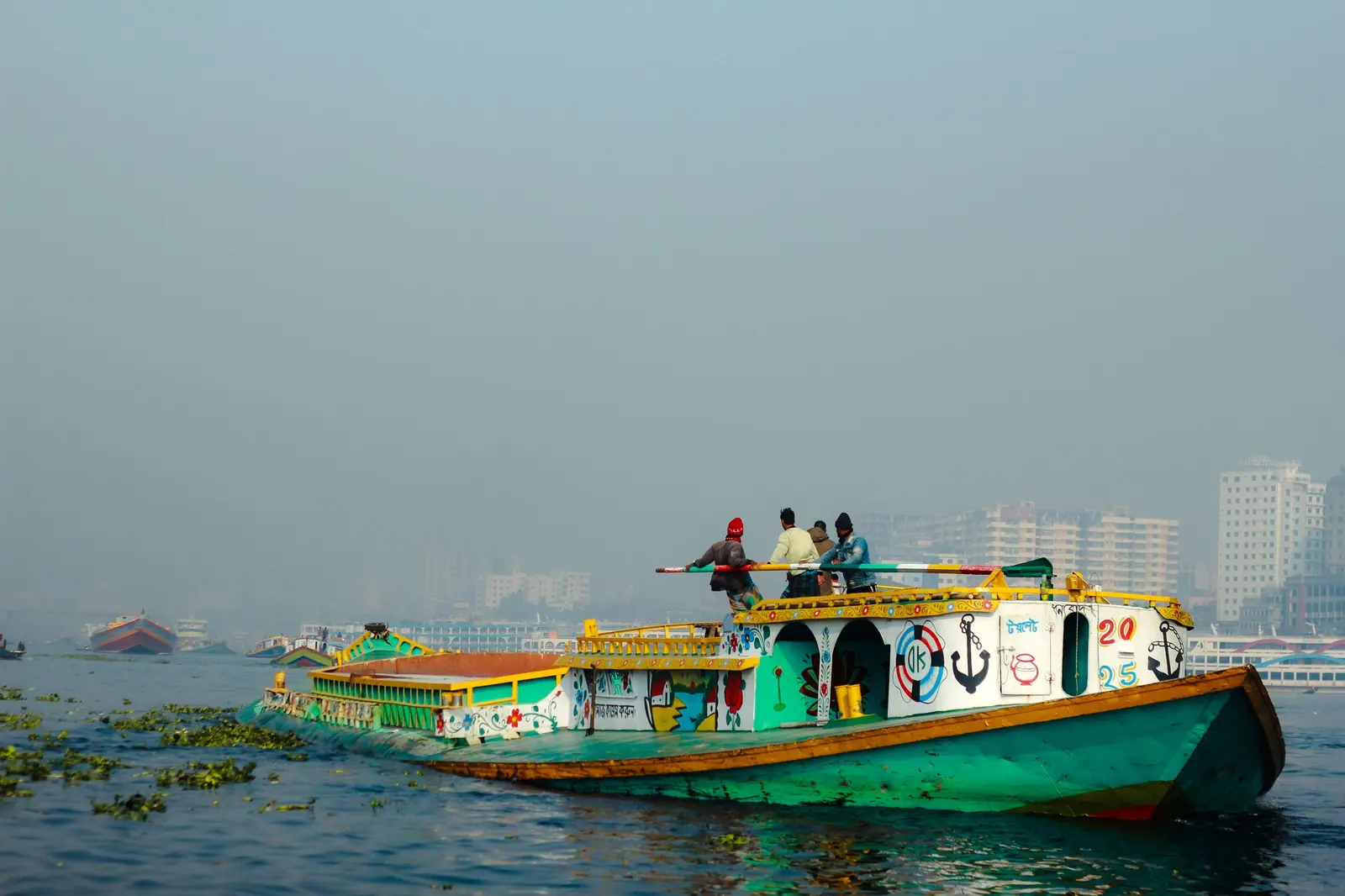
Whether the steamer is running at any given time depends on the season, water levels, maintenance and demand, so confirm before you plan a trip around it. Check with BIWTA, the operator, or a travel agent who handles river bookings. If the tourist service is not on, an ordinary overnight launch gives much of the same river atmosphere, with less polish and more local company.
Day launches and car ferries
Not every river trip is overnight. Day launches connect Dhaka with nearby ports such as Chandpur, where the Padma and the Meghna meet before flowing to the Bay of Bengal. These services are useful if you want a taste of the river without losing a night, and they suit travellers heading on towards the south-east by road or rail.
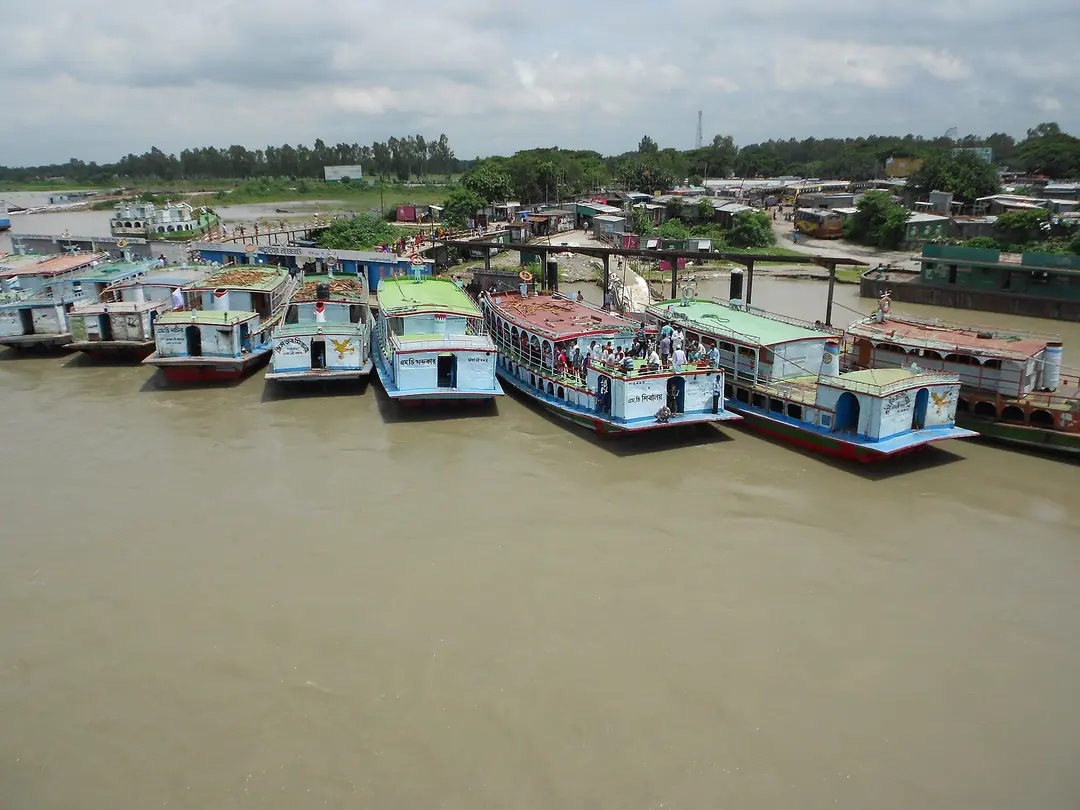
Car and bus ferries still link places that no bridge reaches. One long-running crossing is at Paturia, on the big rivers west of Dhaka, where vehicles and passengers cross together. Services depend on water levels, weather and queues, and a short crossing can stretch into a long wait. If you are in a hired vehicle, ask the driver about the day’s conditions before you set out.
Smaller crossings are served by country boats and engine-driven dinghies, called nouka and trawlers in everyday speech. Sit near the middle, keep your weight low, and ask for a life jacket where one is offered. Most river crossings are short and uneventful, but small boats are the ones most affected by sudden wind, so check the sky before you push off.
Weather and safety
Rivers in Bangladesh can change in an afternoon. Squalls, called nor’westers, build in April and May, and the monsoon months from June to September bring strong currents and high water. Cyclones in the Bay of Bengal are a risk in April to May and again in October to November. The Bangladesh Meteorological Department posts warnings at bmd.gov.bd.
Check the vessel before you commit. A sound launch has clear exits, working lights and a crew that looks organised. If a vessel is carrying many more passengers than it has seats or cabins, or the deck looks piled with cargo, find another boat or another day. Rely on local advice at the terminal and on the official signals, not on a schedule or a friend’s plan.
After the Padma Bridge
The Padma Bridge shortened the road from Dhaka to Barishal to a matter of hours, roughly three and a half to five by road, and Dhaka to Kuakata to around six to eight hours. The old ferry crossings at Mawa and Shimulia that once took a day have been replaced for most travellers by a drive over the bridge. Passenger numbers on the big launches fell as a result.
What remains is a different offer. The launch is no longer the fastest route, and it is no longer the only one, but it is still the most scenic. It also lets you see how river towns work at dawn, with markets setting up, boats unloading and the water busy long before the roads. For a delta trip, it is worth a night. The monsoon guide covers the wet season.
When to choose the river
Choose the river when the journey is part of the point: you are not in a hurry, you want a cabin night in place of a hotel, and the weather is settled. The dry season, from November to February, is the most comfortable, with calm water, cool nights and clear light. Fog can delay departures on winter mornings, so leave a day of slack on either side.
Choose the road when time is short, when a storm is forecast or when you travel with a very young child or an older relative who would find cabin stairs hard. The bridge makes the bus or a hired car with a driver a sensible choice. Compare the options in the transport guide, and note that there is no railway to Barishal or Kuakata, so the train guide will not help there.
Questions and answers
How do overnight river launches from Dhaka to Barishal work?
The launch leaves Sadarghat in the evening, travels through the night and arrives at Barishal in the morning. You book a cabin or deck space, board at the terminal an hour or so before departure, and sleep on board. Times vary by company and tide, so confirm with the ticket counter.
Which cabin should a first-time passenger book on a river launch in Bangladesh?
A cabin with a door that locks is the safest choice for a first overnight trip. A single cabin suits one traveller, a double suits two, and a special or VIP cabin adds comfort and often air-conditioning. Ask to see the cabin or a photo before paying.
Can tourists ride the paddle steamer on the Dhaka to Barishal river route?
A restored paddle steamer, PS Mahsud, began weekly tourist trips between Dhaka and Barishal in November 2025. Whether it is running depends on season, water levels and demand, so check with BIWTA, the operator or a travel agent before you build a plan around it.
Is it safe to take a river launch in Bangladesh?
Many people travel by launch every day, but safety depends on the vessel and the weather. Avoid any launch that looks overcrowded, do not sail in a storm, find the life jackets and exits on boarding, and follow the terminal’s instructions. Official advice is on the BIWTA site.
Do launches still run now that the Padma Bridge is open?
Yes, but less often than before the bridge opened in June 2022. Overnight launches still leave Sadarghat for Barishal and other southern ports. Check the current services with the terminal or a local agent, because routes and frequencies have changed with road traffic.
Can a visitor buy a river launch ticket without speaking Bangla?
Yes. Many hotels in Dhaka will buy a ticket for you, and agents near the terminal handle foreign visitors. Write down the date, the destination and the cabin type, and ask for a ticket that shows the vessel name. Pay at the counter or to a person your hotel trusts.
What should I pack for a night on a Bangladesh river launch?
Bring a small day bag for valuables, water, snacks, a torch, insect repellent, a light layer for the open deck and a flat sheet or sarong. Tissue and hand gel are useful in shared washrooms. A power bank helps, because charging points in cabins can be unreliable.
Is the river better than the bus for reaching Barishal?
The bus over the Padma Bridge is faster, usually a few hours. The launch takes the whole night but gives you a cabin bed, a river dawn and a slower view of the delta. Choose the river when time is not tight and the weather is settled.