On this page
Ramadan is the ninth month of the Islamic calendar, a month of fasting from dawn to sunset. In Bangladesh, a majority Muslim country, it shapes everything from meal times to office hours, and it ends with Eid al-Fitr, the biggest holiday of the year. A second festival, Eid al-Adha, follows about two months later. A visitor does not need to fast, but the month is easier if you know what changes.
The short version
- Ramadan is expected to begin around 8 to 9 February 2027, Eid al-Fitr around 10 March and Eid al-Adha around 16 to 17 May, but each date depends on the moon.
- Daylight hours are quieter and evenings are lively, so plan sightseeing in the morning and book dinner for after sunset.
- The days before the two Eids bring the biggest transport rush of the year, and tickets and rooms are scarce.
- Travel in these periods is rewarding if you keep dates flexible, book early and follow local customs with courtesy.
Travelling in this window can be a pleasure. Evenings are social and food-led, the call to prayer carries across the cities at dusk and families gather to break the fast together. It can also be frustrating if you arrive unprepared, with closed daytime cafés, a packed train and no hotel room. This guide is built to help you pick the version of the trip you want.
Dates and the moon
The Islamic calendar follows the moon, so each festival moves about eleven days earlier against the Gregorian calendar every year. Ramadan 2027 is expected to start around 8 to 9 February. Eid al-Fitr is expected around 10 March 2027, and Eid al-Adha around 16 to 17 May 2027. Treat those as planning estimates, not fixed dates.
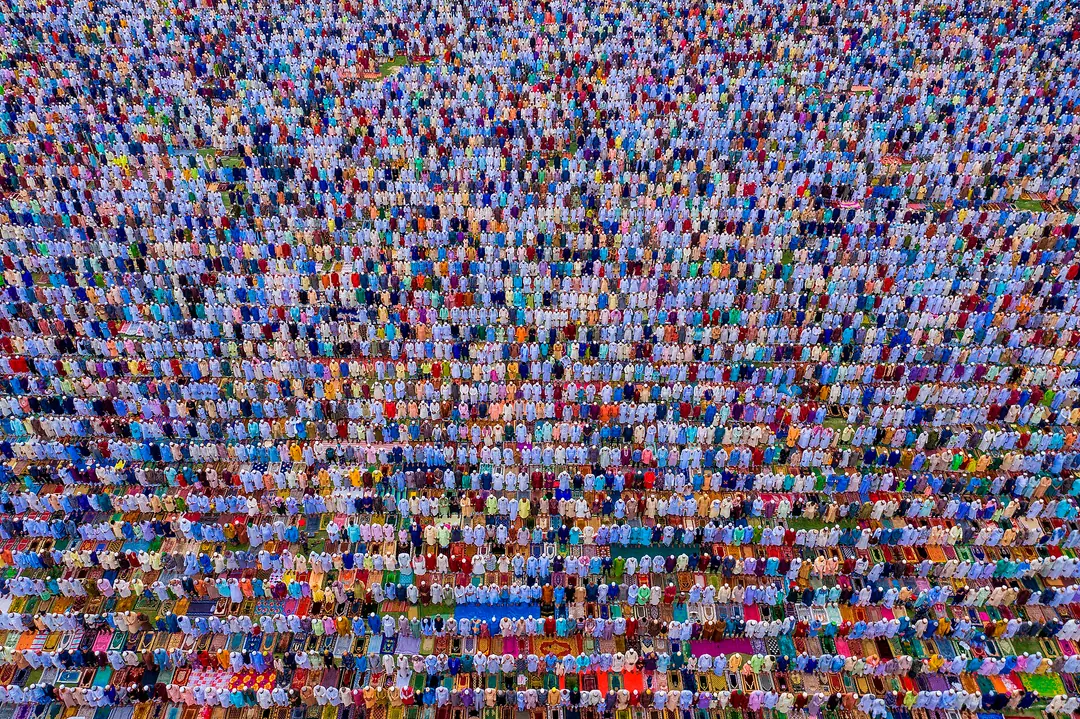
The actual start depends on sighting the new moon. In Bangladesh, a national moon-sighting committee meets and announces the result on the evening before, and it may differ by a day from Saudi Arabia or India. The announcement is carried on television, radio and news sites. If your plans hinge on a single day, leave room on both sides, because the holiday can begin a day earlier or later than a printed calendar says.
The government sets the public holidays around each Eid, and the length of the break changes from year to year. Treat any figure you read online as provisional, and check with your hotel or with the Bangladesh Tourism Board at tourismboard.gov.bd as the date approaches. A short Eid break can mean a week of closed offices, so read the next sections before you book.
How the day changes
Ramadan days start early. Families rise before dawn for sehri, the meal before the fast, and many people sleep again after the dawn prayer. Mornings are quiet, and streets are calm in the early afternoon. From about mid-afternoon the cities begin to stir, as people shop for iftar and head home, and by sunset the traffic is at its heaviest of the day.
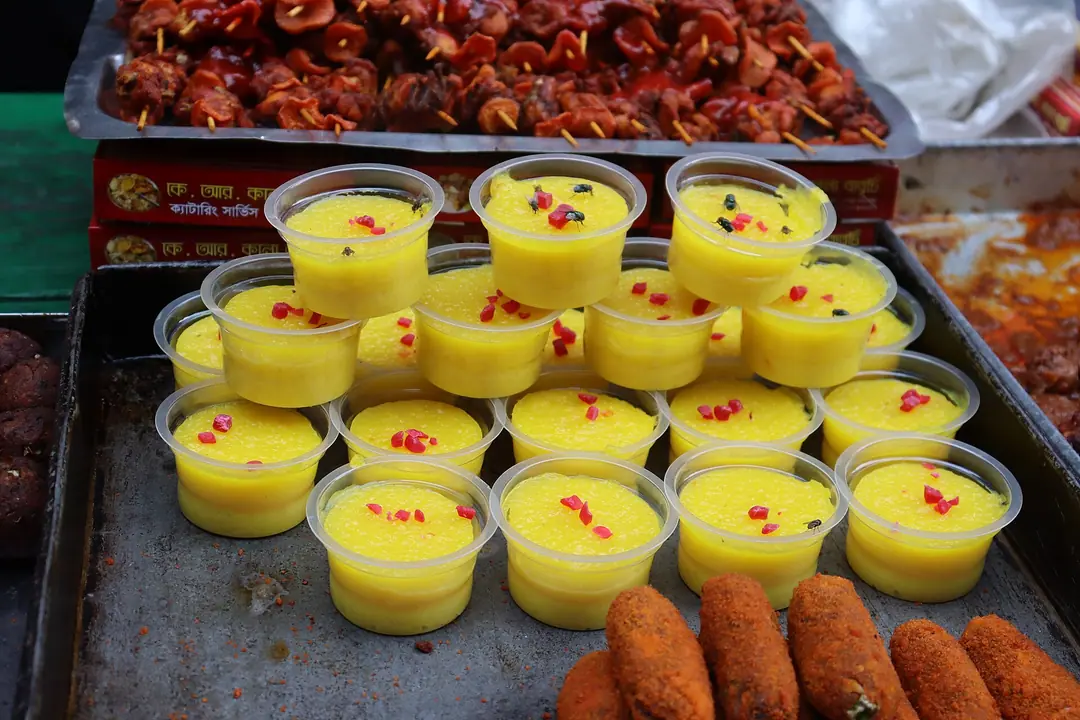
Iftar, the meal that breaks the fast, is taken at sunset. The call to prayer signals it, and for a few minutes before it, roads empty and the whole country seems to hold its breath. Then the cafés, street stalls and homes fill up. Late evenings are lively, with shops open longer than usual, and some people stay up until the pre-dawn meal.
Energy is lower in the afternoons, especially in the hot months when the fast is long and the weather heavy. Do not plan a tight schedule for a day. If you visit a government office, a bank or a museum, go in the morning, because hours are shorter and staff are more stretched later in the day.
Eating and drinking in daylight
Visitors who are not Muslim are not expected to fast. Even so, eating and drinking openly in front of people who are fasting is considered discourteous, and many daytime restaurants close or screen their windows. Hotels serve guests throughout the day, usually in a dining room away from public view, and some convenience shops and bakeries stay open.
The practical solution is to eat your main meals at the hotel, carry water and a snack in your bag, and take a quiet moment indoors for a drink. Do not walk down a street with a drink in your hand. In larger tourist areas and in international hotels, rules are looser, but a modest approach is always appreciated.
If you want to try fasting for a day, you will find that Bangladeshi friends and hosts are warm about it. They may invite you to share iftar, which is a generous gesture. Accept, if you can, and arrive a little before sunset. Bring something small to share, such as fruit or sweets, and wait for the call to prayer before you start. The food guide explains the dishes.
Iftar markets and opening hours
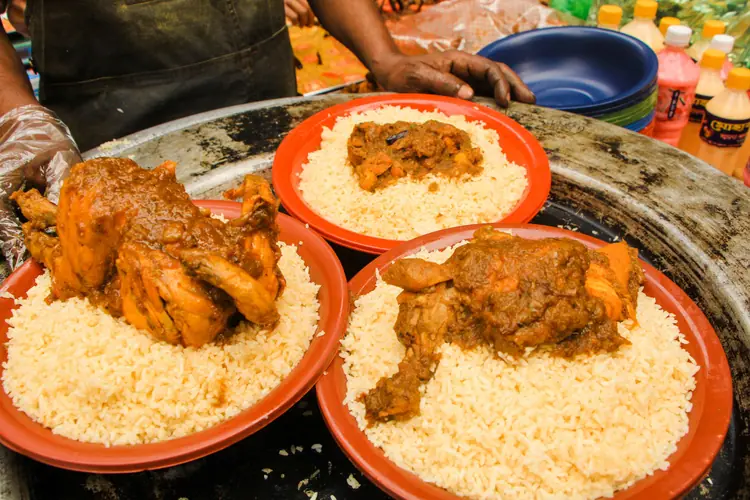
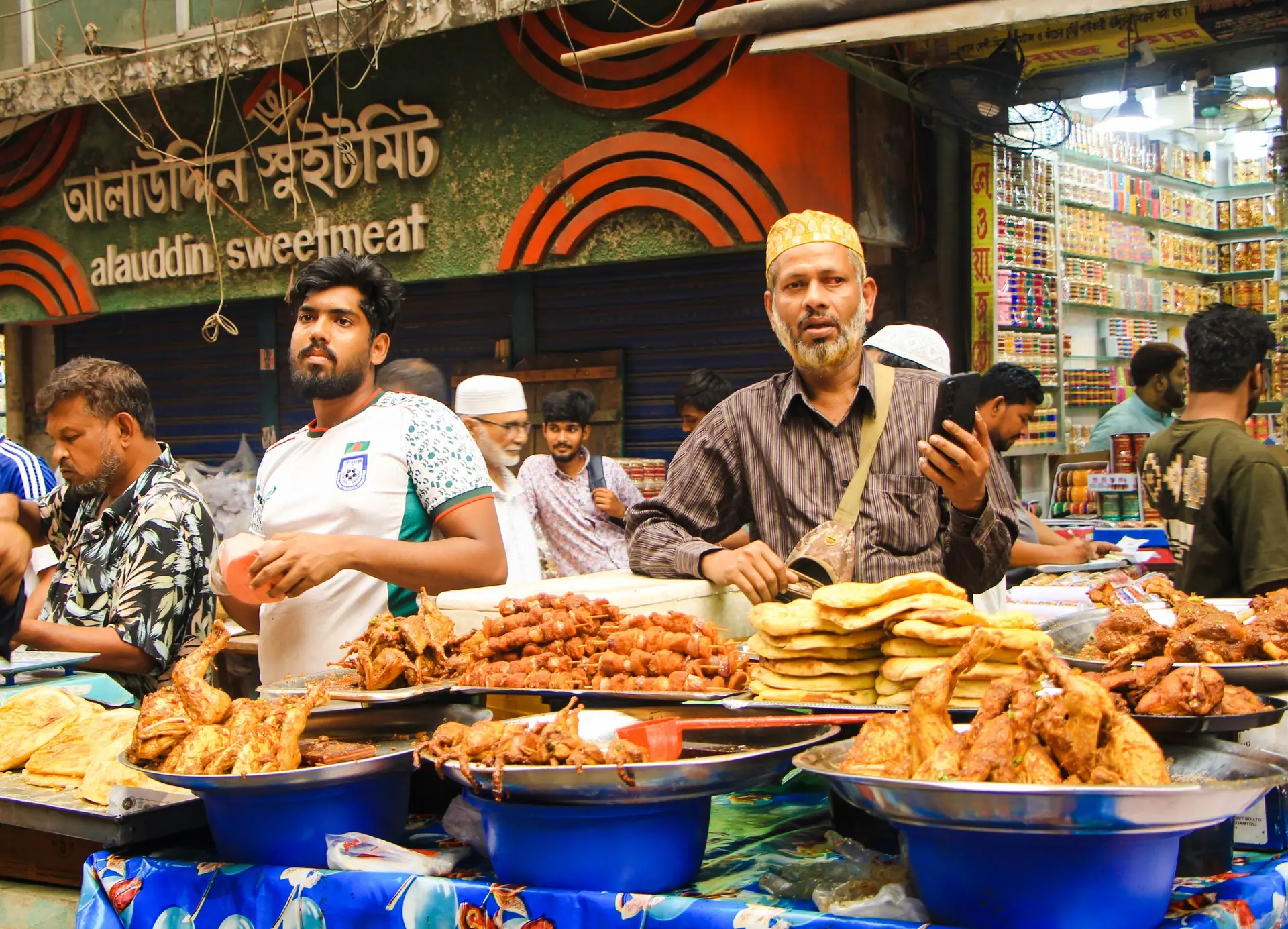
The most memorable part of Ramadan for many visitors is the iftar market. In Old Dhaka, the lanes around Chawkbazar fill every afternoon with stalls selling fried snacks, sweets, rice dishes, meat and drinks, and by sunset the crowd is dense. Smaller versions appear in many towns. Food is cooked in the open and sold by the portion, and nobody eats until the call to prayer.
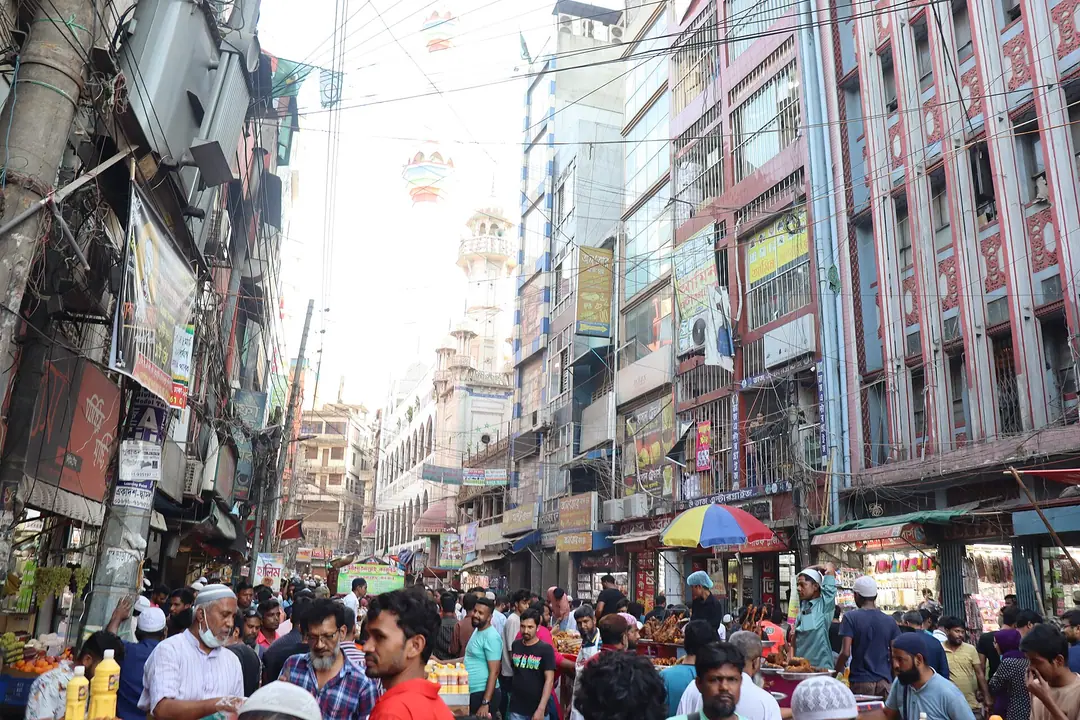
Typical items include crisp fried snacks such as beguni and piyaju, chickpea and puffed rice mixes, jilapi, haleem, kebabs and cups of sweet, creamy firni. Many dishes are fried, rich and salty, and the stalls are crowded, so start with a few portions and drink bottled water. Go with a local friend or a guide on your first visit, and arrive before sunset to find a place.
Crowds are large and pickpockets work the lanes, so carry only what you need, keep a phone in a front pocket and avoid a large camera bag. Ask before photographing a person at a stall. Combine the market with the Old Dhaka heritage walk by doing the sights in the morning and the market in the late afternoon.
Many attractions shorten their hours in Ramadan, and some close for the Eid holidays. Museums, forts and palaces can change their schedule from one year to the next, so confirm by phone through your hotel before you go. In general, morning is the right slot for outdoor sights, while the late afternoon is the time to be where food is being sold.
Shops in the cities often open later in the morning and stay open late into the night, especially in the final week when people shop for Eid. Pharmacies and hospitals stay open. Intercity buses and trains run, although some drivers and staff are away for the holiday. Hotels with restaurants continue as usual, but smaller guesthouses may have limited kitchen staff.
The Eid rush on the roads and rails
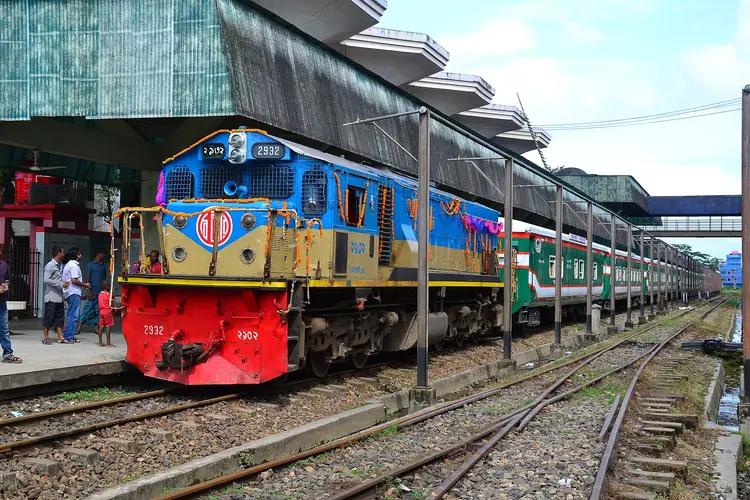
In the days before Eid al-Fitr and Eid al-Adha, a very large number of people leave Dhaka to spend the holiday in their home districts. Bus stations, rail terminals and launch ports fill, and the roads out of the capital can slow to a crawl. Tickets are released early, often with special sale dates, and the popular ones disappear within hours.
If your trip overlaps, book as early as the system allows. The train guide explains the sale window and how to buy, and the river travel guide covers launches, which also fill. After the holiday, the flow reverses, and the days that follow are crowded in the other direction, so avoid a return on the first working day.
Domestic flights also fill, and fares rise. If you want to fly during the rush, book as soon as your dates are known, and keep a flexible plan. An alternative is to travel in the middle of Ramadan, before the rush, when the roads are normal and the atmosphere is calm. A trip that starts after the Eid holiday has ended is another option, with quiet roads and returning staff.
Dhaka at Eid and Eid al-Adha customs
Dhaka changes character at Eid. A city that is normally gridlocked empties, the traffic thins, the usual noise drops and many shops close for several days. For a visitor who stays, it can be the calmest time to see the capital, with clear roads and open skies, although restaurants and some sights may be shut. Hotel dining rooms and a few large malls stay open.
Eid al-Fitr starts with the morning prayer, held in mosques and large open grounds, and then families visit each other. The night before, called chand raat, is a time for shopping, henna and street crowds. Eid al-Adha centres on the sacrifice of an animal, and in the weeks before it, temporary cattle markets appear across Dhaka and the towns, and trucks bring animals in from the districts.
On the day of Eid al-Adha, animals are sacrificed in neighbourhoods and the meat is shared between family, neighbours and the poor. The streets can be messy, and the sights are not for everyone. If you are sensitive to them, stay in a hotel in a quieter district, and avoid wandering into residential lanes during the sacrifice. Do not photograph the rites without permission.
Beaches and resorts at holiday time
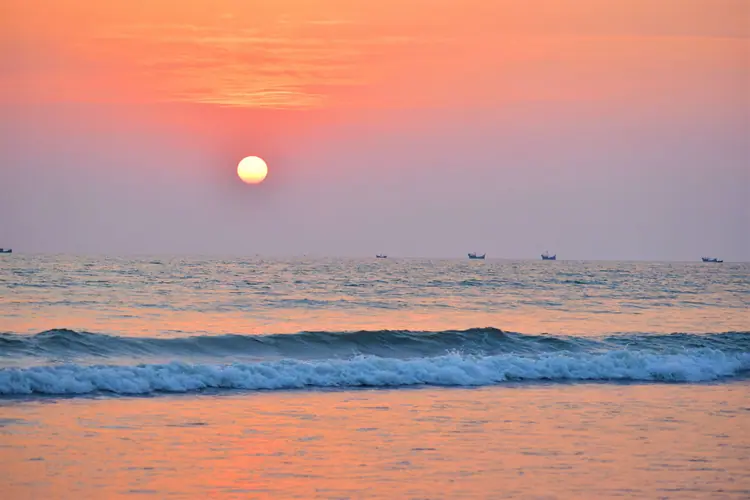
Many Bangladeshis take their holiday at the sea or in the hills. After Eid, Cox’s Bazar, Kuakata and the tea country of Sreemangal fill with families, and rooms in good hotels are booked well ahead. Roads to the coast are busy, the beach is crowded with day visitors, and prices at stalls rise. See the Cox’s Bazar guide for the neighbourhoods.
If you would rather have the beach quiet, go in the weeks that are not a holiday. The cool, dry months of November to February are the main season, and Ramadan in early 2027 falls inside it. A trip to the coast in the first weeks of Ramadan can be calmer than a normal winter weekend, with early nights and fewer visitors, although some beach cafés shut during the day.
Book a room early and check the cancellation terms. For Eid-week stays, ask whether the hotel changes its meal arrangements and whether a minimum number of nights applies. At resorts, the dining room usually serves guests as normal, and iftar or sehri options are offered as special sets. Check the hotel’s own notes before you pay.
Etiquette and greetings
Greet people with a smile and a polite phrase. During Ramadan, “Ramadan Mubarak” is a pleasant way to say hello, and at Eid, “Eid Mubarak” is used. “Assalamu alaikum” is the general greeting, answered with “Wa alaikum assalam”. Using even a few words is received warmly, and nobody expects you to say them perfectly.
Dress modestly, with shoulders and knees covered, and avoid loud music, public displays of affection and drinking alcohol in sight of others. Do not expect or ask someone who is fasting to share a meal at midday. If you are invited to a home, take a small gift, take off your shoes at the door and accept tea or sweets with your right hand.
Be patient with tired drivers and shop staff in the late afternoon. Fasting is a physical effort, and tempers can fray in traffic just before sunset. A calm manner and flexible timing make the whole thing easier. If your plans do clash with someone’s prayer, wait or find another time, and thank them. The seasons guide covers the weather.
Planning by week, and rebooking
| Period | What to expect | Planning note |
|---|---|---|
| Before Ramadan | Normal pace, shops stocking up | Easy to book; a good time for sights |
| First weeks | Quiet days, lively evenings | Plan sightseeing early and dinner after sunset |
| Mid-month | Settled rhythm, iftar markets in full swing | Suits a calm look at the month |
| Last ten days | Shoppers fill the markets, travel starts to build | Book transport and rooms now |
| Eid week | Cities empty, many shops closed, resorts full | Stay put or go to a booked resort |
| After Eid | Return rush, then calm | Wait a few days for the roads to settle |
- 1 · Pick a window
Choose dates a few days either side of the expected holiday, and keep the most important booking as the last to be fixed.
- 2 · Choose flexible terms
Where you can, book rooms and tours with free changes until a week before arrival.
- 3 · Watch the announcement
Follow the national moon-sighting news the evening before each festival, and ask your hotel to confirm.
- 4 · Rebook the same day
If the date moves by one day, tell hotels and drivers at once. Most will adjust, and some will charge a fee.
- 5 · Keep a fallback
Know a second route, such as a bus when a train is full, or a later flight, and keep one day of slack.
Questions and answers
Can a non-Muslim visitor eat lunch in public during Ramadan in Bangladesh?
Yes, there is no rule against it, but eating in front of people who are fasting is discourteous, and many daytime restaurants close or screen their windows. Eat at your hotel, carry a snack and water, and drink out of view. Larger tourist hotels serve guests as usual.
What is an iftar market in Ramadan and should visitors go?
It is a food market that sets up each afternoon in Ramadan, selling fried snacks, sweets and meals to break the fast. Chawkbazar in Old Dhaka is the most famous. Go with a friend or guide, arrive before sunset, carry little and wait for the call to prayer before you eat.
How crowded are trains and buses before Eid after Ramadan in Bangladesh?
Very crowded. Millions leave Dhaka in the days before each Eid, and tickets sell out soon after release. Book as early as the official system allows, keep a back-up plan, and avoid the first working day after the holiday, when the flow reverses.
Is Dhaka worth visiting at Eid, straight after Ramadan?
It can be, if you like quiet. The city empties, traffic thins and the sights are easier to reach, but many shops, restaurants and attractions close for several days. Hotel dining rooms and a few malls stay open. Check opening times through your hotel before you go.
What happens at Eid al-Adha, a couple of months after Ramadan, in Bangladeshi cities?
Temporary cattle markets appear in the weeks before, and on the day animals are sacrificed in neighbourhoods and the meat is shared with family, neighbours and those in need. Streets can be messy and the scenes are not for everyone. Stay in a quiet district if you prefer, and ask before photographing.
How do I greet people in Bangladesh during Ramadan and Eid?
“Ramadan Mubarak” is a friendly greeting during the month, and “Eid Mubarak” at the festival. “Assalamu alaikum” works at any time and is answered with “Wa alaikum assalam”. A smile and a few words are warmly received, and nobody expects perfect pronunciation.
Should I book Cox’s Bazar early for the Eid that follows Ramadan?
Yes. After Eid, the beach towns fill with families and the better rooms are taken weeks ahead. Book early, read the cancellation terms and ask about minimum stays. If you prefer a quiet beach, choose weeks outside the holiday period.
What if the moon moves the start of Ramadan or Eid in Bangladesh?
Dates can move by a day. Keep a day of slack either side of the expected holiday, book rooms and tours with flexible terms, follow the national moon-sighting announcement, and tell hotels and drivers at once if the date shifts. Most will adjust, though a few may charge.