On this page
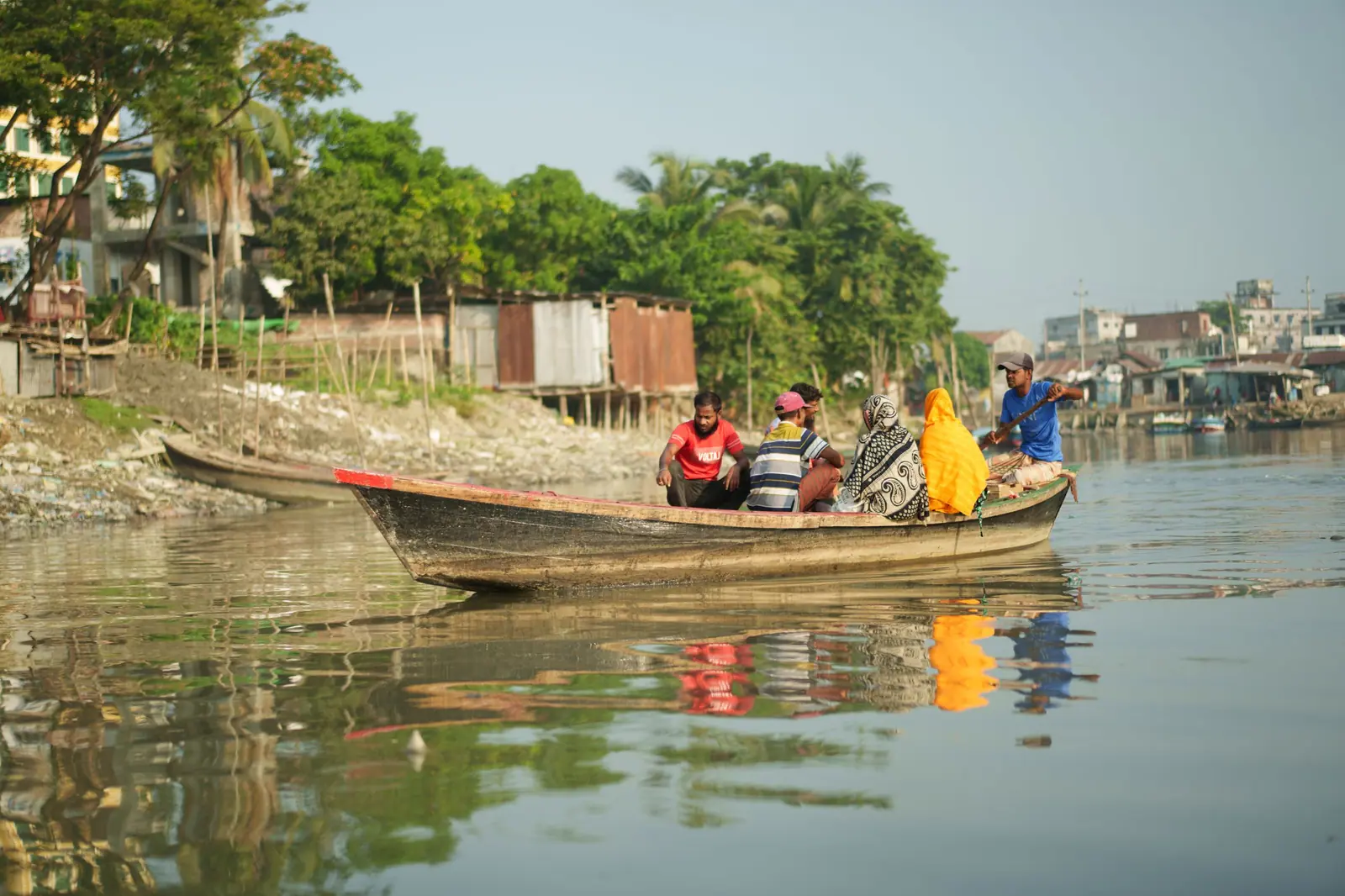
South of the Padma, Bangladesh turns to water. Rivers split into channels, canals thread through orchards, and people travel by boat more than by road. Barishal, on the Kirtankhola river, is the main town of this region. A few hours further south, at the end of the road, Kuakata sits on a south-facing beach where the sun can be seen rising and setting over the same sea.
The short version
- Use Barishal as the river base for boats, markets and a few old buildings, and Kuakata as the beach base, with two nights in the first and one or two in the second.
- Since the Padma Bridge opened in 2022, a road trip from Dhaka to Barishal takes about the same time as a day’s drive and no longer needs a ferry.
- The overnight launch from Dhaka is still running but has fewer sailings, so check the schedule and never board an overcrowded vessel.
- Visit between November and February for dry roads and calm river water; July to September suits the guava markets.
Until the bridges came, the journey meant long ferry queues. Now it is a day on the road, and the delta, once an effort to reach, is a practical addition to a trip. This guide covers how to arrive, which base to choose, what to see around each, and how to time the seasons.
Two bases, one journey
Barishal and Kuakata are different places and serve different purposes. Barishal is a working river city: its interest lies in the river, its launches, the surrounding canals and a handful of historic buildings. Kuakata is a small beach town on one main road, with a long shore, Buddhist temples and mangrove creeks nearby. Most visitors want both.
| Barishal city | Kuakata | |
|---|---|---|
| Setting | River port on the Kirtankhola | Beach town in Patuakhali district |
| Suits | Boats, markets, old buildings | Sunrise and sunset, mangroves, quiet |
| Nights | 1–2 | 1–2 |
| Feel | Busy, riverside, practical | Slow, seasonal, a single main road |
| Getting there | Road, launch, thin air service | About 3 h by road from Barishal |
If you only have three days, spend the first night in Barishal and the second in Kuakata, then return north on the third day. With a fourth or fifth day, add a morning at the floating markets and a boat trip into the mangroves.
Getting south
By road, the Padma Bridge, opened on 25 June 2022, brought Dhaka to Barishal down to roughly three and a half to five hours, depending on traffic. Dhaka to Kuakata takes about six to eight hours by road. There is no railway to Barishal or Kuakata, and buses run south from Dhaka, though a car with a driver is the usual choice for visitors.
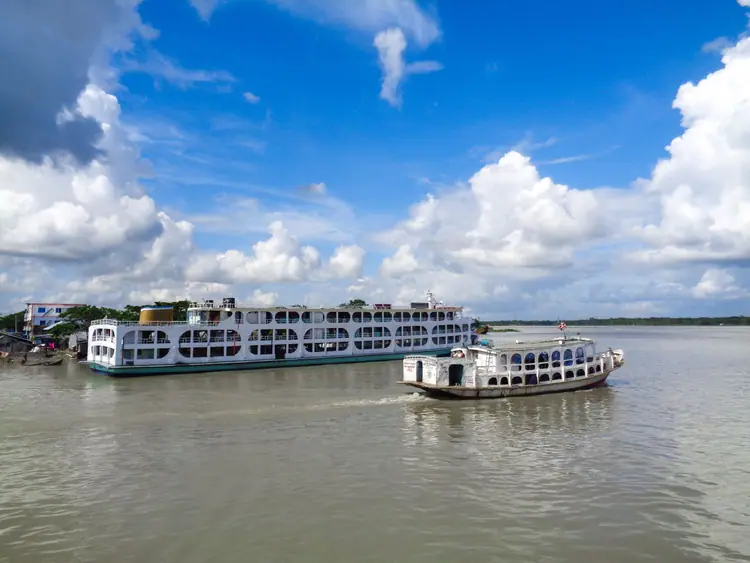
The Payra bridge at Lebukhali, opened in October 2021, removed the ferry between Barishal and Kuakata, so the road journey is about three hours. The air service to Barishal airport has run on and off, so check before you rely on it. The river alternative is the overnight launch from Sadarghat in Dhaka: see the guide to launches and river ferries for cabins and boarding.
Barishal city
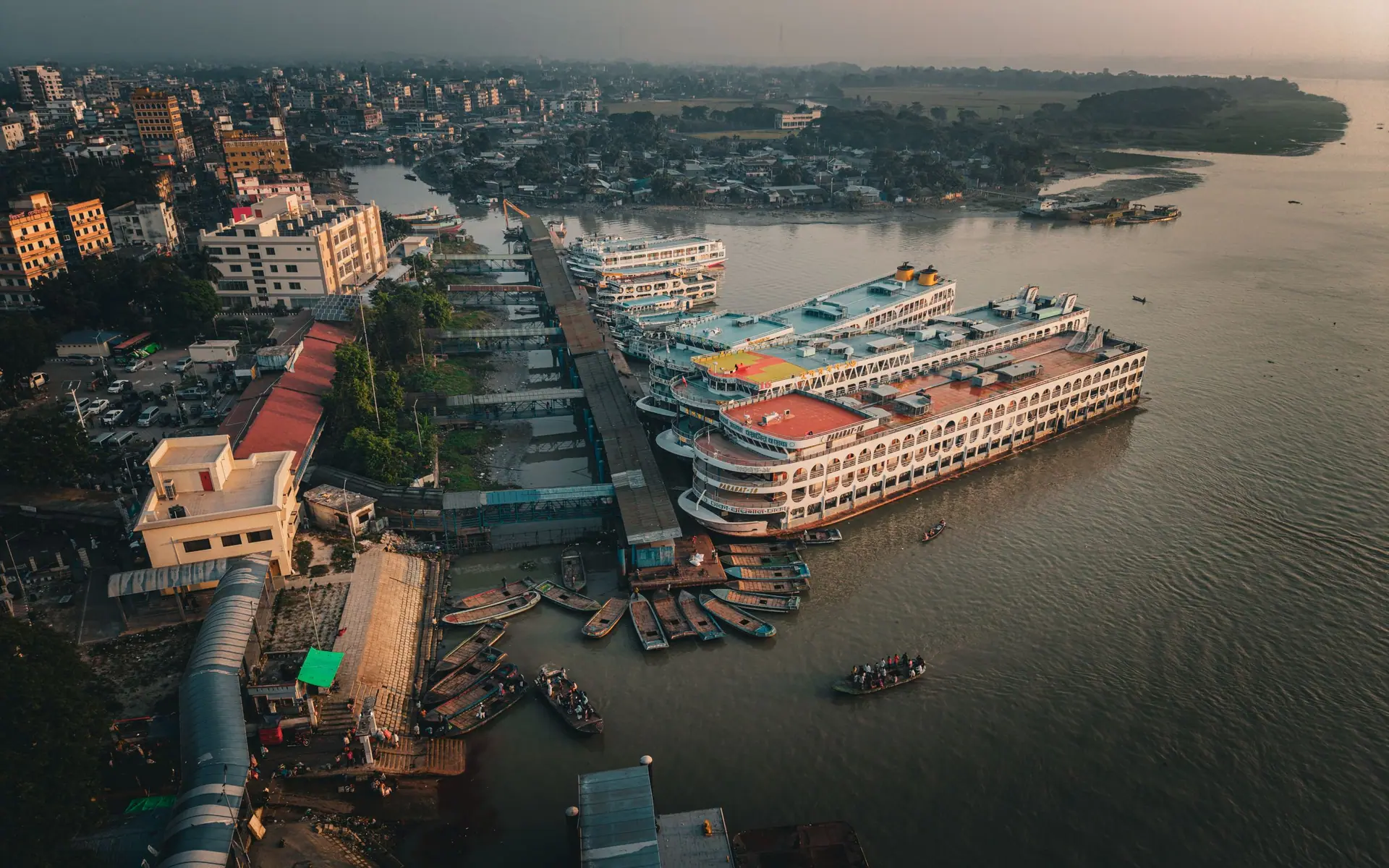
The river is the city’s centre. The launch terminal sits on the Kirtankhola, with Band Road along the bank, and the multi-deck passenger launches that arrive each morning are one of the sights of the delta. Hotels are in the commercial streets behind the port, along Sadar Road and towards the bus side at Nathullabad. For a first visit, pick one near Band Road to be close to the water.
Bell’s Park, on the river, is the place for an evening stroll. The jetty is crowded and loud at departure time, so watch the loading from a distance and keep a hand on your bag. Food is simple and river-fish heavy: look for hilsa in season and local sweets from small shops.
Sights around Barishal
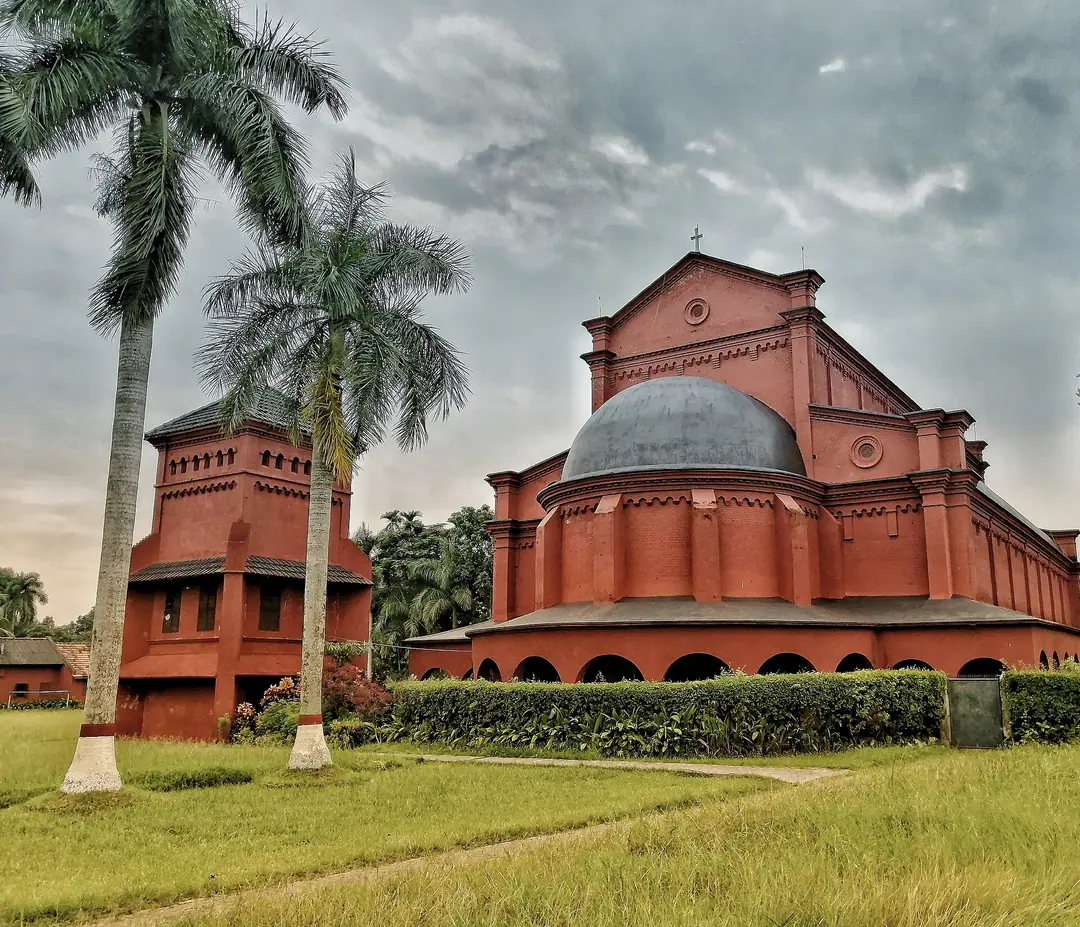
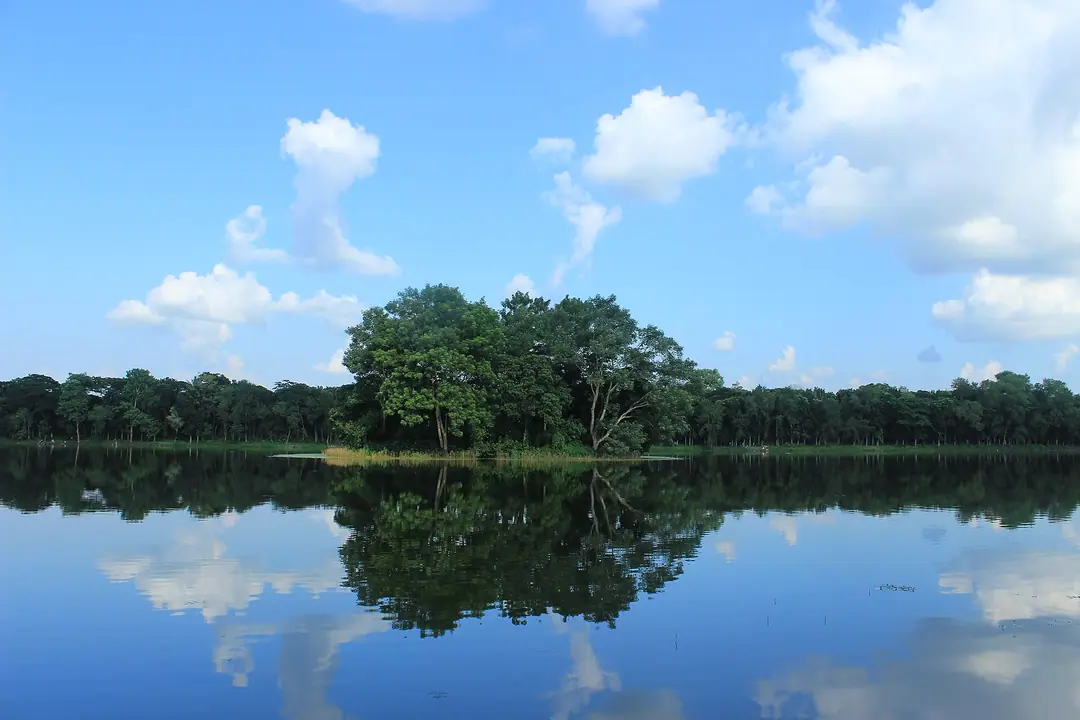
The city’s monuments are modest and spread out, so group them in a half-day by car or a hired CNG. Oxford Mission Church, built between 1903 and 1907, is a red-brick church in the city in a quiet compound. Durga Sagar, a very large old lake with a wooded island, lies outside the city and is a place for a slow walk. Guthia Mosque (Baitul Aman) and the old houses at Lakutia are the other usual stops; check locally what is open.
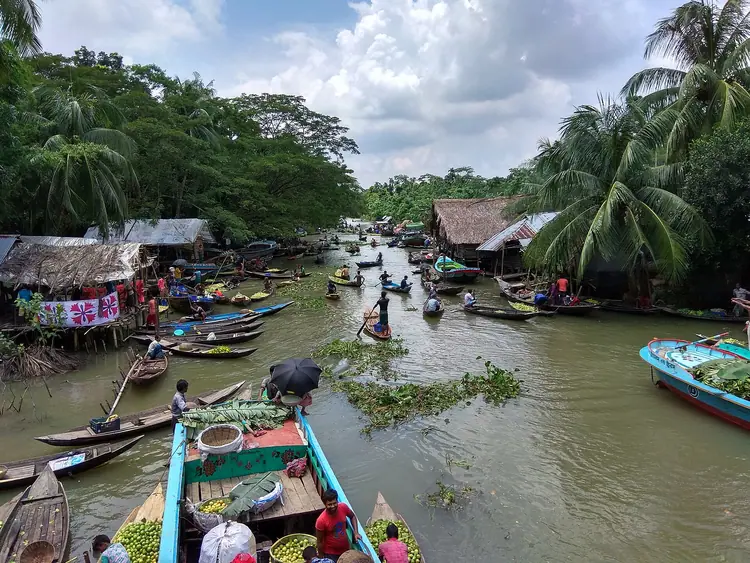
The floating markets are the delta’s signature, and they get their own page: the floating guava markets of Bhimruli, Atghar and Kuriana run early in the morning from roughly July to September, and the rice and wood markets at Swarupkathi trade in other months. Bhimruli is about 20 km from Barishal in a straight line. Go with a local boatman, and leave the hotel before dawn.
Kuakata
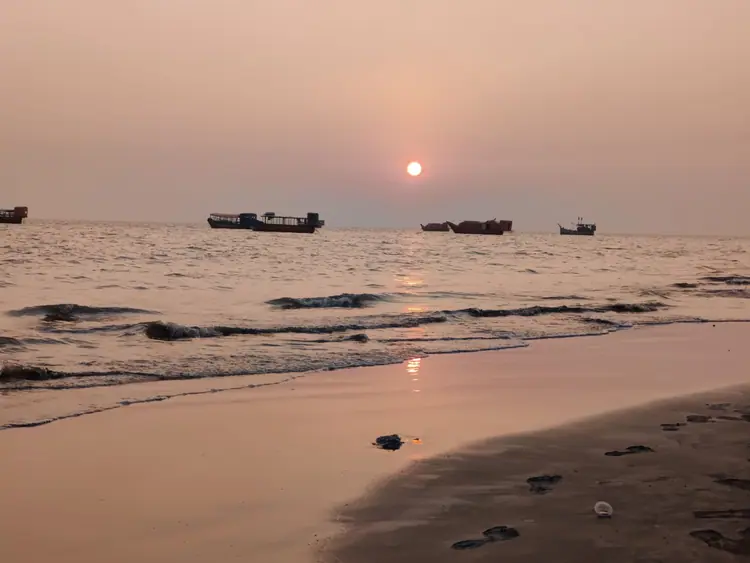
Kuakata is a beach town of about 18 km of shore facing south, which is unusual: the beach at Cox’s Bazar faces west. The result is a place where sunrise and sunset can both be seen over the sea. Hotels are strung along one main road, close to the beach, with a small Rakhine market and Buddhist temples in the Misripara area. In season it fills at weekends, when families arrive from Dhaka and the road is lined with buses; midweek it is calm, and you may share the sand with a few fishermen and children.
Hotels range from simple rooms to larger buildings facing the shore. Look at the position as much as the room: a few streets back from the sea, you lose the breeze and the short walk to the sand at dawn.
The things to do are simple and shown in full on the Kuakata beach page: sunrise at the eastern end, sunset at the western end, red crabs on the sand, the Fatrar Char mangroves by boat, the Gangamati forest, Lebur Char, and sheds where fish are dried. Motorbike taxis and vans cover the longer stretches.
Treat the sea with respect. Kuakata has no guaranteed lifeguard cover, tides move quickly and the monsoon sea is rough. Swim only where local people swim, and not at all when red flags are up or the water looks disturbed.
Getting about the delta
In Barishal, CNG auto-rickshaws and cycle rickshaws cover the town, and you can hire a small boat by the hour at the river steps. Check that a boat has enough life jackets and is not overloaded, and ask for a boatman your hotel knows. For anything beyond the city, such as the markets or Durga Sagar, a car with a driver for the day is simpler than trying to piece together local buses.
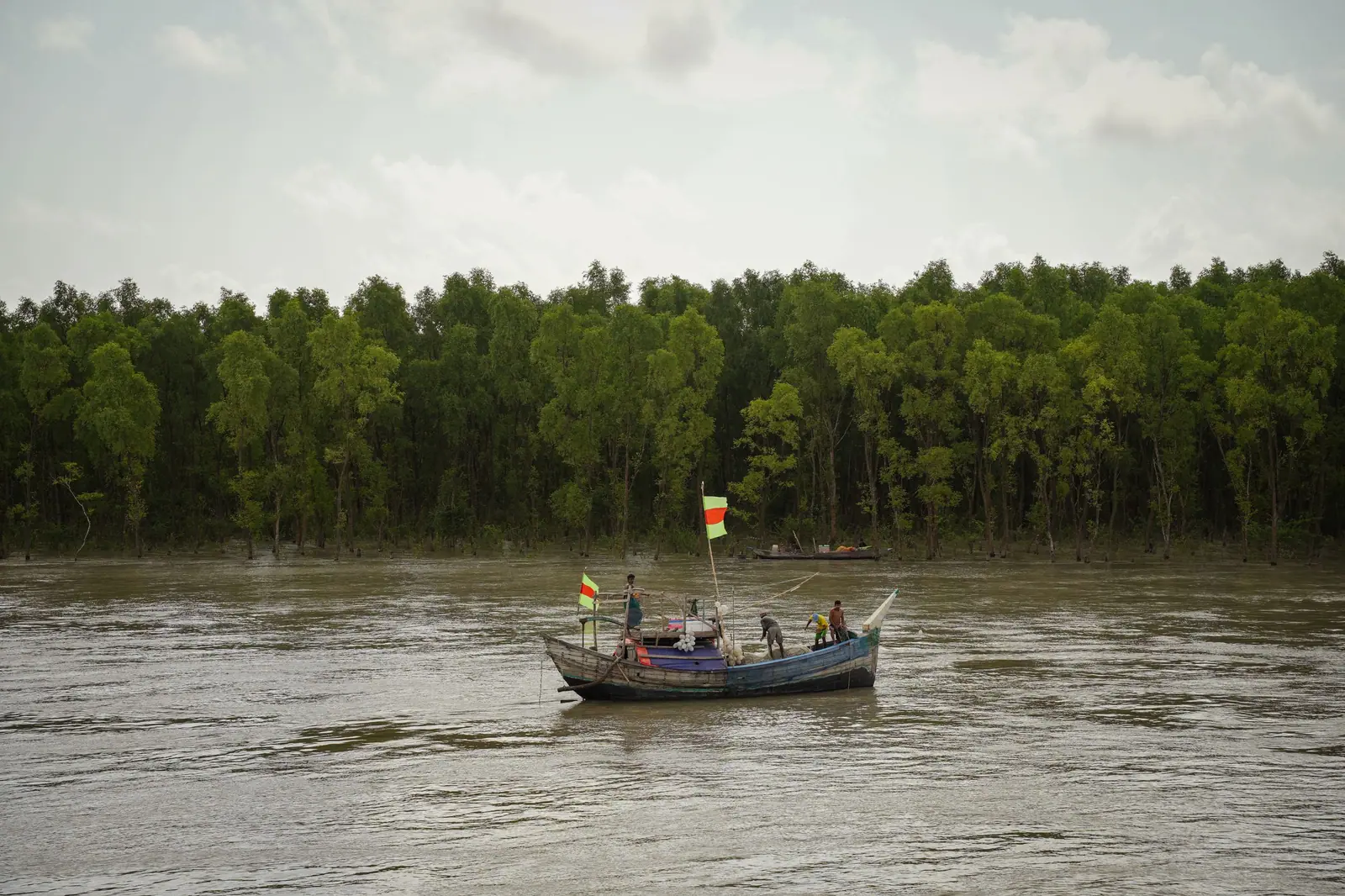
In Kuakata, the main road runs behind the beach and you rarely need more than a short ride. Motorbike taxis and battery vans carry people to the mangroves and the Rakhine village, and many visitors simply walk the sand. Most hotels can arrange a boat to the Fatrar Char mangroves, though the trip depends on the tide, so the departure time is set the day before.
Respect and practicalities
The Rakhine people, who live around Kuakata and in parts of the coast, are Buddhists, and the temples near the beach are active places of worship. Remove your shoes, dress modestly, keep your voice low, and ask before photographing monks or the villagers. Mosques and the Oxford Mission Church deserve the same quiet.
Mosquitoes are a real nuisance in the delta, above all in and after the monsoon, and dengue is a risk then; pack repellent and long sleeves for evenings. Drink only bottled or filtered water, and carry enough cash for the trip, since ATMs are fewer in Kuakata and mobile coverage can fade on the water. Take a light rain layer in every season, as showers arrive fast.
How to split your nights
The simplest pattern is two nights in Barishal, one for the river and one for the markets, followed by two in Kuakata. Fit it round the journey: if you arrive by road from Dhaka in the afternoon, you can reach Barishal for an evening walk and sleep there. On the next day, take the road south, check in, and watch sunset from the beach.
If your time is short, go straight to Kuakata and back, with one night and a very early start. This works but leaves little time on the beach, and the road is long for a day each way. If you care more for boats than sand, stay three nights near Barishal and visit Kuakata only for the day.
When to go
November to February is dry and cool, with the calmest rivers and the easiest roads. Winter river fog, mostly in late December and January, can delay launches and ferries. The heat builds from March, and the pre-monsoon storms of April and May can stop boats at short notice. June to September brings heavy rain and rough water, though it is the season of the floating guava markets.
The Bay of Bengal sends cyclones in April and May and again in October and November. The delta is exposed, so check the warnings from the Bangladesh Meteorological Department, and be prepared to change plans: boats stop running in rough weather. See the guide to when to visit for the country as a whole.
A three-day plan
- Day 1 · Dhaka to Barishal
Leave Dhaka early by road over the Padma Bridge, reach Barishal around midday, see Oxford Mission Church and the river, and finish at Bell’s Park.
- Day 2 · Markets and south
Go before dawn to a floating market in season, return for breakfast, then take the road to Kuakata and be on the beach by sunset.
- Day 3 · Sunrise and mangroves
Sunrise at the shore, a boat to the Fatrar Char mangroves in the morning, then drive back north, aiming to reach Dhaka by night or break the journey at Barishal.
For a longer loop, Barishal links with Khulna and the Sundarbans across the delta, a route covered in the notes on getting around Bangladesh.
Hotels to consider
Questions and answers
How many days do I need for Barishal and Kuakata?
Three days is enough for a first trip: one night in Barishal for the river and its old buildings, one in Kuakata for sunrise and sunset, and a day on the road. Add a day if you want to see the floating markets or take a boat into the Fatrar Char mangroves.
Is there a ferry between Barishal and Kuakata?
Not any more on the main road. The Payra bridge at Lebukhali, opened in October 2021, replaced the ferry crossing, so the journey is about three hours by road. Small boats still serve villages and the mangrove creeks, but visitors normally travel by car or bus.
Can I take the launch from Dhaka to Barishal?
Yes, overnight launches run from Sadarghat, though with fewer sailings since the Padma Bridge opened. A restored paddle steamer began weekly tourist trips between Dhaka and Barishal in November 2025. Check the current schedule, and avoid any launch that looks overcrowded or any trip in a storm.
When do the floating guava markets run near Barishal?
Roughly July to September, in the guava season, at Bhimruli, Atghar and Kuriana. The trade starts at dawn, so leave Barishal before first light. In other months, rice and wood markets at Swarupkathi continue. Ask your hotel to arrange a local boatman the evening before.
Is Kuakata a good beach for swimming?
It is a quiet beach but not one with guaranteed lifeguards, and tides and monsoon waves can be strong. Swim only where local people swim, and avoid the sea when red flags are up or the surf is high. Many visitors prefer walking at sunrise and sunset to swimming.
How long is the drive from Dhaka to Kuakata?
Roughly six to eight hours by road over the Padma and Payra bridges, depending on traffic and stops. Many travellers split the day with a night in Barishal. Public buses run the route, but a car with a driver is more comfortable and lets you stop for the river.
Why can you see both sunrise and sunset at Kuakata?
Because the beach faces south and curves, so from different points along the shore the sun can appear to rise from and set into the sea. Eastern and western ends are used for the two views. Cloud, haze or monsoon weather can hide either, so allow a second morning.
Is Barishal worth visiting without Kuakata?
Yes, if you enjoy rivers and boats. The launch terminal on the Kirtankhola is a great sight, Oxford Mission Church and Durga Sagar are quiet stops, and floating markets are close. Plan for one or two nights, and use the city as a base for the canals and orchards.