On this page
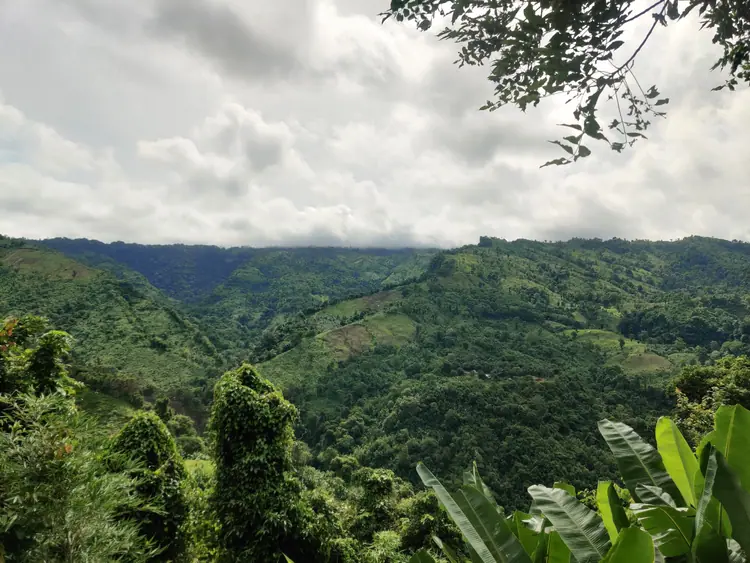
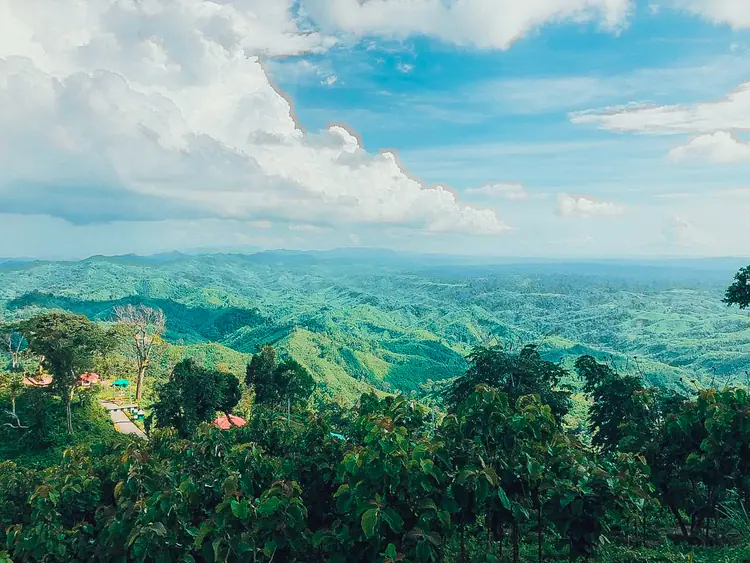
Sajek is a ridge of grassy hills and small villages in the Chittagong Hill Tracts, close to the border with India, where on some mornings cloud fills the valleys below the houses. It has become one of the best-known domestic destinations in Bangladesh, and Khagrachari, the district town to its south, is where most journeys to it begin. Access, however, is neither simple nor stable, and this guide is as much about what to check as about what to see.
The short version
- Khagrachari town is the usual place to sleep before the road to Sajek; rooms on the ridge itself are in simple cottages and change often.
- Foreign visitors need permission from the district administration, usually arranged through a licensed operator, and rules can change at short notice.
- The road to Sajek is normally run in convoys at set times, so build slack into your plan and do not book onward travel tightly.
- Read the official travel advice first and treat every plan as provisional until the authorities confirm it.
The Hill Tracts are home to the Chakma, Marma, Tripura and other peoples, whose villages, languages and customs differ from those of the plains. The region has a sensitive recent history and the authorities manage access closely. Nothing here is a promise that a trip is possible; it explains how the places fit together, so that you can ask the right questions of the right people.
Read this first
Official advice is the starting point, not a footnote. The UK foreign travel advice for Bangladesh describes the current position, and the is Bangladesh safe page explains how the wider picture fits together. Bangladeshi nationals and foreign visitors are treated differently, and rules about checkpoints, convoys and permissions are applied locally and can change from one month to the next.
Khagrachari town or Sajek?
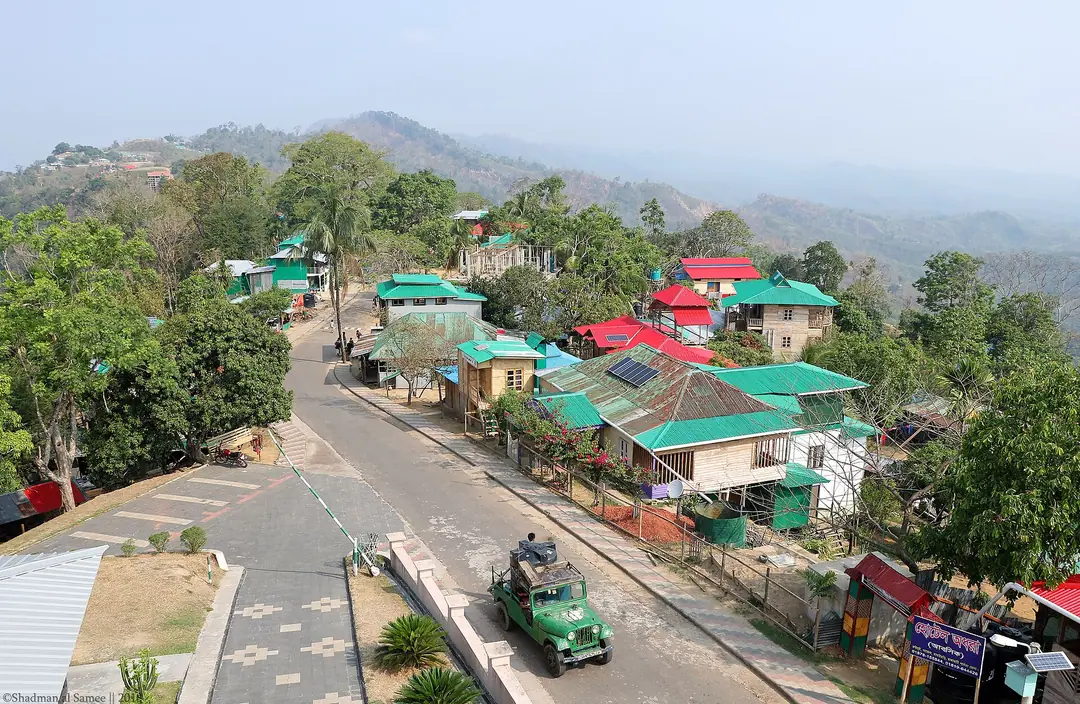
The two places do different jobs. Khagrachari is a district town with shops, banks, restaurants and ordinary hotels, and it is where the road to the ridge begins. Sajek is a scattering of hilltop houses and cottages with views, very limited services and a night that is quiet and dark. Most trips use both, with a night in the town before the climb, and sometimes one or two on the ridge.
| Place | What it is like | Suits |
|---|---|---|
| Khagrachari town | District town, shops, banks, regular hotels, easy to eat | The night before the road to Sajek |
| Sajek ridge | Hilltop villages and simple cottages, limited power and signal | One or two nights if access is allowed |
| Chattogram | Large port city on the way, full services | Arrival, permits, onward transport |
If you only have a single night, it is usually better to spend it on the ridge than in the town, because the early light and the clouds are the main reason for going. If you have no certainty about the convoy, sleep in Khagrachari and decide the next morning once you hear what is running.
Permission and arrangements
Foreign visitors need permission from the authorities, applied for ahead of time, and the usual route is through a licensed tour operator or a hotel that handles the paperwork. Notice of about ten days is often cited, but the exact period, the documents and the checkpoints change. Do not assume a local acquaintance can arrange it on the day. Sajek itself lies in Baghaichhari upazila of Rangamati district, although the usual road to it runs from Khagrachari, so ask which administration your operator is applying to.
Expect to carry your passport and copies of any permission, and to show them at checkpoints along the road. Bangladeshi visitors also meet checkpoints and may be asked to register. Keep your plans flexible: a closure, a security notice or a landslide can cancel a day, and operators generally decide at short notice whether a convoy will run. Contact the district administration directly if you have any doubt. Keep a record of any message or permission you receive, with dates and the names of the offices that issued it, since you may be asked to show it more than once.
Where travellers usually base themselves
In Khagrachari, travellers usually sleep in the town centre, within reach of the bus stand and the main market, and leave early for the convoy. Choose a room with a working generator and ask about hot water. On the ridge itself, accommodation is in cottages and small resorts that open and close with the season, so check what is currently operating and book through the operator who is arranging your permission.
Do not rely on finding a room on arrival. Rooms in Sajek fill at weekends and on public holidays, when domestic visitors come in large numbers, and the ridge can feel crowded. Weekdays are quieter, and a night in the middle of the week gives a very different atmosphere. Power is usually limited in the hills, so charge devices when you can and bring a torch.
Getting to Khagrachari and the road to Sajek
Khagrachari is reached by road from Chattogram, which is the starting point for journeys into the Hill Tracts. There is no airport and no railway in the district, and buses and private cars make the journey, so check the current timetable and road conditions on the day. The getting around Bangladesh guide explains how to reach Chattogram from Dhaka.
From Khagrachari, the road to Sajek runs through Dighinala and climbs into the hills. It is usually driven in convoys with an escort at set times, and jeeps, locally called chander gari, are the normal vehicles on steep stretches. Times, rules and the number of runs can change, so ask your operator and do not plan a tight onward connection. Rain and landslides can close the road in the monsoon.
Plan to travel only in daylight. The roads are steep and narrow, mobile signal is patchy, and help is far away if a vehicle breaks down. Wear a seat belt where one exists, agree the price of a jeep before boarding, and keep your bag within reach. Carry water, a snack and any medicines you need, because shops along the route are few and stop early in the afternoon.
What Sajek is like
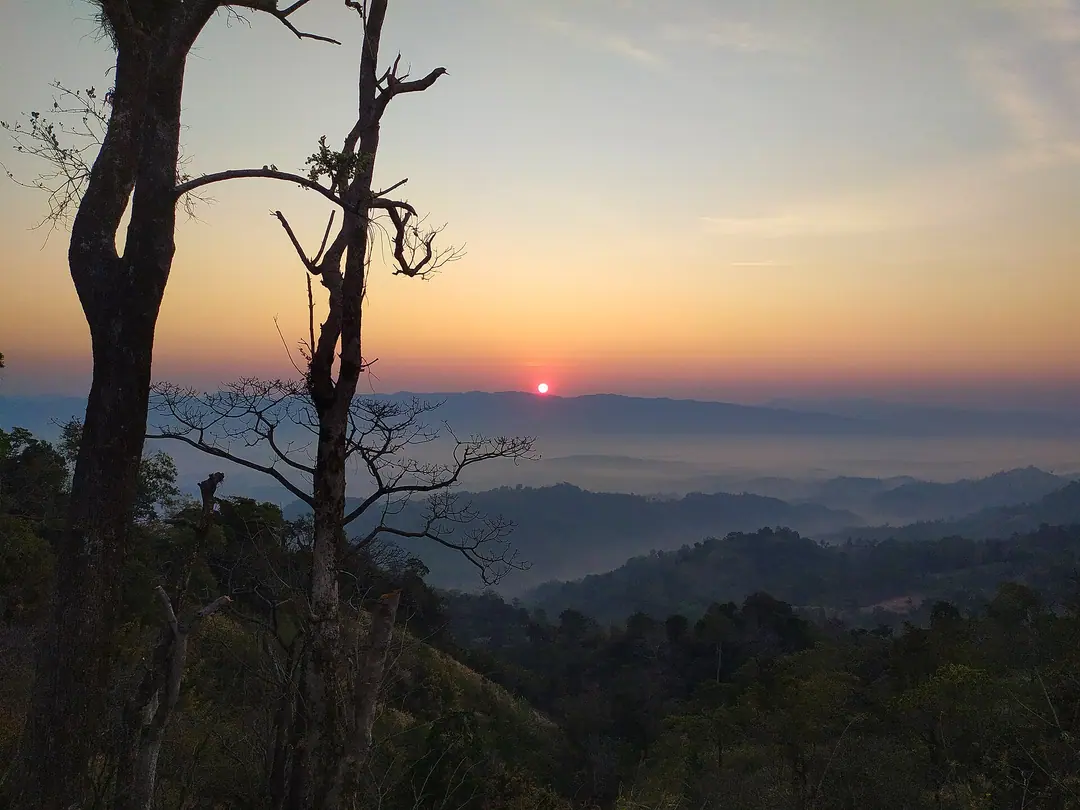
Sajek sits on a ridge, with houses and cottages strung along a road and paths leading to viewpoints. In the monsoon and on some early winter mornings, cloud lies in the valleys and the ridge looks as if it floats above it. On clear days the hills roll away towards the border. The setting is the attraction, and a visit is mostly about sitting, walking, watching the light and eating simple food.
The villages around the ridge are lived-in communities, not displays. Ask before taking photographs of people or homes, do not enter houses uninvited, and avoid flying a drone without permission. Local food is simple, with rice, bamboo shoots, vegetables and fish or chicken cooked in bamboo, and your host will tell you what is ready. Buy handwoven cloth and snacks from the people who make them.
Do not expect a polished resort experience. Cottages are simple, bathrooms may be shared, hot water is not guaranteed, and noise from other visitors can carry at busy times. The reward is the view and the quiet at dawn, before the day trippers arrive. If you want to see the ridge at its calmest, go on a weekday, set an alarm for first light, and keep your voice low in the villages.
Around Khagrachari
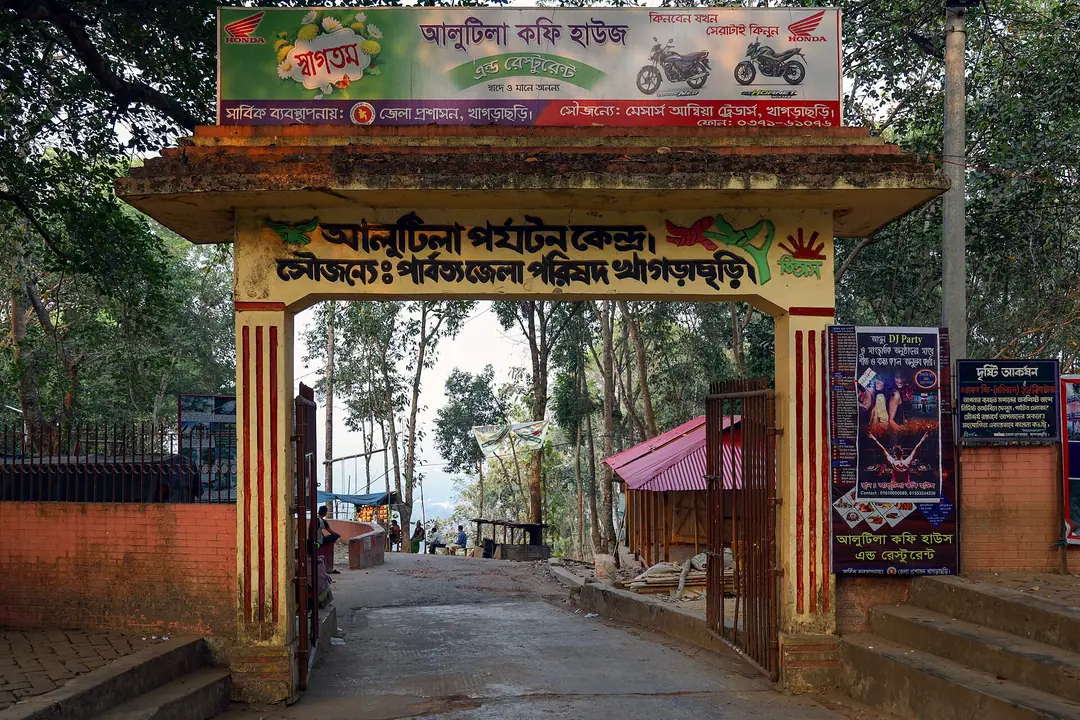
Around the district town, the main sights are small and local. Alutila is a cave inside a hill, entered with a guide and a torch, and the Richhang waterfall is a cascade on a hill stream that runs best after rain. Both sit within the hills and may need a jeep or a guide. Markets in town sell hill weaving, bamboo goods and local snacks, and are a good way to meet people before the climb.
Check which sights are open on the day, because some paths are closed after rain and some areas require special permission. Do not leave marked paths, do not pick plants or take stones, and carry your litter out. If you are travelling on towards Rangamati or Bandarban, ask the same questions again, because each district has its own administration and its own arrangements.
Respect, health and seasons
The Hill Tracts are among the wettest parts of the country in the monsoon, from June to September, when landslides, slippery roads and heavy cloud are common. November to February is cooler and drier, with clearer views. Malaria occurs in the Hill Tracts, so ask a travel clinic about prevention, and use repellent, long sleeves and a net. Phone signal fades deep in the hills. The best time to visit Bangladesh page compares the months.
Dress with shoulders and knees covered and behave with the same courtesy you would expect in any home. Communities are Buddhist, Hindu or Christian, and you should ask before entering a temple or a church. Do not treat the people as a spectacle, do not hand out sweets or money to children, and buy directly from the makers. The what to wear in Bangladesh page lists clothing ideas.
New year festivals in April
Around the middle of April, hill communities mark the turn of the year. The Chakma celebration is known as Biju, the Marma one as Sangrai and the Tripura one as Baisu, and the combined name Boisabi is often used for them. Customs differ between communities and villages. They can include offering flowers on water, visits to temples, shared meals in family homes and, among the Marma, playful water throwing. The season falls close to Pohela Boishakh, the Bangla new year on 14 April, so expect holiday crowds and heavy demand for rooms and transport.
Dates and public events vary, so check with the district administration and your operator before fixing a plan around them. Much of the celebration is domestic or religious, and an invitation to a home should come from the host. Watch from the edge unless you are asked to join, and protect phones and documents if water is being thrown. April is also hot, with sudden nor'wester storms. Carry drinking water, rest during the middle of the day and check forecasts from the Bangladesh Meteorological Department.
A plan if permission comes through
- Weeks before · Ask and apply
Read the official travel advice, contact a licensed operator or the district administration, and confirm permission, dates and checkpoints in writing.
- Day 1 · To Khagrachari
Travel from Chattogram by road, check in, and confirm the next day’s convoy time. Keep the evening free.
- Day 2 · Sajek
Join the convoy to the ridge, check in, watch the evening light, and eat early. Stay overnight if the plan allows.
- Day 3 · Return
See the sunrise and walk to a viewpoint, then come down by the convoy and continue to Chattogram with a margin before any onward transport.
Check entry rules with the visa checker, and read the Bangladesh Tourism Board’s official pages at tourismboard.gov.bd for general guidance.
Questions and answers
Do foreigners need permission to visit Sajek?
Yes. Foreign visitors need permission from the district administration, usually arranged in advance through a licensed operator, and the rules, notice period and checkpoints can change. Read the official travel advice and contact the authorities before booking. Do not assume permission can be arranged on the day.
Where should I sleep before going to Sajek?
Most travellers sleep in Khagrachari town the night before, close to where the convoy leaves, and then spend a night or two on the ridge if access is allowed. Rooms on the ridge change with the season, so check what is open and book through your operator.
How do I get from Khagrachari to Sajek?
By road, through Dighinala, usually in convoys with an escort at set times. Jeeps, locally called chander gari, are the normal vehicles on steep stretches. Times and rules change, and rain or landslides can close the road, so ask your operator and avoid a tight onward connection.
Is Sajek open all year?
Access can open and close at short notice because of security notices, weather and local rules, so there is no fixed answer. The monsoon from June to September brings landslides and heavy cloud, and November to February is cooler and clearer. Check with the district administration and your operator close to the date.
Is Khagrachari safe for visitors?
The UK FCDO advises against all but essential travel to the Chittagong Hill Tracts, and the situation can change. Read the official advice, follow instructions at checkpoints, travel with a licensed operator and keep your permission documents with you. Contact the district administration if you are unsure.
What should I pack for Sajek?
A light jacket for cool evenings, sturdy shoes, a torch, insect repellent, a power bank, cash and a rain layer. Power and signal are limited, choices of food are simple, and the weather can change fast. Ask a travel clinic about malaria prevention before you go.
Can I do Sajek as a day trip from Khagrachari?
It is usually done as an overnight rather than a day trip, because convoys run at set times and the road is slow. A single day from Khagrachari is possible only if the timings allow it, and often leaves little time on the ridge. Ask your operator about the current schedule.
Are there hotels in Khagrachari town?
Khagrachari is a district town with ordinary hotels, shops, banks and restaurants, and most visitors sleep there before the road to Sajek. Facilities vary, so check what is open, ask about a generator and hot water, and confirm the convoy time the evening before. Do not expect the same choice as in Chattogram.