On this page
Most travellers who reach the north-west of Bangladesh arrive in Bogura without planning to. It sits where the road from the Jamuna bridges splits towards Rangpur in the north, Rajshahi in the west and the Naogaon countryside in the north-west, and it is the biggest town on the way. That makes it more useful than its reputation suggests: a place to sleep, eat well, change money and sort out a car before a day among old stones.
The short version
- Bogura is a good base because roads fan out from it to Mahasthangarh, Paharpur, Rajshahi and Rangpur, and it has the larger hotels of the north-west.
- One night covers Mahasthangarh; a second night lets you add a long day out to Paharpur without rushing.
- Choose the Satmatha centre for evenings on foot, or a bypass or Rangpur Road hotel for parking and an early start.
- November to February is the comfortable season; April and May are hot, and winter fog can slow roads and trains.
The town is not a sightseeing destination in its own right, and this guide does not pretend otherwise. It is about using Bogura as a base: which part of town to choose, how the days around it fit together, how to get there and about, and when the weather helps. The ruins themselves are covered on their own pages, so here they appear only as the reason to stay.
Why base yourself in Bogura
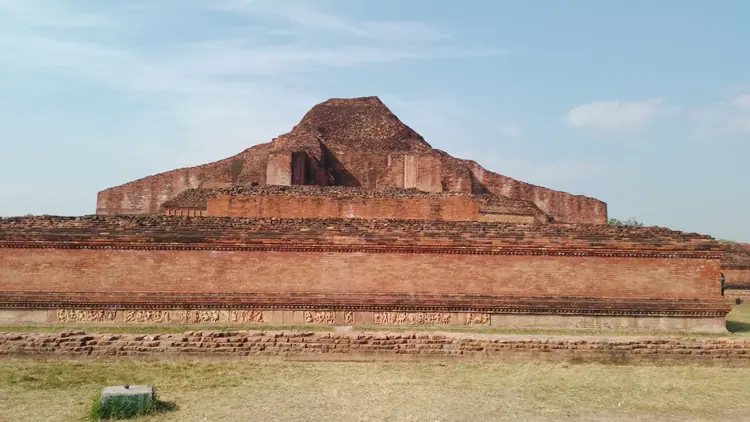
The ancient city of Mahasthangarh lies on the Karatoya river just outside the town, about 13 km away in a straight line, and the great Buddhist monastery at Paharpur is about 45 km away in a straight line, with a longer road in between. Rajshahi, with its silk and museums, is a further drive west. No other town in the region has a comparable spread of hotels, restaurants, pharmacies and ATMs, so even travellers who are really headed for Rangpur or Rajshahi often stop here.
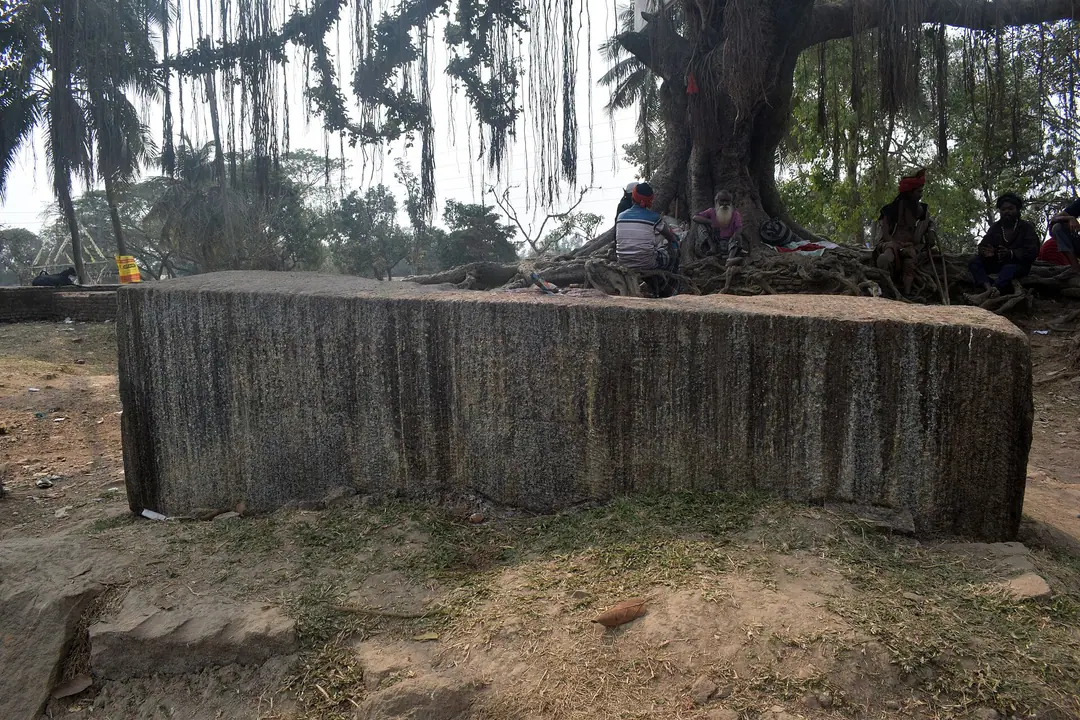
Bogura is also easier than most district towns for a first-time visitor. It is flat, the centre is compact, rickshaws are everywhere, and the larger hotels are used to guests from elsewhere in Bangladesh and abroad. Staying here saves you the long, tiring transfer from Dhaka that would otherwise swallow a whole day, because the town is a natural halfway point on the road north.
Which part of town to choose
Bogura has four areas worth knowing, and the difference between them is mostly about noise, parking and how far you want to walk for dinner. Satmatha, the junction at the heart of the town whose name refers to the roads that meet there, is where shops, sweet sellers and tea stalls concentrate. The larger hotels tend to sit on the bypass roads and along the main highways, where cars can park and the traffic is calmer.
| Area | What it is like | Suits |
|---|---|---|
| Satmatha and the centre | Busy by day, shops and eating places close by, loud rickshaw traffic | Short stays, evenings on foot, trains and buses |
| Rangpur Road side | Northern approach road, larger hotels, easier for cars | Onward travel to Rangpur and Dinajpur |
| City bypass | Wider roads, less noise, a few larger hotels, fewer shops on foot | Drivers, families, early starts |
| Sherpur Road | Newer hotels along a main road out of town | Travellers with a hired car |
If you do not have your own car, the centre is the practical choice, because a rickshaw ride from the station or bus stand is short and you can walk to food in the evening. If you have a driver, the bypass and highway hotels give you a quieter night and a quicker exit in the morning. Check the exact address and ask the hotel how long the transfer takes, since traffic at the junctions can add time.
Mahasthangarh from your base
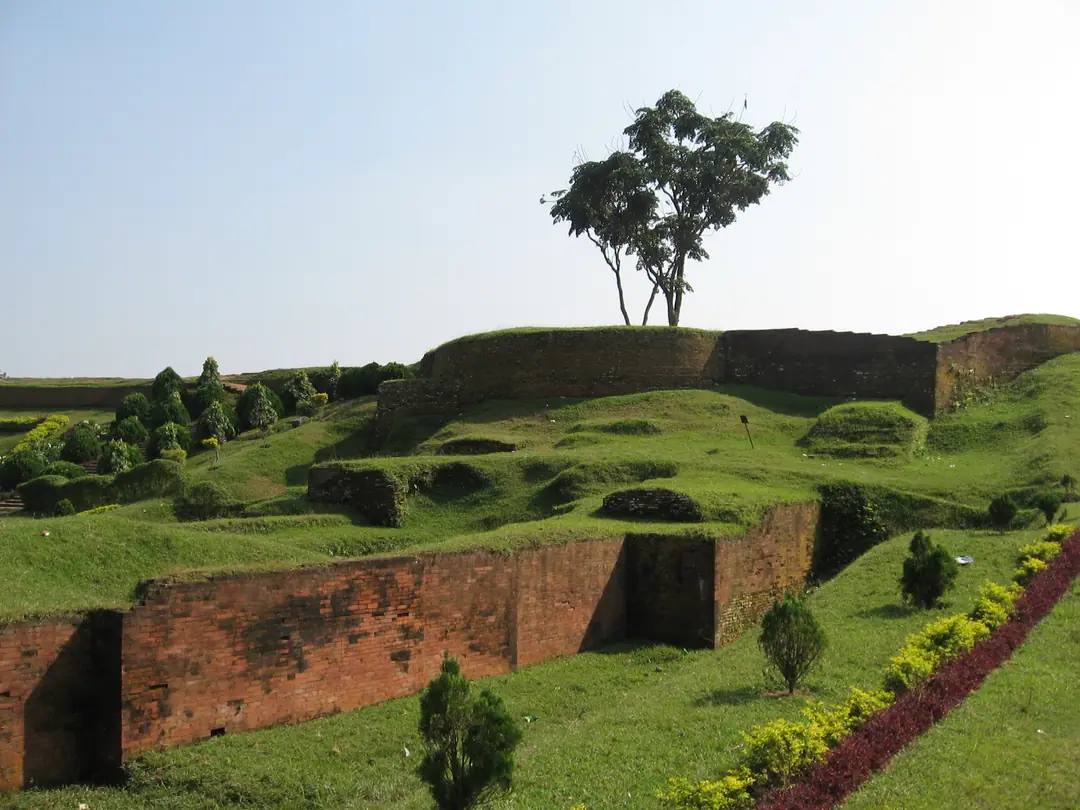
Mahasthangarh is the site of Pundranagara, the oldest known urban settlement in Bangladesh, with a history reaching back at least to the third century BC. It sits beside the Karatoya and is spread over fields, low ramparts and grassy mounds rather than a single walled complex. The site museum holds terracotta and stone finds, and one of the mounds, Gokul Medh, rises as a stepped platform of old brickwork. A Sufi shrine on the site draws pilgrims.
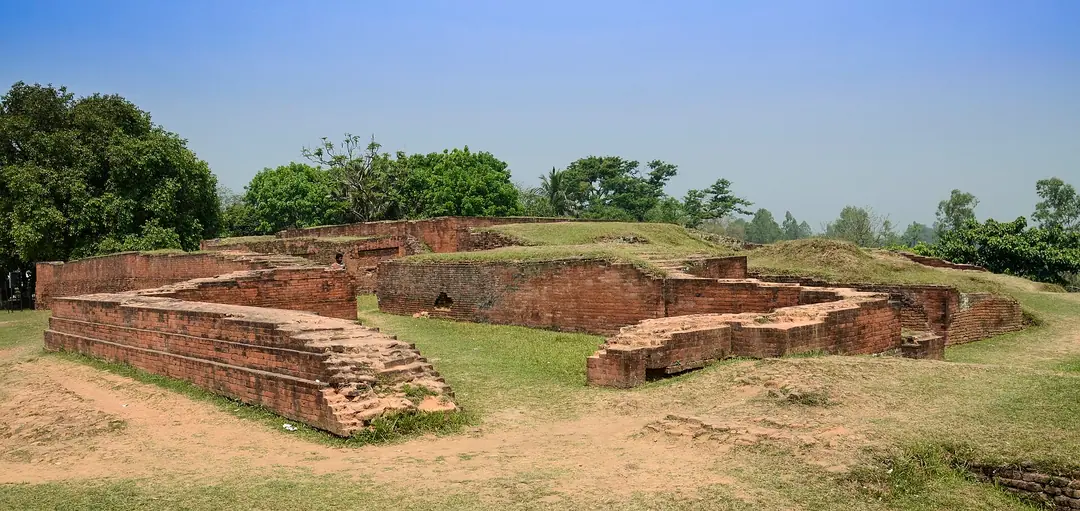
A visit takes about half a day on foot with a rickshaw or car to move between the mounds, and you will see more in the soft light of the morning. The site is on Bangladesh’s tentative list for World Heritage status but is not a World Heritage Site, and conservation work is slow, so expect rough paths rather than polished displays. Opening days and the entry fee for foreign visitors change, so ask your hotel to check before you set out.
What you will not find at Mahasthangarh is a single dramatic building. The interest lies in reading the ground: a rectangle of ramparts that once enclosed a city, fields that cover foundations, and a river that has shifted its bed over the centuries. Walking the line of the old wall in the early light, with farmers already at work beside it, is a better introduction than any signboard. Take water and a hat, and wear shoes you can walk in over uneven grass.
Getting to Bogura
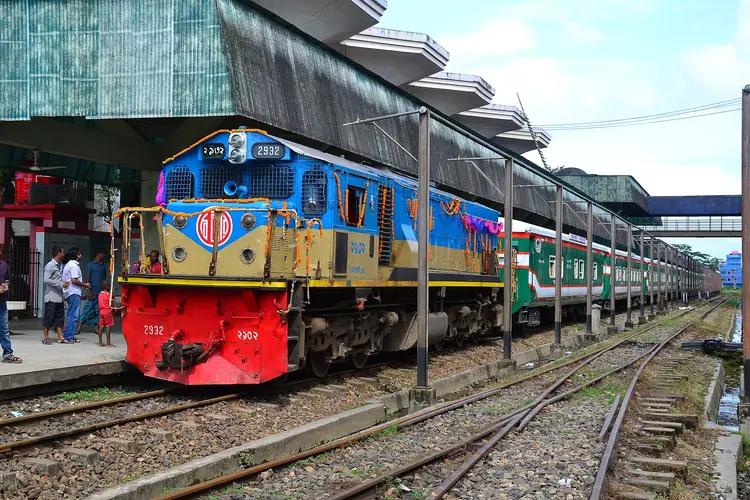
Since the Jamuna Railway Bridge opened in March 2025, intercity trains from Dhaka to the north and west have a more direct route, and Bogura is on that corridor. Book on the official Bangladesh Railway e-ticket site and check the timetable for your date, because services change. By road, Bogura lies on the Dhaka to Rangpur highway beyond the Jamuna road bridge, which opened in 1998, and the drive takes several hours depending on traffic at the bridge.
There is no airport in Bogura. The nearest with flights from Dhaka are Rajshahi and Saidpur, and both need a further drive, so most visitors take the train or a hired car. Intercity buses also run from Dhaka and Rajshahi, though they are slower and less predictable. The guide to getting around Bangladesh explains the main classes and how to buy tickets, and the visa checker covers entry rules for your passport.
Moving around town and nearby
Inside Bogura, cycle rickshaws and battery easy-bikes cover short distances, and CNG auto-rickshaws handle longer ones. Agree the fare before you get in, and have small notes ready. For Mahasthangarh, local buses and shared vehicles run along the road, but they stop where passengers ask and are crowded at the weekend, so a hired car or a CNG for the morning is easier.
Paharpur is a longer trip, with a road that runs through farming villages and small market towns. A driver who knows the route saves time at junctions. Many visitors pair the two sites in a single day with an early start, but in the heat of April or May it is gentler to split them across two mornings, which is one reason a second night in Bogura makes sense.
Evenings in Bogura are a good time to see the town at work. Around Satmatha the shops stay open after dark, tea stalls fill with men talking over the day’s news, and the pavements are crowded with rickshaws and handcarts. Women travellers will find fewer women out late than in Dhaka, as in most district towns, so plan to be back at the hotel after dinner and take a rickshaw rather than walking long distances in the dark.
Eating in Bogura
Bogura is known across the country for mishti doi, sweetened yoghurt set in shallow earthen pots, with a caramel colour and a dense, creamy texture. It is eaten as a dessert or a snack and is easy to carry back to your room. Sweet shops cluster in and around the centre, and a good way to choose is to follow the queue. Ask for a small pot first if you are unsure.
Savoury food follows the usual north-western pattern: rice or flatbread with dal and a meat or fish curry, plus morning breakfasts of paratha and egg. Larger hotels have restaurants with set menus. Tap water is not for drinking, so use bottled or filtered water, and stay with freshly cooked dishes. The Bangladeshi food guide lists dishes to look for across the country.
Seasons and weather
The dry, cool months from November to February suit open-air ruins best, with clear skies and walkable temperatures. March starts to warm up, and April and May are hot, with sudden nor’wester storms that can interrupt a day outdoors. The monsoon runs from June to September and turns fields green but makes paths muddy and the road to smaller sites slow.
Winter mornings in late December and January can bring thick fog in the north, which delays trains and slows road traffic, so give yourself a margin on travel days. Cold snaps can drop night temperatures close to 10 degrees in the north-west, so bring a light jacket for early starts. The best time to visit Bangladesh page compares the months across the country.
Money and practical matters
ATMs are easy to find in Bogura, but carry cash for rickshaws, site entry, small meals and drivers, because cards are mainly accepted at larger hotels. Most mobile wallets are tied to local numbers and are not an option for visitors. Dress with shoulders and knees covered, which also helps with the sun, and ask before photographing people. Photography near military installations is not allowed, and the town has a cantonment, so keep cameras down in that area.
A three-day plan
- Day 1 · Dhaka to Bogura
Take a morning train or car north across the Jamuna. Check in around lunch, rest through the hottest hours, then walk Satmatha at dusk and try mishti doi.
- Day 2 · Mahasthangarh
Leave early by car or CNG. Walk the mounds and the museum while it is cool, return for lunch, and spend the afternoon on a slow rickshaw ride through the town.
- Day 3 · Paharpur and onward
Drive to the monastery site with a driver who knows the route, then continue to Rajshahi or Rangpur, or return to Bogura for the night before heading back to Dhaka.
Bogura fits well into a longer loop of the north-west. For a wider route, see the 10-day itinerary, which pairs well with a northern loop. If you are travelling on towards the Sundarbans afterwards, Khulna is the southern gateway.
Hotels to consider
Questions and answers
Is Bogura a good base for visiting Mahasthangarh?
Yes. Mahasthangarh is about 13 km from Bogura in a straight line, an easy morning by car or CNG, and the town has the region’s widest choice of hotels, food and cash machines. Staying in Bogura also puts Paharpur and the road to Rajshahi or Rangpur within a day’s reach.
How many nights should I spend in Bogura?
One night is enough if Mahasthangarh is your only goal. Two nights is better if you want Paharpur as well, because the drive is long and the sites are shadeless in warm months. A third night makes sense only if you plan to use Bogura as a hub for several further day trips.
How do I get from Bogura to Mahasthangarh?
The simplest way is to hire a car or a CNG auto-rickshaw for the morning and agree the fare and waiting time first. Local buses and shared vehicles run along the same road but stop frequently and fill at weekends. Ask your hotel to arrange a driver the evening before.
Can I see Mahasthangarh and Paharpur in one day from Bogura?
It is possible with an early start and a driver, but it is a full and tiring day, especially in April and May. Paharpur lies about 45 km away in a straight line and the road is longer. Splitting the sites over two mornings is gentler and gives you time to rest.
What should I eat in Bogura?
Try mishti doi, the sweetened yoghurt set in earthen pots that the town is known for, as a dessert or a snack. For meals, rice or flatbread with dal, vegetables and a meat or fish curry is the norm. Drink bottled or filtered water and choose freshly cooked dishes.
Is it better to stay in central Bogura or on the bypass?
Stay in the centre around Satmatha if you rely on rickshaws and want food within walking distance. Choose a bypass or highway hotel if you have a driver, want quieter nights and easier parking, and plan an early departure. Either way, check the address and the transfer time before booking.
When is the most comfortable time to stay in Bogura?
November to February is the most comfortable, with dry weather and cool mornings for walking the ruins. April and May are hot, and the monsoon from June to September brings mud and slower roads. In late December and January fog can delay trains and drivers, so keep a spare half day.
Do I need cash in Bogura?
Yes. ATMs are available in the town, but rickshaws, site entry, small restaurants and drivers expect taka in cash, and cards are mainly accepted at larger hotels. Withdraw enough in town before heading out to the ruins, where machines are scarce, and keep small notes for fares.