On this page
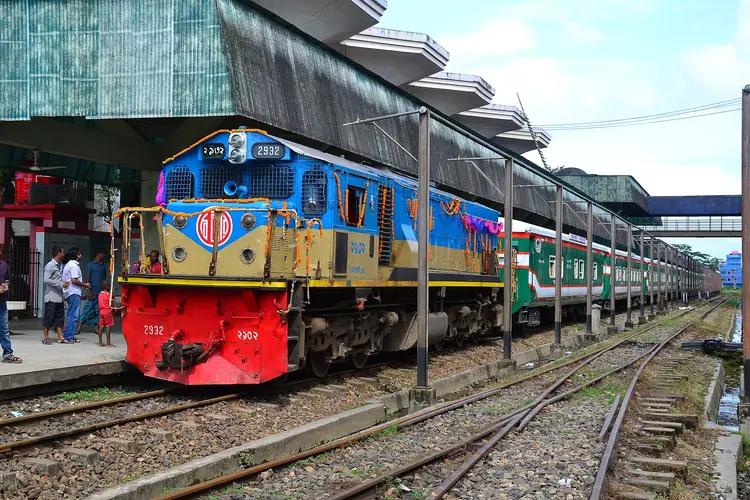
Cumilla is a town most people drive past. It lies about 86 km from central Dhaka in a straight line, on the highway and the railway that carry traffic towards Chattogram, Cox’s Bazar and the south-east. Buses and trains stop here for a few minutes, and passengers look out at a crowded market town. Few realise that a few kilometres to the west lies one of the oldest archaeological landscapes in the country.
The short version
- Cumilla is the natural overnight stop between Dhaka and Chattogram and the nearest base for the Mainamati ridge.
- One night is plenty: the ruins take a morning, the town takes an evening, and the road east is long.
- Sleep near the Kandirpar centre for food on foot, or choose a roadside hotel if you are driving and want an early start.
- Go between November and February; the ridge is exposed, and April and May are hot with sudden storms.
That landscape, the ridge of Lalmai and Mainamati, is why Cumilla deserves a night rather than a glance from a window. This guide is about the town as a base: where to sleep, how to arrange the day, how to arrive and leave, what to eat and when to go. It does not walk through the ruins in detail, because they are covered elsewhere, but it explains how they fit around a stay.
Why stop in Cumilla
The case for stopping is partly geography. The journey from Dhaka to Chattogram takes five to seven hours or more by road, depending on traffic, and five to six hours by train. Breaking it at Cumilla turns a tiring transfer into two comfortable ones, with an afternoon of sightseeing in the middle. The same logic applies if you are heading from Chattogram back towards the capital.
A night here also helps with timing. Trains and buses that leave Dhaka early arrive in the middle of the day, when the heat is at its worst, so the ruins are better kept for the next morning. Leaving Cumilla the following day with the afternoon free still lets you reach Chattogram, or a further stop on the way, in daylight, and you avoid the evening rush on the highway entirely.
The case is also cultural. Cumilla has a long reputation as a town of schools, colleges and rural development work, and its centre has more tree-lined avenues than most district towns. It is a relaxed place for a first walk: people are used to passing travellers, and the pace is slower than in Dhaka. For visitors who have only seen the capital, it gives a fair picture of a mid-sized Bangladeshi town without the intensity of the big cities.
Choosing where to sleep
Cumilla is small enough that the choice is simple. The centre around Kandirpar, a busy junction with shops, banks, tea stalls and sweet sellers, is the most convenient for food and cash machines. A number of hotels cluster in towers and buildings on the roads around the centre, with simple to mid-range rooms. Some larger hotels sit on the arterial roads, with parking and a bit more space.
| Option | How long | Who it suits |
|---|---|---|
| Lunch and Mainamati, then move on | Half a day | Drivers with a firm destination in Chattogram |
| One night in the centre | Evening and morning | Train travellers and anyone using rickshaws |
| One night on a main road | Evening and morning | Families with a car and an early start |
| Two nights | Whole day plus evenings | Slow travellers, photographers, people adding Lalmai |
Noise is the main trade-off. Hotels close to the junctions hear rickshaw bells and bus horns until late, while those set back from the road are quieter but need a ride into town. Ask for a room away from the street, and check the address and the transfer time before booking, since several buildings share similar names and sit close together.
Mainamati from your base
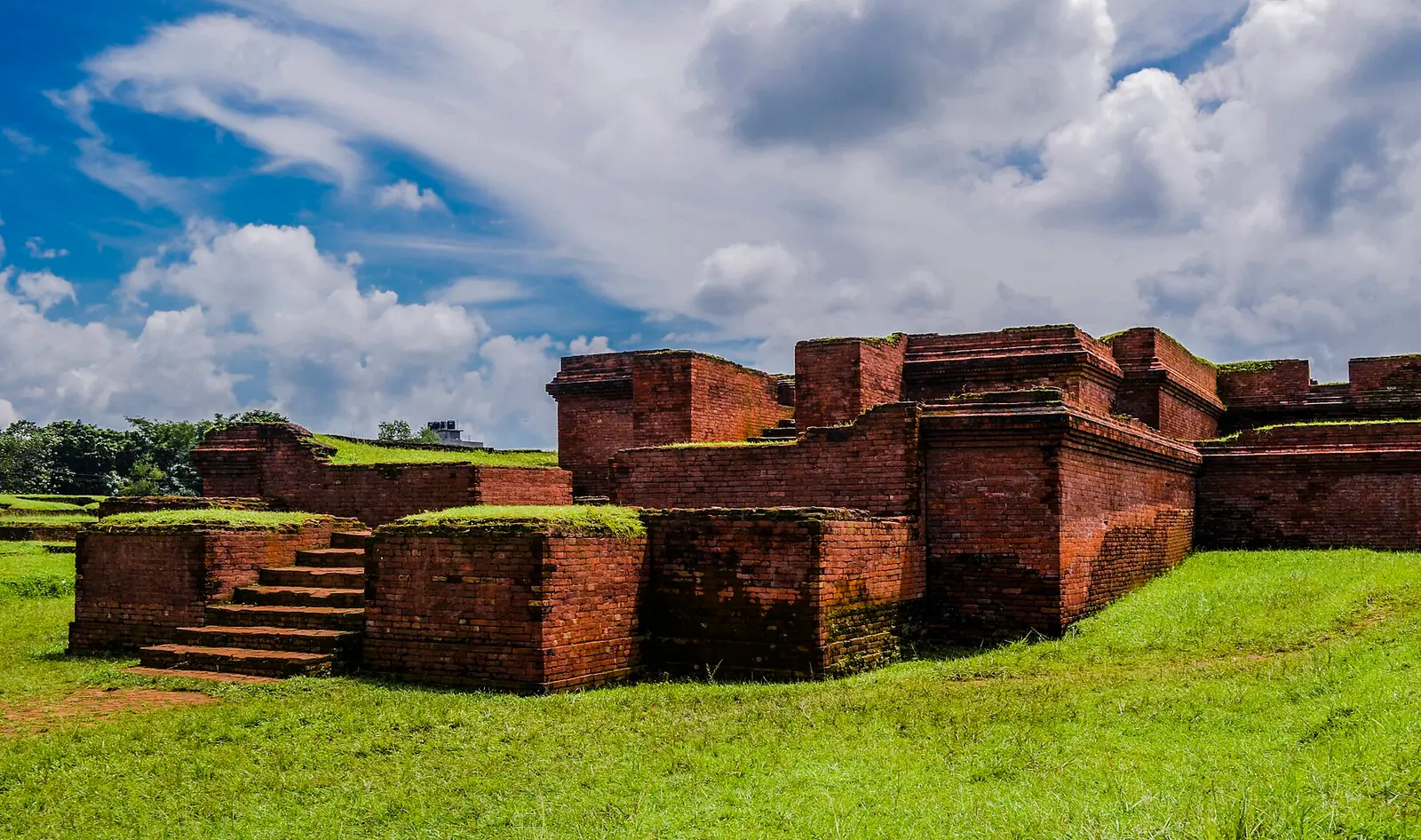
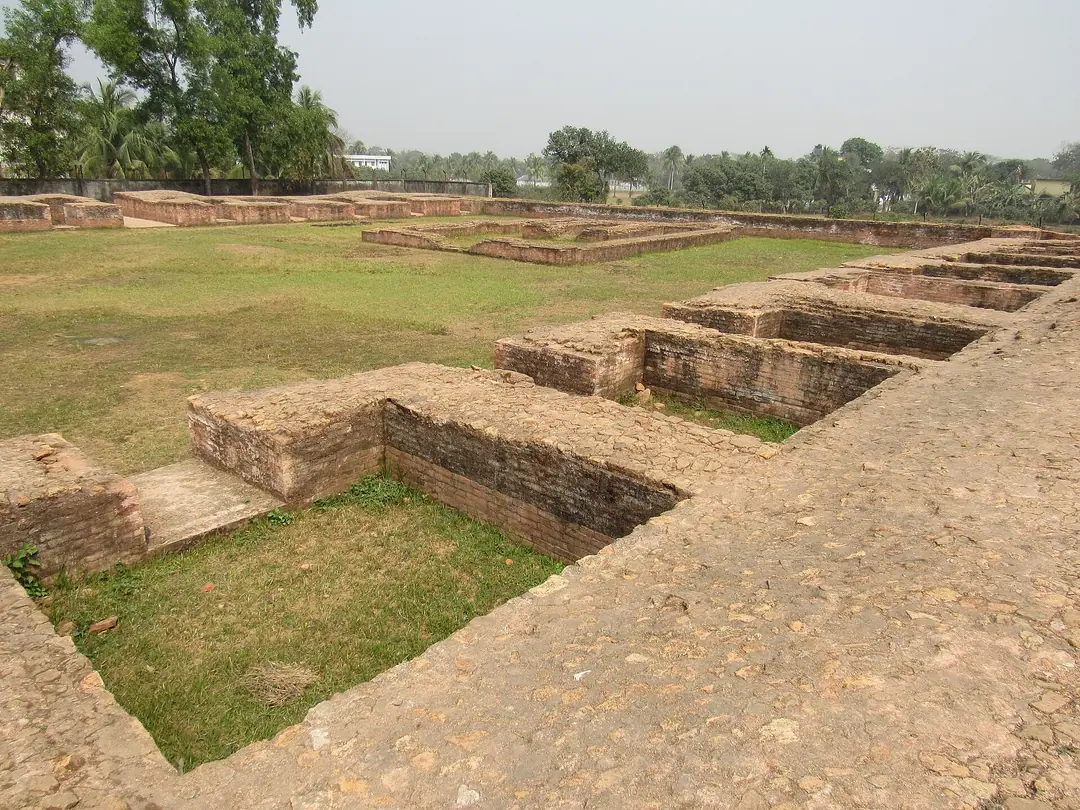
The Lalmai and Mainamati hills form a low ridge of red earth running north to south on the western side of the town. On it lie the remains of Buddhist monasteries and temples dating from around the eighth century. The best known is Shalban Vihara, a quadrangle of monastic cells around a central shrine, and the ridge also holds a number of smaller mounds and a museum with terracotta plaques and copper plates. The site is on the tentative list for World Heritage status.
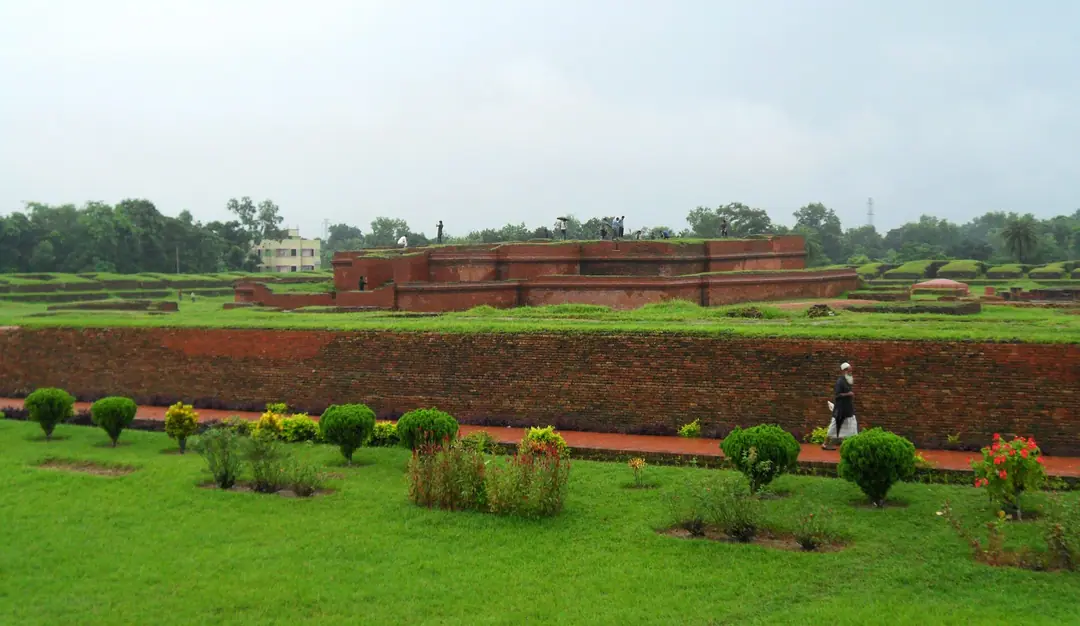
Plan about half a day, starting early. Paths between the sites are short but partly open to the sun, and the ridge has little shade. A rickshaw or CNG with a waiting driver is the easiest way to move between the mounds. Sites and the museum keep their own opening days, and a day off in the week is common, so ask your hotel to check by phone before you go. An entry fee applies for foreign visitors.
The town on foot
In the centre, the large rectangular pond known as Dharmasagar is a good place to start a walk, with people strolling around its banks in the evening. The town hall, the old colleges and the lanes behind Kandirpar are close together, and a single loop of an hour or two covers most of them. Cumilla is also known for khadi, the hand-spun, hand-woven cotton cloth, and a few shops still sell it by the length.
A short ride out takes you to the Commonwealth War Cemetery, where graves of soldiers from the Second World War lie in lawns with a calm and carefully kept atmosphere. On the western side, the rural development academy at Kotbari is known for experiments in village cooperatives from the 1950s and 1960s. It is more a place for specialists than for sightseeing, but it explains why the town has a name among development workers. Visits usually need permission.
Getting there and onward
Trains on the Dhaka to Chattogram line stop at Cumilla, and several intercity services call at the town. Book on the official Bangladesh Railway e-ticket site and check the timetable for your date, because services and stops change. By road, buses leave from the south-eastern terminals at Jatrabari and Sayedabad, and a private car or taxi saves the wait for a seat.
There is no airport in Cumilla. The simplest pattern is to arrive from Dhaka by train or car, stay the night, and continue towards Chattogram the next day. If you are heading on to the coast, the guide to Cox’s Bazar covers the next base, and the getting around Bangladesh guide explains how to choose between rail, road and air for the longer stretches.
Moving around Cumilla
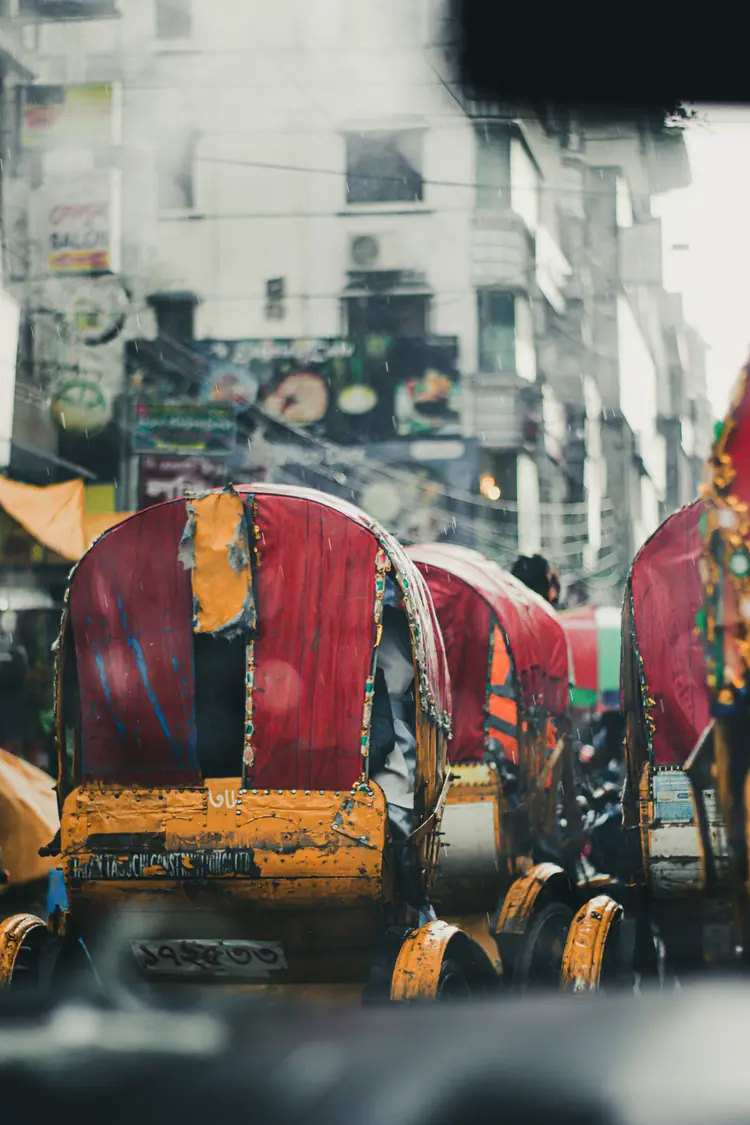
Inside the town, cycle rickshaws and battery easy-bikes are the standard way to cover short distances, and CNG auto-rickshaws take you further out. Agree the fare before setting off, carry small notes, and expect to pay a little more for a waiting driver at the ridge. Roads around the junctions are crowded at midday and again in the early evening, so a ten-minute ride can take twice as long at peak times.
Friday is the weekly day of congregational prayer, and the town is quiet in the middle of the day while the mosques fill, with many shops closed for an hour or two. Keep the middle of Friday free, and plan the ridge for the morning or for Saturday. The museum keeps its own weekly closing day, which is another reason to ask the hotel to phone ahead. Visitors who want a quieter pace can simply sit by the pond with tea and watch the afternoon pass.
What to eat
Cumilla’s best-known sweet is roshmalai: soft discs of fresh cheese soaked in thickened, lightly spiced milk. It is eaten chilled, usually as a small portion after a meal, and shops in the centre sell it by the box. Try it in the afternoon after the ruins, when the sweetness is welcome. Many travellers buy a box to carry onward, so ask the shop to pack it firmly for a long drive.
Meals follow the usual pattern: rice or flatbread with dal, vegetables and a fish or meat curry, plus tea stalls on every corner. Choose freshly cooked dishes and drink bottled or filtered water. The Bangladeshi food guide lists other dishes worth looking for as you travel through the country.
Seasons and practical points
Between November and February the weather is dry and the ridge is pleasant to walk. March is warming, and April and May are hot, with nor’wester storms that can arrive in the late afternoon. The monsoon from June to September brings heavy rain, green fields and muddy paths. Early morning fog in winter can slow the highway and the trains, so keep a margin if you have a flight or a ferry to catch.
ATMs are available in the town centre, but carry cash for rickshaws, the museum entrance and small meals. Dress with shoulders and knees covered. The ridge lies close to a military cantonment, and photographs of military areas are not allowed, so keep the camera away from anything that looks like a barracks or a checkpoint, and follow any guard’s instructions.
Travelling during Ramadan and Eid
Ramadan changes the rhythm of a stay in Cumilla. In 2027 it is expected to start around 8 to 9 February, within the main travel season, although the date depends on the sighting of the moon. Many food stalls and eating places close or screen their fronts during daylight, so arrange breakfast and lunch with your accommodation in advance. Avoid eating, drinking or smoking openly in the street. Towards sunset, shops fill with people buying food to break the fast, and transport can be harder to find while drivers stop to eat.
Eid al-Fitr is expected around 10 March 2027 and Eid al-Adha around 16 to 17 May 2027, both subject to the moon. In the days on either side, very large numbers of people travel to their family homes, filling trains, buses and the highway through Cumilla. Reserve seats and a room early, and allow much more time for road journeys. Some businesses stay shut for several days. Check holiday dates with official government announcements, and confirm train sale arrangements with Bangladesh Railway before fixing your plans.
A one-night plan
- Afternoon · Arrive from Dhaka
Take a late-morning train or car, check in, and walk to Dharmasagar and Kandirpar for the evening. Try roshmalai and a glass of tea.
- Morning · Mainamati
Leave early by rickshaw or CNG with the driver waiting. Walk the monastery remains and the museum while the ridge is cool, then return to the hotel for breakfast.
- Late morning · The war cemetery
Stop at the Commonwealth War Cemetery on the way back through town. Then take the train or car on to Chattogram, or return to Dhaka.
Cumilla works well as one stop in a longer loop. The 10-day itinerary shows how a route through the east can fit between the capital and the coast, and the visa checker covers entry rules for your passport before you plan the route.
Hotels to consider
Questions and answers
Is Cumilla worth a night on the way to Chattogram?
Yes, if you want to break a long road or rail journey and see the Mainamati ruins. Cumilla is roughly midway between Dhaka and Chattogram, has a good choice of simple hotels, and offers an easy evening walk. If you only have a day, you can lunch in town and visit the ridge without staying.
How far is Mainamati from Cumilla town?
Mainamati lies on a ridge on the western side of the town, a short rickshaw or CNG ride from the centre. Exact times depend on traffic and which mound you want to reach. Ask your hotel to arrange a driver who will wait while you walk, since the paths between sites are partly exposed.
Where do I stay in Cumilla, the centre or a main road?
Stay near Kandirpar in the centre if you want food and cash machines on foot and are using rickshaws or trains. Choose a hotel on a main road if you have a car, want parking and plan an early start. Rooms away from the street are quieter in either case.
What is Cumilla famous for eating?
Roshmalai is the town’s best-known sweet: soft cheese discs in thickened, lightly spiced milk, eaten chilled. Shops in the centre sell it in boxes, and travellers often take some onward. Cumilla is also known for khadi cloth, which is cotton woven by hand and sold by the length in a few shops.
Can I do Cumilla and Mainamati as a day trip from Dhaka?
It is possible but long. Cumilla is about 86 km from central Dhaka in a straight line, and the highway is slow with traffic. An early start by car or train gives you a few hours at the ridge and a lunch in town, but an overnight stay is much more relaxed.
When is the best weather for visiting Mainamati?
November to February is the most comfortable, with dry days and cool mornings, which matters because the ridge has little shade. April and May are hot, and nor’wester storms can interrupt a day outdoors. The monsoon from June to September makes paths muddy but turns the countryside green.
Is photography allowed around Mainamati?
Photography of the monuments and the museum is generally fine, but photographing military areas is not allowed, and the ridge lies close to a cantonment. Keep the camera away from barracks, checkpoints and guards, and follow any instruction you are given. Ask before photographing people, especially women and children.
Is there an airport in Cumilla?
No. Dhaka’s main airport is the nearest large gateway, and Chattogram is the closest city with domestic flights beyond it. Most travellers reach Cumilla by train or car from Dhaka, stay a night, and carry on east. Check the current train timetable on the official railway site before planning the connection.