On this page
Wildlife watching in Bangladesh is a matter of patience and place. Most of the country is farmland and towns, and animals live in the pockets that remain: hill forests in the north-east, wide seasonal wetlands called haors, the mangroves of the south-west and the beaches and islands of the south-east. In each, the right season and the right guide make a large difference.
The short version
- The hills of the north-east hold hoolock gibbons and capped langurs in protected forests such as Lawachara, Satchari and Rema-Kalenga.
- The haors fill with migratory birds in winter, with Baikka Beel, Tanguar Haor and Hakaluki Haor the most visited sites.
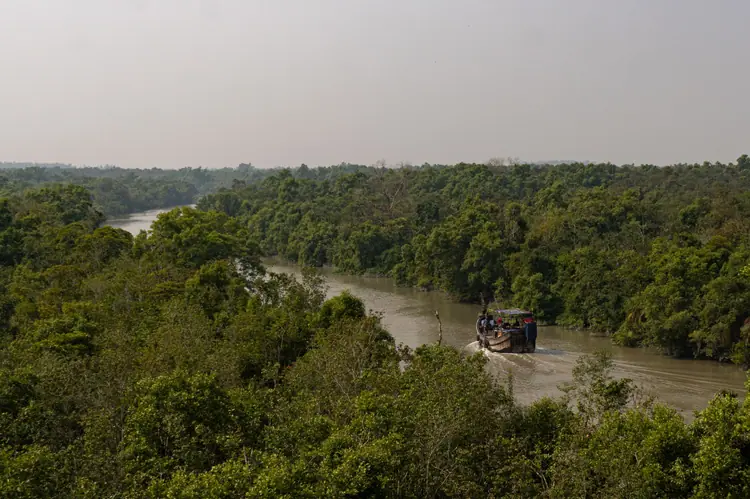
- The Sundarbans offers deer, crocodiles, kingfishers and the chance of a tiger track, but it is entered only by boat with a licensed operator and a permit.
- Sightings are never guaranteed, so go with a guide, keep your distance and follow the rules of each reserve.
This post is a short field guide for a visitor. It names the main places, says what you may realistically see, gives a season table and sets out a few rules that keep animals and people safe. It does not promise any sighting. If you only have a week, the seven-day route includes the most visited forest.
Gibbons and langurs in the northern forests
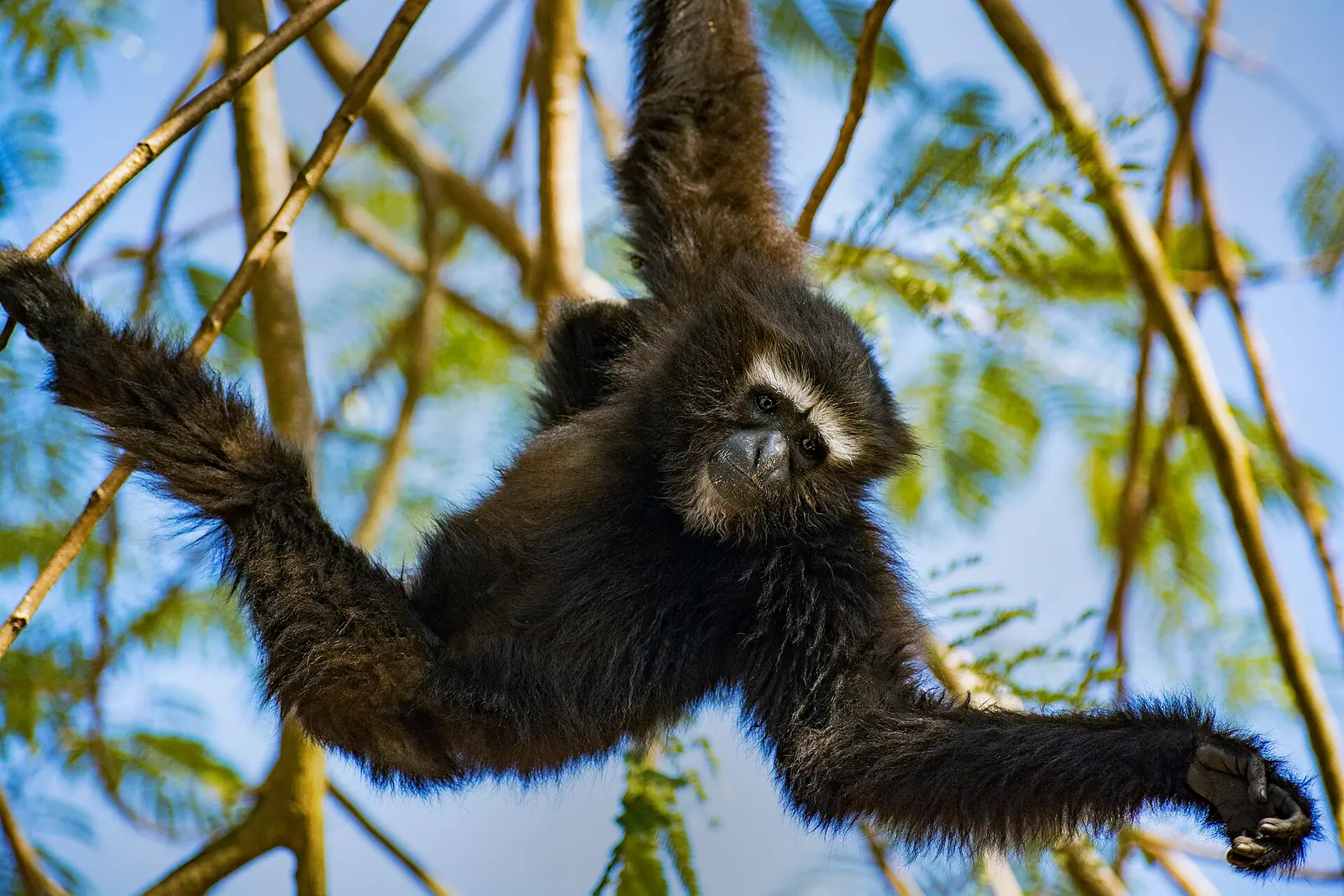
Bangladesh’s only ape, the western hoolock gibbon, lives in a few remaining forest patches in the north-east. At Lawachara National Park, in Moulvibazar district near Sreemangal, trails of about thirty minutes, one hour and three hours let you choose your effort. Gibbons are most active in the early morning, and their calls carry across the canopy before you see anything.
Go at first light with a guide, move slowly and stop often. A gibbon may be a dark shape high in a tree, and a guide spots movement that a first-time visitor misses. Expect to hear more than you see. The species is threatened here, and rangers ask visitors to keep their distance, speak quietly and never feed or call to the animals.
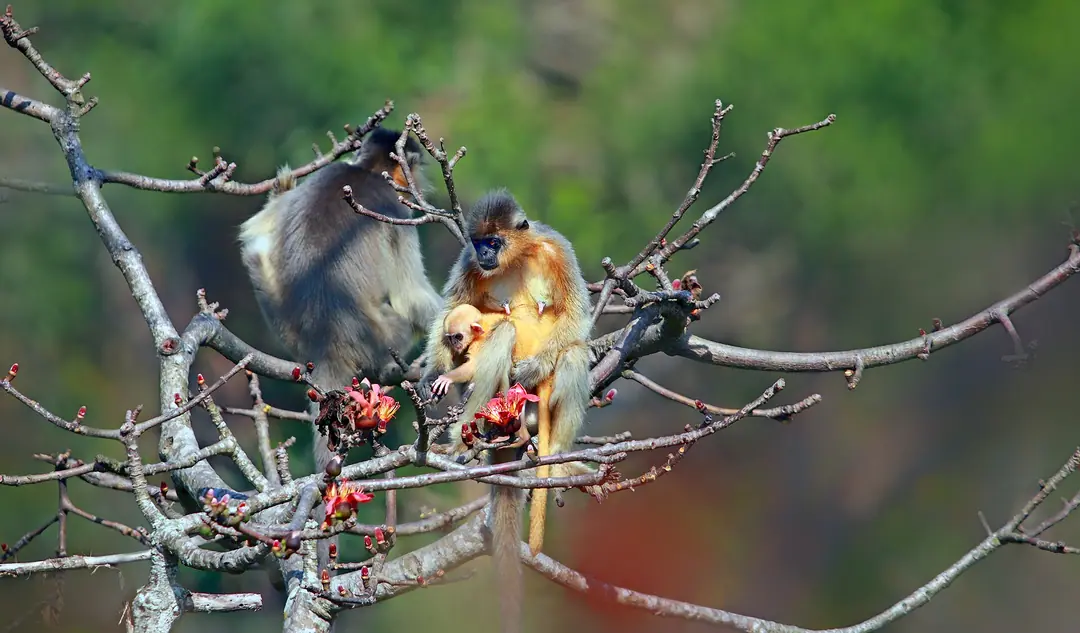
Satchari National Park and the Rema-Kalenga Wildlife Sanctuary, both in Habiganj district, offer similar forest with fewer visitors. Capped langurs, with their pale crown and dark body, are common at Satchari, and macaques turn up on the trails. Birdwatchers can see many forest species. Each reserve has entry rules and fees, so check the forest office or ask your hotel to arrange a guide.
Winter birds at the haors
Haors are seasonal wetlands that swell in the monsoon and shrink in winter. In the dry months, from November to February, they become a magnet for migratory birds arriving from the north, along with the resident waterbirds that live there all year. Baikka Beel, part of Hail Haor near Sreemangal, is among the most accessible, and a boat or a short walk gives a good view.
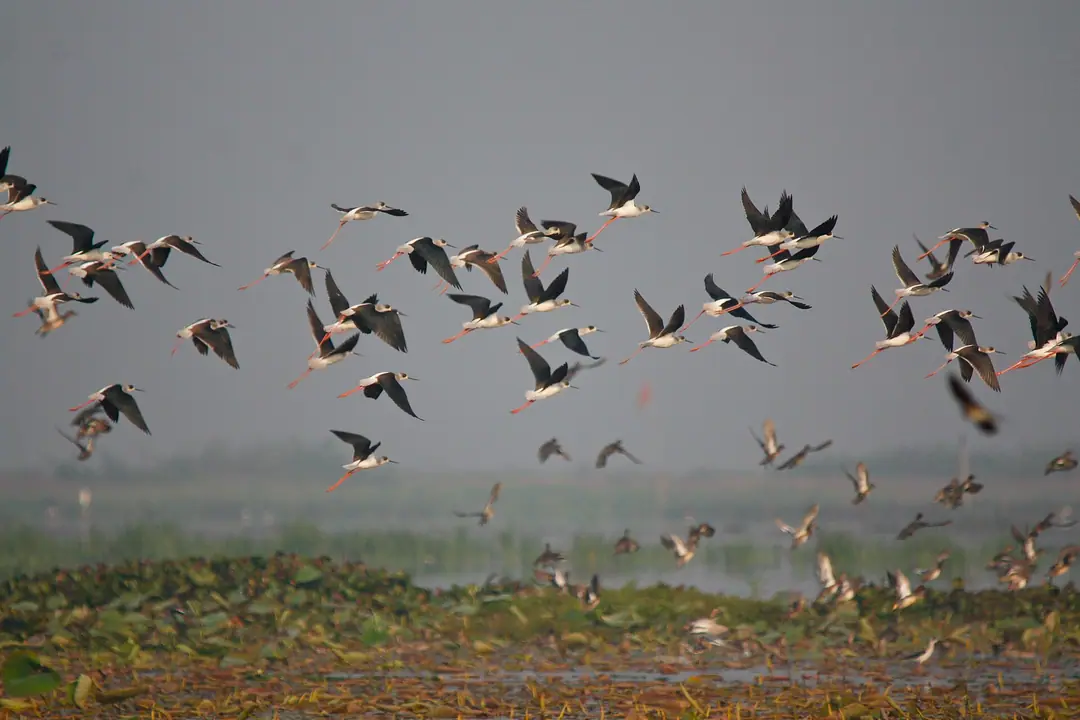
Tanguar Haor in Sunamganj, a Ramsar site, and Hakaluki Haor, spread across Moulvibazar and Sylhet districts, are larger and wilder. Both host large flocks of ducks, waders and other water birds in winter, along with kingfishers, herons and eagles. Getting there takes time and a local boatman, so plan a full day, and choose the early morning when the light is soft and the birds are active.
A pair of binoculars is the most useful item. Bring a light jacket for the boat, as mornings can be cool in January, and sun protection for midday. Sit still, keep voices low and let the boatman set the pace. Do not chase flocks to make them fly, as it wastes their energy in cold weather. Respect any nesting areas your guide points out.
Mammals, crocodiles and birds in the Sundarbans
The Sundarbans, the mangrove forest it shares with India, holds the Bengal tiger, spotted deer, wild boar, macaques, saltwater crocodiles and monitor lizards, and more than a few kingfishers. Most visitors see deer, birds and crocodiles. Tigers are rare to see, and a fresh track on a mud bank is a good result. See the Sundarbans guide for the cruise.
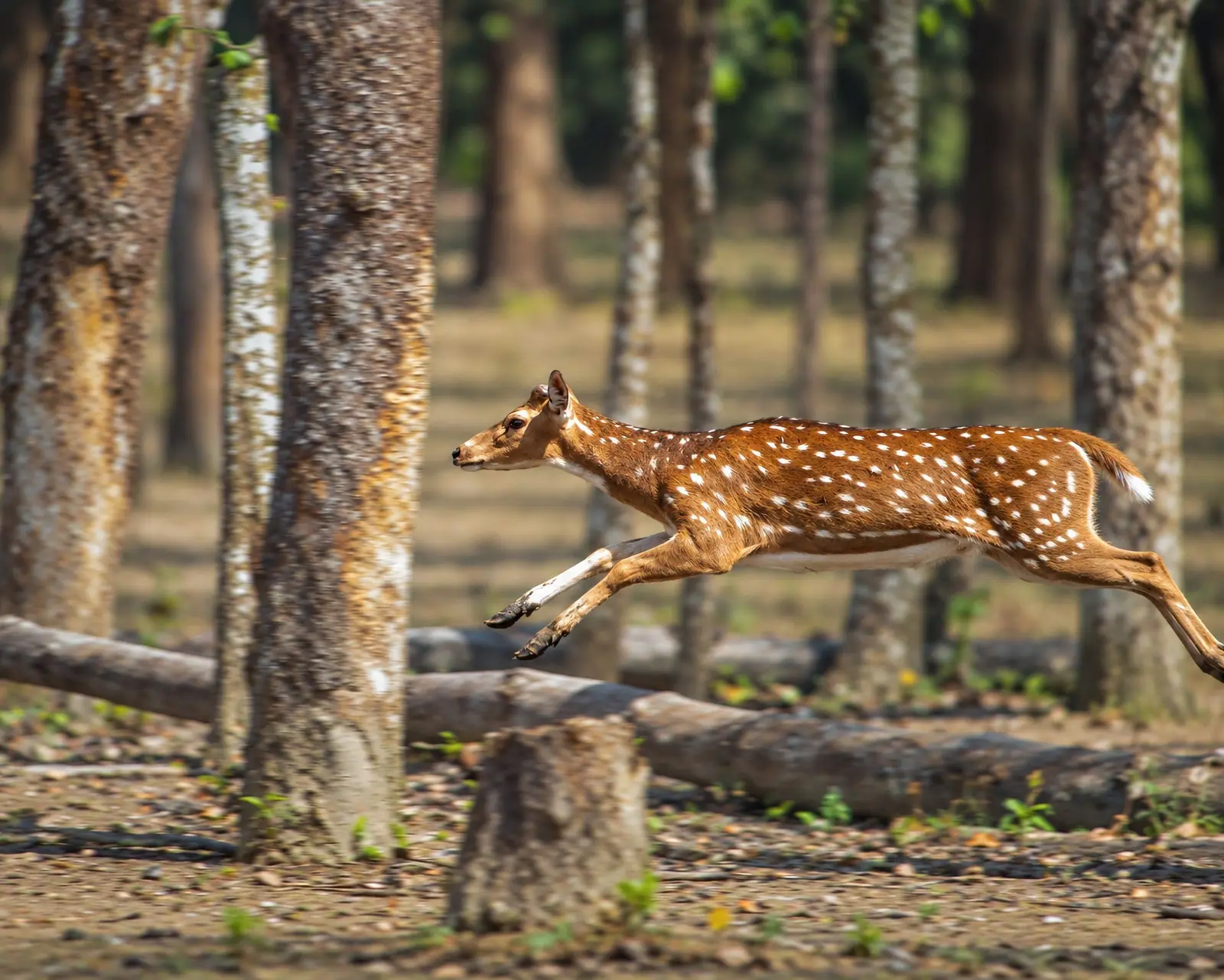
The forest is entered only by boat, with a licensed operator, a Forest Department permit and an armed guard. It is closed to visitors from 1 June to 31 August for the breeding season of fish and wildlife, and the main season is November to February. The Khulna guide covers the gateway and the practical steps. Do not leave the boat or the marked paths without your guide.
Rivers in this part of the country are also home to freshwater and estuarine dolphins. Ask your guide where they are seen, and be ready to wait. A dolphin surfaces for a moment and is gone, so keep your eyes on the water and your camera ready. Boats are asked to slow down near them, and visitors should not try to approach.
Shorebirds and turtles in the south-east
On the south-east coast, the tidal flats and islands near Cox’s Bazar draw shorebirds in winter. Sonadia Island, by Maheshkhali, is known for flocks of waders, and the spoon-billed sandpiper, one of the world’s most threatened birds, has been recorded there. Visits need a guide, a boat and a low-tide window, and they suit only serious birdwatchers with a local contact.
Olive ridley turtles have been recorded nesting on beaches of the south-east in the cooler months. If you are lucky enough to come across a nest or a hatchling, keep your distance, turn off lights and do not touch. Rules on Saint Martin’s forbid lights on the beach at night, loud noise and taking coral, shells or turtles. Check the current rules before you go.
The southern beaches change with the seasons and with human pressure. Fishing, lights and litter all affect birds and turtles. A traveller who stays on the marked paths, takes rubbish away and uses a local guide helps more than one who tries to get close. If you see a nest or an injured animal, tell the forest office or your hotel and leave it alone.
Realistic expectations
Be honest about what a short trip can deliver. Most visitors to Lawachara hear gibbons and see a few langurs, a squirrel and some birds, and a clear view of a gibbon is a bonus. On a weekend or a holiday, the trails fill with day visitors and loud groups, and animals retreat deeper into the forest. A weekday morning is far quieter and gives you a fairer chance.
Photography is harder than the pictures suggest. The animals in the finest images were often photographed over many days by people with long lenses and a lot of patience. A binocular view, a few clear minutes and a good guide’s knowledge are a better target than a perfect frame. Treat every sighting as a gift, and give a quiet thank you to the people who protect the forest.
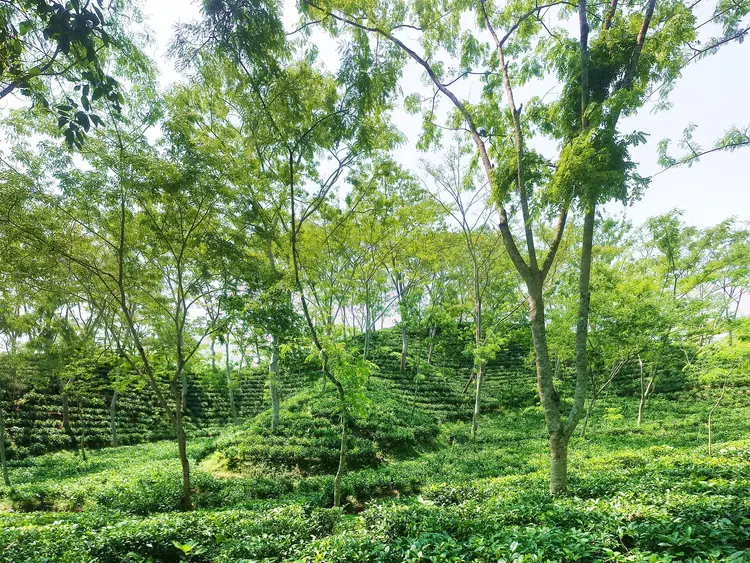
The reserves are small, and they sit among villages, roads and farms. Noise from a nearby road, the smell of smoke and the sight of tea pickers are part of the scene, not intrusions. Many of the people living nearby depend on the forest, and the Khasi, Manipuri and other communities of the area have long ties to it. Ask before photographing anyone, and buy local goods where you can.
A three-day wildlife route
- Day 1 · Dhaka to Sreemangal
Take a morning train, about five hours. In the late afternoon, walk the edge of a tea estate and listen for birds at dusk.
- Day 2 · Lawachara at dawn
Enter the forest at first light with a guide, and take the one-hour trail. After lunch, rest, then visit Baikka Beel in winter for birds in the evening light.
- Day 3 · Satchari or Madhabpur
Spend the morning at Satchari National Park for capped langurs, or at Madhabpur Lake, then take an afternoon train back to Dhaka.
This route fits into the rail-and-road leg of a longer trip, and it combines easily with the tea estates. For the Sundarbans, add a separate three-day cruise from Khulna in winter, and for the south-east coast, add a day trip from Cox’s Bazar with a specialist guide. Keep each trip short, and give each place enough time that you are not rushing from one list to the next.
A season table
| Place | Main season | What you may see |
|---|---|---|
| Lawachara and Satchari | November to February, early mornings | Hoolock gibbons, capped langurs, forest birds |
| Baikka Beel and Hail Haor | November to February | Migratory ducks, waders, resident waterbirds |
| Tanguar and Hakaluki Haor | Winter for birds, monsoon for landscape | Large flocks, kingfishers, boats at dawn |
| Sundarbans | November to February; closed 1 June to 31 August | Deer, crocodiles, kingfishers, tiger tracks |
| Sonadia and the south-east coast | Winter | Shorebirds, possible turtle nesting |
The pattern is simple. The dry, cool months from November to February suit forests, haors and mangroves alike, and the wet months change the landscape more than the wildlife. In the monsoon, the swamp forests and haors are full of water and the Sundarbans is closed. See the monsoon guide for what to do in the rains.
Guides, ethics and kit
Use a local guide wherever you can. A good guide knows the trails, the habits of the animals and the rules of each reserve, and the fee supports the people who live next to the forest. Ask your hotel for a recommendation, confirm the cost before you go and check what is included. Tip according to local custom, and ask how the fee is shared.
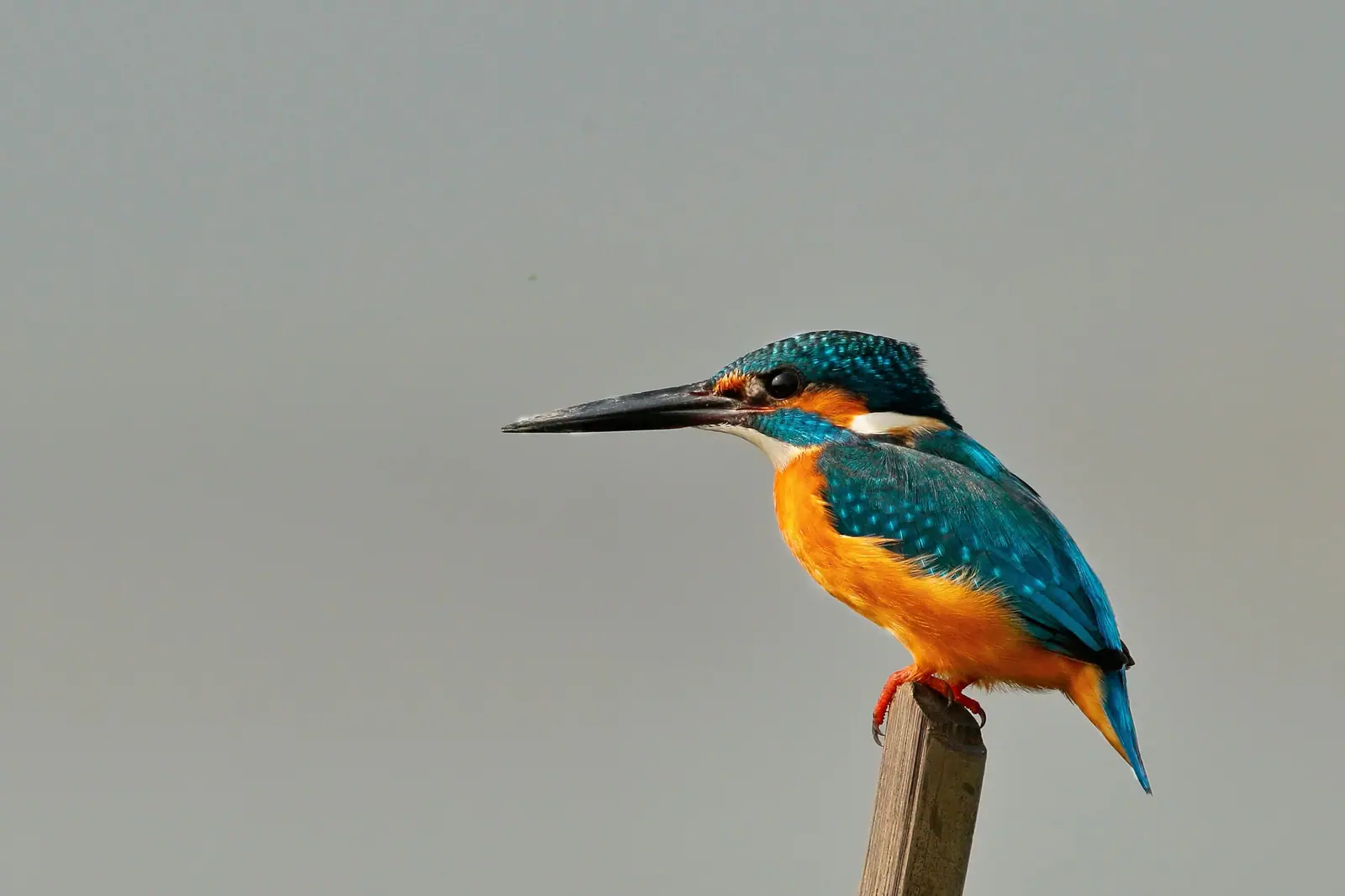
Photographers should not use flash on animals, and should not playback bird calls to draw a bird out. Both disturb breeding and feeding. Watch from where you are, and let the animal decide whether to approach. If an animal moves away, let it go. The reward of a quiet encounter is higher than a closer photo, and most guides will back you.
Rest in the middle of the day, when animals rest too, and plan your effort for dawn and the last hour of light. A day in Sreemangal can combine a morning gibbon walk, a long lunch and an afternoon at Baikka Beel. The tea trail guide gives a route, and Sreemangal makes a base for the forests and the haors.
Questions and answers
What time of day suits wildlife watching for hoolock gibbons in Lawachara?
Early morning, just after first light, when the gibbons are active and call across the canopy. Go with a guide, walk slowly and stop often. You will often hear them before you see them, and midday walks are usually quieter and less rewarding.
Which Bangladesh wetlands are good for watching winter birds?
Baikka Beel near Sreemangal is the easiest, while Tanguar Haor in Sunamganj and Hakaluki Haor in Moulvibazar and Sylhet are larger and wilder. November to February is the main season. Go early with a local boatman, and bring binoculars and a light jacket.
Can visitors to the Sundarbans see wildlife without seeing a tiger?
Yes. Most visitors see spotted deer, monkeys, crocodiles, monitor lizards and kingfishers, along with tiger tracks on the mud banks. A live tiger is rare. Go with a licensed operator, a permit and an armed guard, and set your hopes on the forest rather than one animal.
Is dolphin watching possible in Bangladesh, and where?
Freshwater and estuarine dolphins live in the rivers of the south, including channels near the Sundarbans. Ask your guide or boat operator where they are seen. Sightings are brief, so scan the water and keep your camera ready. Boats should slow down and keep a distance.
Where is spoon-billed sandpiper watching possible in Bangladesh?
The bird has been recorded on tidal flats of the south-east coast, including Sonadia Island near Cox’s Bazar, in winter. It is one of the world’s most threatened shorebirds, and a sighting needs a local guide, a boat and the right tide. Treat any visit as a serious birdwatching trip.
Do I need a guide to watch wildlife in Bangladesh’s national parks?
Yes, in practice. A guide knows the trails and the habits of the animals, handles entry rules and keeps you on safe paths. Some reserves require one. Ask your hotel to arrange a guide, confirm what is included and ask how the fee is shared.
Is turtle watching on Bangladesh beaches safe for turtles and visitors?
Watch from a distance, turn off lights and keep quiet, because lights and noise disturb nesting turtles. Never touch a nest or a hatchling. On Saint Martin’s, lights on the beach at night are banned. Check the local rules and follow the guide’s instructions.
What gear is most useful for watching wildlife in Bangladesh?
Binoculars matter most, then water, a hat, dull-coloured long sleeves and sturdy shoes. Carry insect repellent and a small waterproof cover for gear. In the rains, add long socks for leeches. A notebook helps you log what you saw and when.