On this page
Money and mobile data are the two small chores that shape the first day in Bangladesh. Neither is hard. Both reward a bit of preparation, because a taxi driver cannot change a large note at midnight and a phone without a data plan cannot find the hotel. This guide walks through what to bring, what to buy at the airport and how to stay connected outside the cities.
The short version
- Carry taka in small notes for rickshaws, markets, tea stalls and entry gates, because big hotels and chain shops are the main places that take cards.
- ATMs are common in cities and district towns and rare in remote places, and none can be relied on in the Sundarbans or on Saint Martin’s.
- A local SIM needs your passport and a fingerprint, and the counters in the arrivals hall at Dhaka airport handle the registration.
- Mobile wallets are tied to a local ID and number, so do not plan to open one, and treat coverage as patchy in forests, hills and at sea.
Details change, so every rule below is a pattern rather than a promise. Rates, limits, fees and registration steps are set by banks, regulators and phone companies, and they move. Where a rule matters to your trip, check it with the operator or bank before you leave, and keep this page as a map of what to ask.
The taka and its small change
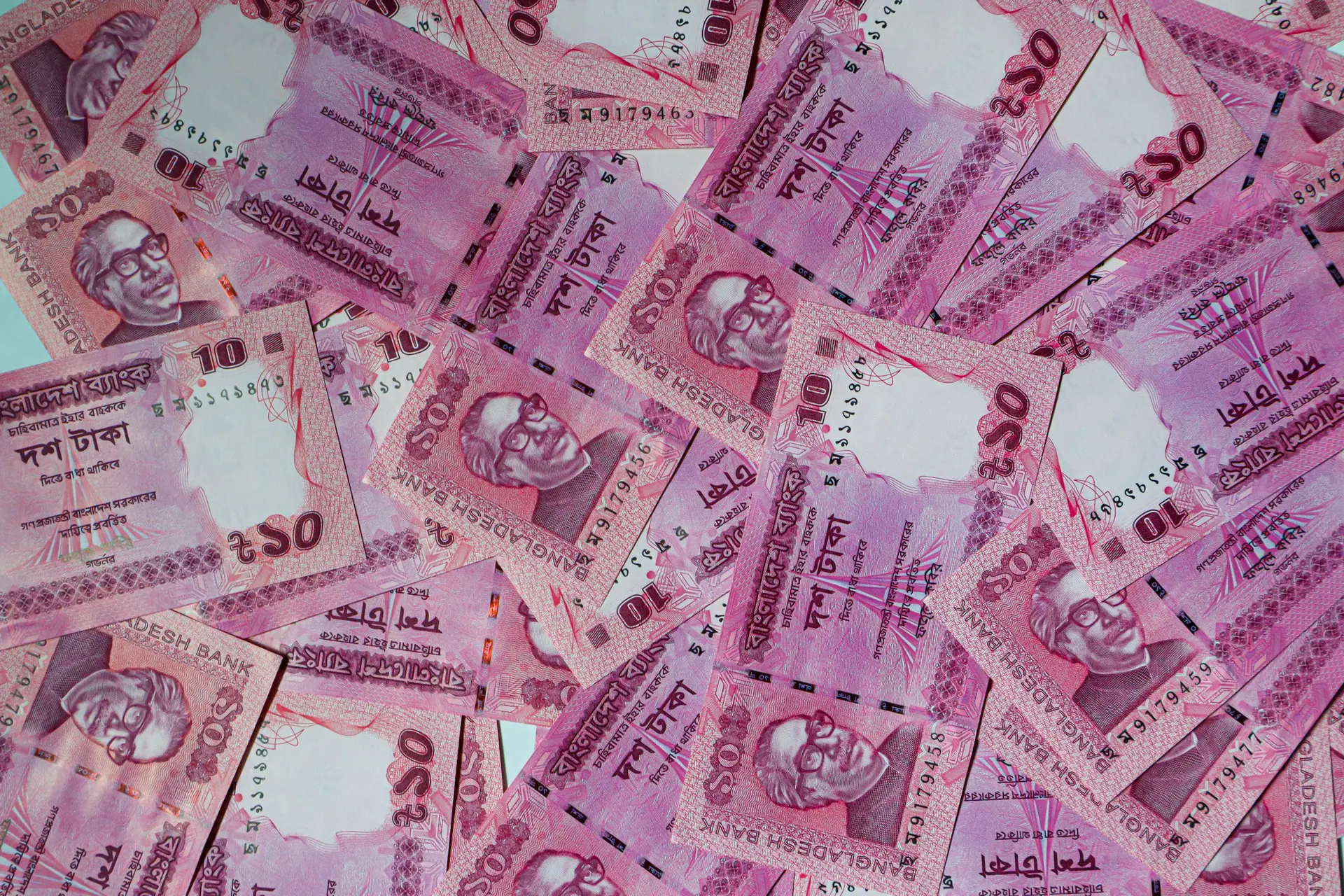
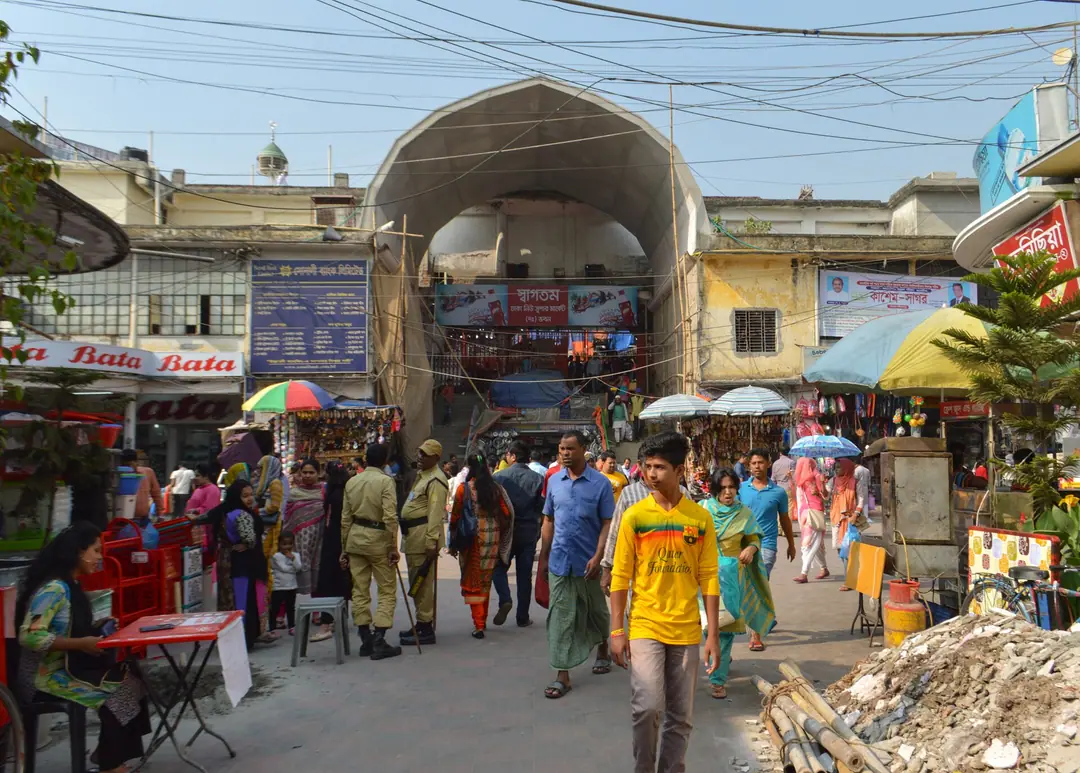
The currency is the taka, written BDT and often shown with the symbol ৳. Notes range from small to large denominations, and coins exist but are rarely used. The practical problem is not the exchange rate. It is change: shopkeepers, rickshaw drivers and tea sellers often cannot break a large note, so a stack of smaller ones is worth more than a few big ones.
Get small notes early. Ask the hotel reception to break a large note into smaller ones, or pay for a first purchase at a shop that clearly has a till. Keep your daily spending money in a front pocket, and your reserves in a bag or money belt. Worn notes are normal. Torn or heavily taped notes may be refused, so decline them when you receive change.
Prices in tourist places are not always posted. In shops with a printed price, the price is fixed. In markets, taxis and rickshaws, agree the price before you move, and be ready to pay in exact notes. A calm, friendly negotiation is part of the day. Write the number on your phone if the language gets in the way, and show it to the other person before you agree.
ATMs and cards
ATMs are in all cities and district towns, usually in banks, shopping centres, petrol stations and airports. Many accept international Visa and Mastercard cards, and some accept only local ones, so try another machine rather than assuming your card is the problem. Each machine sets its own per-withdrawal limit, and your home bank may add a fee, so ask both before you travel.
Use machines inside a bank branch or a guarded lobby, and withdraw in daylight. Cover the keypad, keep the receipt and count the notes before you leave. If a machine keeps the card, go to the branch during opening hours. Tell your bank you will be abroad, so that a first withdrawal in Dhaka does not trigger a block on the card.
Cards work at big hotels, malls, airline offices and chain restaurants, and are less useful elsewhere. A hotel may add a charge for card payment, and some places ask for cash even when a card terminal sits on the counter. Outside the cities, ATMs thin out and cash is the rule. On the Sundarbans boats there are no machines, and on Saint Martin’s you cannot count on one, so bring cash with you.
Exchanging cash
Foreign cash can be exchanged at banks, at licensed money changers and at counters in the airport. Bring clean, undamaged notes, since creased or marked notes can be refused or discounted. Rates differ between counters, so compare two before you commit, and ask whether a fee applies. Do not change money in the street, however good the offer sounds.
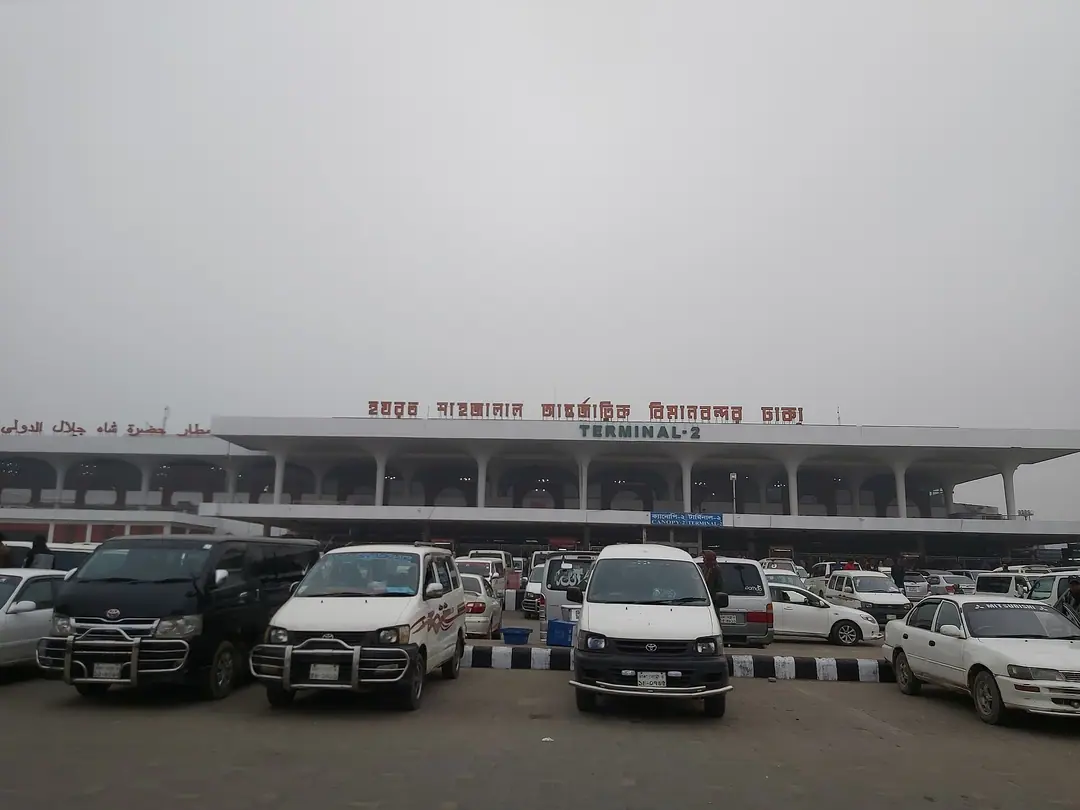
Always keep the exchange receipt. It records the amount, the rate and the date, and it may be useful if you are asked to show where your taka came from. Some travellers also like to keep a few foreign notes as an emergency reserve. For the airport arrival, read the airport to city guide, which covers the first hour on the ground.
On the way out, you may be tempted to change leftover taka back. The rules for converting taka to foreign currency, and for carrying taka out of the country, are set by Bangladesh Bank and customs, and they have been strict. Plan to spend the last notes, and check the current rules with your airline, the airport counters or customs before your departure date.
Tipping and bargaining
Tipping is appreciated rather than required. In restaurants, check whether a service charge is already on the bill; if it is, nothing more is expected. If not, rounding up or leaving a small amount for the waiter is a courtesy. Drivers and guides who spend a day with you are usually thanked at the end, with the amount set by what felt fair for the service.
Guides on boat trips and at national parks often have an official rate set by the operator, and a tip for the whole crew is often shared. Ask your operator what is customary and how the money is divided. Hotel porters and housekeeping staff take small amounts gladly. Always hand the money over discreetly, with a smile and a thank you, and avoid making a show of it.
Bargain in markets, with rickshaw drivers and in unmetered CNG auto-rickshaws, but not in shops with printed prices or at restaurants. Ask the price, offer a little lower, and settle where both sides are comfortable. Do not haggle for a very small difference and then walk away: the goal is a fair deal, not a victory. If you are unsure of the going rate, ask your hotel.
Mobile wallets and local payments
Many Bangladeshis pay with mobile wallets such as bKash, Nagad and Rocket. They are used for bills, transfers and shop payments. The catch for visitors is that these services are tied to a local ID and a local phone number, so you should not plan to open one. If a shop offers to take a payment through a wallet, you can pay in cash instead.
Some guides, hosts and drivers will accept a transfer from a local contact, but that is a private arrangement and not a service for travellers. Keep cash for the day and ask your hotel before sending money to anyone. Do not hand over your passport or card details to a stranger who offers to set up a wallet on your behalf.
SIM registration step by step
Four networks cover the country: Grameenphone, Robi (which includes the former Airtel network), Banglalink and the state-owned Teletalk. Counters for the first three are in the arrivals hall at Dhaka airport, and branded shops are in every city. Registration is mandatory, and it needs your passport, a photo and a fingerprint, which the staff scan on the spot.
- 1 · Carry your passport
The original document is required, and so is the visa page. Have a passport photo or let the counter take one.
- 2 · Unlock your phone
A phone locked to another carrier cannot take a local SIM. Check with your home network before you fly.
- 3 · Choose a counter
Compare two operators if you can. Ask which data packs suit your length of stay and where you will travel.
- 4 · Register
Staff scan your passport and fingerprint and fill in the form. Read what you sign, and ask for a copy.
- 5 · Buy a data pack
Packs are sold by days and gigabytes. Ask for the pack to be switched on and test it before you leave the counter.
- 6 · Wait for activation
Registration can take a few hours to complete. Keep Wi-Fi available for the first evening, and keep the receipt.
Operators, eSIM and coverage by region
The networks differ in reach and price, and the right choice depends on your route rather than a ranking. Ask your hotel or guide which one holds up in the places you are visiting. Teletalk is often useful in remote parts but has a smaller network. Check data packs and validity on the operator’s own site or at the counter, because bundles change often.
An eSIM is another route. Some local operators sell them, and several travel eSIM sellers cover Bangladesh. Your phone must be unlocked and support eSIM. It saves a counter queue and lets you connect on landing, but it may not offer a local voice number, and a few local services want a local number for a code. Keep a physical SIM as a back-up if your phone supports two.
| Region | What to expect | What to do |
|---|---|---|
| Dhaka, Chattogram, Sylhet | Strong data in the cities and the towns around them | Rely on maps and ride-hailing apps |
| Cox’s Bazar and the coast | Generally good along the main beach and the Marine Drive | Download maps before heading south |
| Sreemangal and the tea hills | Good in towns and patchy in forests and estates | Save the trail or route offline |
| Sundarbans and river boats | Weak or absent on the water | Tell family before you leave and plan to be offline |
| Hill Tracts and Saint Martin’s | Patchy, with gaps in valleys and out at sea | Carry cash, offline maps and a paper booking |
Coverage fades in the Sundarbans, in the deeper parts of the hills and out at sea, and trains are not a reliable place for a video call. The Sundarbans is covered in the boat trip guide. If you are travelling for work, plan your calls for hotels and towns, and move big downloads to the hotel Wi-Fi.
Staying powered, receipts and leaving
Electricity is 220 volts, and the sockets you meet are plug types A, C, D and G, so a universal adapter is the sensible bag item. Short power cuts happen outside the biggest cities. Hotels often have a generator or battery backup, but guesthouses may not. Carry a power bank, charge devices whenever you can and keep a torch in your day bag.
On trains and boats, charging points are rare or unreliable, so a power bank matters on a long ride. The train guide has tips for keeping devices safe on board. Mobile data can slow in storms and at big gatherings, so do not leave a vital ticket or booking only in your inbox. Take a screenshot or a printout of anything important.
Before you leave, keep all exchange receipts, hotel bills and any SIM registration paperwork, in case a question comes up. Spend or exchange your last taka, and check the current rules for carrying cash out. For entry rules and visas, which are separate from money, see the visa page and the official site for your nationality.
Questions and answers
How much money in cash should a visitor to Bangladesh carry each day?
Carry enough small notes for the day’s rickshaws, tea, entry gates and meals, and keep a reserve in a separate bag. Card use is limited outside big hotels and malls. The right amount depends on your route, so ask your hotel what a typical day costs in that town.
Do Bangladesh ATMs accept foreign cards?
Many accept international Visa and Mastercard, and some accept only local cards. If one machine refuses yours, try another, ideally inside a bank branch. Each machine sets its own withdrawal limit, and your home bank may add fees, so ask both before you travel.
Can a foreigner open a mobile money wallet such as bKash or Nagad?
Do not plan on it. Mobile wallets are tied to a local ID and a local phone number, which visitors usually do not have. Pay in cash, or by card where accepted. Check with the wallet’s own site if you have a long stay and a local contact.
What do I need to buy a SIM card in Bangladesh?
Bring your passport and an unlocked phone. Registration needs the passport, a photo and a fingerprint scan, and counters in the arrivals hall at Dhaka airport handle it. Activation can take a few hours, so keep Wi-Fi available for the first evening.
Are SIM cards or an eSIM better for a trip to Bangladesh?
An eSIM saves a queue and connects on landing, but may lack a local number that some services want. A local SIM suits a long stay and gives a number for calls. If your phone supports two SIMs, use both: eSIM for arrival, local for the trip.
Will SIM cards and mobile data work in the Sundarbans and the hills of Bangladesh?
Coverage is weak or absent on the water and in the deeper parts of the Sundarbans, and patchy in the hills and out at sea. Tell family your plan before you leave, download offline maps and carry a paper copy of your booking.
Is tipping money expected in Bangladesh restaurants and on tours?
Tips are appreciated but not demanded. Check whether a service charge is on the bill, and if it is, nothing more is expected. For guides and boat crews, ask your operator what is customary and how it is shared, and hand it over discreetly at the end.
Can leftover taka be changed back to foreign money when leaving Bangladesh?
Rules for converting taka back and carrying it out of the country are set by Bangladesh Bank and customs, and they have been strict. Plan to spend your last notes, and check the current rules with your airline or the airport counters before departure.