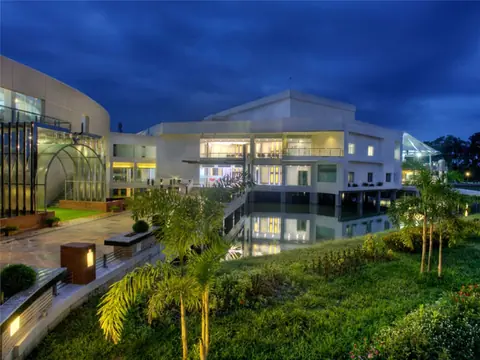
★★★★
Gazipur Sadar runs from the factory streets of Tongi to the offices of Joydebpur and the edge of the sal forest. Where you sleep shapes each day.
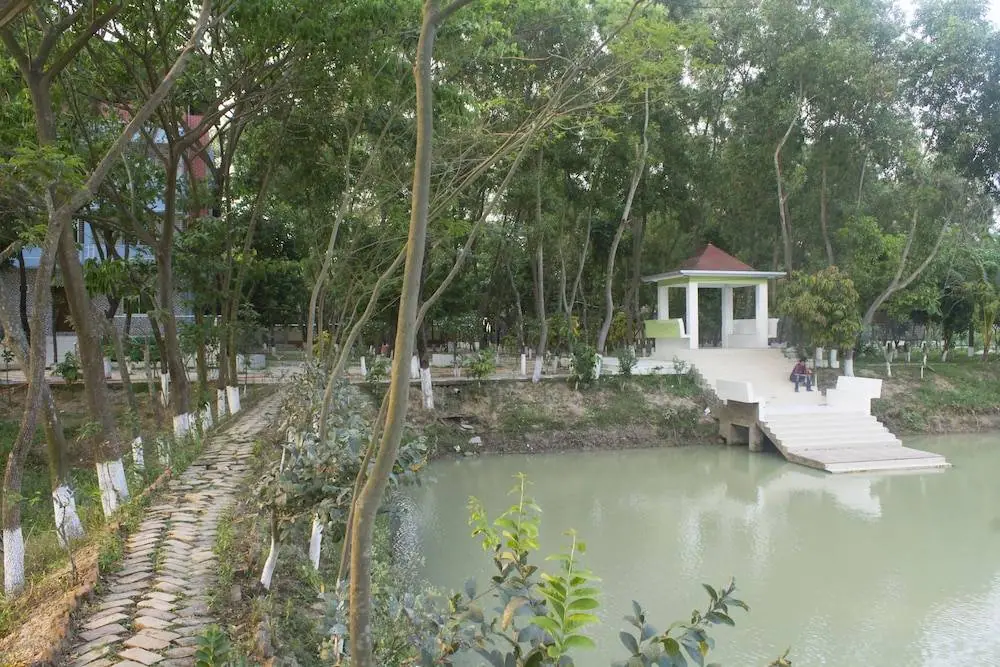
Five-star first, then four-star, then the rest by the booking supplier’s guest score. Prices are live in the IMPT app.
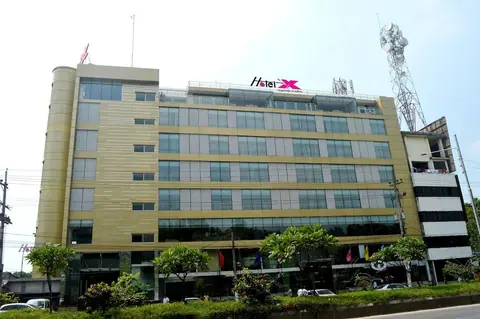
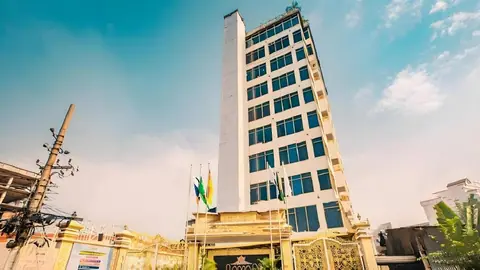
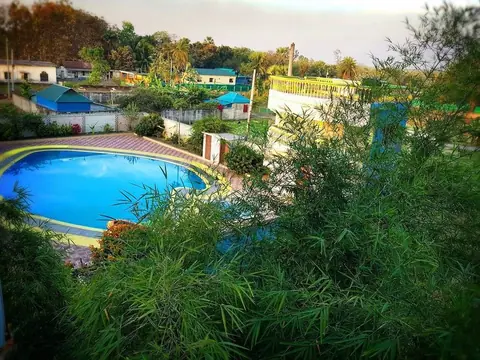
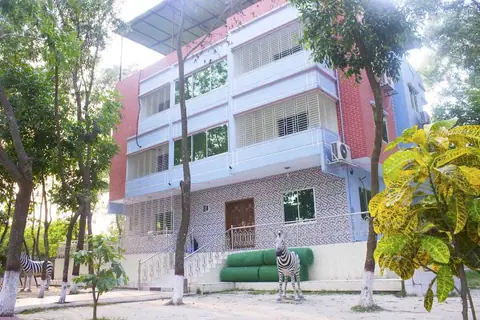
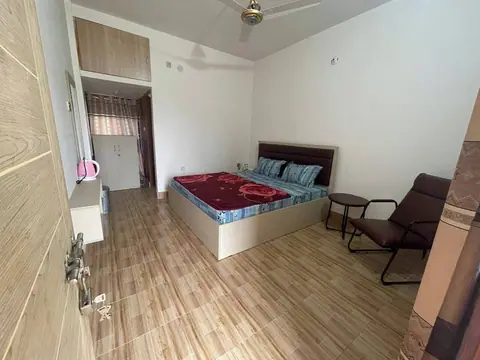
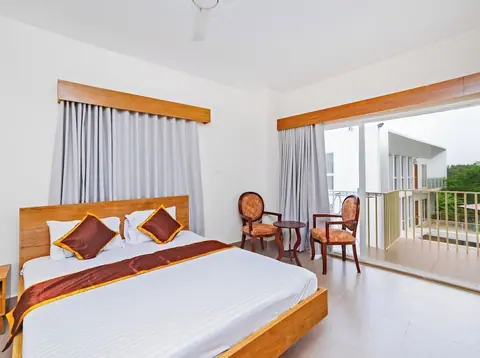
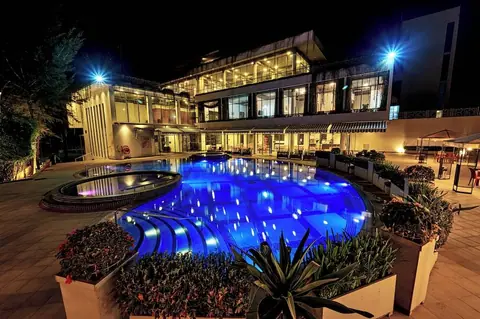

Gazipur Sadar suits travellers with work in the factories, institutes or universities north of Dhaka, and families who want a weekend among trees. It is less convenient for sightseeing in Old Dhaka. Choose by your first appointment of the day: Tongi for the capital side, Joydebpur for district business, and the forest fringe for quiet.
Tongi sits on the Turag river, facing Uttara across the water. It is a working town of factories, workshops, wholesale trade and crowded main roads. A stay here suits buyers, engineers and visitors whose meetings are in the surrounding industrial streets. Expect horns, trucks and heavy foot traffic from early morning, especially when factory shifts change. Ask for a room away from the highway, and check how a vehicle reaches the entrance, since side lanes can be narrow.
Travellers looking for lakeside walks or a quiet evening should look in Uttara or near the forest instead. Tongi is also where the Bishwa Ijtema, a very large Muslim gathering, is held beside the Turag, usually in January or February. Roads and trains fill heavily around those days, and rooms may be hard to arrange. Dates follow the organisers' announcements, so check with the district administration or traffic police notices before booking a winter visit.
The Gazipur side of the upazila is organised around its main roads. Chowrasta, the large junction marked by a Liberation War sculpture, is where routes towards Mymensingh, Joydebpur and Dhaka meet. Streets around it are lined with food stalls, pharmacies, bus stands and small businesses. Staying close gives easy onward transport and late activity. It suits people moving between several work sites, who value a quick start over calm surroundings. Noise carries well into the evening.
South of the junction, the Board Bazar area is known for the National University and the Islamic University of Technology. Visiting academics, examiners and families of students may prefer to sleep on this side to avoid a morning crossing of the busiest stretch. Road works and diversions have affected the corridor towards the airport, so check the current position with local traffic notices. Light sleepers should request an upper floor facing away from the road, or choose the greener northern side.
Joydebpur is the district town, with government offices, courts, markets and the old Bhawal Rajbari, a long colonial-era palace now in official use. Its streets are busy but more local in scale than the highway. Rickshaws handle short trips, and the railway station is a useful anchor. A room here suits officials, researchers and anyone with paperwork at district level. Look at the building's access in the rainy months, when low lanes can hold water after heavy downpours.
The town is also associated with national research bodies, including the Bangladesh Agricultural Research Institute and the Bangladesh Rice Research Institute, along with Dhaka University of Engineering and Technology. Their campuses bring a steady flow of visitors. Evenings are modest: tea stalls, sweet counters and market shopping, with most activity winding down as the night goes on. Travellers wanting a wide choice of international food or late entertainment will be better served in Uttara, Banani or Gulshan.
North of the town, the built-up streets give way to sal forest, fields and walled garden resorts around Bhawal National Park and Rajendrapur. The middle of the area's hotels lies 0.7 km from the park in a straight line, though the road entrance may be a longer trip. These stays suit families, company retreats and couples wanting birdsong and open space. They are less suited to anyone who needs to walk out for supplies or catch frequent public transport.
Food in the towns is mainly Bangladeshi: rice with fish, lentils and mashed vegetable bhorta, plus biryani, tehari, parathas and sweets. Gazipur is well known for jackfruit, which appears in markets in the warmer months. Resort stays often centre meals on the property, so confirm whether day meals need ordering ahead. Choose bottled or filtered water. Alcohol is limited to licensed premises. Evenings near the forest are dark and quiet, and transport is best arranged before nightfall.
Hazrat Shahjalal International Airport is 28.1 km away in a straight line, and the road journey is longer. Traffic through Gazipur and Tongi can be very slow, so leave a wide margin for flights or spend the last night near the terminal. Trains offer another approach: Joydebpur and Tongi link towards Airport station, across the road from the terminal. Services and stopping patterns change, so check Bangladesh Railway before relying on a particular train.
Within the district, Gazipur Safari Park lies 8.6 km off in a straight line, to the north in Sreepur. Nuhash Polli, the garden retreat created by the writer Humayun Ahmed and the site of his grave, is another outing. Opening days and entry rules can change, so check with each site, and expect that a fee applies. Hire a CNG auto-rickshaw or car for these trips and agree the fare, including waiting time, before setting off.
Start with the address you need most often. Tongi works for the Dhaka side and nearby factories, Joydebpur for district offices and research institutes, and the northern forest fringe for rest. A first-time visitor without fixed appointments, mainly interested in Dhaka's sights, will usually find a base inside the capital more practical than any part of Gazipur Sadar.
It is a demanding base for that purpose. The trip from Gazipur Sadar to Old Dhaka crosses the northern suburbs and much of the capital, and congestion can consume a large part of the day. A train to a Dhaka station may help on part of the route. For several days of city sightseeing, move to accommodation closer to the old quarters.
Some garden properties around Gazipur Sadar accept day visitors as well as overnight guests, but arrangements differ. Contact the property before travelling, ask what the day booking includes and confirm arrival and departure times. Fridays, Saturdays and holidays tend to be busier with families and groups. A weekday visit is likely to be quieter, though company events can also take place then.
The dry, cool months from November to February are generally the most comfortable in Gazipur Sadar for walking and day outings. April and May are hot, with nor'wester storms, while June to September brings monsoon rain and waterlogged lanes. Winter fog can slow morning travel. Check Bangladesh Meteorological Department warnings, and allow for Bishwa Ijtema crowds around Tongi.
Transport usually continues on main roads in Gazipur Sadar after dark, but choice thins on side lanes and near the forest. Arrange the return trip in advance, share your route with someone and carry the property's phone number. Read current official travel advice before the visit. The national emergency number is 999 for police, fire and ambulance.
Yes, carry taka for rickshaws, auto-rickshaws, market purchases and small eating places in Gazipur Sadar. Cash machines are found in urban areas, but one may be some way from a forest-side property, and a foreign card may not work in every machine. Withdraw before leaving the main roads, keep small notes and ask your accommodation which payment methods it accepts.
Choose modest, light clothing that covers shoulders and knees in the towns and villages of Gazipur Sadar. Closed or sturdy footwear helps on uneven streets and forest paths, and rain protection is useful in the monsoon. In winter, bring a light layer for cool mornings. Ask before photographing people, and avoid taking pictures of military areas, including around the cantonment at Rajendrapur.
Ask about road noise, lift access, drinking water, mosquito protection and backup power. At a garden property in Gazipur Sadar, also ask whether ponds or pools are fenced and supervised, and how far the rooms are from dining areas. Confirm that a vehicle can reach the entrance in heavy rain, and find out where the nearest hospital or clinic is.