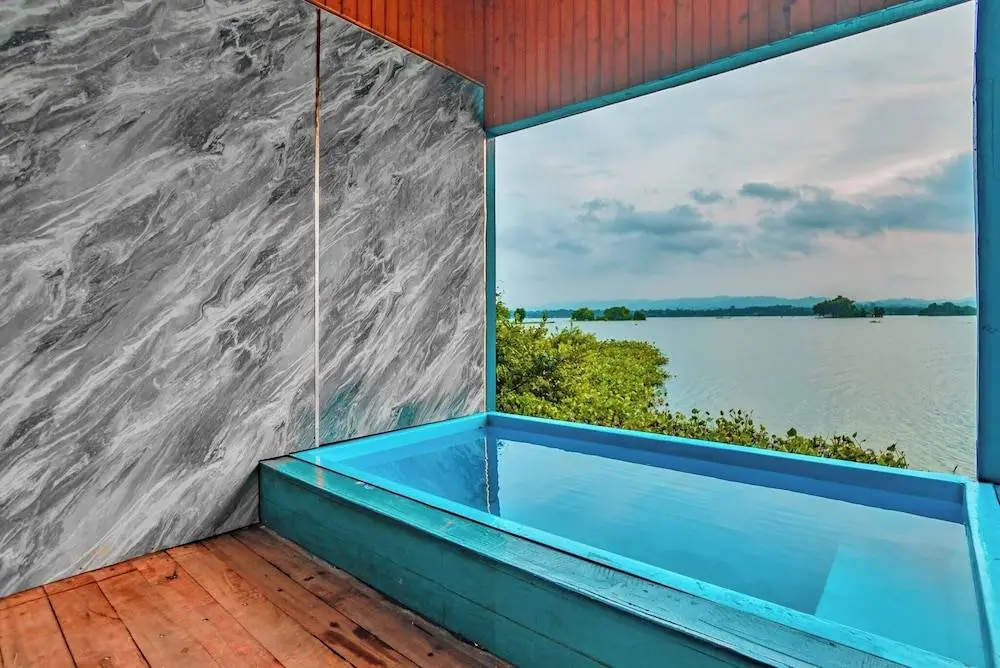
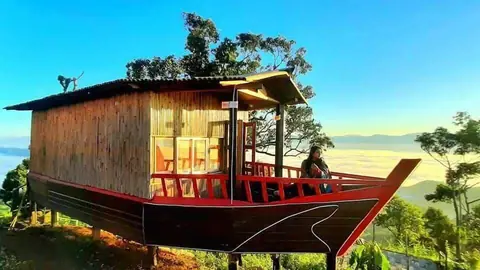
Chattogram Division hills · রাঙ্গামাটি
Hotels in Rangamati: Choosing Your Base
Rangamati district offers two very different stays: a lakeside town reached from Chattogram, and the Sajek hills in Baghaichhari, usually approached by road through Khagrachhari.
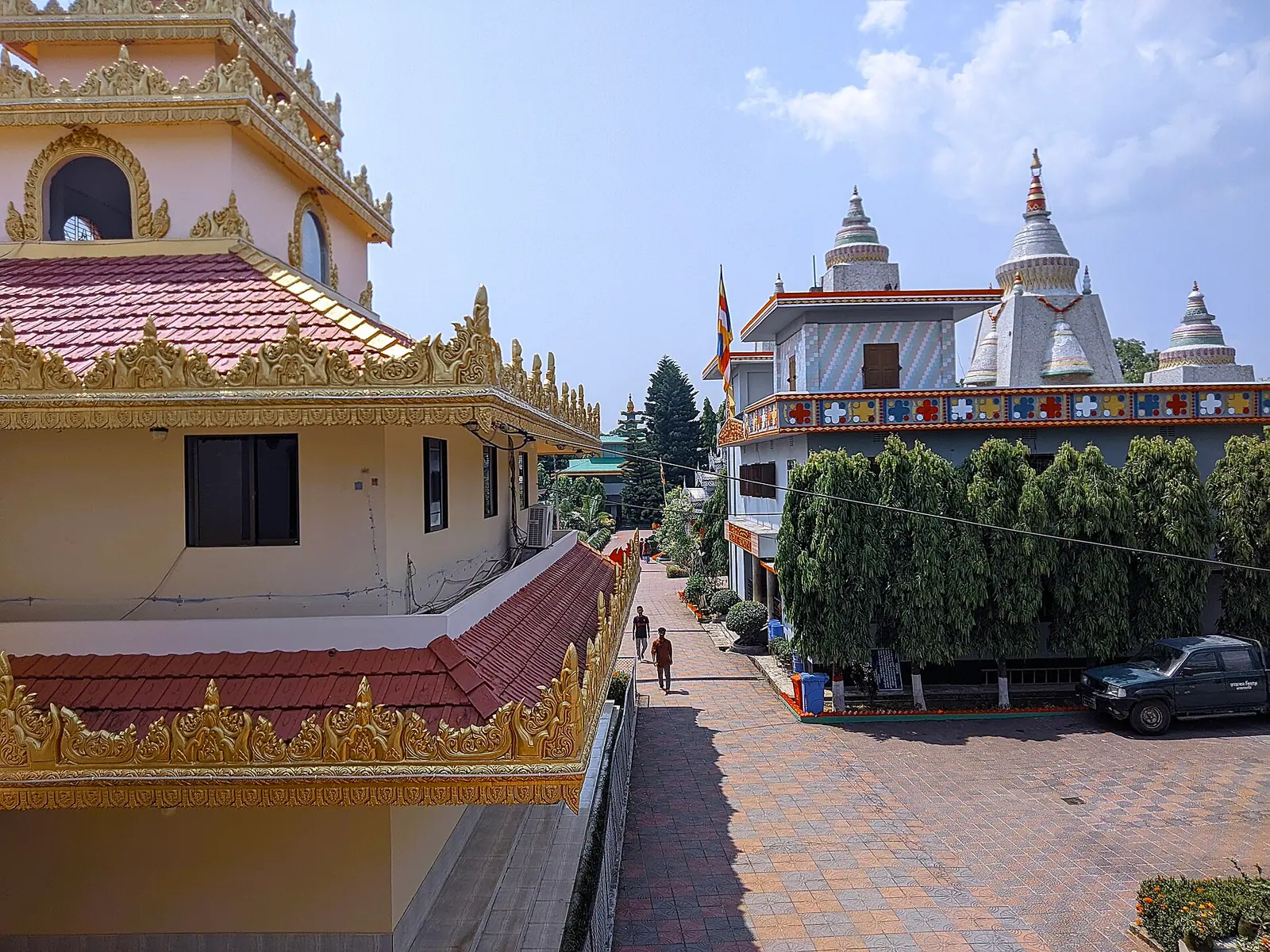
- Main base
- Rangamati town on Kaptai Lake
- Hill option
- Sajek, in Baghaichhari upazila
- From Chattogram
- About 2.5 to 3 hours by road
- Main season
- November to February, dry and cool
By thana.
Thanas with enough stays for a page of their own; the rest of the district is in the list below.
Stays in Rangamati.
Five-star first, then four-star, then the rest by the booking supplier’s guest score. Prices are live in the IMPT app.

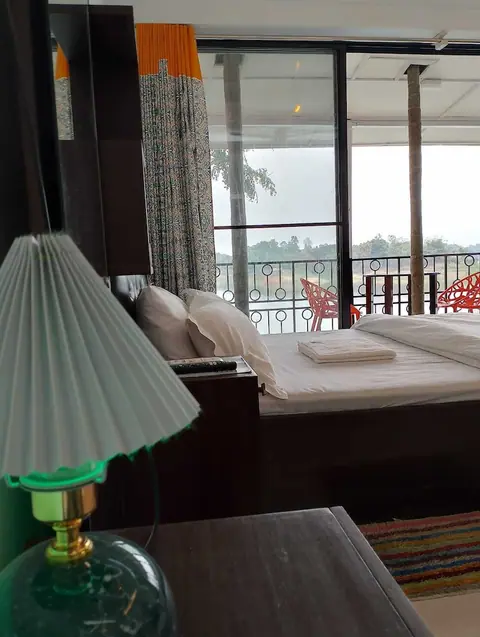

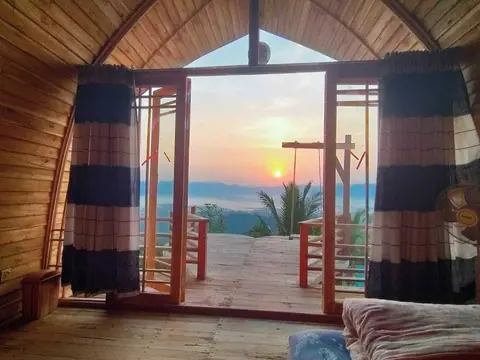
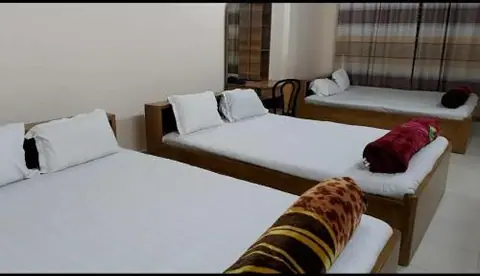
Rangamati suits travellers who want boat trips, Buddhist sites, hill weaving and slow days beside water. Start by deciding between the lake and the high ridges. The town in Rangamati Sadar works for Kaptai Lake. Sajek, in Baghaichhari, is a separate journey with its own road arrangements. Treat the two as different destinations when you plan nights and transport.
How the district divides
For a visitor choosing a room, Rangamati falls into two main parts. Rangamati Sadar holds the district town, spread over peninsulas that reach into Kaptai Lake. Water appears on several sides, roads follow the higher ground and boats link places that are awkward to reach overland. Most travellers who want the lake, the hanging bridge, monasteries and markets should look here first. It is also the simpler approach from Chattogram, with a direct road journey into town.
Baghaichhari upazila, in the north of the district, includes Sajek, a ridge settlement known for wide hill views and morning cloud in some conditions. Although it belongs to Rangamati administratively, the usual road runs from Khagrachhari through Dighinala. A room in Rangamati town is therefore a poor starting point for a casual outing to Sajek. Plan it as its own leg, normally with at least one night, and confirm the road position before reserving anything.
Staying in Rangamati town
Town stays suit first visits, families, short breaks and anyone arriving by road from Chattogram. The middle of the hotel group is about 3.2 km in a straight line from the town centre, but hill roads and inlets mean the actual journey can feel longer. Look at where a property sits in relation to the boat landing, the road and the places you plan to see. A lake view is worth confirming for the particular room, since views can differ within one building.
Reserve Bazar is the boat landing, so a base with easy access to it helps if you want an early start on the water. It is a working area with traders, passengers and goods moving through, and it can be busy and noisy. Quieter lakeside spots may suit light sleepers, though you could depend on an auto-rickshaw or a boat for meals and errands. Ask how late transport runs, whether steep steps lead to the rooms, and how power cuts are handled.
- Choose a position near Reserve Bazar if early boat departures matter more to you than quiet.
- Ask for confirmation of a lake-facing room, as the property's setting alone does not guarantee one.
- Check for steps, slopes and boat-only access if anyone travelling with you has limited mobility.
Sajek and Baghaichhari stays
Sajek suits travellers who are prepared for a longer road journey and who mainly want hill scenery. Accommodation gathers along the ridge, with Ruilui Para the best-known village and Konglak hill a walk or short ride further on. The mood depends on the weather. Clear days open up long views, while cloud and rain can hide them. Weekends and public holidays may bring more visitors, so reserve ahead and confirm the booking again shortly before you set out.
Vehicles to Sajek usually travel in army-escorted convoys from the Dighinala side at set times. Missing a convoy can cost you much of a day or the night's booking, so build in slack when connecting from Chattogram or Dhaka. Check the current times with your accommodation or a licensed operator. Water, electricity and mobile coverage can be limited on the ridge. Pack a torch, a power bank, necessary medicines and enough cash, and ask what the room actually provides.
Arriving and getting around
Most visitors approach Rangamati town through Chattogram. Shah Amanat International Airport (CGP) is about 61.4 km from the middle of the town's hotels in a straight line, and the road journey is longer, since it crosses the city and climbs into the hills. Allow about 2.5 to 3 hours from Chattogram, with extra time for city traffic, rain and holidays. Travellers from Dhaka can take a long-distance bus, or travel to Chattogram by air or rail and continue by road.
The UK FCDO advises against all but essential travel to the Chittagong Hill Tracts, including Rangamati (checked 25 November 2026), and says visitors must give the Bangladesh authorities 10 days' notice. Foreign visitors need permission from the district administration, usually arranged through a licensed operator or hotel. Expect checkpoints, carry your passport and copies, and check the current position before booking. Around town, use auto-rickshaws and boats. Agree the fare first, including waiting time and the return.
On the lake and nearby
Kaptai Lake shapes most days here. It is the country's largest man-made lake, formed when the Kaptai Dam on the Karnaphuli was completed in 1962. Its creation displaced around 100,000 people, most of them Chakma, a history worth knowing as you travel across the water. Boat trips commonly head towards Shuvolong, where the waterfall is at its fuller after rain and may be slight in dry months. Ask the boatman which stops are included and when you will return.
In town, the hanging bridge is a familiar stop, though high lake water can affect access to it. Rajbana Vihara is an important Buddhist monastery: cover shoulders and knees, remove footwear where asked and keep your voice low. The Chakma Raja's area and local weaving add another side to a visit. Further down the lake system, Kaptai National Park can form a separate outing. Check access, permission requirements and travel time before including it in a plan.
- Ask for a life jacket before boarding, and postpone the trip if a storm is forecast.
- Return to the landing before dark, and confirm the meeting point with your boatman in advance.
- Ask before photographing people, and do not photograph military sites, checkpoints or guarded structures.
Eating and practical planning
Meals in Rangamati range from simple rice eateries near the markets to hotel dining rooms and lakeside or island restaurants reached by boat. Expect rice, dal, vegetable mashes and freshwater fish. Hill cooking may include bamboo shoots, chicken cooked inside bamboo, leafy greens and sharp chilli pastes, with some dishes seasoned with fermented fish or shrimp. Pineapples and jackfruit appear in season. Ask about ingredients if you have dietary restrictions, and order ahead where a dish takes long to prepare.
November to February is the main season, with drier weather for road and boat travel. April and May are hot and can bring sudden storms. From June to September, rain greens the hills and feeds waterfalls, but landslips and rough water can disrupt plans. Drink bottled or filtered water. Malaria occurs in the Hill Tracts and dengue is a concern in and after the monsoon, so speak to a travel clinic. Carry taka in cash for boats, small eateries and transport.
Good to know.
Which part of Rangamati is better for a first visit?
Rangamati town is the usual choice for a first visit. It gives access to Kaptai Lake, boat trips from Reserve Bazar, the hanging bridge and Rajbana Vihara, and it connects by road with Chattogram. Choose Sajek instead if hill views are your main aim and you can plan around its separate road journey.
Can you visit Sajek as a day trip from Rangamati town?
It is not a practical plan for most travellers. Sajek is usually reached from Khagrachhari through Dighinala, with escorted convoys at set times, so a return from Rangamati town leaves little room for the journey or any delay. Arrange it as a separate overnight leg and confirm current road arrangements first.
Do foreign travellers need permission to stay in Rangamati?
Yes, foreign visitors need permission from the authorities, applied for in advance. A licensed operator or your accommodation usually helps with the paperwork. Send passport details early, ask which places the permission covers, including Sajek if relevant, and keep printed copies for checkpoints. Confirm the current rules before paying for travel.
Where do boat trips on Kaptai Lake start in Rangamati?
Reserve Bazar is the boat landing in Rangamati town. Some accommodation may also be able to arrange a boat from nearby. Before leaving, agree the fare, the route, the stops, the waiting time and the return point. Check the weather, and ask for life jackets for everyone in your group.
When is a good time to book a stay in Rangamati?
November to February is the main season, with cooler, drier weather. Reserve early for Fridays, Saturdays and public holidays. The months after the monsoon can offer fuller water and greener hills, while heavy rain from June to September may interrupt roads and boat trips. Choose flexible booking terms where available.
Can you reach Rangamati directly by train or plane?
Travel into Rangamati is by road. Many visitors fly or take a train to Chattogram, then continue by bus or hired vehicle, which typically takes about 2.5 to 3 hours. Sajek is normally approached through Khagrachhari. Check current services and leave a generous margin before any onward flight or train.
Should you carry cash when staying in Rangamati?
Carry enough taka for transport, boats, meals, entry fees and small purchases. Rangamati town has banking services, but a machine may be out of use, and options are much thinner towards Sajek. Draw money before leaving a larger town, keep small notes handy and ask your accommodation which payment methods it accepts.
What should you pack for a night in Rangamati district?
Bring modest, light clothing, footwear with grip, insect repellent, personal medicines, a torch and a power bank. Add a warm layer for winter evenings, particularly in Sajek, and rain protection in wetter months. Keep your passport, permission papers and several copies in a waterproof pouch, especially for boat journeys.
Photo credits: Rick Joseph, CC BY-SA 4.0, via Wikimedia Commons.